Experiencing jaw tension or clenching? Book a bite assessment.
Jaw Clenching: Causes, Bite Assessment and Guard Options
South Kensington, London
Jaw clenching involves sustained, involuntary tightening of the jaw muscles — often without the person being fully aware of it. It may occur during the day as a stress or concentration habit, or as teeth clenching at night during sleep. While occasional clenching is common, persistent jaw clenching can contribute to jaw tension, clenched jaw pain, headaches and progressive tooth wear. At our South Kensington dental practice, our team provides structured bite assessments to evaluate the extent and potential contributing factors of jaw clenching, and to discuss guard options and preventive strategies tailored to individual needs.
Jaw Clenching Assessment
Structured bite and muscle evaluation
- Symptom and habit review
- Tooth wear assessment
- Bite alignment analysis
- Jaw muscle palpation
- Night guard discussion if suitable
What Is Jaw Clenching?
Jaw clenching involves sustained, involuntary tightening of the muscles that close the jaw. Unlike grinding — where the teeth move against each other — clenching typically involves holding the teeth firmly together without lateral movement. However, the two habits often coexist, and clenching teeth is closely associated with bruxism clenching patterns.
Some people are aware of clenching during the day, often noticing it during periods of concentration or stress. Others experience teeth clenching at night without realising, only becoming aware of the habit when symptoms such as jaw tension, headaches, or tooth sensitivity develop.
Jaw clenching can vary in severity from occasional, mild tightening to persistent, forceful contraction of the jaw muscles. The extent to which it affects oral health and comfort depends on the intensity and duration of the habit, as well as individual factors such as bite alignment and overall dental health. Explore other jaw-related conditions we assess or read on to learn about the signs, causes, and management approaches for jaw clenching.
Common Signs and Symptoms of Jaw Clenching
Symptoms may develop gradually and can vary in severity. Clinical assessment is needed to confirm which factors are contributing.
Jaw Muscle Tension
- Tightness or stiffness across the jaw, particularly on waking
- Facial muscle fatigue — a sense that the jaw muscles have been working excessively
Clenched Jaw Pain
- Pain or tenderness near the ears or along the jaw joint
- Discomfort on chewing, especially with firmer foods
Headaches
- Dull, tension-type headaches — often referred to as jaw clenching headache — particularly on waking
- Pain radiating to the temples, forehead, or behind the eyes
Tooth Sensitivity or Wear
- Cracked or chipped enamel, particularly on the biting surfaces
- Increased tooth sensitivity to hot, cold, or sweet foods
These symptoms may overlap with other dental or muscular conditions. A clinical assessment is needed to identify contributing factors.
What Can Contribute to Jaw Clenching?
Jaw clenching may involve a combination of factors. It is rarely attributable to a single cause, and the balance of contributing influences varies between individuals.
Stress or Anxiety
Emotional or psychological stress is one of the most commonly reported associations with jaw clenching. Many people unconsciously tighten their jaw muscles during periods of heightened stress.
Concentration Habits
Some individuals clench their teeth during focused activities such as working at a screen, driving, or exercising. This daytime clenching often goes unnoticed until symptoms develop.
Sleep-Related Clenching
Teeth clenching at night is a common pattern and may be more difficult to identify, as the individual is unaware of the habit. A bed partner may notice jaw tightening, or the person may wake with jaw stiffness or headache.
Bite Imbalance
If the upper and lower teeth do not meet evenly, certain muscles may work harder to stabilise the jaw during function and at rest. This imbalance can contribute to habitual clenching.
Association with TMD
Jaw clenching may be associated with temporomandibular disorder (TMD), a condition affecting the jaw joints and surrounding muscles. In some cases, clenching contributes to TMD symptoms; in others, TMD-related discomfort may trigger or worsen the clenching habit.
How Dentists Assess Jaw Clenching
When you attend our practice with concerns about jaw clenching, our dental team carries out a structured clinical assessment. Management recommendations are based on the examination findings rather than symptoms alone.
Review of symptoms, onset, duration, and habit patterns (daytime vs sleep)
Examination for signs of tooth wear, enamel fractures, or restoration damage
Bite assessment to evaluate how the upper and lower teeth come together
Jaw muscle palpation to identify areas of tenderness or tension
Evaluation of existing dental restorations for signs of stress or wear
Radiographs where clinically indicated to assess tooth and joint structures
The assessment guides a personalised discussion about suitable management options, which may include habit advice, a night guard, or further evaluation.
Persistent Jaw Tension or Headaches?
If you notice persistent jaw tension, headaches or signs of tooth wear, a dental assessment can help evaluate whether jaw clenching may be contributing. Book a consultation at our South Kensington clinic for a structured bite and muscle assessment.
Night Guard or Splint Discussion
For patients where teeth clenching at night is identified as a significant factor, a custom night guard (occlusal splint) may be considered. A night guard is a removable appliance — typically worn during sleep — that creates a protective barrier between the upper and lower teeth.
The guard is designed to absorb and redistribute the forces generated during clenching, helping to protect the teeth and existing dental restorations from excessive pressure. In many cases, patients also report a reduction in jaw muscle strain and morning headaches when using a properly fitted guard.
It is important to note that a night guard manages the effects of clenching rather than eliminating the habit itself. Not all patients require a guard — suitability depends on the clinical findings, including the degree of tooth wear, the pattern of muscle involvement, and the patient’s symptoms. Your dentist will discuss whether a guard may be appropriate as part of your overall management plan.
If your clenching is accompanied by grinding, our teeth grinding (bruxism) assessment page provides further information about the overlap between these habits and additional management approaches.
Muscle-Relaxing Injections for Severe Clenching
For patients whose nightly clenching is not fully managed by a splint, muscle-relaxing injections into the masseter muscle can reduce the force of clenching, ease jaw pain and tension headaches, and help protect crowns, veneers and implant restorations. From £450, performed by Dr Carlos Stankiewicz.
Stress and Habit Awareness Advice
Alongside clinical management, awareness of daytime habits and stress patterns can play a supportive role in reducing jaw tension.
Identifying Daytime Clenching
- Setting periodic reminders to check jaw position during focused work
- Noticing whether teeth are clenched when concentrating, commuting, or under pressure
- Keeping a brief log of times when clenching is noticed to identify patterns
Jaw Resting Position
The ideal resting position for the jaw involves:
- Teeth slightly apart — not touching
- Lips gently closed
- Tongue resting softly against the roof of the mouth (the palate)
Relaxation Techniques
- Slow, diaphragmatic breathing to reduce overall muscle tension
- Gentle jaw stretches — opening wide and releasing slowly
- Warm compress applied to the jaw area before bed
- Mindfulness or progressive muscle relaxation techniques
Limiting Contributing Habits
- Reducing prolonged chewing gum use, which can overwork the jaw muscles
- Being mindful of caffeine intake, which may contribute to muscle tension in some individuals
- Avoiding biting on hard non-food items such as pens or pencils
Relationship Between Jaw Clenching and TMD
Persistent jaw clenching may contribute to symptoms of temporomandibular disorder (TMD) — a condition affecting the temporomandibular joints (TMJs) and the muscles that control jaw movement. TMD symptoms may include clicking or popping when opening or closing the mouth, stiffness in the jaw, limited range of movement, or discomfort when chewing.
The relationship between clenching and TMD can be bidirectional: habitual clenching may place excessive strain on the jaw joints and muscles, contributing to TMD symptoms; equally, existing TMD-related discomfort may trigger or exacerbate the clenching habit. Differentiating between the two requires a clinical evaluation.
Our TMJ assessment and treatment service provides a structured evaluation of the jaw joints and surrounding structures, helping to determine whether TMD is a contributing factor and what management approach may be most appropriate.
When Referral May Be Considered
In most cases, jaw clenching can be managed effectively within a general dental setting through a combination of clinical assessment, habit guidance, and protective appliances where indicated. However, referral to an appropriate specialist may be discussed in certain circumstances, including:
- Symptoms that persist or worsen despite conservative measures
- Significant joint restriction or locking of the jaw
- Complex bite or muscular issues that may benefit from specialist input
Your dentist will discuss any referral recommendations based on your individual findings and clinical needs.
When Should You Arrange an Assessment?
Consider booking an evaluation if you experience any of the following:
Jaw pain persists for more than a few days or is worsening
Headaches become frequent, particularly on waking
Visible tooth wear or new sensitivity is noticed
Clicking, locking, or restricted movement develops in the jaw joint
Sleep disruption occurs due to jaw discomfort
If you are experiencing acute jaw pain that is affecting your ability to eat or open your mouth, our emergency dental team can provide prompt assessment. For ongoing monitoring of tooth wear or gum health related to clenching, our dental hygienist service can support your preventive care plan.
Frequently Asked Questions
About jaw clenching, night guards, and bite assessment
Book a Jaw Clenching Assessment in South Kensington
Jaw clenching can contribute to muscle tension, headaches and tooth wear, but early assessment allows preventive strategies to be discussed.
Our dental team in London provides structured bite evaluations and personalised advice, including night guard discussion where suitable. Book your appointment to have your jaw symptoms assessed and discuss appropriate next steps.
Open Monday–Sunday • 2 mins from South Kensington tube
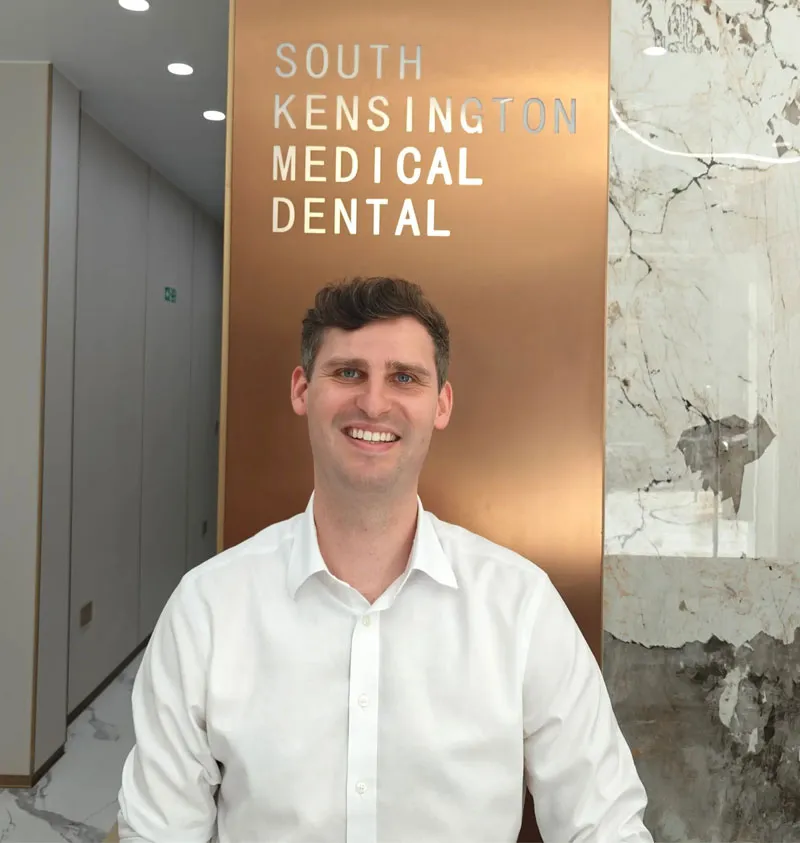
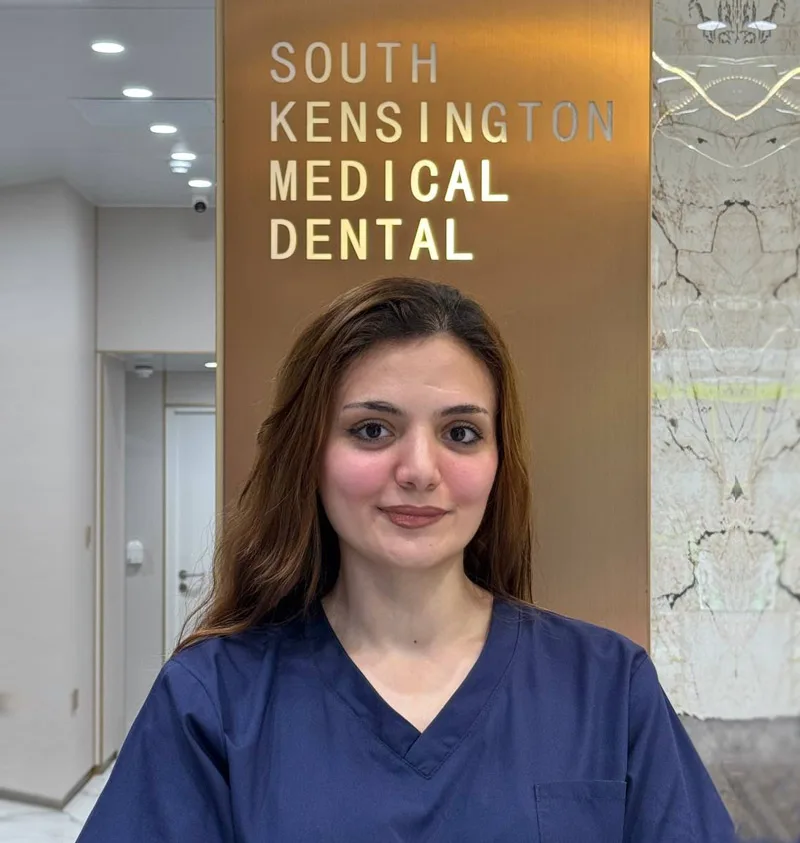
Meet Our Dental Team
Our experienced dental team is fully qualified and registered with the GDC, delivering safe, high-quality care in line with the highest professional standards.
Because our patients deserve nothing less.












Registered. Regulated. Trusted.
At South Kensington Medical & Dental, we are fully registered with the Care Quality Commission (CQC) and our clinicians are registered with the relevant UK regulatory bodies, including the GDC and GMC. Our dentists, dental nurses and medical professionals deliver care that meets the highest clinical, safety and ethical standards, because our patients deserve nothing less.


We Accept All Major Dental & Health Insurances
We work with all major UK insurers including Bupa, AXA Health, Aviva, Cigna, Vitality, WPA, Unum and Boots Dental Plan. We'll provide the receipts and paperwork you need to claim back your treatment costs.










