Jaw tension or tooth wear? Book a bruxism assessment.
Teeth Grinding (Bruxism)
South Kensington, London
Teeth grinding — clinically known as bruxism — refers to the involuntary grinding or clenching of the teeth. It commonly occurs during sleep, and many individuals are unaware they grind their teeth until symptoms such as jaw discomfort, headaches, or visible tooth wear develop. Bruxism can also occur during waking hours, often linked to periods of concentration or stress. At our South Kensington dental practice, we provide structured bite assessments to evaluate signs of teeth grinding and discuss appropriate management options, including a night guard for teeth grinding where clinically suitable.
Explore other dental conditions we assess or read on to understand bruxism symptoms, contributing factors, and when a dental evaluation may be helpful.
Bruxism Assessment
Bite analysis, wear evaluation and night guard discussion
- Tooth wear pattern evaluation
- Bite & occlusal analysis
- Jaw muscle assessment
- Night guard suitability discussion
- Personalised management plan
What Is Teeth Grinding (Bruxism)?
Bruxism is the clinical term for involuntary grinding or clenching of the teeth. It is a relatively common habit that can affect adults of any age. The condition most frequently occurs during sleep — often referred to as grinding teeth at night or nocturnal bruxism — though some individuals also clench or grind during waking hours, particularly during periods of concentration, stress, or physical exertion.
Because nocturnal bruxism happens unconsciously, many people are unaware they grind their teeth until bruxism symptoms begin to develop — such as unexplained tooth wear, jaw soreness on waking, or headaches. In some cases, a partner may notice audible grinding sounds during the night.
A clinical examination is required to confirm signs of bruxism. Characteristic wear patterns on the biting surfaces of the teeth, together with muscle tenderness and bite assessment findings, help build a clinical picture and guide management decisions.
Common Signs and Symptoms of Bruxism
Bruxism symptoms vary between individuals. The following are among the most commonly reported — though their presence does not automatically confirm bruxism without professional assessment.
Tooth Wear
Jaw Discomfort
Headaches
Disrupted Sleep
What Causes Teeth Grinding?
The exact cause of bruxism is not always identifiable, and in many cases, multiple factors may interact. The following are among the most commonly recognised contributing factors:
Stress or anxiety — heightened emotional tension can increase clenching habits
Sleep disturbances — disrupted sleep patterns and conditions such as sleep apnoea may be associated
Bite imbalance — when the upper and lower teeth do not meet evenly, the jaw may compensate
Jaw misalignment — structural factors in the jaw joint may contribute to grinding patterns
Association with temporomandibular disorder (TMD) — bruxism and TMD can coexist and share symptoms
If jaw clicking or popping accompanies your grinding symptoms, you may also wish to read about jaw clicking and TMJ assessment.
How Dentists Assess Bruxism
When you attend our general dentistry practice with concerns about clenching teeth or grinding, our team carries out a structured clinical evaluation. Findings determine the suitability of a night guard or other management strategies.
Review of symptoms, sleep history, and any triggers or patterns
Examination for characteristic tooth wear patterns on biting surfaces
Bite analysis to assess how the upper and lower teeth meet
Jaw muscle evaluation — palpation for tenderness and tension
Assessment of existing restorations for signs of stress or fracture
Radiographs where clinically indicated to evaluate tooth and bone structures
Suspect You Are Grinding Your Teeth?
If you suspect you are grinding your teeth or waking with jaw discomfort, a dental assessment can help evaluate bite alignment, tooth wear, and muscle tension. Book a consultation at our South Kensington clinic for a structured bruxism evaluation.
Night Guard for Teeth Grinding
Where clinical findings indicate that teeth grinding is contributing to tooth wear or jaw discomfort, a custom night guard may be recommended. A night guard — also known as an occlusal splint — is a precision-made appliance worn during sleep that creates a protective barrier between the upper and lower teeth.
A custom night guard for teeth grinding is designed to help protect the teeth from excessive wear, distribute biting forces more evenly, and may help reduce strain on the jaw muscles during sleep. Unlike over-the-counter options, a custom-fitted guard is made from impressions of your teeth to ensure a precise, comfortable fit.
It is important to note that not everyone with bruxism requires a night guard. Suitability depends on examination findings, the degree of wear present, and the nature of any associated symptoms. A night guard does not cure bruxism — rather, it serves as a protective and supportive measure alongside other management strategies.
Muscle-Relaxing Injections for Severe Bruxism
For patients whose grinding is not fully managed by a night guard, muscle-relaxing injections into the masseter muscle can reduce the force of clenching, ease jaw pain and headaches, and protect existing dental work. From £450, performed by Dr Carlos Stankiewicz.
Bite Assessment and Occlusal Considerations
The way in which the upper and lower teeth meet — known as the occlusion or bite — can influence grinding and clenching patterns. Uneven bite contacts may create areas of increased pressure that encourage the jaw muscles to compensate, potentially contributing to bruxism.
A bite assessment evaluates how the teeth come together during normal jaw closure and lateral movements. This helps identify any areas of uneven contact or premature interference that may be playing a role.
Where clinically indicated, minor occlusal adjustments may be discussed to help improve bite balance. Any adjustments are approached conservatively and are only recommended where they are expected to contribute meaningfully to symptom management.
Conservative Management Strategies
Alongside dental management, the following supportive strategies may help reduce grinding and clenching habits. These are not guaranteed solutions but can be a helpful part of an overall approach.
Stress Management
Since stress is a commonly reported contributing factor, relaxation techniques — such as mindfulness, deep breathing, or regular exercise — may help reduce the frequency or intensity of clenching episodes. While these approaches do not address dental aspects directly, they can be a valuable part of an overall management plan.
Jaw Exercises
Gentle jaw stretching and mobility exercises can help reduce muscle tension and improve joint comfort. Your dentist can demonstrate appropriate techniques and advise on frequency. These exercises aim to support more relaxed jaw posture rather than to resolve bruxism itself.
Habit Awareness
Many individuals clench their teeth during the day without realising — particularly while concentrating, working at a screen, or during stressful moments. Becoming aware of jaw tension and consciously relaxing the jaw throughout the day can help reduce cumulative muscle strain.
Lifestyle Modifications
Limiting caffeine intake — especially in the afternoon and evening — and avoiding excessive gum chewing can help reduce jaw muscle overactivity. Maintaining a consistent sleep routine and avoiding stimulants before bed may also support more restful sleep.
When Referral May Be Considered
Most cases of bruxism can be assessed and managed within a general dental setting. However, referral to an appropriate specialist may be discussed in certain circumstances:
- If symptoms are severe or persistent despite conservative management
- If joint locking or significant pain occurs that limits normal jaw function
- If complex bite or joint issues are suspected that may require specialist evaluation
Your dentist will discuss the most appropriate pathway based on clinical findings and your individual circumstances.
When Should You Arrange a Dental Assessment?
Consider booking an evaluation if you recognise any of the following:
You notice flattened, worn, or chipped tooth surfaces
Jaw pain or stiffness occurs regularly on waking
Headaches appear to be linked to jaw tension or clenching
Clicking, popping, or locking of the jaw develops
Grinding teeth at night is reported by a partner or household member
If grinding is accompanied by significant tooth pain, our emergency dentists are available for prompt assessment. If wear is affecting gum health, our dental hygienist team can provide supportive cleaning and hygiene guidance.
Frequently Asked Questions
About teeth grinding and bruxism management
Book a Bruxism Assessment in South Kensington
Teeth grinding (bruxism) can contribute to tooth wear and jaw discomfort, but early assessment allows appropriate preventive steps to be discussed.
Our dental team in South Kensington provides structured bite assessments and personalised advice, including night guard discussion where suitable. Book your appointment to have your symptoms assessed and discuss appropriate next steps.
Open Monday–Sunday • 2 mins from South Kensington tube
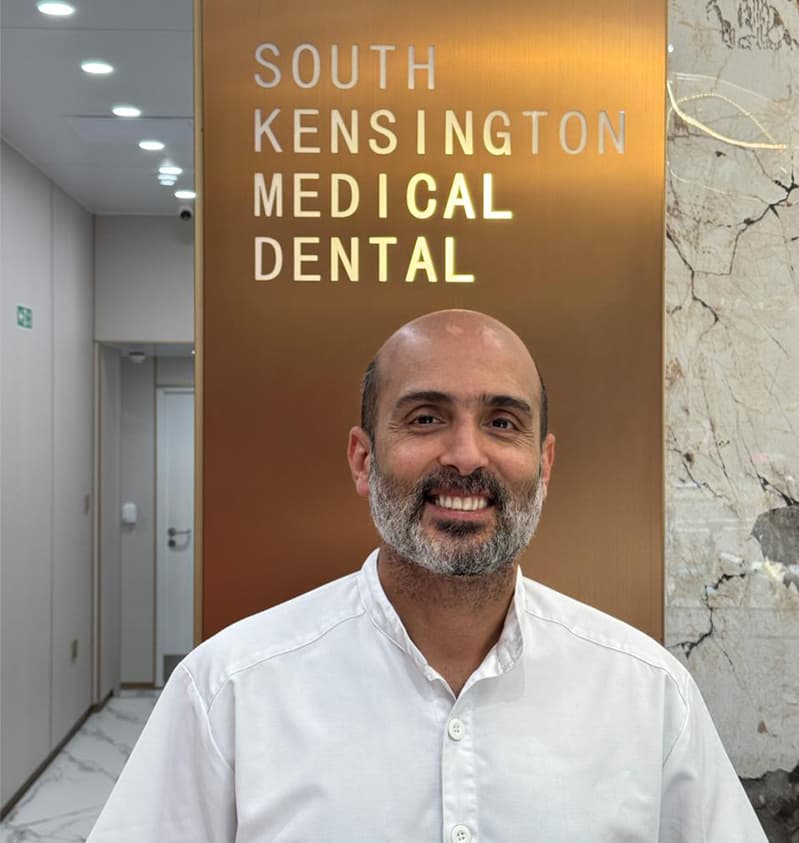
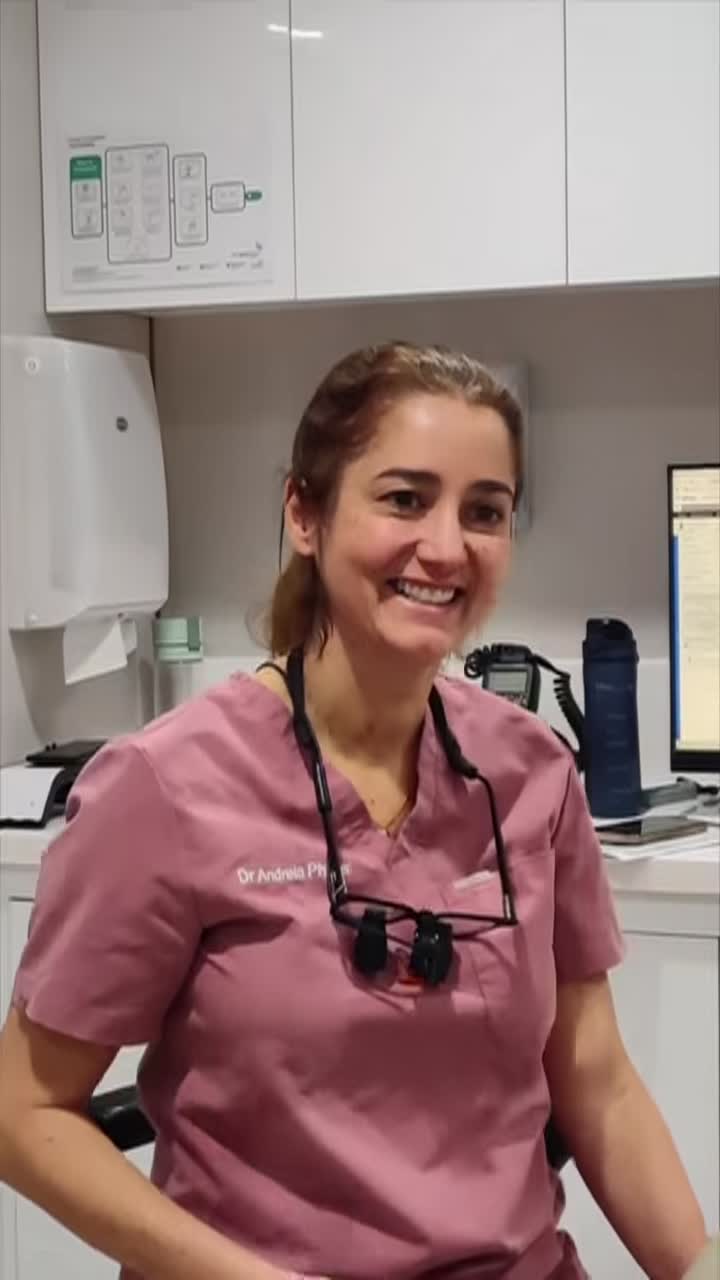
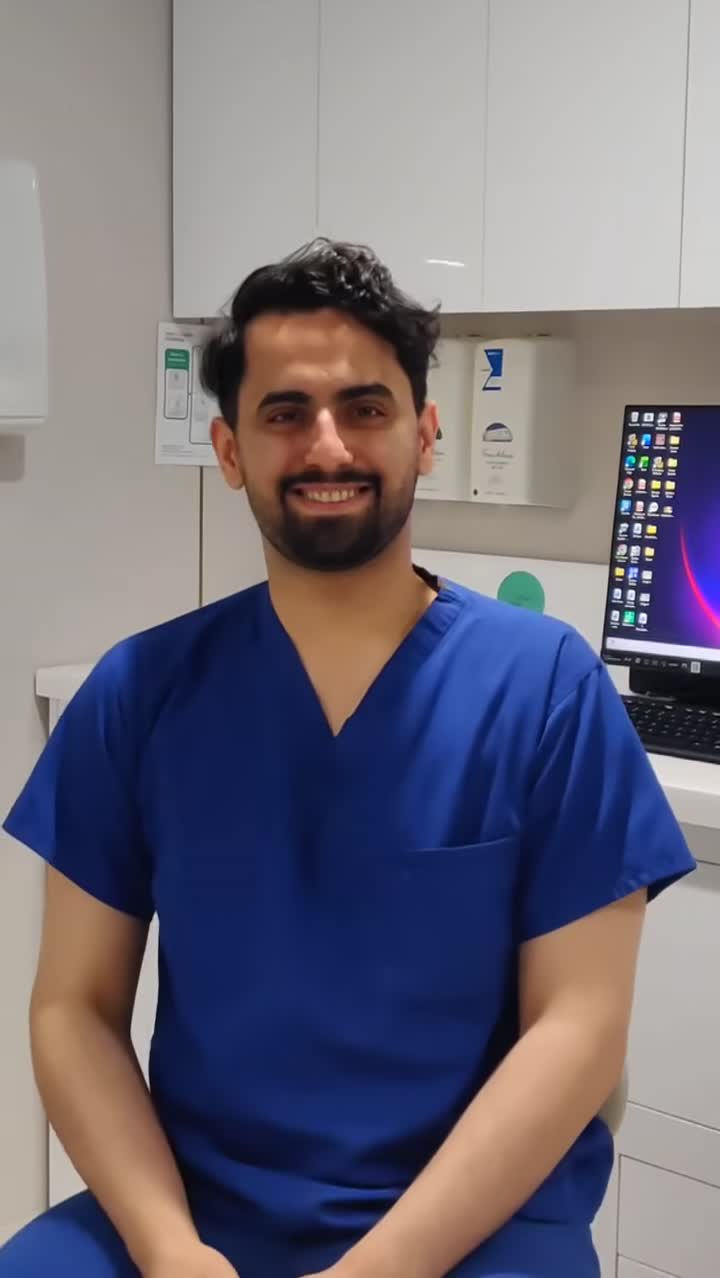
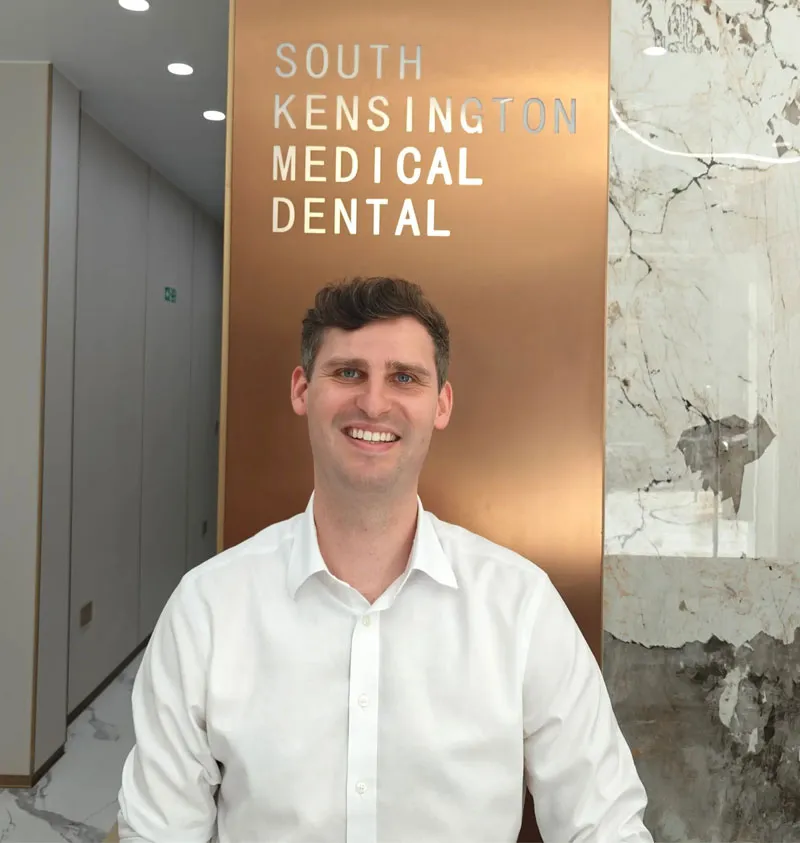
Meet Our Dental Team
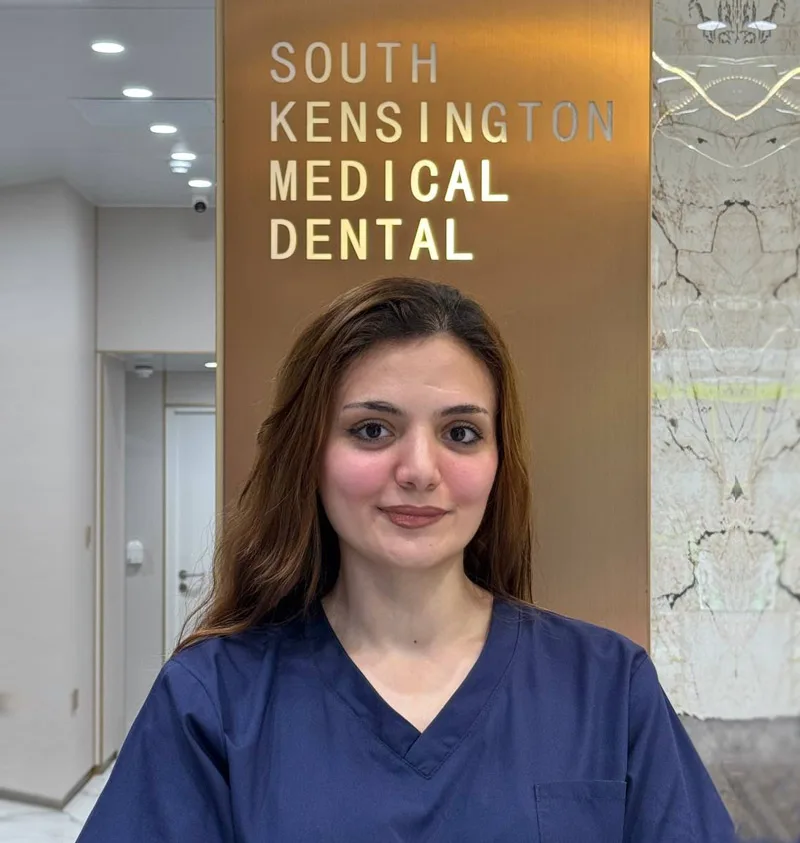
Our experienced dental team is fully qualified and registered with the GDC, delivering safe, high-quality care in line with the highest professional standards.
Because our patients deserve nothing less.









Registered. Regulated. Trusted.
At South Kensington Medical & Dental, we are fully registered with the Care Quality Commission (CQC) and our clinicians are registered with the relevant UK regulatory bodies, including the GDC and GMC. Our dentists, dental nurses and medical professionals deliver care that meets the highest clinical, safety and ethical standards, because our patients deserve nothing less.



We Accept All Major Dental & Health Insurances
We work with all major UK insurers including Bupa, AXA Health, Aviva, Cigna, Vitality, WPA, Unum and Boots Dental Plan. We'll provide the receipts and paperwork you need to claim back your treatment costs.










