Concerned about protruding front teeth? Book an orthodontic assessment.
Overjet (Buck Teeth): Symptoms, Causes and When to Consider Orthodontic Assessment
South Kensington, London
An overjet refers to the horizontal projection of the upper front teeth beyond the lower front teeth. Sometimes described informally as “buck teeth,” a large overjet can affect bite function, speech, and the exposure of the front teeth to trauma. While a mild overjet is common and may fall within normal limits, an excessive horizontal overlap may benefit from orthodontic assessment. At our South Kensington dental practice, our team provides structured bite evaluations to assess the extent and significance of an overjet and to discuss overjet correction options tailored to each patient’s needs.
Overjet Assessment
Structured bite evaluation and orthodontic consultation
- Horizontal overlap measurement
- Bite analysis
- Jaw relationship assessment
- Tooth wear evaluation
- Orthodontic options discussion
What Is an Overjet?
An overjet refers to the horizontal projection of the upper front teeth beyond the lower front teeth when the mouth is closed. It is sometimes described informally as “buck teeth,” although this term does not capture the clinical detail involved in assessment. A normal overjet is typically 2–4 mm, meaning the upper incisors sit slightly forward of the lower incisors.
A large overjet occurs when the horizontal distance between the upper and lower front teeth is excessive. In more pronounced cases, the protruding front teeth may affect the ability to close the lips comfortably, alter chewing mechanics, and increase the exposure of the teeth to accidental trauma.
It is important to note that the significance of an overjet depends on its severity and whether it is associated with functional concerns or progressive changes. Only a clinical examination can reliably determine whether an overjet falls within normal limits or whether further assessment and overjet correction may be appropriate. Explore other bite alignment concerns we assess or read on to understand how to fix overjet and the options available.
Overjet vs Overbite – What’s the Difference?
Overjet and overbite are frequently confused but refer to different aspects of the bite relationship. Both are measured and assessed independently during a clinical examination.
Overjet (Horizontal Projection)
- Overjet refers to the horizontal distance — how far forward the upper front teeth project beyond the lower front teeth
- A normal overjet is typically 2–4 mm of horizontal overlap
- A large overjet means the upper front teeth sit noticeably further forward than expected
Overbite (Vertical Overlap)
- Overbite refers to the vertical overlap — how far the upper front teeth cover the lower front teeth when the mouth is closed
- A deep overbite means the upper teeth cover an excessive amount of the lower teeth vertically
- Overjet and overbite are measured independently and may coexist in the same patient
Symptoms Associated with a Large Overjet
Not all overjets cause functional issues. The concerns experienced depend on the degree of horizontal projection and how the bite functions overall.
Protruding Front Teeth
- Upper front teeth that sit noticeably forward of the lower teeth
- Increased visibility of the upper incisors, particularly at rest or when smiling
Lip Incompetence
- Difficulty closing the lips comfortably over the protruding front teeth
- A tendency to keep the mouth slightly open at rest, particularly in more pronounced cases
Increased Risk of Tooth Trauma
- Protruding front teeth may be more exposed during falls, sports, or everyday activities
- The forward position of overjet teeth reduces the natural protection provided by the lips
Bite Imbalance
- Uneven contact between the upper and lower teeth during chewing
- Reduced biting efficiency when the front teeth do not meet in their expected relationship
What Causes an Overjet?
An overjet may develop as a result of a combination of genetic, developmental, and behavioural factors. In many cases, more than one contributor is involved.
Genetic Jaw Size Differences
The size and proportional relationship between the upper and lower jaws are largely determined by genetics. A relatively larger upper jaw or a smaller, more retruded lower jaw can result in the upper front teeth sitting further forward, contributing to an overjet.
Thumb Sucking During Childhood
Prolonged thumb sucking exerts forward pressure on the developing upper front teeth, which can push them into a more protrusive position. In many cases, the overjet may reduce after the habit ceases, though in some individuals it persists into adulthood.
Tongue Posture Habits
A tongue thrust habit — where the tongue pushes forward against or between the front teeth during swallowing or at rest — can maintain or worsen an existing overjet by applying sustained forward pressure on the upper incisors.
Skeletal Jaw Relationship
Differences in the anteroposterior relationship between the upper and lower jaws can contribute to an overjet that is skeletal in origin. In these cases, the position of the teeth reflects the underlying jaw relationship rather than tooth positioning alone.
Tooth Positioning Irregularities
The angle and eruption pattern of the upper front teeth influence the degree of horizontal projection. Teeth that are proclined — tilted forward — contribute to an increased overjet even when the jaw relationship is relatively normal.
How Dentists Assess an Overjet
When you attend our practice with concerns about overjet teeth, our dental team carries out a structured evaluation. The assessment determines whether monitoring or overjet correction is appropriate.
Measurement of horizontal overlap — quantifying the distance between the upper and lower front teeth in millimetres
Bite analysis — assessing how the upper and lower teeth come together in different jaw positions
Assessment of jaw relationship — evaluating the anteroposterior position of the upper jaw relative to the lower jaw
Evaluation of tooth wear — checking for signs of altered wear patterns associated with the overjet
Digital scans or radiographs where clinically indicated — to assess tooth positions, root angles, and skeletal proportions
The findings guide a personalised discussion about whether treatment is recommended and which approach may be most suitable.
Concerned About Protruding Front Teeth?
If you are concerned about protruding front teeth or feel your bite is imbalanced, an orthodontic assessment can help evaluate your alignment and discuss suitable treatment options. Book a consultation at our South Kensington dental clinic for a structured bite evaluation.
Overjet Correction Options
The most appropriate approach to overjet correction depends on the severity, the underlying cause, and the patient’s individual clinical presentation.
Orthodontic Treatment
Orthodontic treatment using fixed braces or clear aligners can gradually reposition the upper front teeth to reduce the horizontal projection. This may involve retraction of the upper incisors, adjustment of tooth angulation, or coordination of the upper and lower arches to achieve a more balanced bite relationship.
Growth Modification (In Younger Patients)
In younger patients whose jaws are still developing, functional appliances may be used to encourage forward growth of the lower jaw or restrain upper jaw growth. This approach is most effective during the growth phase and is assessed on a case-by-case basis.
Multidisciplinary Planning
In more complex skeletal overjet cases, collaborative planning between orthodontics and other specialties may be discussed. This is relevant where the overjet is primarily skeletal in origin and orthodontic tooth movement alone may not achieve a stable or sufficient result.
Our orthodontics team can discuss alignment-based approaches in detail, including clear aligners where the overjet pattern and clinical presentation are suitable. In cases where trauma has resulted in damage to the front teeth, our restorative dentistry services may also be discussed as part of a comprehensive management plan.
Can an Overjet Affect Jaw Health?
A significant overjet can alter the way chewing forces are distributed across the dental arch. When the front teeth do not meet in their expected relationship, the jaw muscles may compensate, which can contribute to muscle strain or fatigue — particularly after prolonged chewing.
In some patients, a large overjet may be associated with symptoms of temporomandibular disorder (TMD), including jaw clicking, stiffness, or discomfort. The relationship between overjet and TMD varies between individuals — not all patients with an increased overjet experience joint symptoms, and the presence of TMD-related concerns is assessed on a case-by-case basis.
Our TMJ assessment and treatment service can provide further evaluation if jaw joint symptoms are present alongside an overjet.
When Should You Consider an Orthodontic Consultation?
Consider arranging an assessment if you experience any of the following:
Your upper front teeth protrude noticeably beyond the lower teeth
Your bite feels uncomfortable or imbalanced
Your front teeth feel exposed or at risk during everyday activities
Jaw discomfort or muscle fatigue develops
You are exploring clear aligner options for bite improvement
Frequently Asked Questions
About overjet assessment and treatment options
Book an Overjet Assessment in South Kensington
An overjet can vary in severity, and not all cases require treatment. However, if alignment concerns or functional issues are present, an orthodontic assessment can help determine appropriate options.
Our dental team in South Kensington provides structured bite evaluations and orthodontic consultations tailored to individual needs. Book your appointment to have your bite assessed and discuss suitable next steps.
Open Monday–Sunday • 2 mins from South Kensington tube
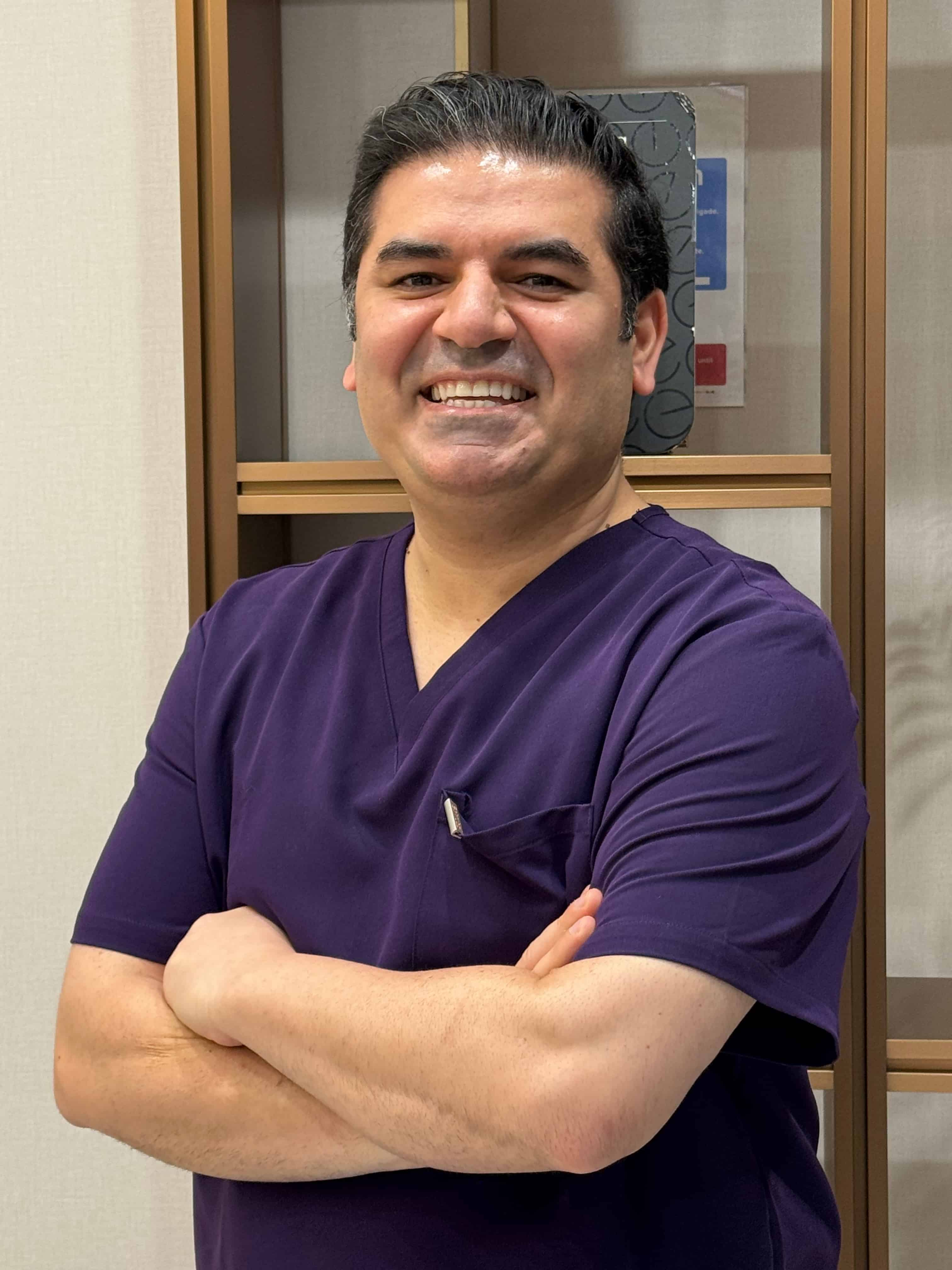
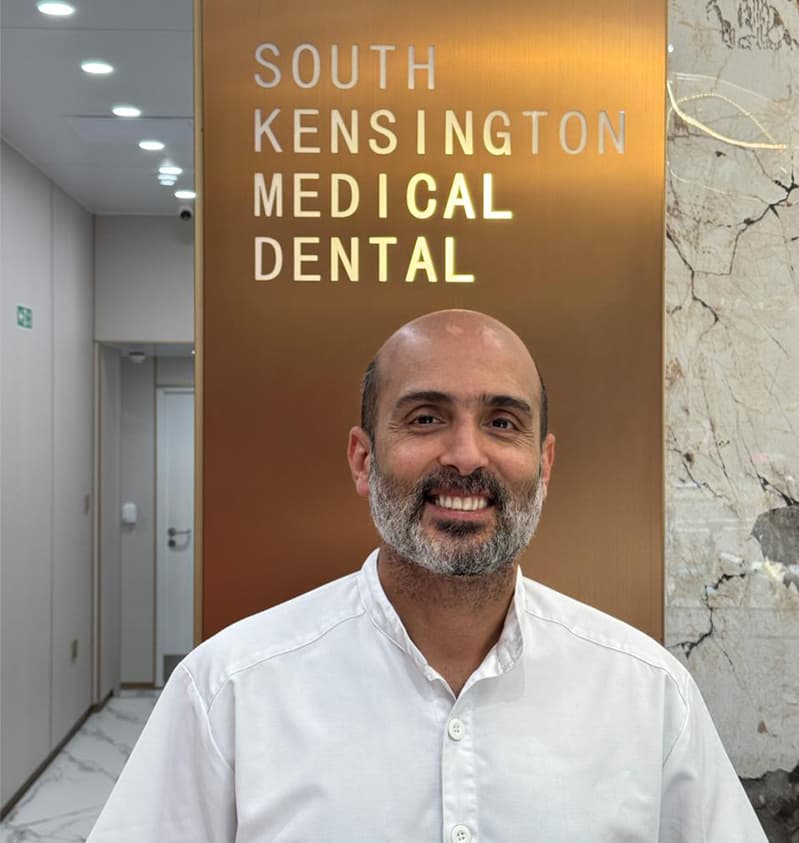
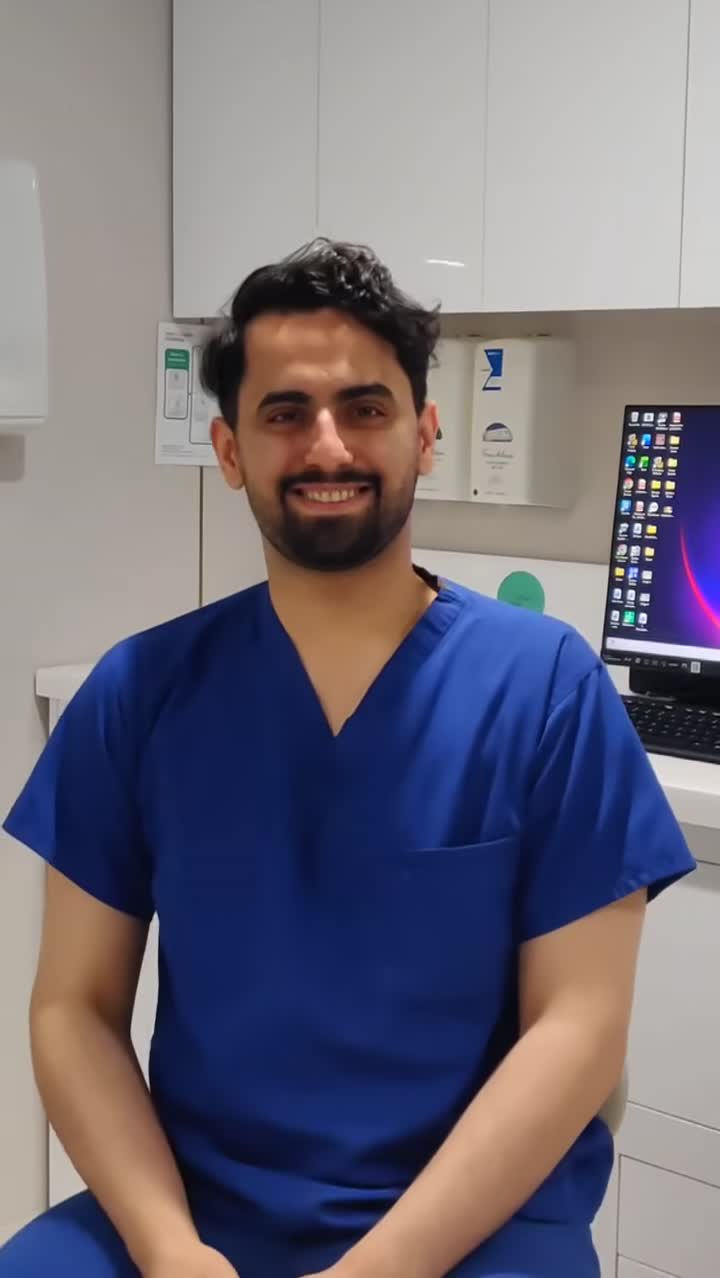
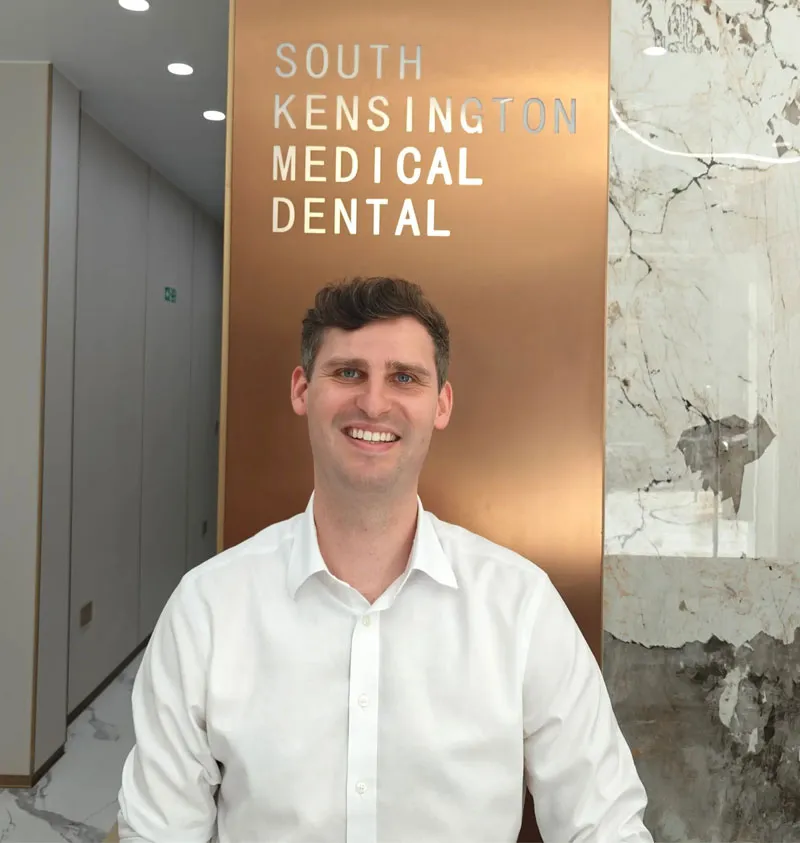
Meet Our Dental Team
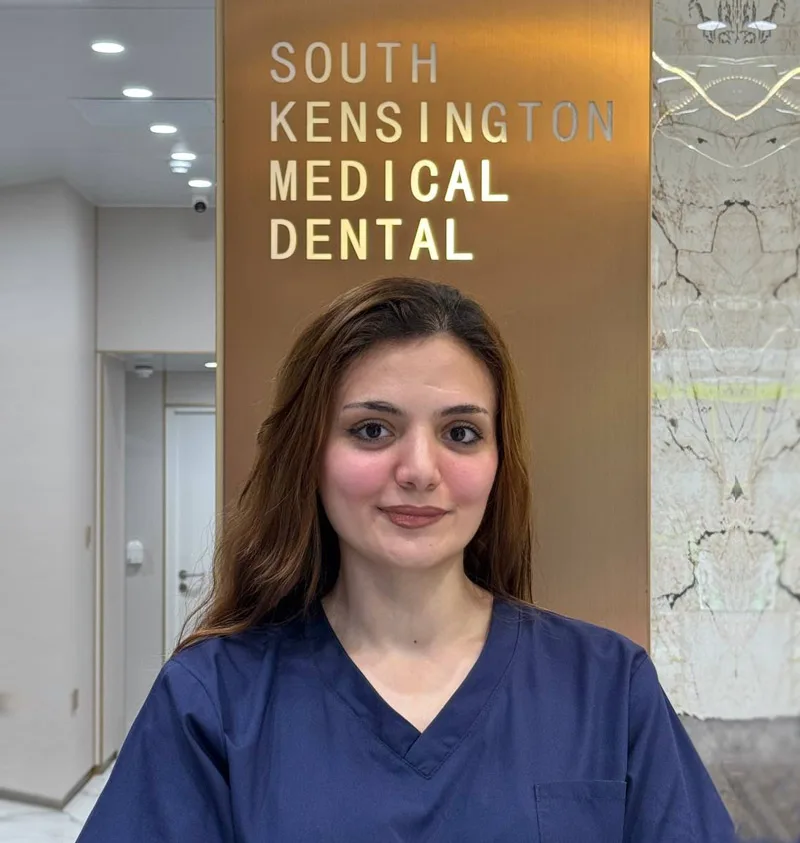
Our experienced dental team is fully qualified and registered with the GDC, delivering safe, high-quality care in line with the highest professional standards.
Because our patients deserve nothing less.









Registered. Regulated. Trusted.
At South Kensington Medical & Dental, we are fully registered with the Care Quality Commission (CQC) and our clinicians are registered with the relevant UK regulatory bodies, including the GDC and GMC. Our dentists, dental nurses and medical professionals deliver care that meets the highest clinical, safety and ethical standards, because our patients deserve nothing less.


We Accept All Major Dental & Health Insurances
We work with all major UK insurers including Bupa, AXA Health, Aviva, Cigna, Vitality, WPA, Unum and Boots Dental Plan. We'll provide the receipts and paperwork you need to claim back your treatment costs.










