Concerned about an overbite? Book an orthodontic assessment.
Overbite: Symptoms, Causes and When to Consider Orthodontic Assessment
South Kensington, London
An overbite is one of the most common forms of malocclusion, referring to the vertical overlap of the upper front teeth over the lower front teeth. While a mild degree of overbite is normal and expected, a deep overbite — where the overlap is excessive — can affect tooth wear, gum health, and jaw comfort over time. At our South Kensington dental practice, our team provides structured bite evaluations to assess the type and severity of an overbite and to discuss overbite treatment options tailored to each patient’s needs.
Overbite Assessment
Structured bite evaluation and orthodontic consultation
- Visual bite examination
- Vertical overlap measurement
- Tooth wear assessment
- Jaw function evaluation
- Orthodontic options discussion
What Is an Overbite?
An overbite refers to the vertical overlap of the upper front teeth over the lower front teeth when the mouth is closed. Some degree of overbite is entirely normal and expected — in a typical bite, the upper incisors cover approximately one-third of the lower incisors.
A deep overbite is diagnosed when this vertical overlap becomes excessive, with the upper front teeth covering a disproportionate amount of the lower teeth. In severe cases, the lower front teeth may contact the gum tissue behind the upper teeth, which can contribute to gum irritation and accelerated tooth wear.
It is important to note that the significance of an overbite depends on its severity and whether it is associated with symptoms or progressive changes. Only a clinical examination can reliably determine whether an overbite falls within normal limits or whether further assessment and treatment may be appropriate. Explore other dental alignment concerns we assess or read on to understand the types, symptoms, and treatment options for overbite teeth patterns.
What Is the Difference Between an Overbite and Overjet?
Overbite and overjet are frequently confused but refer to different aspects of the bite relationship. Both are assessed during a clinical examination.
Overbite (Vertical Overlap)
- Overbite refers to the vertical overlap — how far the upper front teeth cover the lower front teeth when the mouth is closed
- A normal overbite is typically 2–4 mm of vertical coverage
- A deep overbite is diagnosed when the overlap is excessive, with the upper teeth covering a disproportionate amount of the lower teeth
Overjet (Horizontal Projection)
- Overjet refers to the horizontal projection — how far forward the upper front teeth sit relative to the lower front teeth
- An increased overjet means the upper teeth protrude noticeably ahead of the lower teeth
- Overbite and overjet can coexist but are measured and assessed independently
Symptoms Associated with a Deep Overbite
Not all overbites cause symptoms. The concerns experienced depend on the depth of the overlap, the position of the teeth, and how the bite functions overall.
Excessive Tooth Wear
- Lower front teeth contacting the backs of the upper front teeth excessively during biting
- Accelerated wear on the biting edges of the lower teeth or the palatal surfaces of the upper teeth
Gum Irritation
- Lower front teeth contacting the gum tissue behind the upper front teeth
- Redness, tenderness, or recession of the palatal gum tissue in the affected area
Jaw Discomfort
- Muscle fatigue in the jaw, particularly after meals or prolonged chewing
- Strain or discomfort when biting, as the jaw accommodates the deep vertical overlap
Speech or Chewing Changes
- Subtle changes in the way certain sounds are produced
- Reduced chewing efficiency when the front teeth do not function in their expected relationship
What Causes an Overbite?
An overbite may develop as a result of a combination of genetic, developmental, and environmental factors. In many cases, more than one contributor is involved.
Genetic Jaw Growth Patterns
The size and proportional relationship between the upper and lower jaws are largely determined by genetics. An underdeveloped lower jaw or a vertically excessive upper jaw can contribute to a deep overbite pattern.
Tooth Positioning
The angle and eruption pattern of the front teeth influence the degree of vertical overlap. Teeth that are more upright or over-erupted may contribute to a deeper overbite.
Childhood Habits
Prolonged thumb sucking or dummy use during dental development can influence the position of the front teeth and the growth of the supporting bone, potentially contributing to an overbite pattern that persists into adulthood.
Tooth Loss or Shifting
Loss of back teeth can alter the way biting forces are distributed, potentially allowing the front teeth to over-erupt and deepen the overbite over time. Shifting of adjacent teeth following extraction can also change the bite relationship.
How Dentists Assess an Overbite
When you attend our practice with concerns about an overbite, our dental team carries out a structured evaluation. The assessment determines whether monitoring or overbite correction is appropriate. Our orthodontics team can guide the evaluation and discuss suitable next steps.
Visual examination — observing the relationship between the upper and lower front teeth when the mouth is closed
Bite analysis — assessing how the teeth come together in different jaw positions
Measurement of vertical overlap — quantifying the extent of the overbite in millimetres
Assessment of tooth wear — checking for signs of accelerated wear on the teeth most affected by the deep bite
Jaw function evaluation — assessing the range, symmetry, and comfort of jaw movement
Radiographs or scans where clinically indicated — to assess root positions, bone levels, and jaw proportions
The findings guide a personalised discussion about whether treatment is recommended and which approach may be most suitable.
Concerned About a Deep Overbite?
If you are concerned about a deep overbite or notice tooth wear or jaw discomfort, an orthodontic assessment can help determine whether treatment may be beneficial. Book a consultation at our South Kensington clinic for a structured bite evaluation.
Overbite Correction Options
The most appropriate approach to overbite correction depends on the severity, underlying cause, and any symptoms identified during assessment.
Orthodontic Treatment
Orthodontic treatment using fixed braces or clear aligners can gradually reposition the teeth to reduce the depth of the overbite. This may involve intrusion of over-erupted teeth, adjustment of tooth angulation, or a combination of movements to achieve a more balanced vertical relationship.
Monitoring
If the overbite is mild, stable, and not causing symptoms or progressive wear, regular monitoring may be appropriate. Review appointments allow changes to be identified early, and treatment can be discussed if the situation evolves.
Restorative Considerations
In cases where a deep overbite has already caused significant tooth wear, restorative treatment may be discussed alongside or following orthodontic correction. This could include composite bonding, crowns, or other approaches to restore tooth structure that has been lost to attrition.
Our orthodontics team can discuss alignment-based approaches in detail, including clear aligners where the bite pattern and clinical presentation are suitable. In cases where significant wear requires restoration, our restorative dentistry services may also be discussed as part of a comprehensive plan.
Can an Overbite Affect Jaw Health?
A severe malocclusion overbite may contribute to muscle strain as the jaw compensates for the altered bite relationship. The muscles of mastication may work harder to achieve functional contact, which can result in fatigue, tension, or discomfort — particularly after prolonged chewing.
In some patients, a deep overbite may be associated with symptoms of temporomandibular disorder (TMD), including jaw clicking, stiffness, or limited opening. The relationship between overbite and TMD varies between individuals — not all patients with a deep bite experience joint symptoms, and the presence of TMD-related concerns is assessed on a case-by-case basis.
Our TMJ assessment and treatment service can provide further evaluation if jaw joint symptoms are present alongside a deep overbite.
When Should You Consider an Orthodontic Consultation?
Consider arranging an assessment if you experience any of the following:
Your overbite appears excessive or has changed over time
Tooth wear is increasing, particularly on the lower front teeth
Jaw discomfort or muscle fatigue develops
You are considering clear aligners for bite improvement
Your bite feels uncomfortable or your teeth do not meet as expected
Frequently Asked Questions
About overbite assessment and treatment options
Book an Overbite Assessment in South Kensington
An overbite is common, and not all cases require treatment. However, if symptoms or tooth wear are present, an orthodontic assessment can help determine suitable options.
Our dental team in South Kensington provides structured bite evaluations and orthodontic consultations to discuss appropriate next steps. Book your appointment to have your bite assessed and explore your treatment options.
Open Monday–Sunday • 2 mins from South Kensington tube
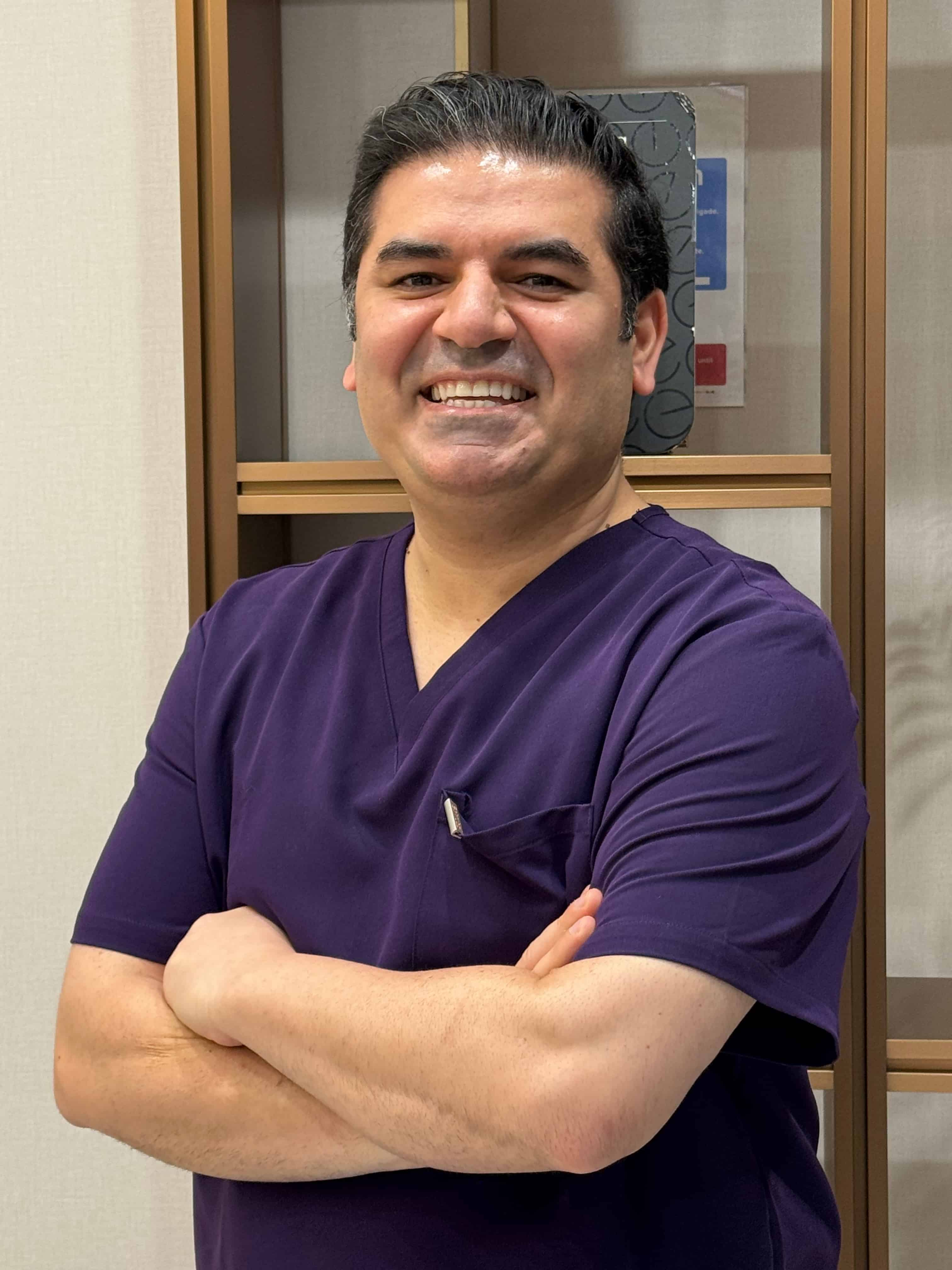
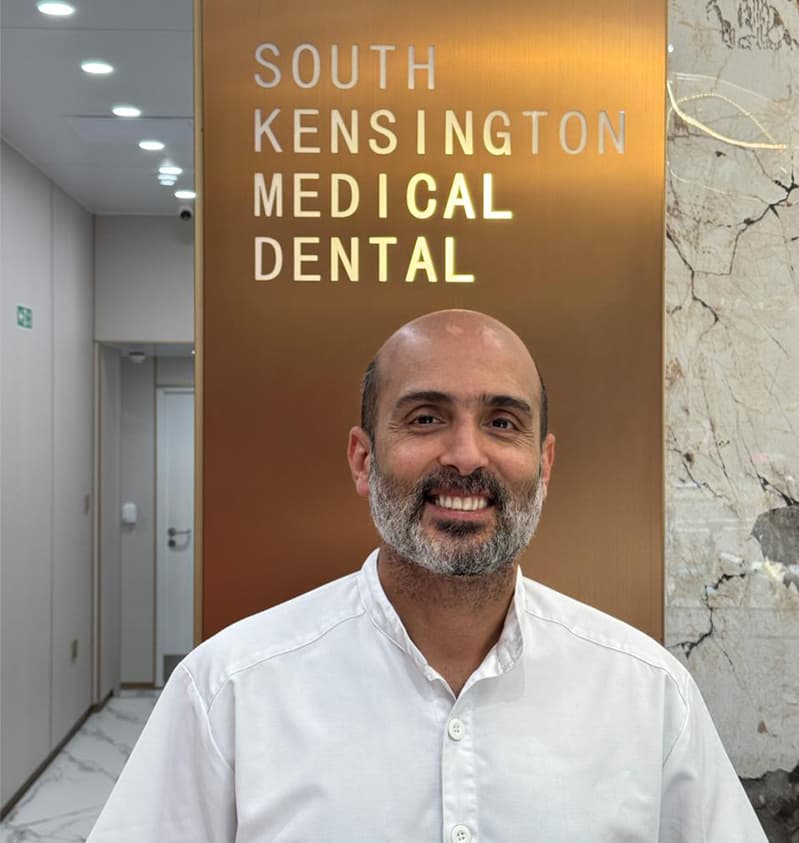
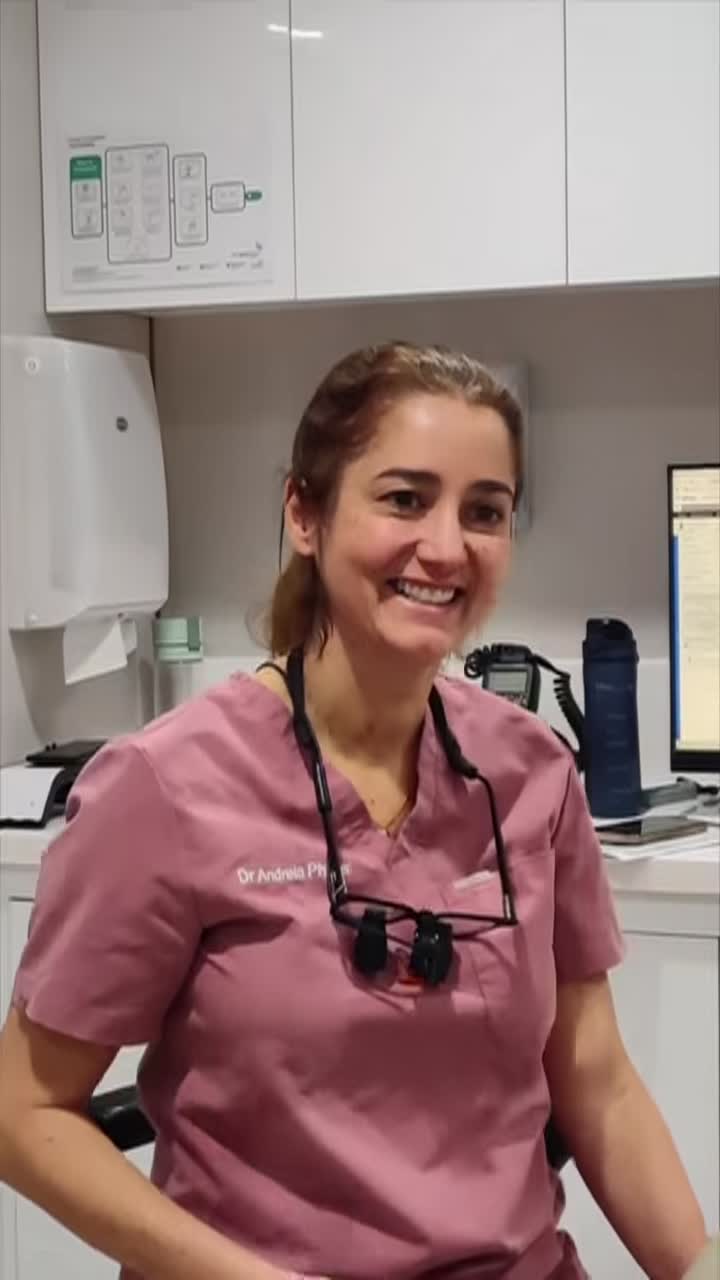
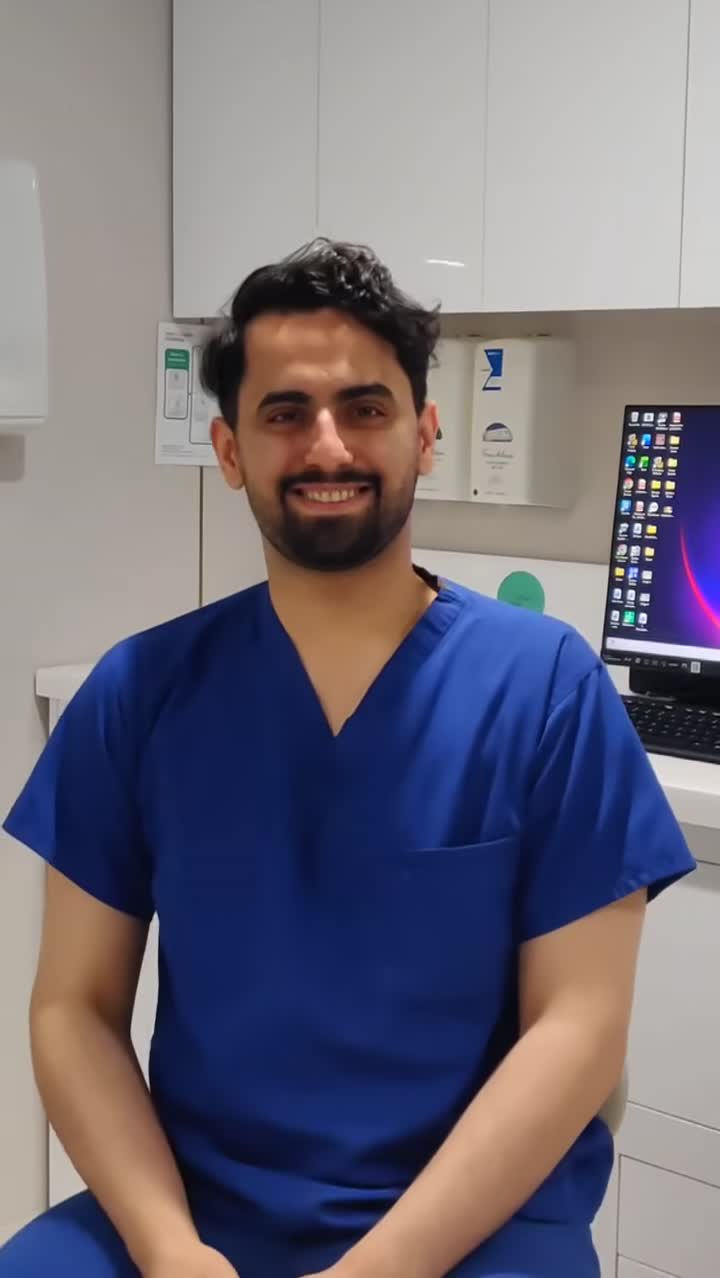
Meet Our Dental Team
Our experienced dental team is fully qualified and registered with the GDC, delivering safe, high-quality care in line with the highest professional standards.
Because our patients deserve nothing less.







Registered. Regulated. Trusted.
At South Kensington Medical & Dental, we are fully registered with the Care Quality Commission (CQC) and our clinicians are registered with the relevant UK regulatory bodies, including the GDC and GMC. Our dentists, dental nurses and medical professionals deliver care that meets the highest clinical, safety and ethical standards, because our patients deserve nothing less.


We Accept All Major Dental & Health Insurances
We work with all major UK insurers including Bupa, AXA Health, Aviva, Cigna, Vitality, WPA, Unum and Boots Dental Plan. We'll provide the receipts and paperwork you need to claim back your treatment costs.










