Lost a filling? Book an assessment today.
Lost Filling
South Kensington, London
A lost filling — whether it has fallen out suddenly or loosened gradually — leaves a gap in the tooth that can cause sensitivity, discomfort, and an increased risk of further decay. Fillings can fail for a number of reasons, including normal wear over time, recurrent decay beneath the restoration, trauma, or habits such as teeth grinding. When a filling is lost, the underlying tooth structure is exposed and may be vulnerable to bacterial contamination, temperature sensitivity, and mechanical damage. Arranging a dental assessment promptly allows your dentist to evaluate the extent of any damage, check for underlying decay, and discuss the most appropriate replacement option. At our South Kensington dental practice, our dentists carry out thorough clinical and radiographic assessments to determine the best way to restore and protect the affected tooth.
Explore the full range of dental conditions we treat or read on to understand why fillings fall out and how a lost filling can be managed.
Has Your Filling Fallen Out?
We can assess the tooth and discuss your options
- Thorough clinical examination
- Decay and structural assessment
- Digital X-rays where indicated
- White filling or restoration options
- Personalised treatment discussion
Why Do Fillings Fall Out?
Understanding why a filling has been lost helps guide the most appropriate replacement approach and reduce the risk of it happening again.
Normal Wear and Tear
Dental fillings are subject to constant forces from chewing, biting, and temperature changes. Over months and years, these repeated stresses can weaken the bond between the filling and the tooth, eventually causing the filling to crack, chip, or detach entirely.
Recurrent Tooth Decay
New decay can develop around the margins of an existing filling, undermining the seal between the restoration and the tooth. As the decay progresses, it weakens the support holding the filling in place, eventually allowing it to loosen or fall out.
Trauma or Biting Hard Foods
A sudden impact — from a fall, sporting injury, or biting down unexpectedly on a hard object such as a seed, bone, or ice — can dislodge a filling or fracture the surrounding tooth structure, causing the filling to come loose.
Teeth Grinding (Bruxism)
Habitual grinding or clenching places repeated excessive forces on teeth and their restorations. Over time, this can fatigue the filling material and its bond to the tooth, making fillings — particularly those on the biting surfaces — more prone to failure.
Poor Marginal Seal
If the seal between the filling and the tooth was not optimal — whether due to the original placement, contamination during bonding, or gradual degradation — saliva and bacteria can seep beneath the filling, weakening the bond and eventually causing it to fail.
Symptoms of a Lost Filling
You may notice some or all of the following signs when a filling has fallen out or become dislodged:
If you are unsure whether a filling has been lost, a dental examination can confirm the situation and assess whether treatment is needed.
Is a Lost Filling a Dental Emergency?
A lost filling is not always a dental emergency, but it does warrant professional attention. In many cases, a filling that has fallen out without significant pain can be assessed within a few days, provided you take care to protect the exposed tooth in the meantime.
However, if the lost filling has left the tooth’s nerve exposed — causing severe or persistent pain — or if you notice signs of infection such as swelling, a bad taste, or a raised temperature, it is important to seek a prompt dental assessment to evaluate the situation and prevent complications.
If facial swelling or severe infection symptoms occur, seek urgent dental or medical care as appropriate. Contact our team or attend your nearest emergency dental service.
Has Your Filling Fallen Out?
If you have noticed a missing filling or new sensitivity, our South Kensington dentists can provide a thorough examination and discuss suitable replacement options.
How We Assess a Lost Filling
Our assessment is designed to evaluate both the immediate situation and the overall health of the affected tooth, so we can recommend the most appropriate restoration:
Clinical examination of the tooth and surrounding area
Evaluation for underlying or recurrent tooth decay
Digital X-rays if necessary to assess the tooth root and surrounding structures
Assessment of remaining tooth structure and cavity size
Discussion of suitable restoration options based on the clinical findings
The findings from this assessment guide the choice of restoration. In some cases, a replacement filling can be placed at the same appointment, while other situations may require further treatment planning.
Treatment Options for a Lost Filling
The recommended approach depends on the clinical findings, including the size of the cavity, the condition of the remaining tooth, and whether decay or nerve involvement is present.
Replacement White Filling
When sufficient healthy tooth structure remains, a white filling (tooth-coloured composite) is often the preferred option. The composite material is carefully matched to the shade of your natural tooth and bonded directly to restore both the shape and function of the tooth. This approach is minimally invasive and preserves as much natural tooth structure as possible.
Larger Restoration
If the cavity has expanded — either because additional decay has developed or because the original filling was already large — a more extensive build-up may be needed. This may involve a larger composite restoration or an indirect restoration such as an inlay or onlay, which is fabricated to fit the cavity precisely and provide additional strength for teeth that have lost a significant amount of structure.
Dental Crown (If Tooth Is Weakened)
When the remaining tooth structure has been significantly weakened — through repeated large restorations, cracks, or extensive decay — a dental crown may be recommended. A crown encases the entire visible portion of the tooth, providing structural reinforcement and protecting it from further fracture. Your dentist will discuss whether a crown is appropriate based on the clinical findings.
Root Canal Treatment (If Nerve Affected)
If decay has progressed to the point where the tooth’s pulp (nerve) has become infected or irreversibly inflamed, root canal treatment may be necessary before the tooth can be permanently restored. This involves carefully removing the affected tissue from within the tooth, cleaning the root canals, and sealing them to prevent reinfection. A crown is often placed afterwards to protect the treated tooth.
What to Do If a Filling Falls Out Before Your Appointment
While you wait for your dental appointment, the following steps can help protect the exposed tooth and minimise discomfort:
Avoid chewing on the affected side
Eating on the opposite side of the mouth reduces the risk of further damage, food impaction, and discomfort in the exposed tooth.
Keep the area clean
Gently rinse your mouth with warm water after eating to remove food debris from the cavity. Continue to brush and floss carefully around the area using a soft-bristled toothbrush.
Avoid very hot or cold foods and drinks
The exposed dentine may be sensitive to temperature extremes. Sticking to lukewarm foods and drinks can help reduce sensitivity until the tooth is restored.
Consider temporary filling material
Over-the-counter temporary filling material is available from pharmacies and can provide a short-term protective cover for the cavity. This is a temporary measure only and does not replace professional treatment.
Do not attempt home repairs with glue
Household adhesives and DIY repair products are not safe for use inside the mouth. They can damage the tooth, irritate the gums, and make professional treatment more difficult.
Can a Lost Filling Be Left Untreated?
While a lost filling may not always cause immediate severe symptoms, leaving the cavity unprotected for an extended period increases the risk of several complications:
Decay progression
The exposed cavity provides a sheltered environment for bacteria and food debris to accumulate, accelerating the development of new or worsening decay.
Increased sensitivity
Without the protective layer of the filling, the dentine and potentially the nerve of the tooth are more exposed, leading to heightened sensitivity to temperature, pressure, and certain foods.
Risk of tooth fracture
A tooth that has lost its filling is structurally weakened. The unsupported walls of the cavity are more vulnerable to cracking or breaking, particularly under biting forces.
Potential nerve involvement
If decay progresses unchecked, it may eventually reach the tooth's pulp, potentially leading to infection, abscess, or the need for more extensive treatment such as root canal therapy.
A professional evaluation is recommended to assess the tooth and discuss the most appropriate way to restore and protect it.
Preventing Future Filling Loss
While no dental restoration lasts indefinitely, the following measures can help maximise the longevity of your fillings and reduce the risk of future loss:
Maintain good oral hygiene
Brushing twice daily with fluoride toothpaste and cleaning between the teeth daily helps protect the margins where the filling meets the natural tooth from recurrent decay.
Attend regular dental examinations
Routine dental check-ups allow your dentist to monitor the condition of your fillings, identify early signs of wear or marginal breakdown, and address any issues before the filling is lost.
Consider a night guard if you grind your teeth
If you grind or clench your teeth, a custom-made night guard can help distribute the forces more evenly and protect your fillings from excessive stress. Learn more about teeth grinding treatment.
Avoid using teeth as tools
Opening packaging, biting nails, or chewing hard objects such as ice and pen caps places unnecessary stress on fillings and increases the risk of fracture or dislodgement.
Frequently Asked Questions
About lost fillings and filling replacement
Book a Lost Filling Assessment in South Kensington
If you have lost a filling or noticed new sensitivity, our experienced dental team can provide careful assessment and discuss appropriate replacement options.
Open Monday–Sunday • 2 mins from South Kensington tube
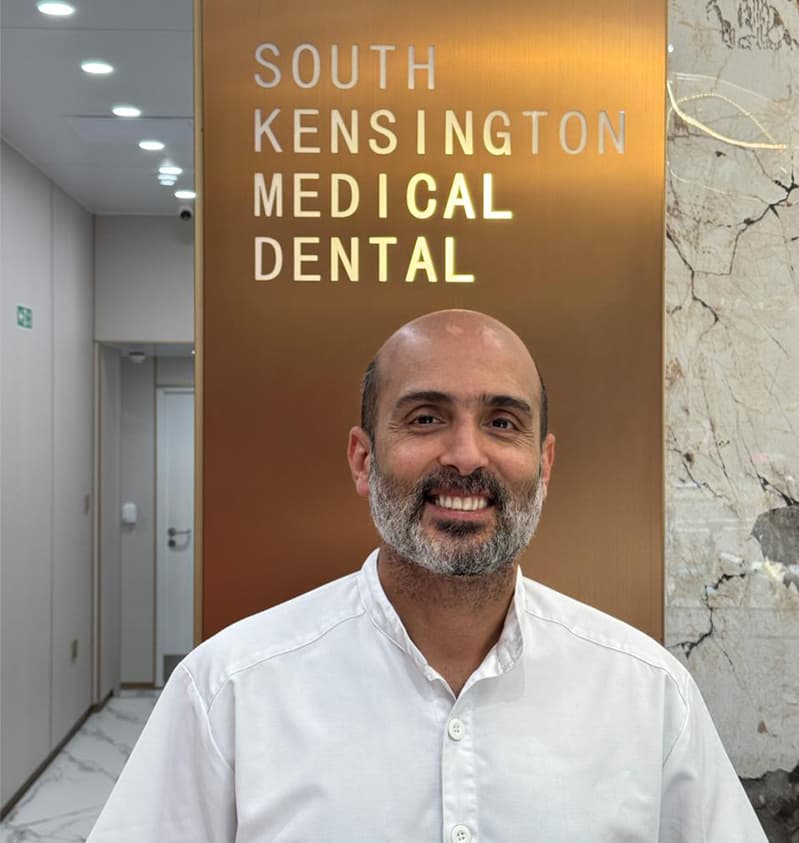
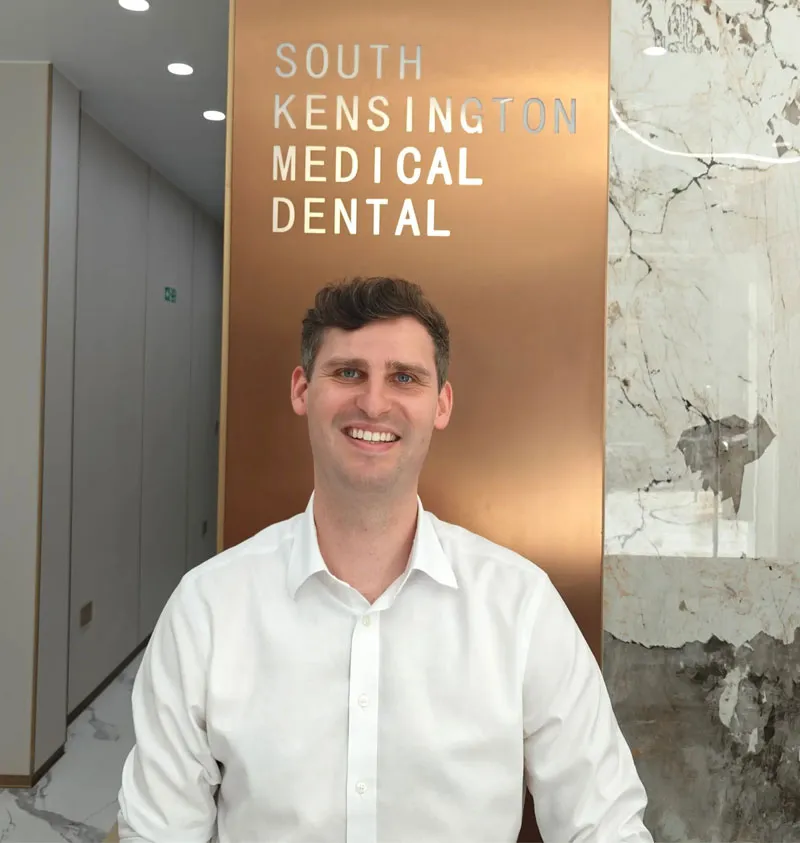
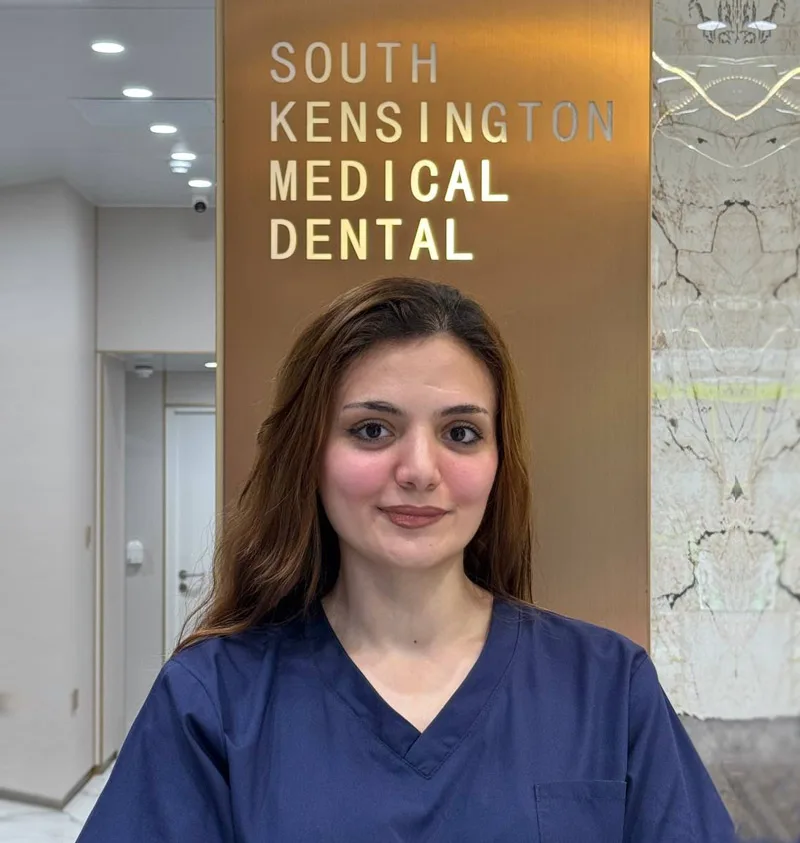
Meet Our Dental Team
Our experienced dental team is fully qualified and registered with the GDC, delivering safe, high-quality care in line with the highest professional standards.
Because our patients deserve nothing less.











Registered. Regulated. Trusted.
At South Kensington Medical & Dental, we are fully registered with the Care Quality Commission (CQC) and our clinicians are registered with the relevant UK regulatory bodies, including the GDC and GMC. Our dentists, dental nurses and medical professionals deliver care that meets the highest clinical, safety and ethical standards, because our patients deserve nothing less.



We Accept All Major Dental & Health Insurances
We work with all major UK insurers including Bupa, AXA Health, Aviva, Cigna, Vitality, WPA, Unum and Boots Dental Plan. We'll provide the receipts and paperwork you need to claim back your treatment costs.