Crown loose or fallen off? Book an assessment today.
Loose Crown or Crown Fallen Off
South Kensington, London
A dental crown can become loose or fall off for a number of reasons, including wear of the underlying cement, changes to the tooth beneath, or physical trauma. When a crown becomes unstable or detaches, the exposed tooth may feel sensitive to temperature, pressure, or air, and there is an increased risk of further damage or decay if the tooth is left unprotected. Whether your crown has shifted slightly or come off entirely, a timely dental assessment is important to evaluate the underlying tooth, determine why the crown has loosened, and discuss the most appropriate next step — which may include re-cementation, repair, or replacement. At our South Kensington dental practice, our dentists carry out careful clinical and radiographic assessments to guide the best course of action for your individual situation.
Explore the full range of dental conditions we treat or read on to understand why crowns become loose and what options are available.
Has Your Crown Come Loose?
We can assess the crown and underlying tooth
- Thorough clinical examination
- Underlying tooth assessment
- Digital X-rays where indicated
- Re-cementation or replacement options
- Personalised treatment discussion
Why Do Dental Crowns Become Loose?
Understanding the reason behind a loose or detached crown helps guide the most appropriate treatment approach.
Cement Wear Over Time
The dental cement that bonds a crown to the underlying tooth can gradually break down over months and years of normal use. This slow degradation can eventually allow the crown to loosen, shift, or detach — even without any obvious trauma or change in diet.
Recurrent Decay Under the Crown
Tooth decay can develop at the margins where the crown meets the natural tooth. As decay undermines the seal and alters the shape of the supporting tooth structure, the crown may begin to loosen or lose its secure fit.
Trauma or Biting Hard Foods
A sudden impact — from a fall, sporting injury, or biting down unexpectedly on a hard object — can dislodge a crown or fracture the cement bond. Even crowns that are well-fitted can be displaced by sufficient force.
Teeth Grinding (Bruxism)
Habitual grinding or clenching places repeated lateral forces on the crown and its bond to the underlying tooth. Over time, these forces can fatigue the cement and contribute to loosening, particularly on back teeth that bear the greatest load.
Poor Fit or Ageing Crown
Older crowns may no longer fit as precisely as they did when first placed, due to natural changes in the tooth or surrounding tissues. A crown that was not optimally fitted originally may also be more prone to loosening over time.
Symptoms of a Loose or Detached Crown
The following signs may indicate that a dental crown has become loose or is no longer securely attached:
If you notice any of these symptoms, arranging a dental assessment will help determine whether the crown can be re-cemented or if further treatment is needed.
Is a Crown Fallen Off a Dental Emergency?
A loose or detached crown is not always a dental emergency in the traditional sense, but it does require professional attention. In many cases, a crown that has come loose without significant pain or swelling can be assessed within a reasonable timeframe — usually within a few days.
However, if the exposed tooth is causing significant pain or sensitivity, or if there are signs of infection such as swelling, a bad taste, or a raised temperature, it is important to seek a prompt dental assessment to evaluate the situation and prevent complications.
If there is facial swelling, severe pain, or trauma, seek urgent dental assessment. Contact our team or attend your nearest emergency dental service.
Has Your Crown Come Loose?
If your crown feels unstable or has fallen off, our South Kensington dentists can provide a thorough assessment and discuss whether it can be safely re-cemented or requires replacement.
How We Assess a Loose Crown
Our assessment is designed to understand both the condition of the crown and the health of the underlying tooth, so we can recommend the most appropriate next step:
Clinical examination of the crown and underlying tooth
Evaluation of the supporting tooth structure for decay or fracture
Assessment for recurrent decay at the crown margins
Digital X-rays where appropriate to examine the tooth root and surrounding bone
Review of crown integrity, fit, and material condition
Discussion of re-cementation, repair, or replacement options
The findings from this assessment determine whether the crown can be re-cemented, requires replacement, or if additional treatment is needed for the underlying tooth.
Treatment Options for a Loose or Fallen Crown
The recommended approach depends on the clinical findings. Our dentists will discuss all suitable options with you before proceeding.
Crown Re-cementation
If the dental crown is structurally intact and the underlying tooth is healthy and free from decay, it may be possible to clean and re-cement the original crown. The tooth and crown are carefully cleaned and prepared before a fresh dental cement is applied. Your dentist will check the stability and fit of the crown once re-bonded to ensure a secure result.
Crown Replacement
When the existing crown is damaged, the fit has been compromised, or decay is present beneath the crown, a replacement dental crown may be the most appropriate option. This involves preparing the tooth, taking accurate impressions or digital scans, and fabricating a new crown that restores both function and appearance. A temporary crown may be placed to protect the tooth while the permanent restoration is being made.
Additional Treatment (If Needed)
In some cases, the assessment may reveal that additional treatment is needed before the crown can be re-cemented or replaced. This may include a replacement filling to rebuild the tooth core, or root canal treatment if the tooth’s pulp (nerve) has become affected. Your dentist will explain any additional steps clearly and ensure you understand the treatment plan before proceeding.
What to Do If Your Crown Falls Off Before Your Appointment
While you wait for your dental appointment, the following steps can help protect the tooth and keep the crown safe:
Keep the crown safe and clean
Place the detached crown in a clean container. Gently rinse it with water if needed — avoid scrubbing or using chemicals. Bring it with you to your appointment.
Avoid chewing on the affected side
Eating on the opposite side of the mouth reduces the risk of further damage or discomfort to the exposed tooth.
Maintain gentle oral hygiene
Continue to brush and floss carefully around the area. Use a soft-bristled toothbrush and be gentle around the exposed tooth to avoid irritation.
Avoid home adhesives
Household glues and adhesives are not safe for oral use and may damage the crown or tooth, making professional treatment more difficult.
Consider temporary dental cement
Over-the-counter temporary dental cement is available from pharmacies and can provide a short-term protective cover. This is a temporary measure only and does not replace professional re-cementation.
Can I Leave a Loose Crown Untreated?
While a loose or detached crown may not always cause immediate pain, leaving the underlying tooth unprotected for an extended period increases the risk of several complications:
Risk of tooth decay
The exposed tooth surface — particularly any prepared dentine — is more vulnerable to bacterial attack and decay without the protective barrier of the crown.
Increased sensitivity
Without the insulating layer of the crown, the tooth may become increasingly sensitive to temperature, pressure, and sweet or acidic foods.
Potential fracture of the underlying tooth
A tooth that has been prepared for a crown often has less natural structure remaining, making it more susceptible to cracking or fracturing without the reinforcement the crown provides.
Shifting of adjacent teeth
In some cases, neighbouring or opposing teeth may begin to shift position if the crown is left off for an extended period, potentially complicating future restoration.
A professional assessment is recommended to evaluate the tooth and discuss the best way to protect it going forward.
Preventing Future Crown Problems
While no restoration lasts indefinitely, the following measures can help maximise the longevity of your dental crowns:
Attend regular dental examinations
Routine dental check-ups allow your dentist to monitor the condition of your crowns, identify early signs of loosening or cement breakdown, and address any issues before the crown detaches.
Consider a night guard if you grind your teeth
If you grind or clench your teeth, a custom-made night guard can help distribute the forces more evenly and protect your crowns from excessive wear. Learn more about teeth grinding treatment.
Avoid biting hard objects
Ice, hard sweets, pen caps, and other hard objects can place excessive force on crowns and increase the risk of loosening or fracture.
Maintain good oral hygiene
Brushing twice daily with fluoride toothpaste and cleaning between the teeth helps protect the margins where the crown meets the natural tooth from decay.
Frequently Asked Questions
About loose crowns and crown re-cementation
Book a Loose Crown Assessment in South Kensington
If your dental crown feels loose or has fallen off, our experienced dental team can provide careful assessment and discuss appropriate repair or replacement options.
Open Monday–Sunday • 2 mins from South Kensington tube
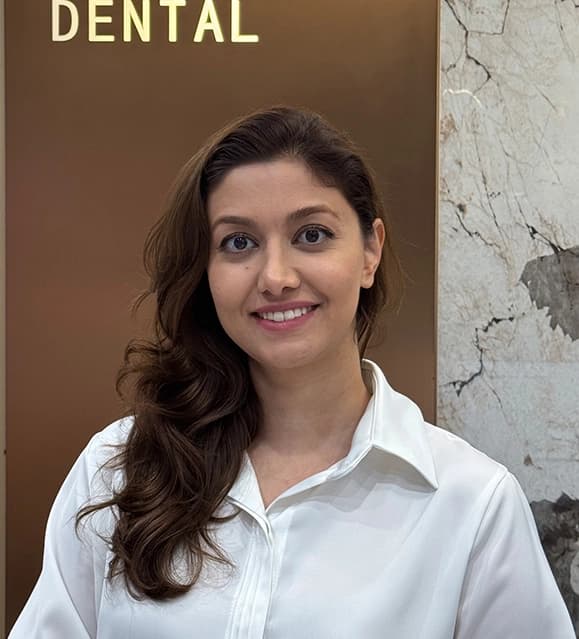
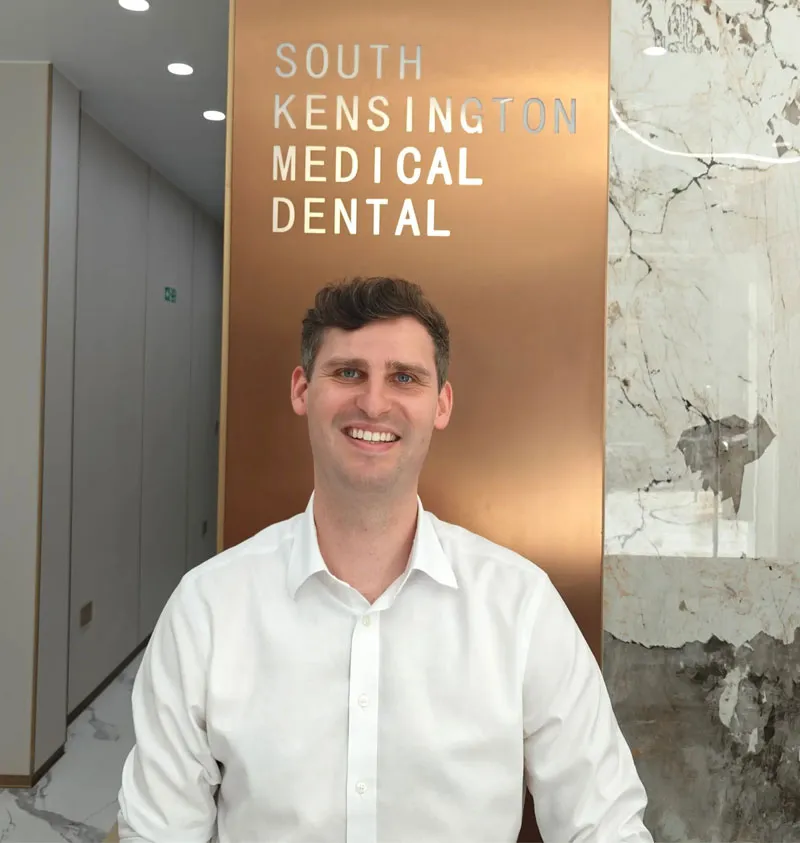
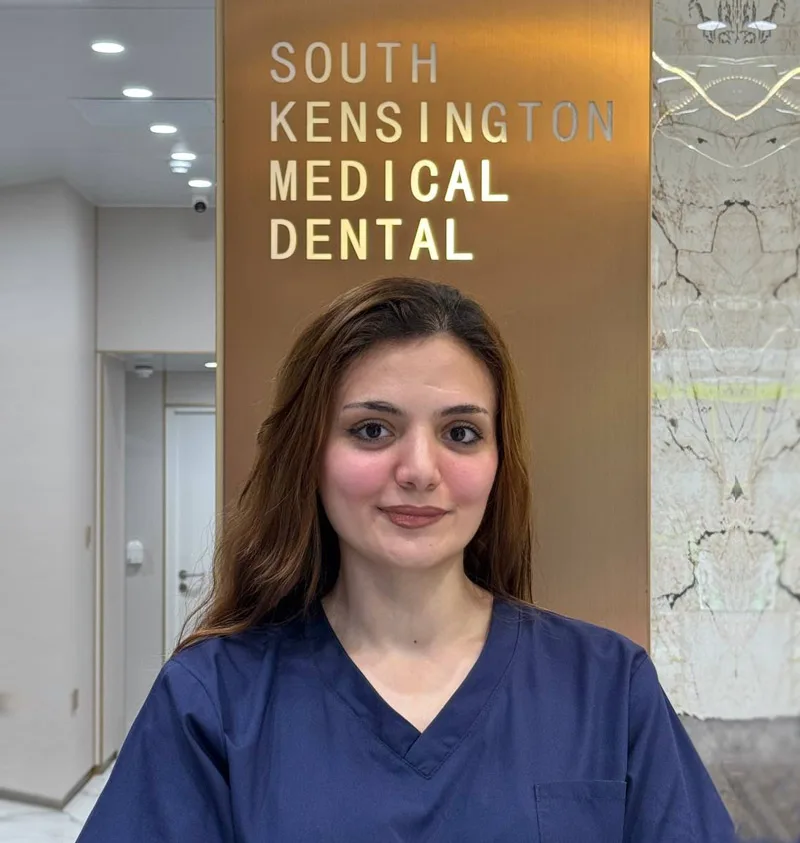
Meet Our Dental Team
Our experienced dental team is fully qualified and registered with the GDC, delivering safe, high-quality care in line with the highest professional standards.
Because our patients deserve nothing less.







Registered. Regulated. Trusted.
At South Kensington Medical & Dental, we are fully registered with the Care Quality Commission (CQC) and our clinicians are registered with the relevant UK regulatory bodies, including the GDC and GMC. Our dentists, dental nurses and medical professionals deliver care that meets the highest clinical, safety and ethical standards, because our patients deserve nothing less.

We Accept All Major Dental & Health Insurances
We work with all major UK insurers including Bupa, AXA Health, Aviva, Cigna, Vitality, WPA, Unum and Boots Dental Plan. We'll provide the receipts and paperwork you need to claim back your treatment costs.










