Concerned about a crossbite? Book an orthodontic assessment.
Crossbite: Symptoms, Causes and When to Consider Orthodontic Assessment
South Kensington, London
A crossbite is a type of malocclusion in which one or more upper teeth sit inside — rather than outside — the lower teeth when the jaw closes. It may affect the front teeth (anterior crossbite), back teeth (posterior crossbite), or both, and can involve a single tooth or several. Crossbite severity varies considerably, from a minor single-tooth discrepancy that causes no symptoms to a more significant misalignment that affects bite function, tooth wear, or jaw comfort. At our South Kensington dental practice, our dentists provide structured orthodontic assessments to evaluate crossbite teeth, identify contributing factors, and discuss whether crossbite correction may be appropriate.
Explore other bite alignment concerns we assess or read on to understand what a crossbite involves and when an orthodontic assessment may be helpful.
Concerned About a Crossbite?
Let us assess your bite and discuss suitable options
- Crossbite type identification
- Occlusal & bite analysis
- Tooth wear assessment
- Jaw movement evaluation
- Personalised treatment discussion
What Is a Crossbite?
A crossbite is a dental alignment condition in which one or more upper teeth sit inside the lower teeth — rather than outside — when the jaw closes. In a well-aligned bite, the upper teeth should slightly overlap the lower teeth on the outside. When this relationship is reversed, either at the front or the back of the mouth, it is described as a crossbite.
The condition may affect the front teeth — known as an anterior crossbite — or the back teeth, which is referred to as a posterior crossbite. It can involve a single tooth or multiple teeth, and may be present on one side of the mouth (unilateral) or both sides (bilateral).
Crossbite severity varies considerably. Some individuals have a mild crossbite that causes no discomfort and requires only monitoring, while others may experience symptoms such as uneven tooth wear, jaw discomfort, or difficulty chewing comfortably. A professional assessment is the most reliable way to evaluate the type and extent of a crossbite and to determine whether any intervention may be appropriate.
Types of Crossbite
Crossbites are classified by their location and how many teeth are involved. Understanding the type helps guide assessment and management.
Anterior Crossbite
An anterior crossbite occurs when one or more of the lower front teeth are positioned in front of the upper front teeth when biting together. This reversal of the normal bite relationship can affect the appearance of the smile, the way the front teeth meet, and in some cases the function of the bite. The severity can range from a single tooth to several teeth being affected.
Posterior Crossbite
A posterior crossbite involves the upper back teeth sitting inside — rather than outside — the lower back teeth on one or both sides. This type of crossbite can affect how the bite distributes force during chewing and may lead to uneven wear patterns over time. Posterior crossbite is one of the more common forms of malocclusion crossbite seen in both children and adults.
Unilateral vs Bilateral Crossbite
A unilateral crossbite affects one side of the mouth only, while a bilateral crossbite involves both sides. Unilateral crossbites are more common and may sometimes be associated with a functional jaw shift — where the jaw moves to one side to achieve a more comfortable biting position. The distinction between the two has implications for treatment planning.
Symptoms Associated with a Crossbite
Not all crossbites cause noticeable symptoms. However, the following signs may be associated with a crossbite and can help indicate when professional assessment may be beneficial.
Uneven Tooth Wear
When the teeth do not meet in their intended relationship, certain teeth may bear more biting force than others. Over time, this increased pressure can accelerate wear on the affected tooth surfaces, potentially leading to flattened enamel, chipping, or sensitivity.
Gum Recession in Isolated Areas
In some cases, the abnormal forces associated with a crossbite can contribute to localised gum recession around the affected teeth. This occurs because the teeth are absorbing force at an unusual angle, which may place strain on the surrounding gum tissue and bone.
Jaw Discomfort
A crossbite can lead to an asymmetrical chewing pattern, where the jaw compensates for the misaligned teeth by shifting to one side. This can create muscle strain and fatigue in the jaw, particularly after prolonged chewing, and may contribute to jaw discomfort when biting.
Facial Asymmetry (In Growing Patients)
In children and adolescents whose jaws are still developing, an uncorrected crossbite — particularly one associated with a functional jaw shift — may influence facial growth patterns over time. Early assessment allows for monitoring and, where appropriate, timely intervention.
The presence and severity of symptoms vary from person to person. A clinical assessment is needed to evaluate whether a crossbite is contributing to any concerns.
What Causes a Crossbite?
A crossbite may develop due to a combination of genetic, developmental, and environmental factors. In many cases, more than one factor is involved.
Genetic Jaw Size Differences
Inherited variations in the size and shape of the upper and lower jaws are a common contributing factor. If the upper jaw is narrower than the lower jaw, the upper teeth may sit inside the lower teeth rather than outside.
Delayed or Abnormal Tooth Eruption
If certain teeth erupt later than expected or emerge in an unusual position, they may develop into a crossbite relationship with the opposing teeth. This is particularly common with the upper canines and premolars.
Childhood Habits
Prolonged thumb sucking, dummy use, or tongue thrusting habits during childhood can influence the development of the palate and jaw, potentially contributing to a narrow upper arch and subsequent crossbite.
Narrow Upper Arch
A constricted upper jaw — whether genetic or resulting from developmental factors — may not provide sufficient width for the upper teeth to sit outside the lower teeth, leading to a posterior crossbite on one or both sides.
Tooth Shifting After Tooth Loss
When a tooth is lost and not replaced, the remaining teeth may drift or tilt into the gap over time. This gradual movement can alter the bite relationship and, in some cases, lead to a crossbite developing in an area that was previously well-aligned.
How Dentists Assess a Crossbite
A structured assessment helps determine the type, severity, and clinical significance of a crossbite. The evaluation typically includes:
Visual examination of the bite relationship with the teeth together
Occlusal analysis to identify the type and extent of the crossbite
Assessment of tooth wear patterns on the affected teeth
Evaluation of jaw movement, symmetry, and any functional shift
Radiographs or digital scans where clinically indicated
Discussion of findings and appropriate management options
Based on the findings, your dentist will discuss whether monitoring, orthodontic correction, or onward referral is appropriate.
Concerned About a Crossbite?
If you are concerned about a crossbite or notice uneven contact when chewing, an orthodontic assessment can help evaluate tooth alignment and jaw position. Book a consultation at our South Kensington clinic for a structured bite evaluation.
Crossbite Correction Options
The most appropriate approach to crossbite treatment depends on the type, severity, and the patient’s individual circumstances. Common options include:
Orthodontic Treatment
Orthodontic approaches — including braces, clear aligners, and gradual arch expansion where suitable — are the most common methods for correcting a crossbite. The specific approach depends on the type and severity of the crossbite, the number of teeth involved, and the patient's overall dental health and preferences.
Early Orthodontic Intervention (For Younger Patients)
In children and adolescents, interceptive orthodontic treatment may be considered where a crossbite is identified during the developing dentition stage. Early intervention — where clinically appropriate — may help guide jaw growth and tooth positioning before the bite relationship becomes more established.
Monitoring
If the crossbite is mild, involves a single tooth, and is not causing any symptoms or complications, your dentist may recommend monitoring with periodic review. Not all crossbites require active treatment, and observation allows for timely intervention if changes occur.
Our orthodontics team can discuss the most suitable crossbite correction approach based on your clinical findings. For patients interested in a discreet option, clear aligners may be considered where the crossbite pattern is suitable. Where tooth wear or structural damage has already occurred, our restorative dentistry services may also form part of the overall management plan.
Can a Crossbite Affect Jaw Function?
A crossbite can alter how biting forces are distributed across the teeth and jaw, potentially contributing to muscle imbalance. When the jaw compensates for misaligned teeth by shifting to one side during chewing, this asymmetrical pattern may place uneven strain on the jaw muscles and temporomandibular joint.
In some cases, patients with a significant crossbite may experience symptoms that overlap with temporomandibular disorder (TMD) — including jaw clicking, limited opening, or muscle fatigue. It is important to note, however, that TMD can have multiple contributing factors, and a crossbite is not always the primary cause.
A structured assessment helps determine whether the crossbite is contributing to any jaw symptoms and whether bite correction, joint management, or a combination of approaches may be appropriate. If you are experiencing jaw joint symptoms, our TMJ assessment and treatment pathway can help evaluate these factors together.
When Should You Consider an Orthodontic Consultation?
Consider booking an assessment if you notice any of the following:
Teeth do not align properly when biting together
Chewing feels uneven or you notice you favour one side
Tooth wear appears to be increasing on certain teeth
Jaw discomfort or muscle fatigue develops
You are exploring clear aligner or orthodontic options
Frequently Asked Questions
About crossbite and orthodontic assessment
Book an Orthodontic Assessment in South Kensington
A crossbite can vary in severity, and not all cases require immediate treatment. However, if symptoms or alignment concerns are present, an orthodontic assessment can help determine suitable options.
Our dental team in South Kensington provides structured bite evaluations and orthodontic consultations tailored to individual needs. Book your appointment to have your bite assessed and discuss appropriate next steps.
Open Monday–Sunday • 2 mins from South Kensington tube
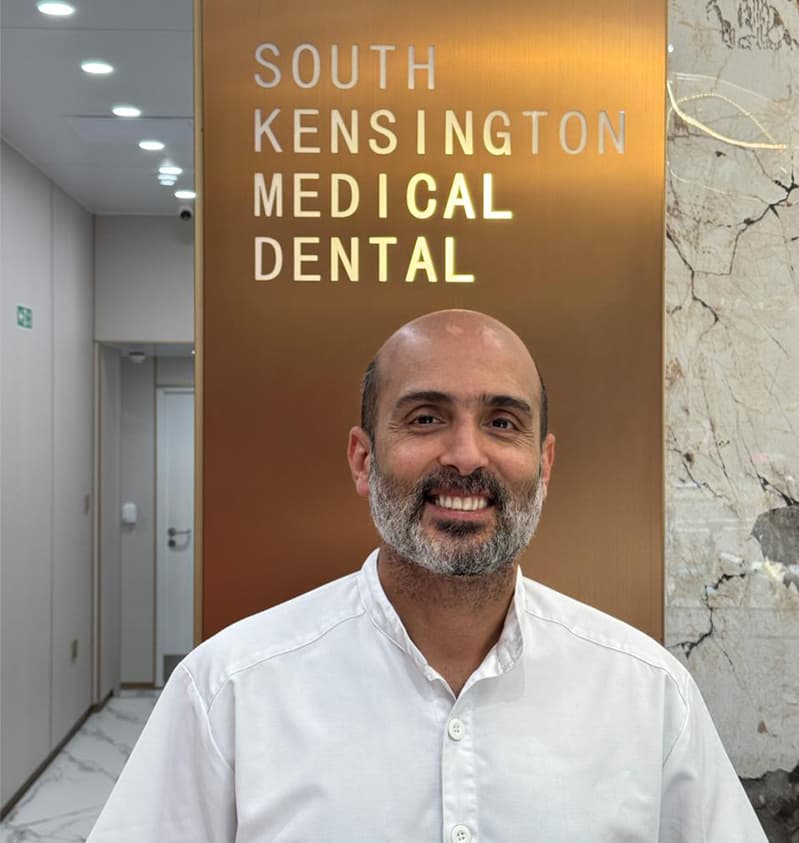
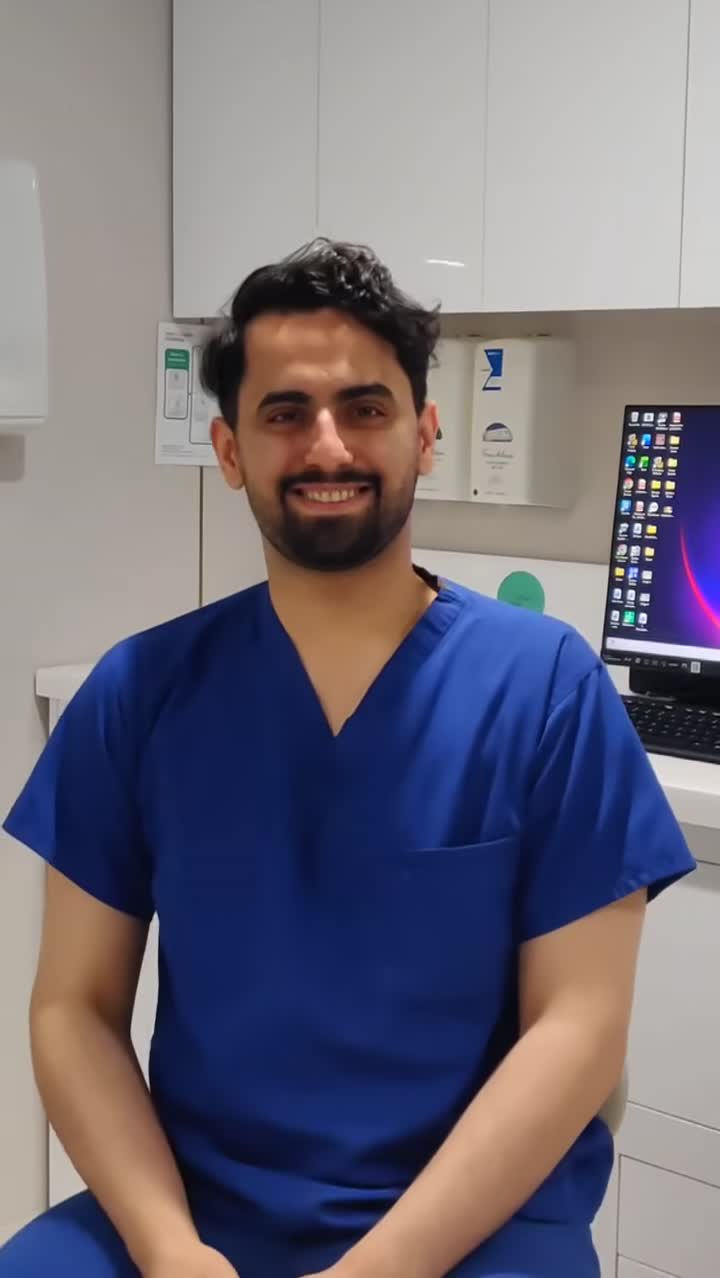
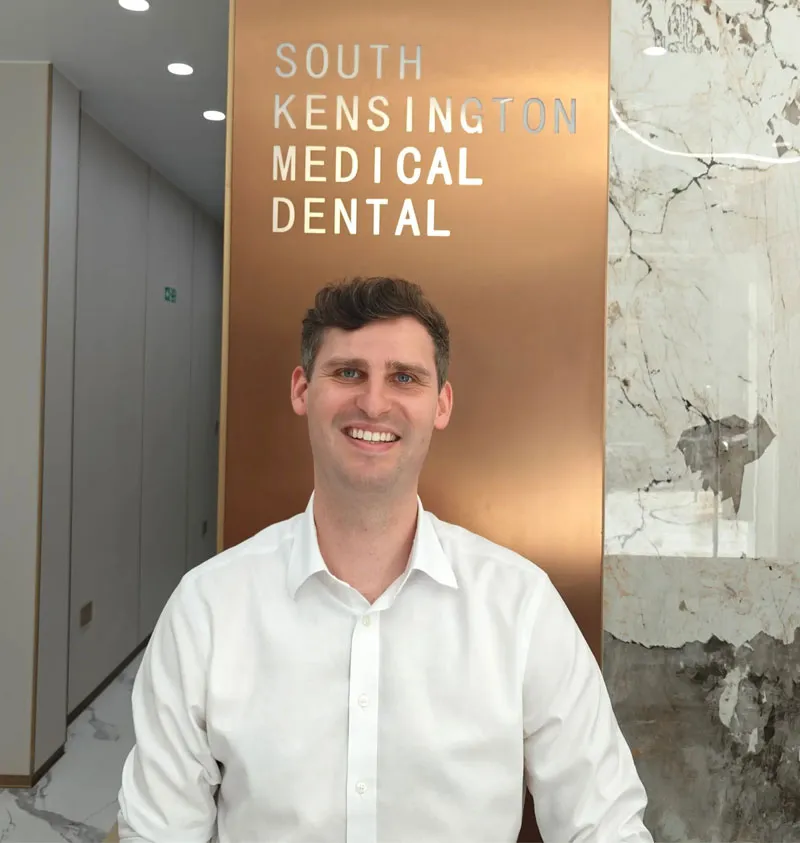
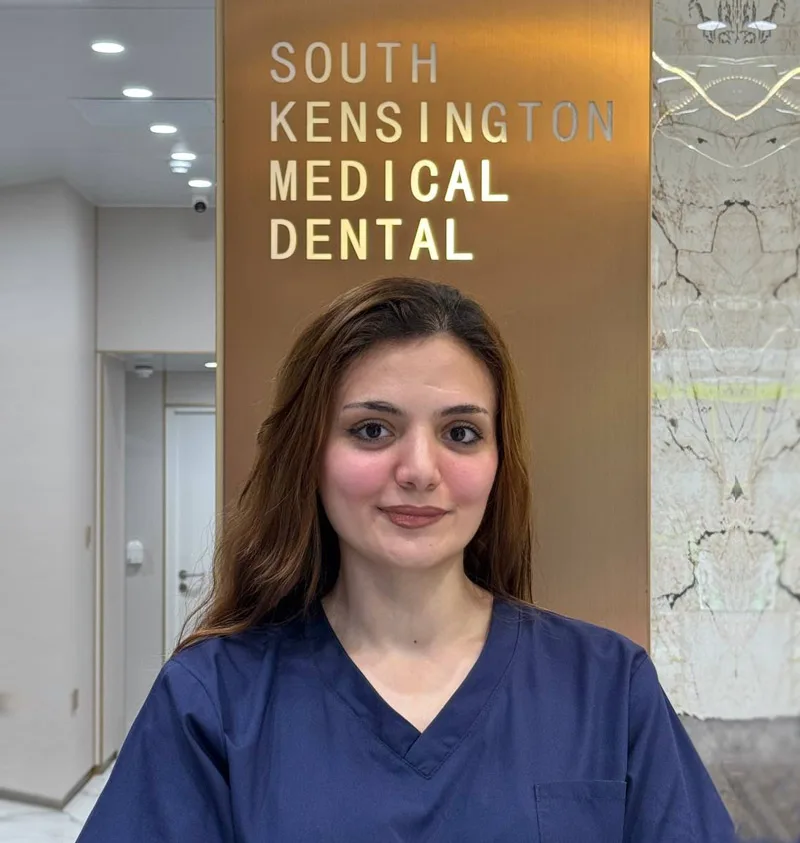
Meet Our Dental Team
Our experienced dental team is fully qualified and registered with the GDC, delivering safe, high-quality care in line with the highest professional standards.
Because our patients deserve nothing less.










Registered. Regulated. Trusted.
At South Kensington Medical & Dental, we are fully registered with the Care Quality Commission (CQC) and our clinicians are registered with the relevant UK regulatory bodies, including the GDC and GMC. Our dentists, dental nurses and medical professionals deliver care that meets the highest clinical, safety and ethical standards, because our patients deserve nothing less.

We Accept All Major Dental & Health Insurances
We work with all major UK insurers including Bupa, AXA Health, Aviva, Cigna, Vitality, WPA, Unum and Boots Dental Plan. We'll provide the receipts and paperwork you need to claim back your treatment costs.










