Experiencing pain when biting? Book an assessment today.
Cracked Tooth Syndrome – Symptoms & Treatment in London
South Kensington, London
Cracked tooth syndrome is a condition in which an incomplete fracture develops in a tooth, often without being visible to the naked eye. It typically causes sharp pain when biting or a distinctive discomfort when releasing bite pressure. Because the crack may be too fine to appear on standard X-rays, professional assessment is essential for accurate identification. At our South Kensington dental practice we use a combination of clinical examination, digital imaging, and bite testing to evaluate suspected cracks and recommend appropriate treatment.Explore the dental conditions we treat or read on to learn more about cracked tooth syndrome.
Suspect a Cracked Tooth?
Early assessment can help preserve your tooth
- Thorough clinical examination
- Bite testing & transillumination
- Digital X-rays where appropriate
- Clear explanation of findings
- Discussion of treatment options
What Is Cracked Tooth Syndrome?
Cracked tooth syndrome refers to an incomplete fracture in a vital (living) tooth that involves the dentine and occasionally extends towards the pulp. The crack is often too small to be seen on X-rays and may even be hidden beneath a restoration.
The condition most commonly affects the back teeth — premolars and molars — because they absorb the greatest force during chewing. The fracture line may run vertically through the crown of the tooth, sometimes extending below the gum line into the root.
Symptoms tend to be intermittent, appearing only when the crack opens momentarily under biting pressure and then subsides once the pressure is released. This can make the condition frustrating for patients and challenging to diagnose without dedicated testing.
Common Symptoms of a Cracked Tooth
Tooth crack symptoms can vary in intensity and frequency. You may experience one or several of the following:
What Causes a Tooth to Crack?
Several factors may contribute to the development of a hairline crack in a tooth.
Biting on Hard Foods
Chewing ice, hard sweets, or unpopped popcorn kernels can place excessive force on a tooth, potentially initiating a hairline crack.
Teeth Grinding (Bruxism)
Habitual clenching or grinding, especially during sleep, subjects teeth to sustained pressure that may lead to fracture lines over time.
Large Fillings
A tooth with a large existing restoration has less natural structure remaining, which can make it more vulnerable to cracking under normal biting forces.
Trauma or Accidental Impact
A blow to the face during sport or a fall can cause an incomplete fracture, sometimes without immediate symptoms.
Age-Related Wear
Years of normal function gradually weaken enamel and dentine, meaning teeth may become more susceptible to cracking in later life.
Why Cracked Tooth Syndrome Can Be Difficult to Diagnose
Unlike a visible break, a cracked tooth often presents no obvious external signs. Diagnosing the condition requires careful clinical investigation.
- The crack may be microscopic and invisible to the naked eye
- Standard X-rays may not always reveal fine fracture lines
- Symptoms can mimic sinus pain, nerve irritation, or referred discomfort
- Bite testing and transillumination are often required to locate the crack
Experiencing Pain When Biting?
If you notice sharp pain when chewing or releasing pressure, our dentists in South Kensington can carry out a detailed examination and appropriate imaging to identify the cause.
How We Assess a Suspected Cracked Tooth
When you visit our South Kensington clinic with symptoms suggestive of a cracked tooth, our dentists follow a structured assessment process:
Thorough clinical examination of the affected tooth and surrounding area
Bite testing using a specially designed instrument to isolate individual cusps
Transillumination — shining a focused light through the tooth to highlight fracture lines
Digital X-rays where clinically appropriate
Full discussion of findings and next steps with you
No single test can guarantee detection of every crack. Our approach combines multiple methods to provide the most thorough evaluation possible.
Treatment Options for Cracked Tooth Syndrome
The recommended treatment depends on the severity, location, and extent of the crack.
Dental Restoration
Where the crack is small and confined to the outer structure of the tooth, a direct restoration may be sufficient. This can involve replacing a failing filling or bonding the tooth to stabilise the crack and prevent further propagation.
Learn more about white fillings at our South Kensington practice.
Dental Crown
A dental crown encases the entire visible portion of the tooth, holding it together and protecting it from further damage. Crowns help distribute biting forces evenly, which may reduce the risk of the crack extending.
Dental crown treatment is often the preferred option when the crack is significant but the tooth root remains intact.
Root Canal Treatment (If the Pulp Is Affected)
If the crack extends into the pulp chamber — the innermost part of the tooth containing nerves and blood vessels — infection or inflammation may develop. Root canal treatment removes the affected tissue and seals the tooth, typically followed by a crown to restore strength.
Root canal treatment is only recommended when the nerve of the tooth has been compromised.
Tooth Extraction (If the Crack Extends Deeply)
In cases where the fracture extends below the gum line into the root, the tooth may not be restorable. Extraction is considered a last resort, and our approach always prioritises preservation of natural teeth wherever clinically possible. If extraction is necessary, we will discuss replacement options with you.
Can a Cracked Tooth Heal on Its Own?
Unlike bone, tooth enamel does not have the ability to regenerate. Once a crack has formed, it will not repair itself naturally.
Small hairline cracks that affect only the outer enamel — sometimes called craze lines — may not cause any symptoms and may not require treatment. However, they should be monitored at routine dental examinations.
Cracks that extend into the dentine or towards the pulp are more likely to worsen over time, particularly if the tooth is subjected to continued biting forces. Seeking professional assessment sooner rather than later allows for more conservative treatment options.
Preventing Cracked Teeth
While not every crack can be prevented, there are sensible steps you can take to reduce your risk:
Wear a night guard if you grind your teeth
A custom-fitted occlusal splint protects teeth from the damaging effects of bruxism. Read more about teeth grinding treatment.
Avoid biting on hard objects
Ice, pen caps, hard sweets, and unpopped popcorn kernels are common culprits.
Attend routine dental examinations
Regular check-ups allow your dentist to monitor existing restorations and identify early signs of weakness before a crack develops.
Frequently Asked Questions
About cracked tooth syndrome and treatment
Book a Cracked Tooth Assessment in South Kensington
If you are experiencing pain when biting or suspect a cracked tooth, our experienced dental team can provide careful assessment and discuss appropriate treatment options.
Open Monday–Sunday • 2 mins from South Kensington tube
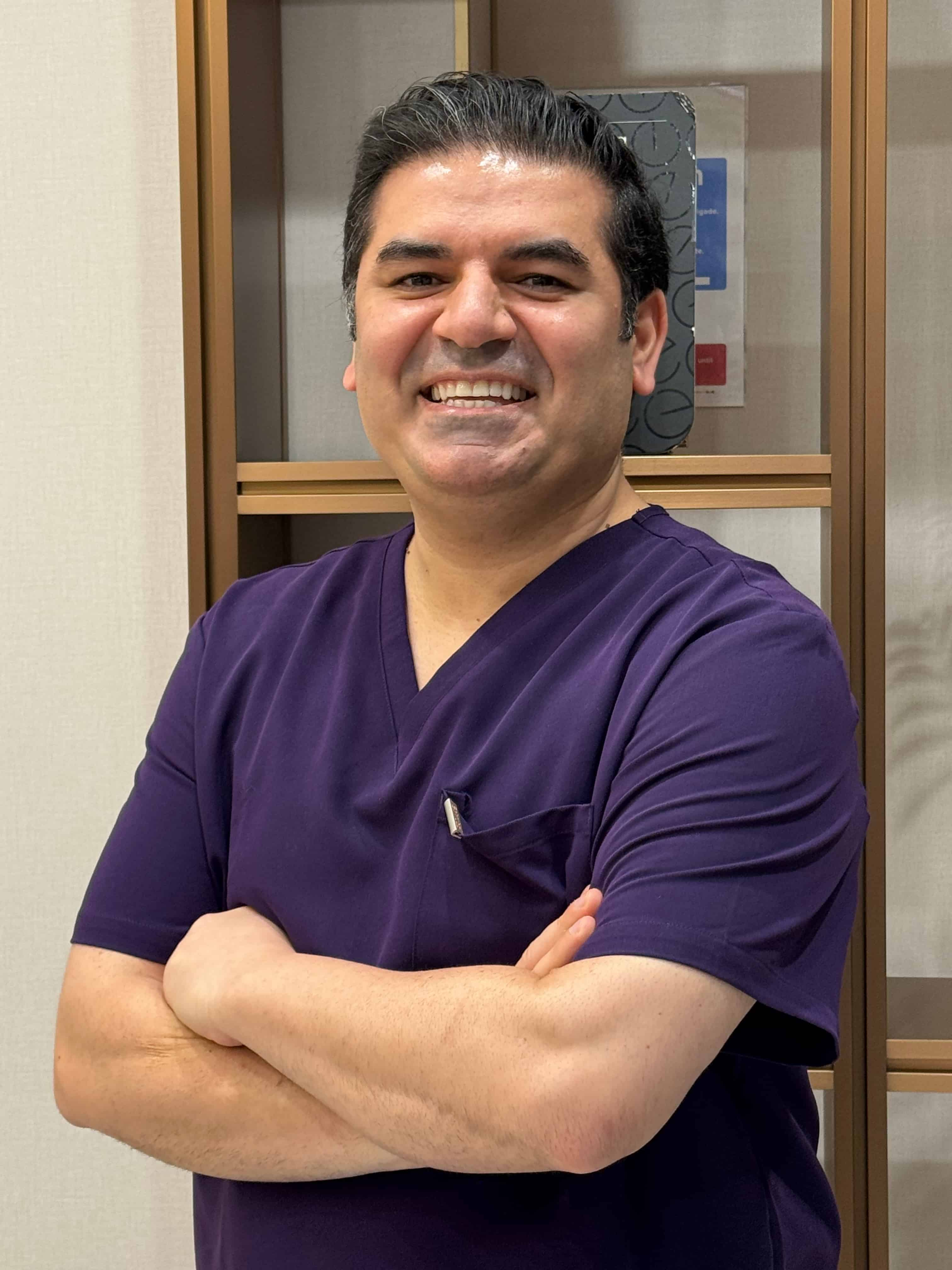
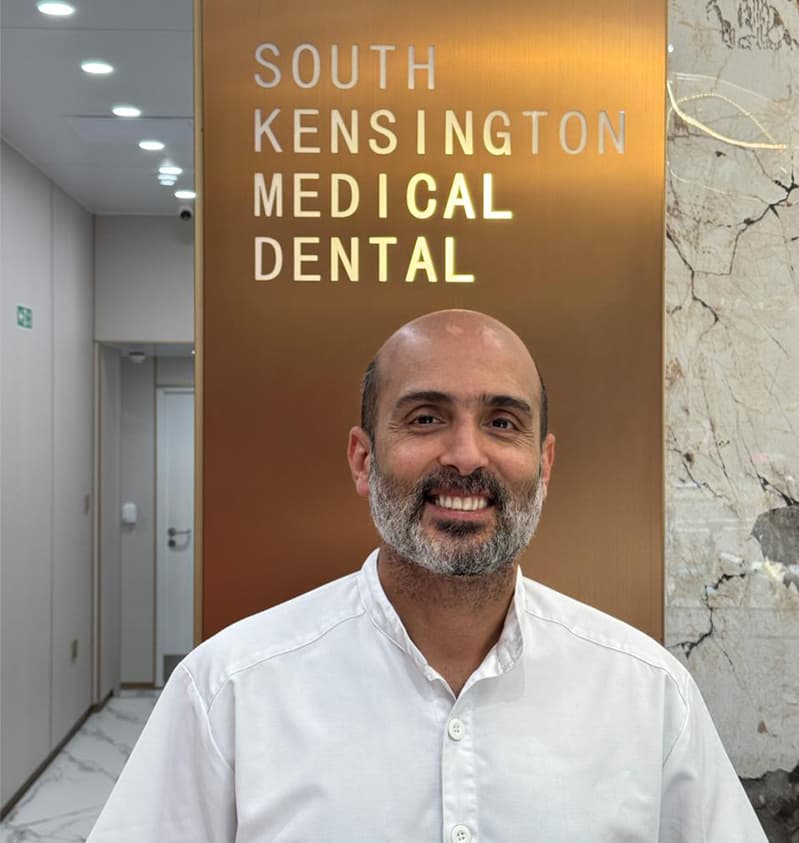
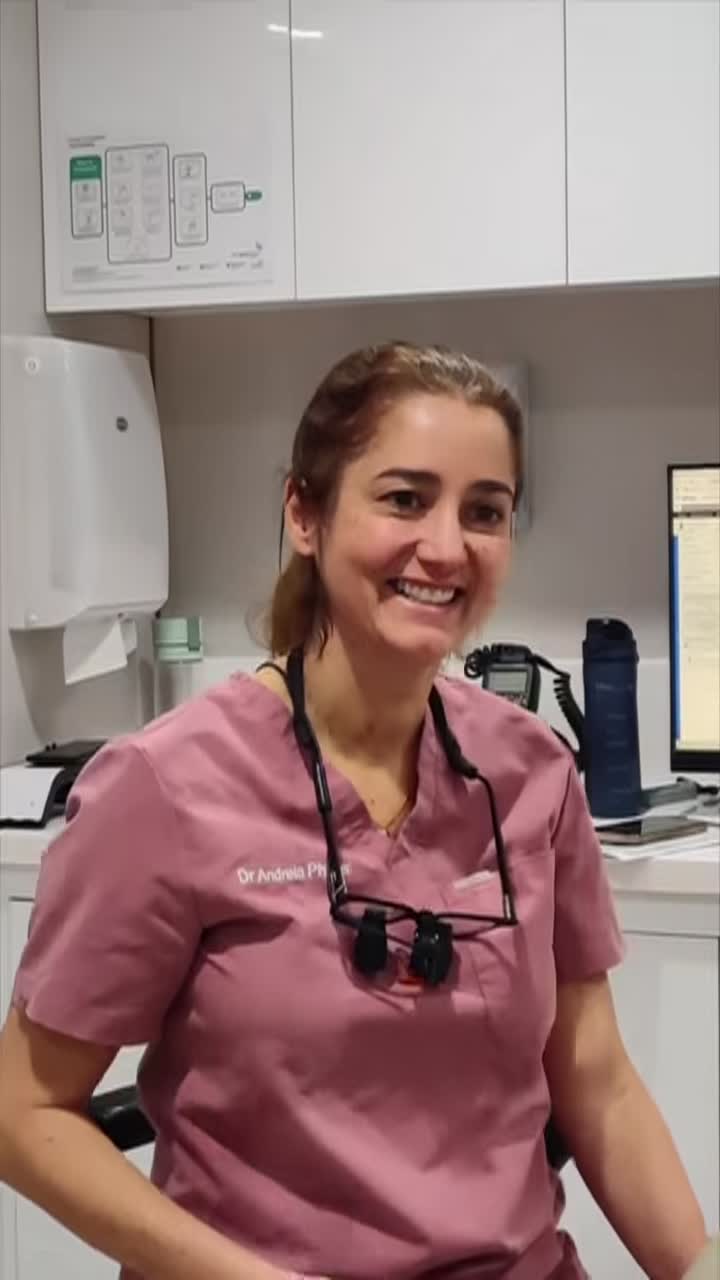
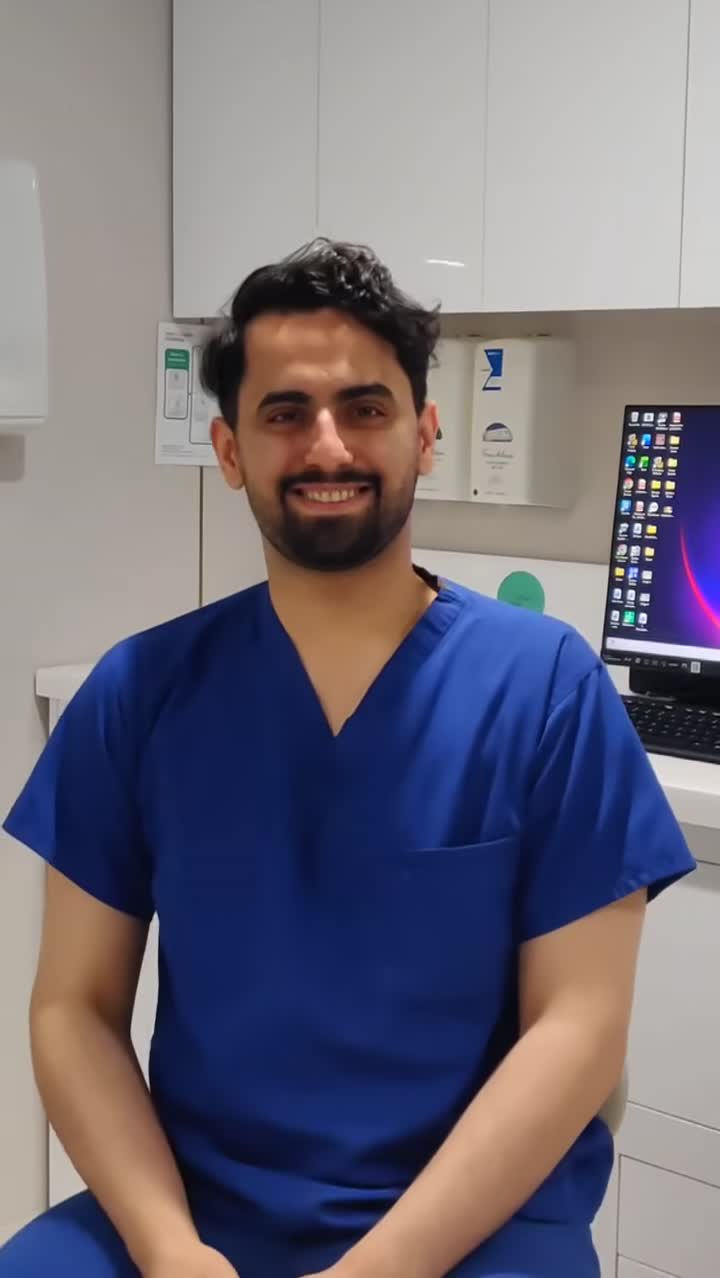
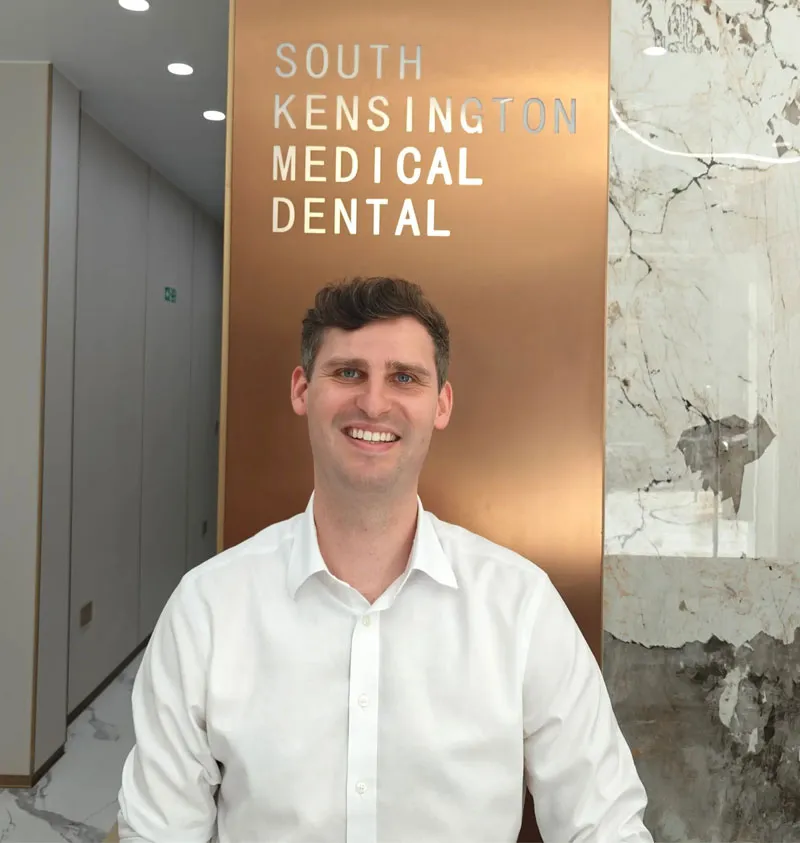
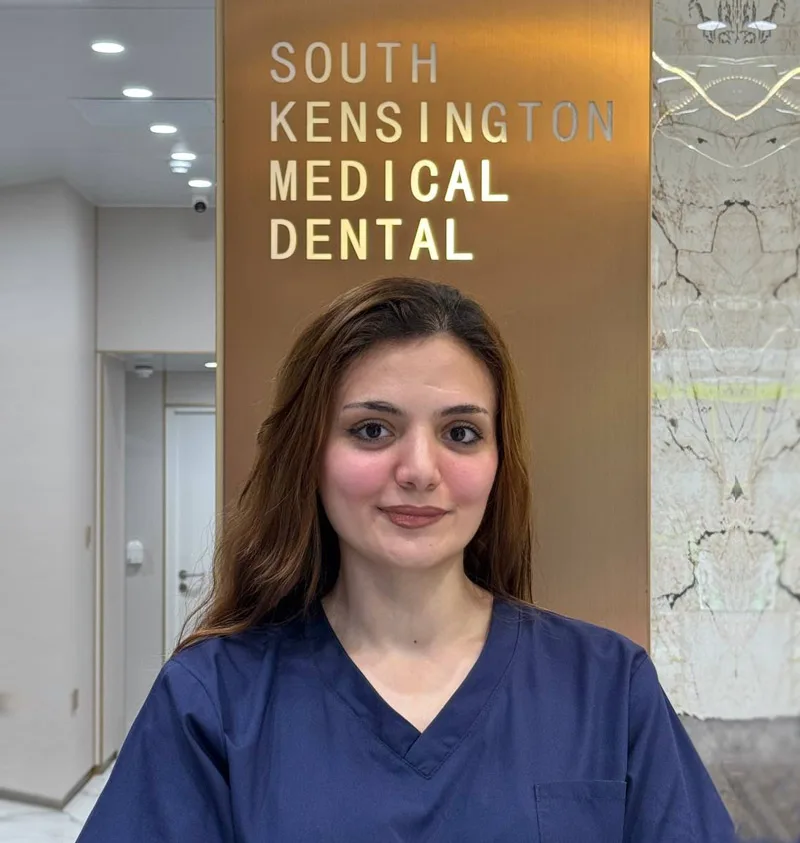
Meet Our Dental Team
Our experienced dental team is fully qualified and registered with the GDC, delivering safe, high-quality care in line with the highest professional standards.
Because our patients deserve nothing less.








Registered. Regulated. Trusted.
At South Kensington Medical & Dental, we are fully registered with the Care Quality Commission (CQC) and our clinicians are registered with the relevant UK regulatory bodies, including the GDC and GMC. Our dentists, dental nurses and medical professionals deliver care that meets the highest clinical, safety and ethical standards, because our patients deserve nothing less.

We Accept All Major Dental & Health Insurances
We work with all major UK insurers including Bupa, AXA Health, Aviva, Cigna, Vitality, WPA, Unum and Boots Dental Plan. We'll provide the receipts and paperwork you need to claim back your treatment costs.










