Chipped a tooth? Book an assessment today.
Chipped Tooth
South Kensington, London
A chipped tooth can range from a barely noticeable surface irregularity to a more significant fracture that affects both the appearance and function of the tooth. While small chips may seem like a purely cosmetic concern, even minor damage can sometimes involve deeper layers of the tooth or leave sharp edges that irritate the soft tissues. Whether the chip is on a front tooth or a back tooth, a professional assessment helps determine the extent of the damage and the most appropriate way to address it. At our South Kensington dental practice, our dentists provide a thorough clinical examination and a clear discussion of restorative and cosmetic options suited to your individual situation.
Explore the full range of dental conditions we treat or read on to understand the causes of a chipped tooth and how it can be repaired.
Concerned About a Chipped Tooth?
We can assess the damage and discuss your options
- Thorough clinical examination
- Cosmetic and functional assessment
- Composite bonding available
- Clear explanation of findings
- Personalised treatment plan
What Is a Chipped Tooth?
A chipped tooth is a small fracture of the tooth surface, typically affecting the outer enamel layer. Unlike a larger break, a chip usually involves a relatively small piece of tooth structure and may not always cause significant pain or discomfort.
Chips can affect both front and back teeth, though a chipped front tooth is often more noticeable and of greater cosmetic concern. While many chips are limited to the enamel, some may extend into the dentine — the softer layer beneath — which can increase sensitivity and the potential for further damage.
Even a small chipped tooth that appears minor on the surface may warrant professional evaluation. A clinical examination helps confirm the depth and extent of the chip, ensuring that any underlying damage is identified and that the most appropriate treatment approach is recommended.
Common Causes of a Chipped Tooth
Understanding how a chip occurred can help guide treatment and inform preventive measures.
Accidental Trauma
Falls, knocks, and sports injuries are common causes of chipped teeth — particularly front teeth, which are more exposed. Even a relatively minor bump can chip the enamel if the force is concentrated on a small area.
Biting Hard Foods
Biting down on unexpectedly hard items — such as ice, boiled sweets, olive stones, or popcorn kernels — can chip a tooth, especially if the enamel is already weakened or the tooth has a pre-existing restoration.
Teeth Grinding (Bruxism)
Habitual clenching or grinding wears down the enamel over time and places excessive force on the teeth. This can make them more susceptible to chipping, particularly along the biting edges of the front teeth.
Weakened Enamel
Enamel can become weakened by acid erosion from dietary acids or gastric reflux, making the tooth surface thinner and more vulnerable to chipping under normal biting forces.
Large Existing Fillings
Teeth with large fillings have less natural tooth structure remaining. The surrounding enamel may become unsupported and more prone to chipping or fracturing over time.
Symptoms That May Accompany a Chipped Tooth
Depending on the size and location of the chip, you may notice one or more of the following:
A small chip may not cause any noticeable symptoms at all. If you are unsure whether a tooth has been damaged, a dental examination can provide clarity.
When Should You See a Dentist?
It is generally advisable to have a chipped tooth assessed to confirm its extent and prevent potential complications:
A visible chip or change to a tooth
Even a small chip is worth having assessed to confirm it is limited to the enamel and does not involve deeper tooth structure.
Persistent sensitivity
Ongoing sensitivity to temperature or sweet foods may indicate the chip extends beyond the outer enamel layer.
Pain when chewing
Discomfort when biting can suggest the chip has affected the tooth structure in a way that needs attention.
A sharp edge causing irritation
A rough or jagged edge can repeatedly catch on the tongue, lip, or cheek, causing discomfort or small cuts that are best addressed promptly.
A chip following trauma or impact
If the chip resulted from a knock or fall, it is advisable to have the tooth assessed to check for any less visible damage beneath the surface.
Concerned About a Chipped Tooth?
If you have noticed a chipped or uneven tooth, our dentists in South Kensington can provide a thorough examination and discuss suitable restorative or cosmetic options.
How We Assess a Chipped Tooth
When you attend our clinic with a chipped tooth, our dentists carry out a structured assessment to understand the full extent of the damage:
Clinical examination of the chipped tooth and surrounding structures
Evaluation of the depth of the chip — whether it is limited to enamel or involves dentine
Digital X-rays if a deeper fracture or root involvement is suspected
Bite assessment to check for occlusal issues
Cosmetic evaluation for front teeth — assessing shape, symmetry, and shade
Based on the findings, your dentist will recommend the most appropriate treatment — whether cosmetic, functional, or both.
Treatment Options for a Chipped Tooth
The most suitable small chipped tooth repair depends on the size, location, and depth of the chip, as well as whether the priority is cosmetic, functional, or both.
Composite Bonding
Composite bonding is one of the most frequently used treatments for a chipped tooth, particularly when the chip affects a front tooth. A tooth-coloured composite resin is carefully applied, shaped, and polished to restore the natural contour of the tooth. The procedure is minimally invasive — typically preserving all of the remaining healthy tooth structure — and can often be completed in a single appointment. Tooth bonding for a chipped tooth provides a discreet, functional repair that blends with the surrounding teeth.
Tooth-Coloured Restoration
When a chip is slightly larger or involves structural damage that requires reinforcement, a white filling may be placed to restore the tooth’s strength and shape. This approach uses tooth-coloured composite material and is suitable for chips on both front and back teeth where additional structural support is needed.
Cosmetic Contouring
For very small chips where the enamel edge is slightly uneven or rough, cosmetic tooth contouring may be appropriate. This conservative approach involves gently reshaping and smoothing the enamel to improve the tooth’s appearance without adding any material. It is best suited to minor irregularities where sufficient enamel thickness remains.
Dental Crown (For Larger Damage)
In cases where a chip is larger or the tooth has been significantly weakened, a dental crown may be recommended. A crown covers and protects the entire visible portion of the tooth, restoring its shape, strength, and appearance. This option is typically considered when bonding or a filling alone would not provide adequate long-term protection.
Can a Small Chipped Tooth Be Left Untreated?
A very minor chip that is limited to the enamel surface and does not cause pain, sensitivity, or sharp edges may not require immediate treatment. However, it is still advisable to have it assessed so that your dentist can confirm it is superficial and monitor it at future check-ups.
Sharp or rough edges left by a chip can irritate the tongue, lips, or cheeks and may cause small cuts or ulcers in the soft tissues. Additionally, a chipped area can collect plaque more easily, potentially increasing the risk of decay in that spot over time.
In some cases, what appears to be a small surface chip may actually involve a fine crack extending deeper into the tooth. These micro-cracks can gradually worsen under normal biting forces, potentially leading to a larger fracture later. A professional assessment helps rule out any hidden damage.
Cosmetic vs Functional Repair – What’s the Difference?
When repairing a chipped tooth, the treatment approach depends on whether the primary concern is cosmetic, functional, or a combination of both.
Cosmetic repair focuses on restoring the appearance of the tooth — its shape, contour, and colour match with the surrounding teeth. This is particularly important for a chipped front tooth, where even a small irregularity can be noticeable. Composite bonding and cosmetic contouring are common approaches in this category.
Functional repair focuses on restoring the tooth’s structural integrity and bite function. This is more relevant when the chip has weakened the tooth or affects how it meets the opposing teeth. A white filling or dental crown may be more appropriate in these situations.
In many cases, both goals are addressed together — restoring a chipped tooth to look natural while also ensuring it functions correctly under normal biting forces. Your dentist will discuss the best approach for your individual situation.
Preventing Future Chips
While not all chips can be avoided, the following measures can help reduce your risk:
Avoid biting hard objects
Be mindful when eating foods with hard shells, stones, or bones. Avoid chewing ice, pen caps, or other non-food items that can chip the enamel.
Wear a mouthguard during sports
A custom-fitted mouthguard provides effective protection for your teeth during contact sports and physical activities where impacts are possible.
Use a night guard if you grind your teeth
If you clench or grind your teeth, a night guard can help protect against chips and enamel wear. Learn more about our teeth grinding treatment options.
Attend routine dental check-ups
Regular examinations allow your dentist to identify early signs of enamel wear, weakened tooth structure, or failing restorations before they lead to a chip.
Frequently Asked Questions
About chipped tooth assessment and repair
Book a Chipped Tooth Assessment in South Kensington
If you have chipped a tooth or noticed cosmetic changes, our experienced dental team can provide careful assessment and discuss suitable treatment options.
Open Monday–Sunday • 2 mins from South Kensington tube
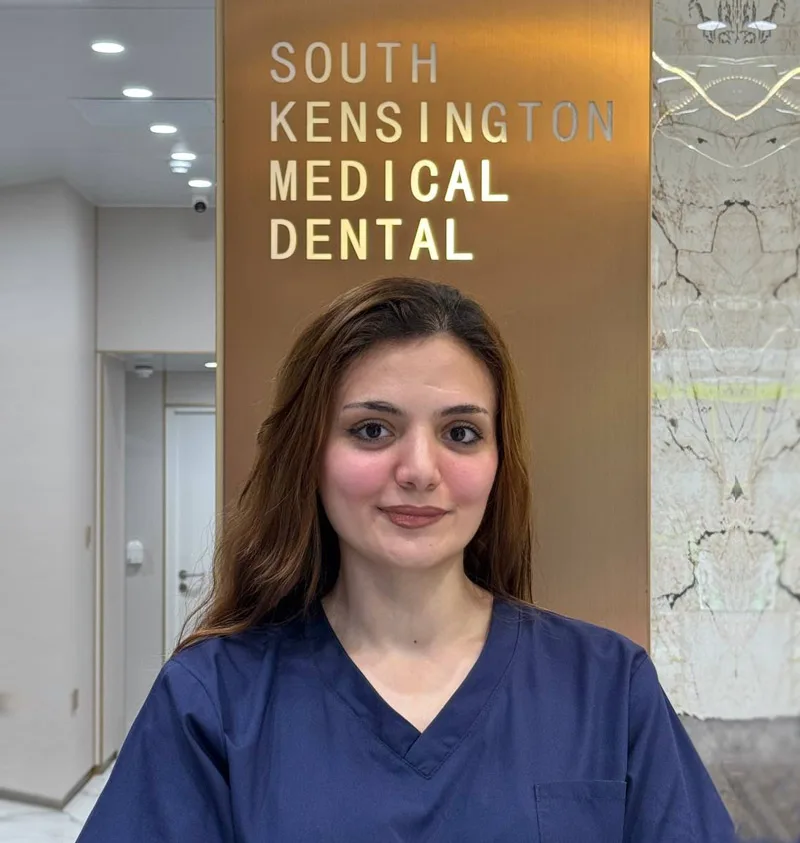
Meet Our Dental Team
Our experienced dental team is fully qualified and registered with the GDC, delivering safe, high-quality care in line with the highest professional standards.
Because our patients deserve nothing less.









Registered. Regulated. Trusted.
At South Kensington Medical & Dental, we are fully registered with the Care Quality Commission (CQC) and our clinicians are registered with the relevant UK regulatory bodies, including the GDC and GMC. Our dentists, dental nurses and medical professionals deliver care that meets the highest clinical, safety and ethical standards, because our patients deserve nothing less.


We Accept All Major Dental & Health Insurances
We work with all major UK insurers including Bupa, AXA Health, Aviva, Cigna, Vitality, WPA, Unum and Boots Dental Plan. We'll provide the receipts and paperwork you need to claim back your treatment costs.










