Broken a tooth? Book an emergency assessment today.
Broken Tooth
South Kensington, London
A broken tooth involves significant structural damage that goes beyond a minor chip — it may expose the inner layers of the tooth, cause sharp pain, or leave you with noticeable sensitivity to temperature and pressure. Whether caused by an accident, biting on something hard, or weakened tooth structure, a broken tooth requires prompt professional assessment. At our South Kensington dental practice, our dentists provide a thorough clinical examination, digital imaging where appropriate, and a clear discussion of stabilisation and restorative options tailored to your situation.
Explore the full range of dental conditions we treat or read on to understand the causes of a broken tooth and how it can be treated.
Broken a Tooth?
We can assess the damage and discuss your options
- Thorough clinical examination
- Digital X-rays where needed
- Emergency stabilisation
- Clear explanation of findings
- Personalised treatment plan
What Is a Broken Tooth?
A broken tooth refers to a fracture that involves a significant portion of the tooth structure — typically extending beyond the outer enamel and into the underlying dentine. In more severe cases, the break may expose the pulp, which is the inner chamber of the tooth containing nerves and blood vessels.
A broken tooth is distinct from a minor chip. While a small chip may affect only the surface enamel and cause little discomfort, a broken tooth often involves a larger section of the tooth, produces noticeable pain or sensitivity, and may leave sharp edges that irritate the tongue or cheek.
Fractures can occur above or near the gum line and may affect both front and back teeth. The severity of broken tooth pain depends on the depth and location of the break — a half broken tooth with exposed dentine or pulp will typically cause more discomfort than a superficial fracture limited to the enamel.
Common Causes of a Broken Tooth
Understanding what led to the break can help guide both treatment and prevention of future damage.
Trauma or Accidents
Falls, sports injuries, and direct impact to the face are among the most common causes of a broken tooth. The force of sudden trauma can fracture even a healthy tooth, particularly front teeth that are more exposed.
Biting Hard Objects
Biting down on unexpected hard objects — such as olive stones, ice, popcorn kernels, or hard sweets — can concentrate force on a single point and cause a tooth to fracture.
Large Existing Fillings
Teeth with large fillings have less natural tooth structure remaining, which can weaken them over time. The surrounding enamel may eventually crack or break away, especially under normal biting forces.
Untreated Tooth Decay
Dental decay progressively weakens tooth structure from within. As the cavity grows, the remaining enamel and dentine become more fragile and susceptible to fracture during everyday use.
Teeth Grinding (Bruxism)
Habitual clenching or grinding places repeated excessive force on the teeth, which can lead to micro-cracks that develop into full fractures over time. This is particularly common in patients who grind during sleep.
Symptoms of a Broken Tooth
You may notice one or more of the following signs if you have a broken tooth:
These signs should prompt a dental assessment. Only a clinical examination can determine the extent of the fracture and the most appropriate treatment.
When Is a Broken Tooth a Dental Emergency?
While any broken tooth warrants professional assessment, the following situations may require more urgent attention:
Severe or persistent pain
Intense pain that does not settle may indicate the nerve inside the tooth has been exposed or damaged.
Bleeding that does not stop
Ongoing bleeding from the tooth or surrounding gum may require urgent clinical assessment.
Exposed nerve or pulp tissue
If you can see a pink or red area within the broken tooth, the pulp may be exposed and requires prompt professional attention.
Facial swelling
Swelling of the cheek, jaw, or face may indicate infection and should be assessed without delay.
Trauma involving other injuries
If the broken tooth resulted from an accident involving head injury or other trauma, broader medical assessment may be appropriate.
Important: If there is significant facial trauma or difficulty breathing, seek urgent medical care (A&E) immediately. For dental-specific concerns, an emergency dental appointment is the most appropriate route.
Broken a Tooth?
If you have damaged a tooth or are experiencing pain, our South Kensington dentists can provide an urgent clinical assessment and stabilise the area where necessary.
How We Assess a Broken Tooth
When you attend our clinic with a broken tooth, our dentists follow a structured process to determine the extent of the damage and plan appropriate treatment:
Clinical examination of the broken tooth and surrounding structures
Evaluation of fracture depth and extent of damage
Digital X-rays where appropriate to assess the root and surrounding bone
Bite assessment to check for occlusal issues
Discussion of treatment options and next steps
The outcome of this assessment will determine whether the tooth can be restored or whether alternative treatment is required. Our approach always prioritises preservation of natural teeth wherever clinically possible.
Emergency Stabilisation Options
If definitive treatment cannot be completed immediately, we can stabilise the broken tooth to protect it and manage your comfort:
Temporary protective covering
A temporary material may be placed over the broken area to protect the exposed tooth structure and reduce sensitivity until definitive treatment can be carried out.
Smoothing sharp edges
If the broken edge is sharp and causing irritation to the tongue, cheek, or lip, it can be carefully smoothed to improve comfort.
Pain management guidance
Your dentist can advise on appropriate pain relief and care instructions to manage discomfort before your next appointment.
Planning definitive restoration
Once the area has been stabilised, your dentist will discuss the most suitable long-term treatment based on the type and severity of the fracture.
Treatment Options for a Broken Tooth
The most suitable treatment depends on the size, location, and severity of the fracture, as well as the condition of the remaining tooth structure.
Tooth-Coloured Restoration
When sufficient natural tooth structure remains, a white filling using composite resin can effectively restore the broken area. The material is carefully matched to the shade of your natural tooth, providing a functional and discreet repair for smaller fractures.
Dental Crown
For larger fractures where a filling alone may not provide adequate strength, a dental crown is often the most appropriate option. A dental crown for a broken tooth restores the shape, strength, and appearance of the damaged tooth. It fits over the remaining structure like a cap, protecting the weakened tooth and enabling normal function.
Root Canal Treatment (If Pulp Is Affected)
If the fracture has exposed or damaged the nerve inside the tooth, or if infection develops, root canal treatment may be necessary. This procedure involves removing the infected or damaged pulp tissue, cleaning and sealing the root canals, and restoring the tooth — typically with a crown for long-term protection.
Tooth Extraction (If Not Restorable)
In cases where the tooth is too severely damaged to be predictably saved, a tooth extraction may be necessary. Our approach always prioritises preserving natural teeth wherever clinically possible. When extraction is required, replacement options will be discussed with you at the appropriate time.
What If a Tooth Is Broken at the Gum Line?
A tooth broken at gum line level presents additional clinical considerations. When the fracture extends to or below the gum margin, access for restoration becomes more complex and the remaining structure may need careful evaluation.
Depending on the amount of healthy tooth structure remaining, treatment options may include crown lengthening — a minor procedure to expose more of the tooth — followed by placement of a crown. In cases where insufficient structure remains to support a restoration, extraction may need to be considered.
Each case is assessed individually. Your dentist will explain the available options and help you make an informed decision based on the clinical findings.
Can a Broken Tooth Be Left Untreated?
Leaving a broken tooth without treatment is generally not advisable. While a minor break may not cause immediate discomfort, the exposed tooth structure is vulnerable to further damage and complications over time.
Without treatment, bacteria can enter through the fracture and potentially lead to infection. The weakened tooth may fracture further under normal biting forces, and sensitivity may worsen as the exposed dentine reacts to temperature changes.
Seeking a professional assessment allows your dentist to evaluate the situation and recommend appropriate care — even if treatment is not needed immediately, monitoring the tooth helps protect your long-term dental health.
Preventing Future Tooth Breakage
While not all fractures can be prevented, the following measures can help reduce the risk of breaking a tooth:
Avoid biting hard objects
Be mindful when eating foods with hard shells, stones, or bones. Avoid chewing ice, pen caps, or other non-food items.
Wear a sports mouthguard
A custom-fitted mouthguard provides effective protection during contact sports and other physical activities.
Use a night guard for teeth grinding
If you grind or clench your teeth during sleep, a night guard can help protect against fractures and wear. Learn more about our teeth grinding treatment options.
Attend routine dental examinations
Regular check-ups allow your dentist to identify early signs of weakening, cracks, or decay before they lead to a break.
Frequently Asked Questions
About broken tooth assessment and treatment
Book a Broken Tooth Assessment in South Kensington
If you have broken a tooth or are experiencing pain, our experienced dental team can provide careful assessment and discuss appropriate restorative options.
Open Monday–Sunday • 2 mins from South Kensington tube
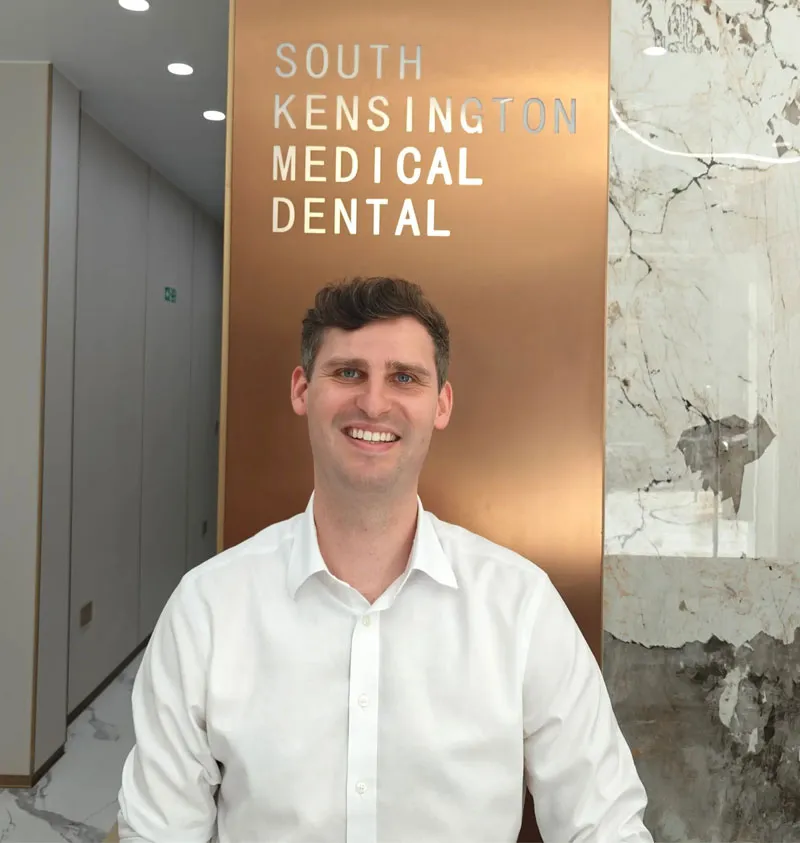
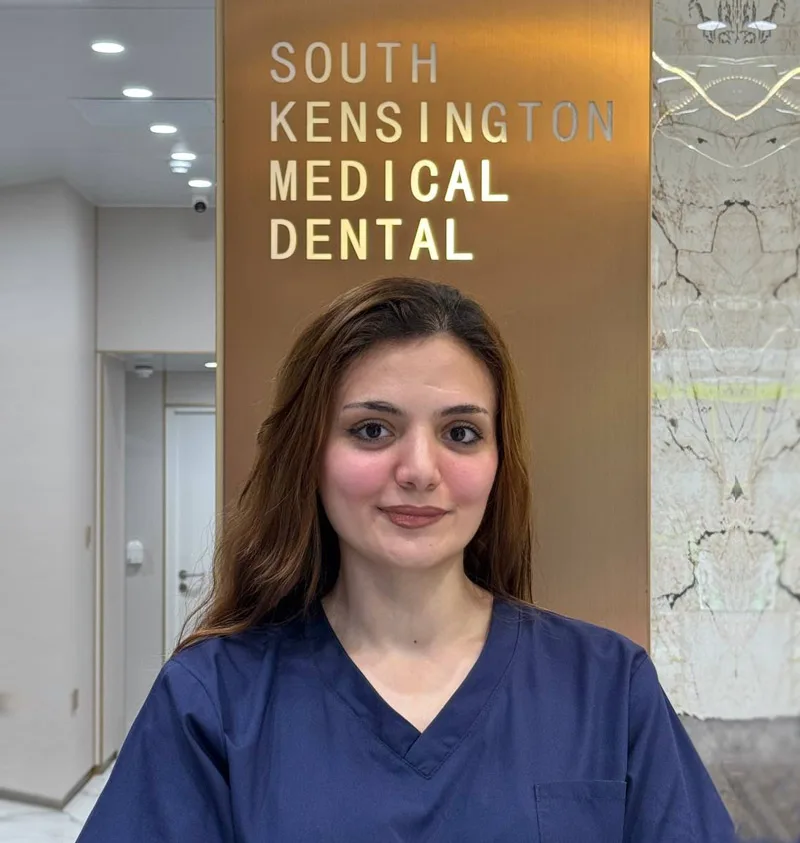
Meet Our Dental Team
Our experienced dental team is fully qualified and registered with the GDC, delivering safe, high-quality care in line with the highest professional standards.
Because our patients deserve nothing less.
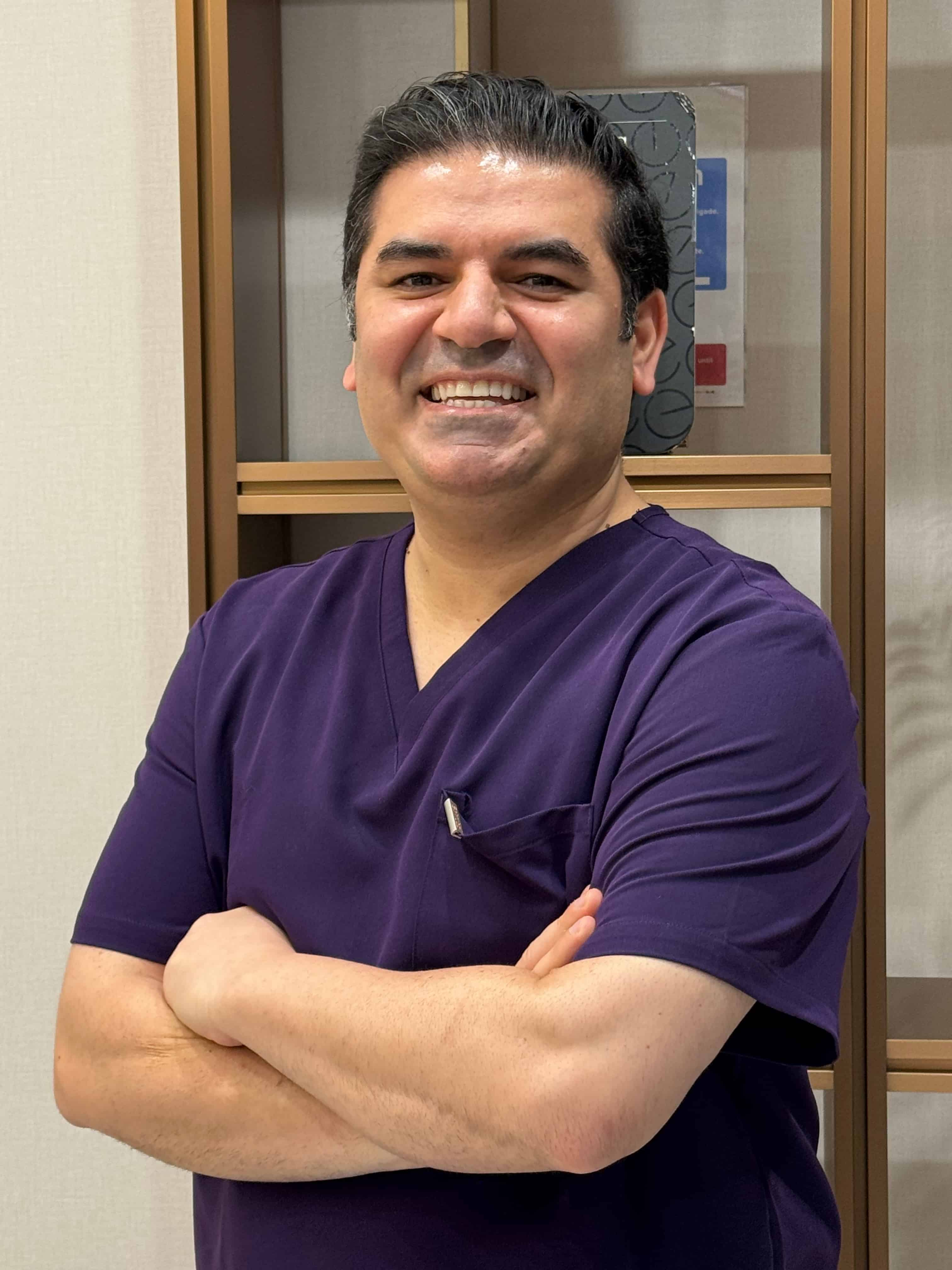
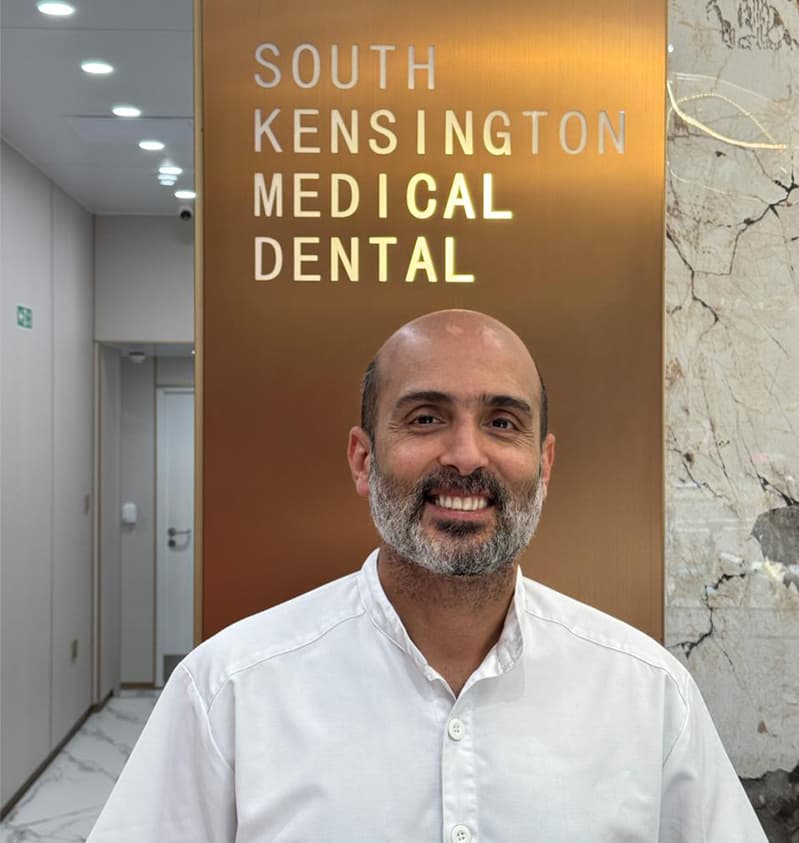

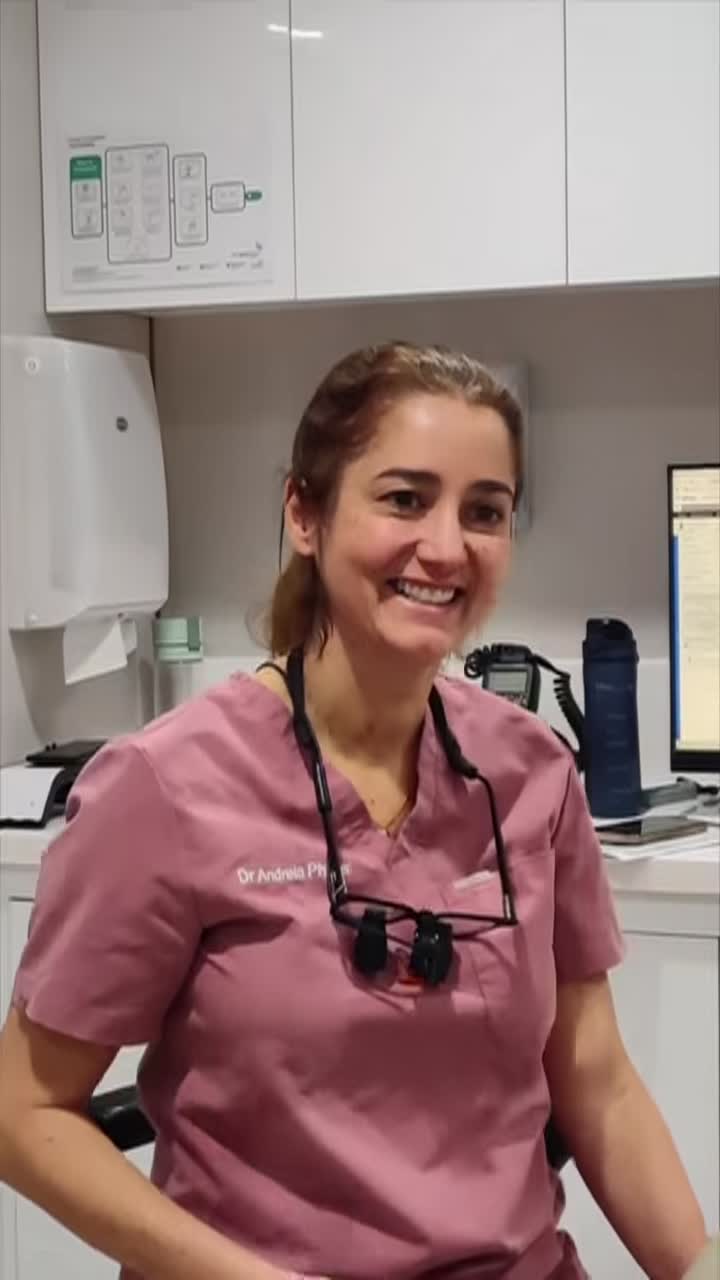
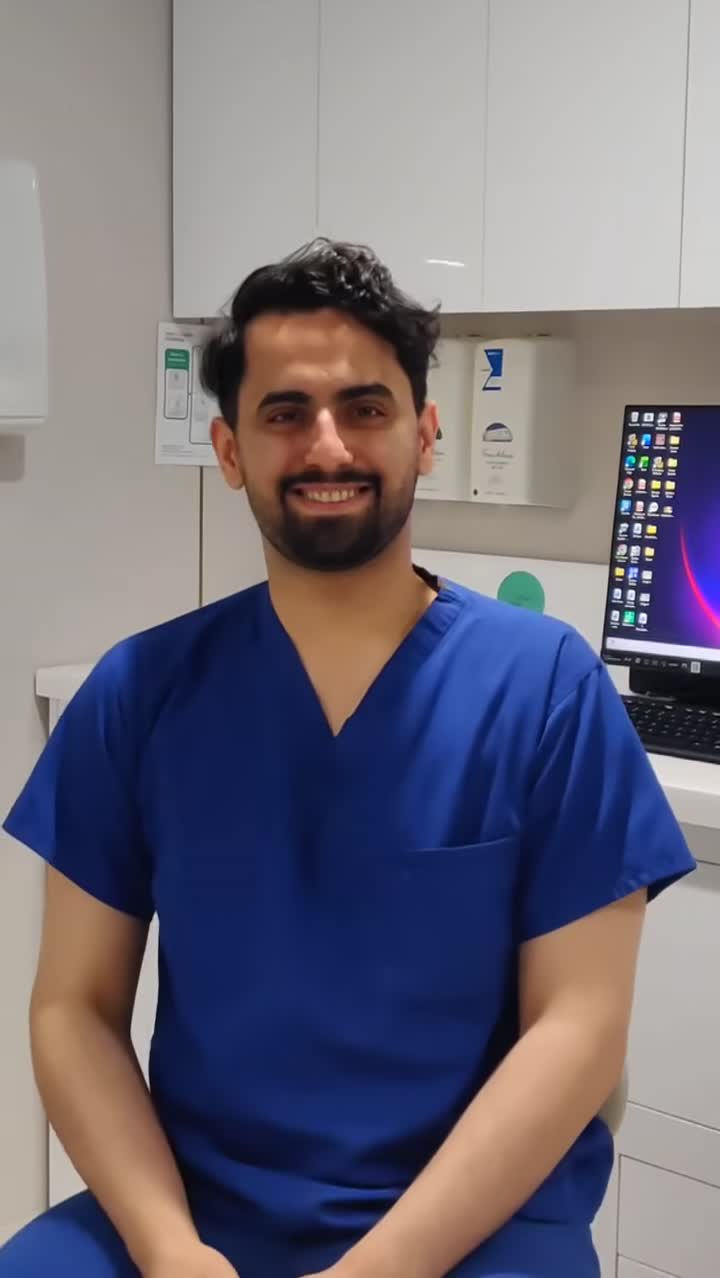







Registered. Regulated. Trusted.
At South Kensington Medical & Dental, we are fully registered with the Care Quality Commission (CQC) and our clinicians are registered with the relevant UK regulatory bodies, including the GDC and GMC. Our dentists, dental nurses and medical professionals deliver care that meets the highest clinical, safety and ethical standards, because our patients deserve nothing less.

We Accept All Major Dental & Health Insurances
We work with all major UK insurers including Bupa, AXA Health, Aviva, Cigna, Vitality, WPA, Unum and Boots Dental Plan. We'll provide the receipts and paperwork you need to claim back your treatment costs.










