Bite feeling uneven? Book an occlusal assessment.
Bite Feels "Off": Malocclusion Symptoms
South Kensington, London
When your bite feels off, it can be a subtle but persistent concern — a sense that the upper and lower teeth are no longer meeting as they should. You may notice uneven pressure when chewing, shifting contact between certain teeth, or a general feeling that something has changed. While minor variations in bite can be entirely normal, a persistent change in how the teeth fit together may reflect an occlusal imbalance that warrants professional assessment. At our South Kensington dental practice, our dentists carry out structured occlusal evaluations to assess how the teeth meet and to identify whether adjustment, monitoring, or onward referral may be appropriate.
Explore other dental alignment concerns we assess or read on to understand what may be contributing to your bite feeling off and when an assessment may be helpful.
Bite Feeling Uneven?
Let us assess your bite and discuss appropriate options
- Occlusal examination
- Bite marking analysis
- Tooth wear assessment
- Jaw movement evaluation
- Personalised management plan
What Does It Mean If Your Bite Feels “Off”?
A bite feels off when the upper and lower teeth do not come together in a comfortable, balanced way. You may notice that certain teeth touch before others when you close your mouth, or that there is uneven pressure on one side when chewing. Some people describe it as a feeling that their teeth are not fitting together properly — as though something has shifted or changed.
These sensations can involve shifting contact between specific teeth, a feeling of pressure concentrated on one area, or a general sense that the jaw has to work harder to find a comfortable resting position. In some cases, bite misalignment may develop gradually and become more noticeable over time.
It is worth noting that minor variations in how the teeth meet can be entirely normal and may not require any intervention. However, if the change is persistent, uncomfortable, or accompanied by other symptoms such as jaw discomfort when biting or tooth wear, it is sensible to arrange a professional assessment to evaluate whether an occlusal imbalance may be present.
Common Malocclusion Symptoms
Malocclusion symptoms can vary from person to person and may present in several different ways. The following are among the most commonly reported signs of an uneven bite.
Uneven Tooth Contact
One of the most noticeable malocclusion symptoms is a sensation that one side of the mouth is contacting before the other, or that specific teeth are bearing more pressure than they should. You may feel that certain teeth “hit first” when you close your mouth, creating an uneven or uncomfortable sensation.
Jaw Discomfort When Biting
When the bite is not balanced, the jaw muscles may have to compensate, leading to muscle tension and fatigue — particularly after prolonged chewing. Jaw discomfort when biting is a common symptom of occlusal imbalance and may be felt as aching, tiredness, or tightness in the jaw area.
Tooth Wear
Over time, an uneven bite can lead to accelerated wear on certain teeth. You may notice that the biting surfaces of some teeth appear flattened, or that small chips or cracks have developed — particularly on teeth that are receiving more force than they should.
Jaw Clicking or Tension
Clicking, popping, or a feeling of tension in the jaw joint area may sometimes accompany an uneven bite. These symptoms can overlap with those of a temporomandibular disorder (TMD) and may be related to how the teeth meet, jaw muscle strain, or changes within the jaw joint itself.
These symptoms can vary in presentation and severity. A clinical assessment is needed to determine whether an occlusal issue is contributing and to guide appropriate management.
What Can Cause a Bite to Feel Uneven?
A number of factors may contribute to a bite feeling off. In many cases, more than one factor is involved, and identifying the specific contributors requires clinical evaluation.
Natural Malocclusion (Misaligned Teeth)
Some individuals have teeth that have not developed in ideal alignment. Over time, this underlying misalignment may become more noticeable or begin to affect comfort when biting or chewing.
Tooth Movement Over Time
Teeth are not static — they can shift gradually throughout life due to changes in the surrounding bone and gum tissue, loss of adjacent teeth, or other factors. This natural drift can alter how the upper and lower teeth meet.
Recently Placed Fillings or Crowns
A new filling or crown that sits even slightly higher than the surrounding teeth can change the way the bite feels. This is one of the more common reasons a bite may suddenly feel uneven after dental treatment.
Tooth Loss
When a tooth is lost and not replaced, neighbouring teeth may gradually tilt or drift into the gap, altering the overall bite relationship and leading to uneven contact elsewhere.
Teeth Grinding or Clenching (Bruxism)
Habitual grinding or clenching places excessive force on the teeth and jaw, which can lead to tooth wear, shifting, and changes in how the bite comes together over time.
Orthodontic Relapse
After orthodontic treatment, teeth may gradually shift if retainers are not worn as advised. This can result in a return of bite misalignment and a sense that the teeth are no longer fitting together properly.
How Dentists Perform an Occlusal Assessment
An occlusal assessment is a structured clinical evaluation designed to analyse how the upper and lower teeth come together and to identify any areas of imbalance. The assessment typically includes the following:
Examination of how the teeth meet (occlusion)
Bite marking paper analysis to identify contact points
Checking for premature contacts or interferences
Assessment of tooth wear patterns
Evaluation of jaw movement and muscle function
Radiographs where clinically indicated
Based on the findings, your dentist will discuss whether bite adjustment, monitoring, orthodontic consultation, or onward referral may be appropriate.
Bite Feeling Uneven or Uncomfortable?
If your bite feels uneven or uncomfortable, an occlusal assessment can help identify whether tooth alignment, restorations, or jaw function may be contributing. Book a consultation at our South Kensington clinic for a structured bite evaluation.
Treatment Options Depending on Findings
The appropriate course of action depends entirely on the clinical findings. Below are some of the more common pathways that may be discussed following an occlusal assessment.
Minor Bite Adjustment
Where a specific high point or premature contact is identified, selective polishing of a small amount of tooth or restoration material may be carried out to bring the bite into more comfortable balance. This is a conservative approach used only where clinically appropriate.
Monitoring
If no significant occlusal imbalance is detected, or if changes are minor and not causing symptoms, your dentist may recommend a period of monitoring with periodic review to track any progression.
Orthodontic Consultation
If misalignment is contributing to the occlusal imbalance, an orthodontic assessment may be discussed. This allows for a detailed evaluation of tooth positioning and whether orthodontic correction could improve the bite relationship.
Restoration Review
If a recent filling or crown is found to be affecting how the teeth meet, adjustment or replacement of the restoration may be considered to restore comfortable contact and function.
Orthodontic Consultation Pathway
If malocclusion symptoms are found to be linked to underlying alignment issues, orthodontic advice may be discussed as part of your assessment. An orthodontic consultation involves a detailed evaluation of tooth positioning, jaw relationship, and overall bite function to determine whether orthodontic correction could help improve comfort and balance.
Depending on suitability, options such as clear aligners or fixed braces may be considered. Treatment planning follows a comprehensive assessment and is tailored to the individual presentation. Not all cases of bite misalignment require orthodontic intervention, and your dentist will discuss the most appropriate approach based on your specific findings.
Relationship Between Bite Imbalance and TMD
An occlusal imbalance may place uneven strain on the jaw muscles and the temporomandibular joint (TMJ), potentially contributing to muscle fatigue, jaw tension, and discomfort. In some individuals, this strain may overlap with symptoms commonly associated with temporomandibular disorder (TMD) — including jaw clicking, limited opening, and referred pain to the head or ear area.
It is important to note that TMD can have multiple contributing factors beyond bite alignment alone. A structured assessment helps determine whether bite adjustment, jaw joint management, or a combined approach may be most appropriate. If you are experiencing jaw joint symptoms alongside bite concerns, our TMJ assessment and treatment pathway can help evaluate these factors together.
When Should You Arrange an Assessment?
Consider booking an evaluation if you experience any of the following:
Your bite suddenly feels different
Chewing becomes uncomfortable or uneven
A new restoration feels high or uncomfortable
Jaw discomfort develops alongside bite changes
You notice increasing tooth wear
If you are experiencing acute discomfort following recent dental treatment — for example, significant pain from a restoration that feels high — you may wish to contact our emergency dental team for prompt assessment.
Frequently Asked Questions
About bite concerns and malocclusion symptoms
Book an Occlusal Assessment in South Kensington
If your bite feels off or uncomfortable, a structured occlusal assessment can help determine whether alignment, restorations, or jaw function may be contributing.
Our dental team in South Kensington provides careful bite evaluations and orthodontic consultation discussions where appropriate. Book your appointment to have your bite assessed and discuss suitable next steps.
Open Monday–Sunday • 2 mins from South Kensington tube
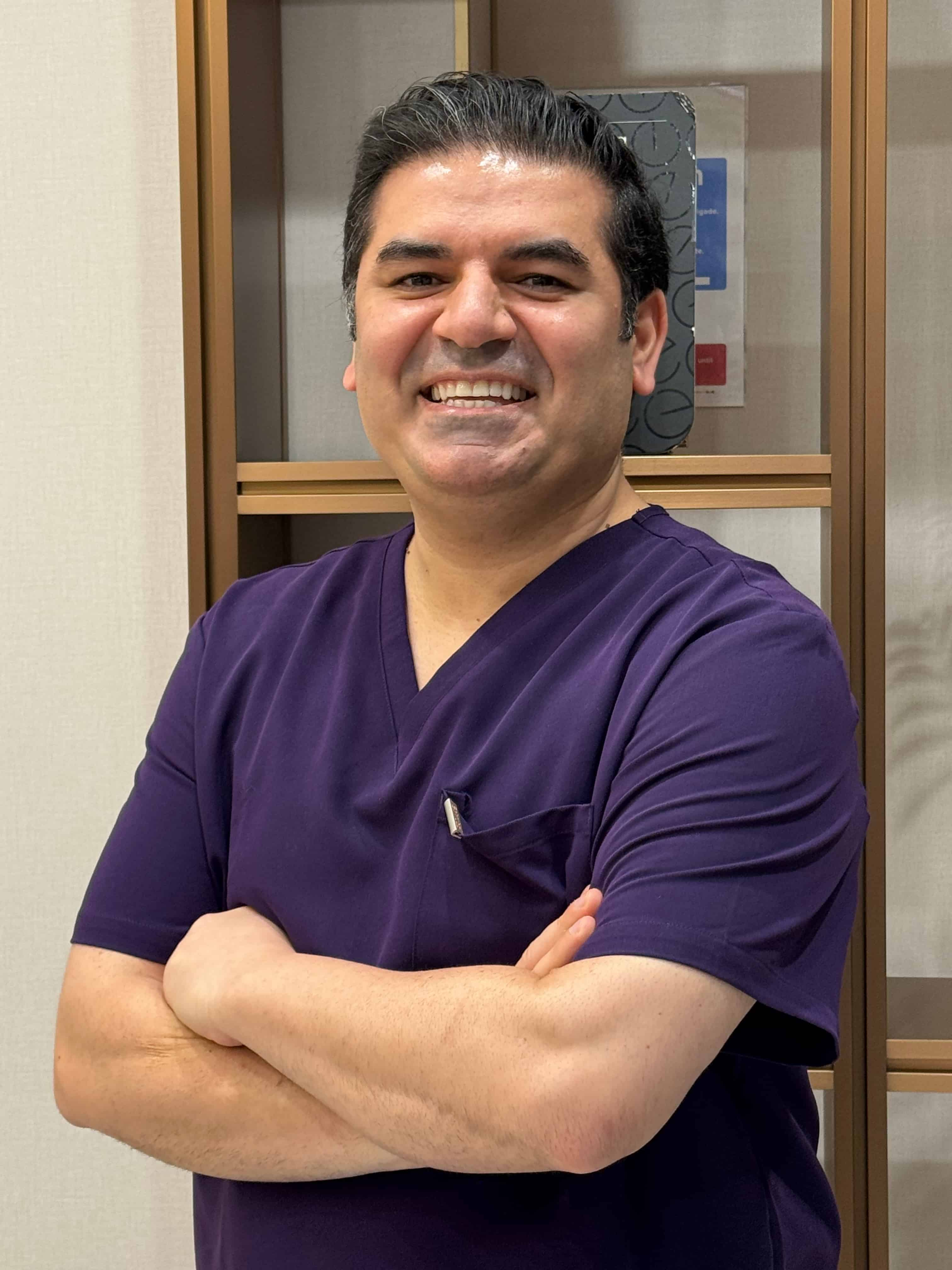
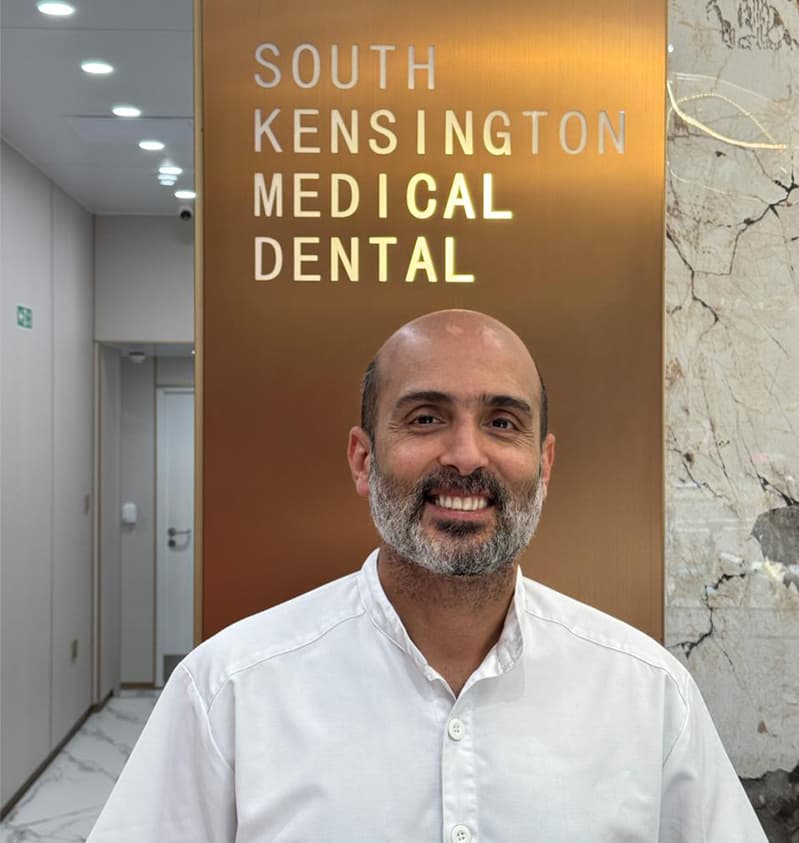
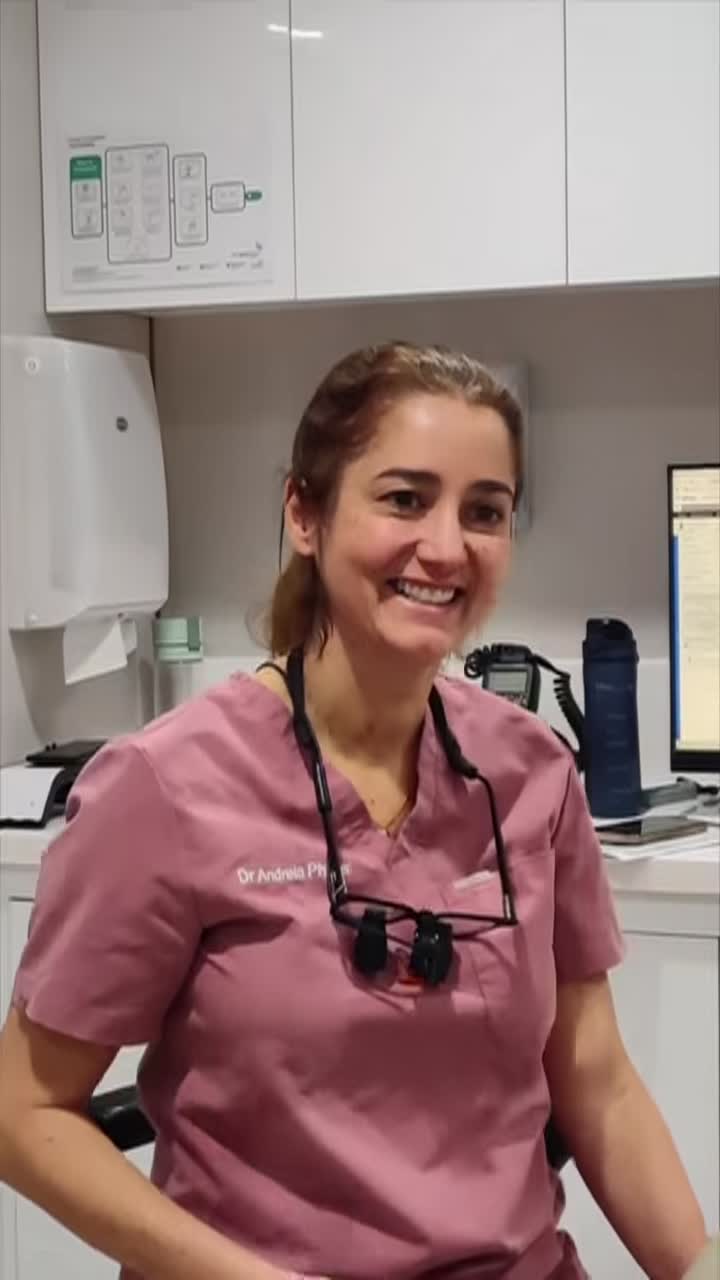
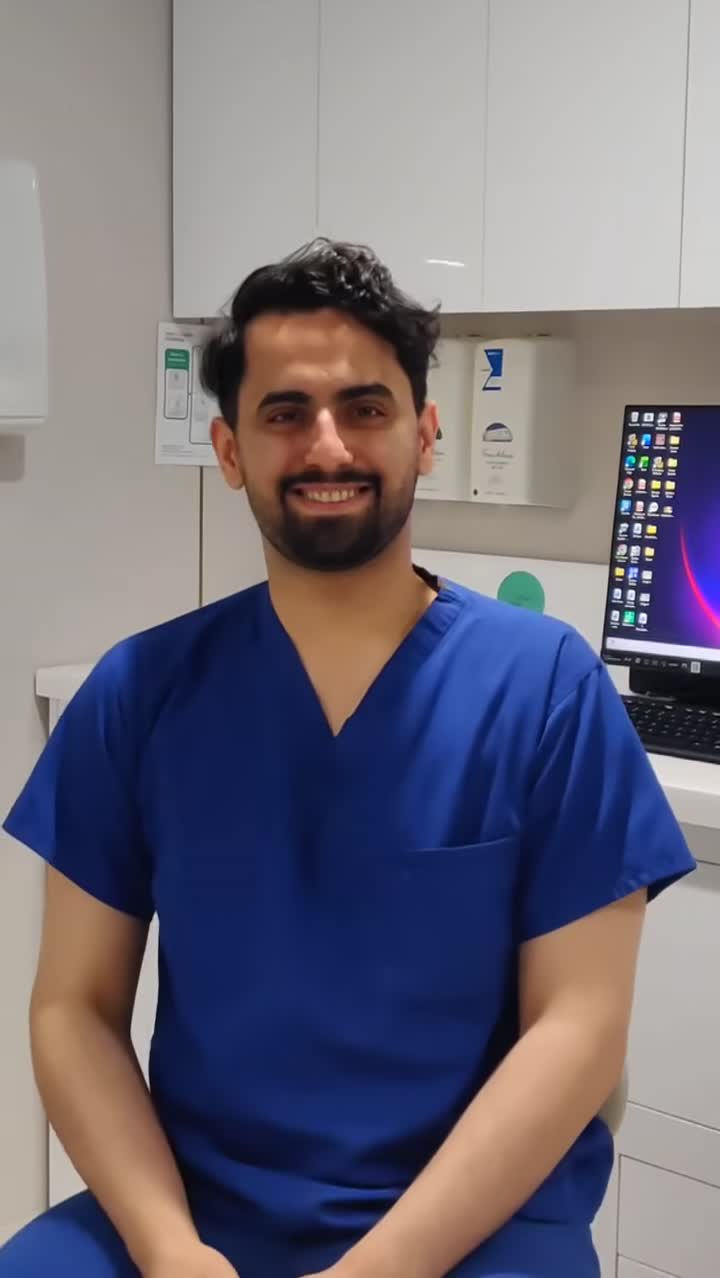
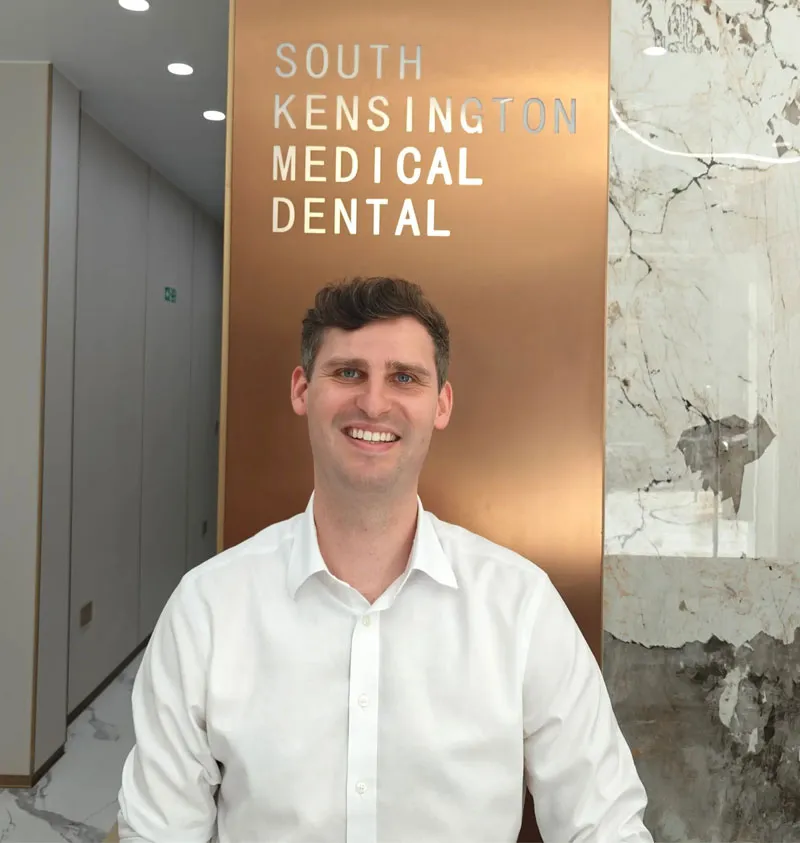
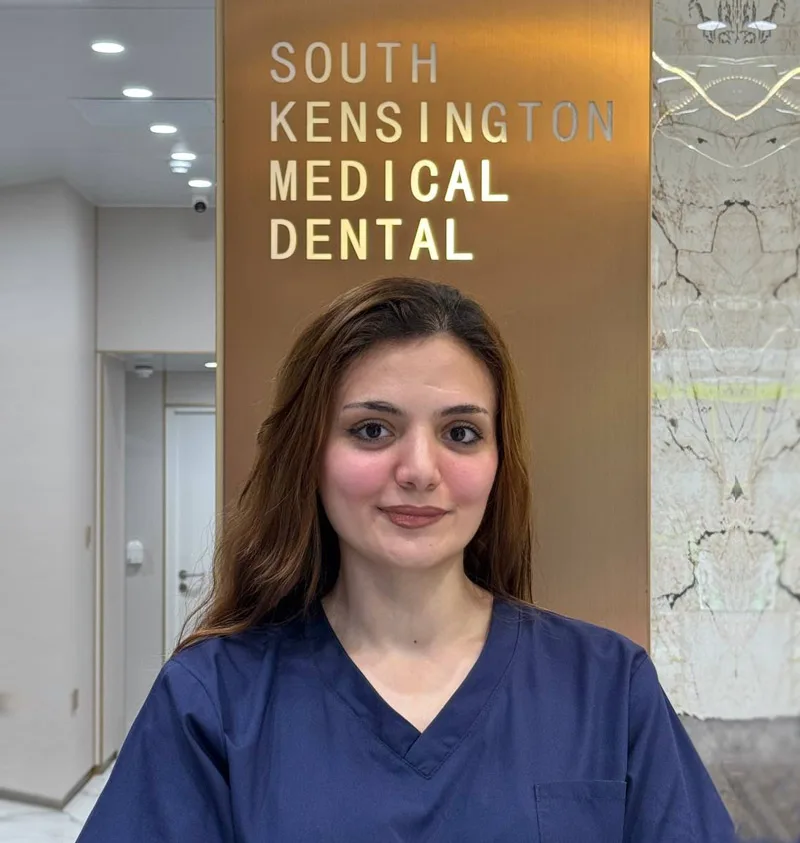
Meet Our Dental Team
Our experienced dental team is fully qualified and registered with the GDC, delivering safe, high-quality care in line with the highest professional standards.
Because our patients deserve nothing less.








Registered. Regulated. Trusted.
At South Kensington Medical & Dental, we are fully registered with the Care Quality Commission (CQC) and our clinicians are registered with the relevant UK regulatory bodies, including the GDC and GMC. Our dentists, dental nurses and medical professionals deliver care that meets the highest clinical, safety and ethical standards, because our patients deserve nothing less.

We Accept All Major Dental & Health Insurances
We work with all major UK insurers including Bupa, AXA Health, Aviva, Cigna, Vitality, WPA, Unum and Boots Dental Plan. We'll provide the receipts and paperwork you need to claim back your treatment costs.










