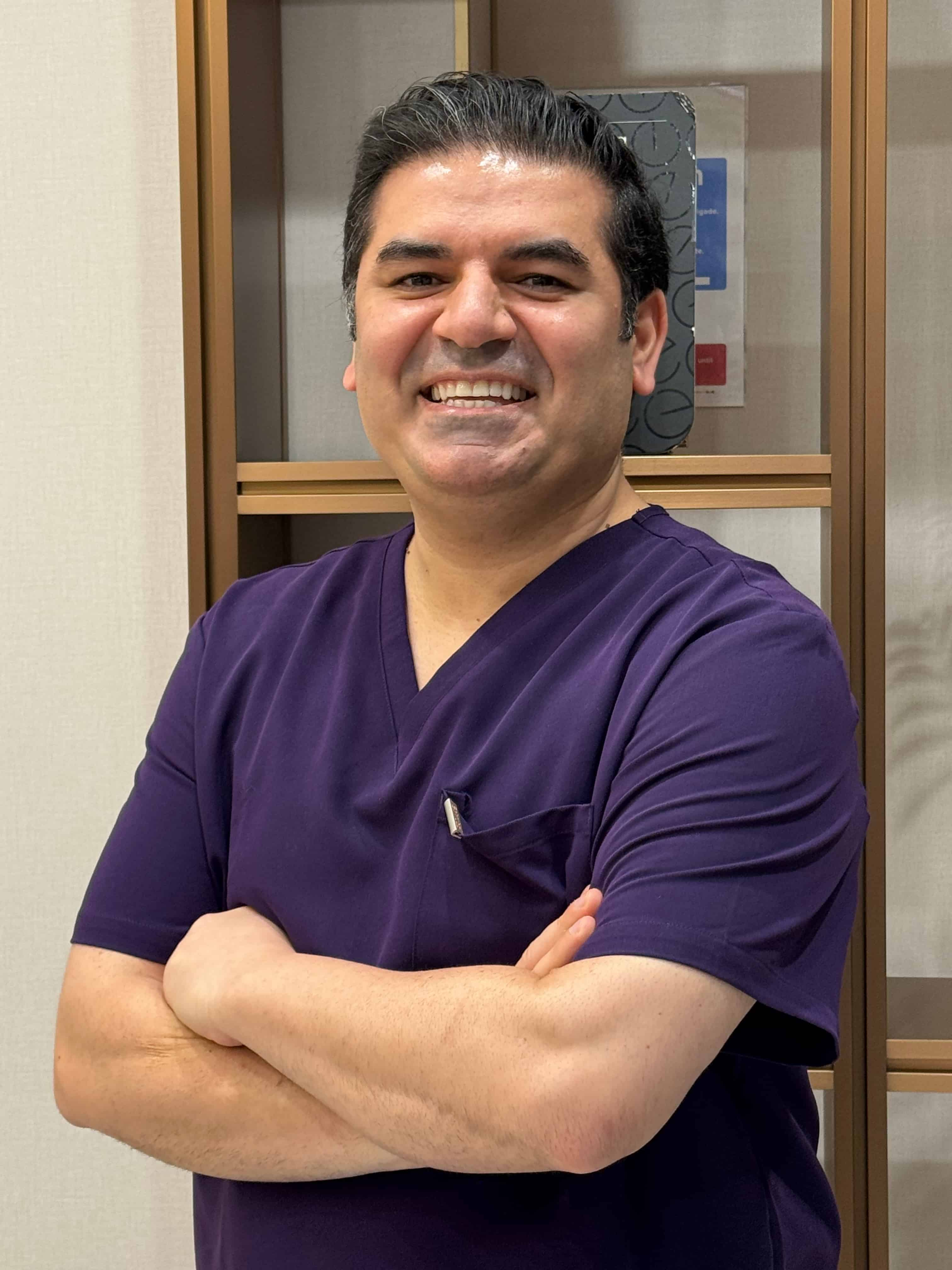
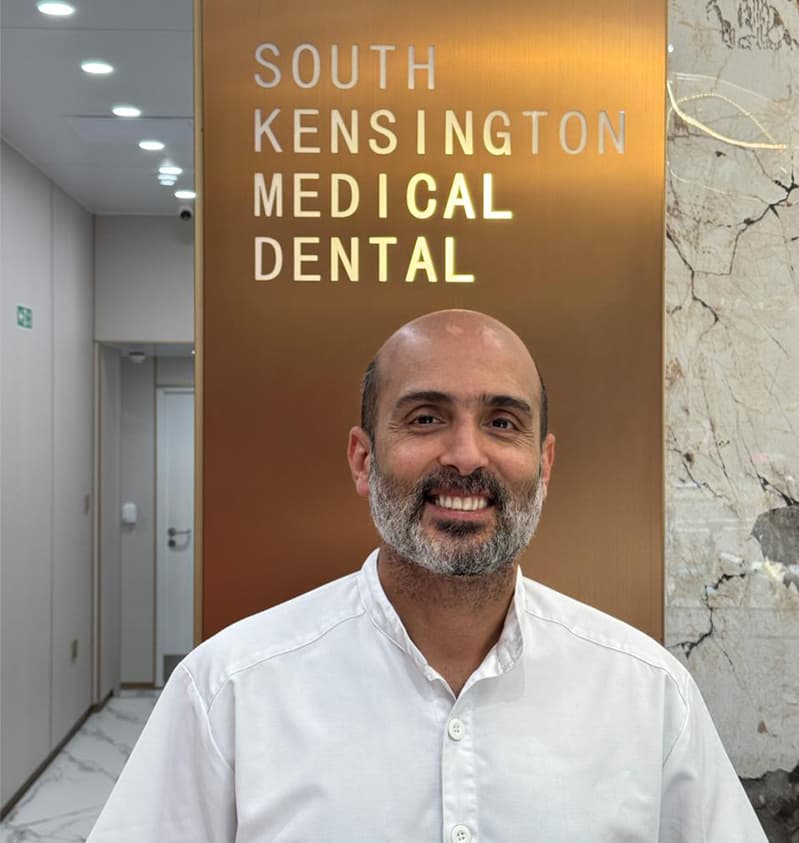
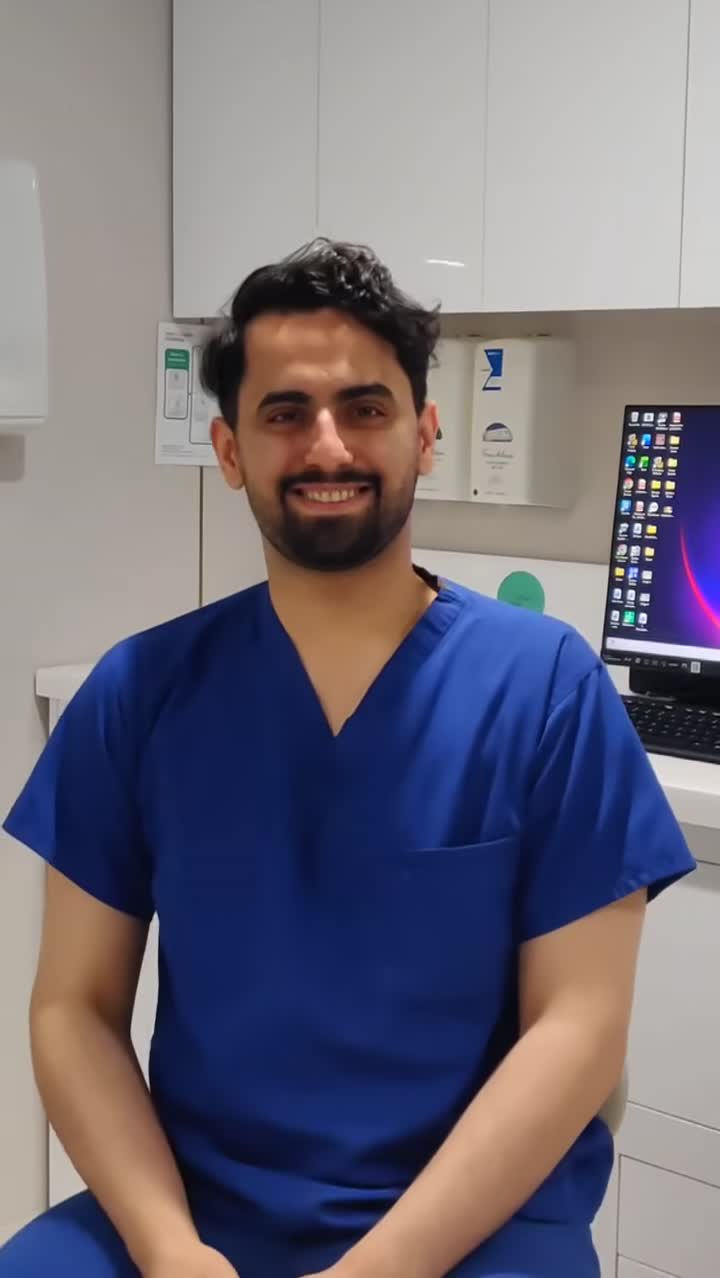
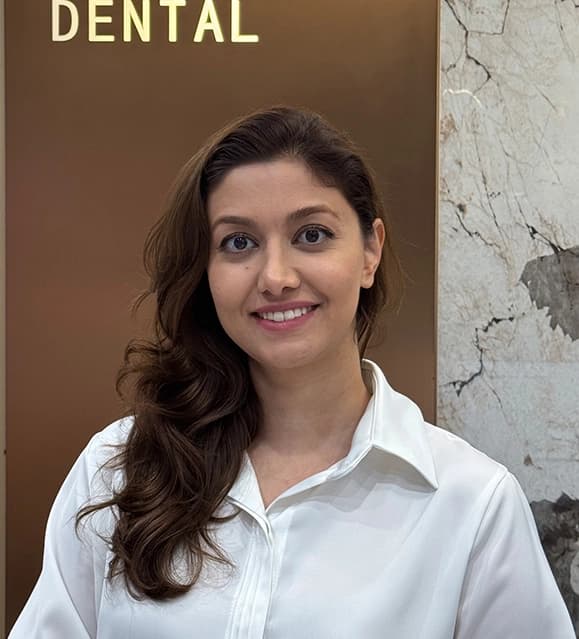
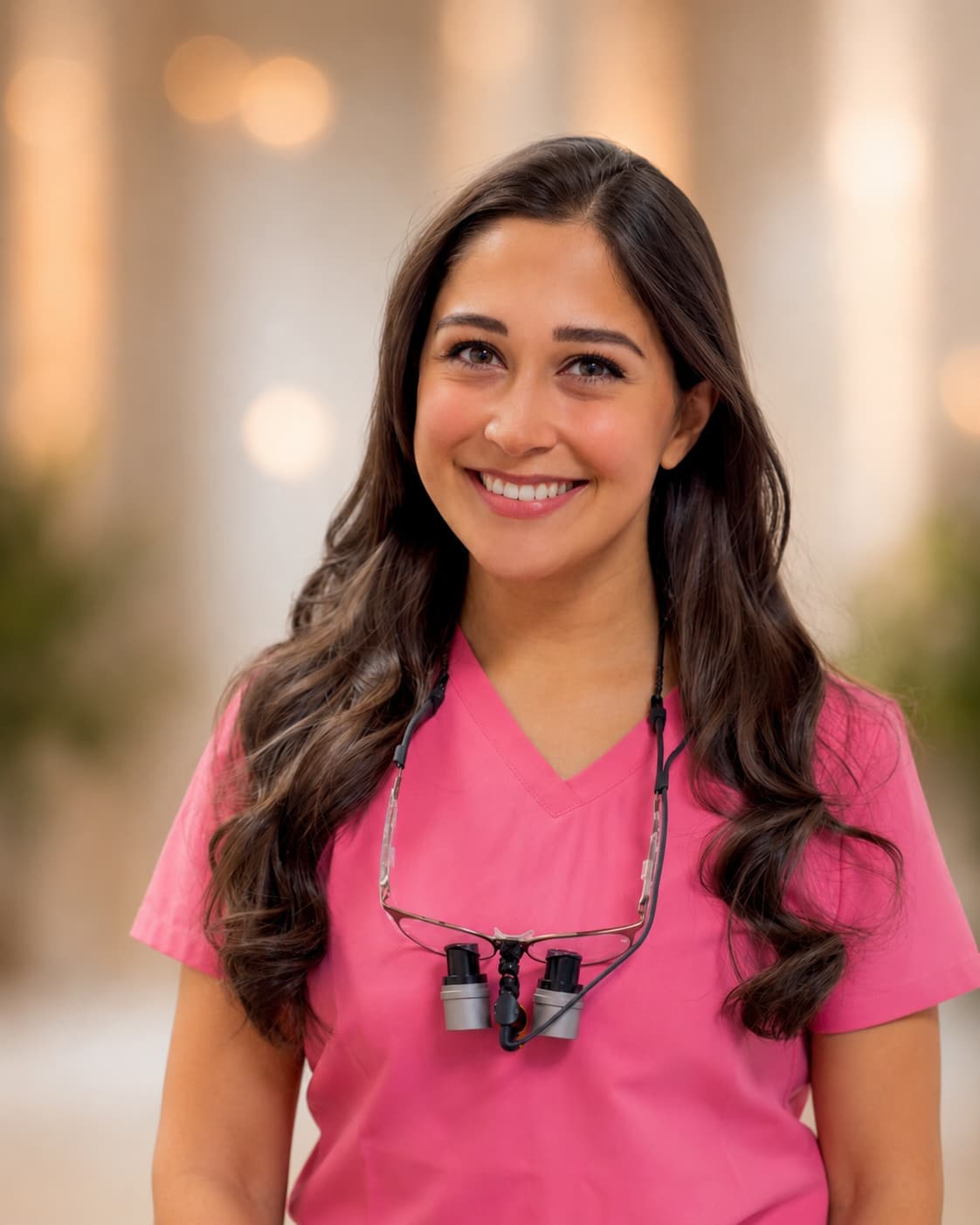
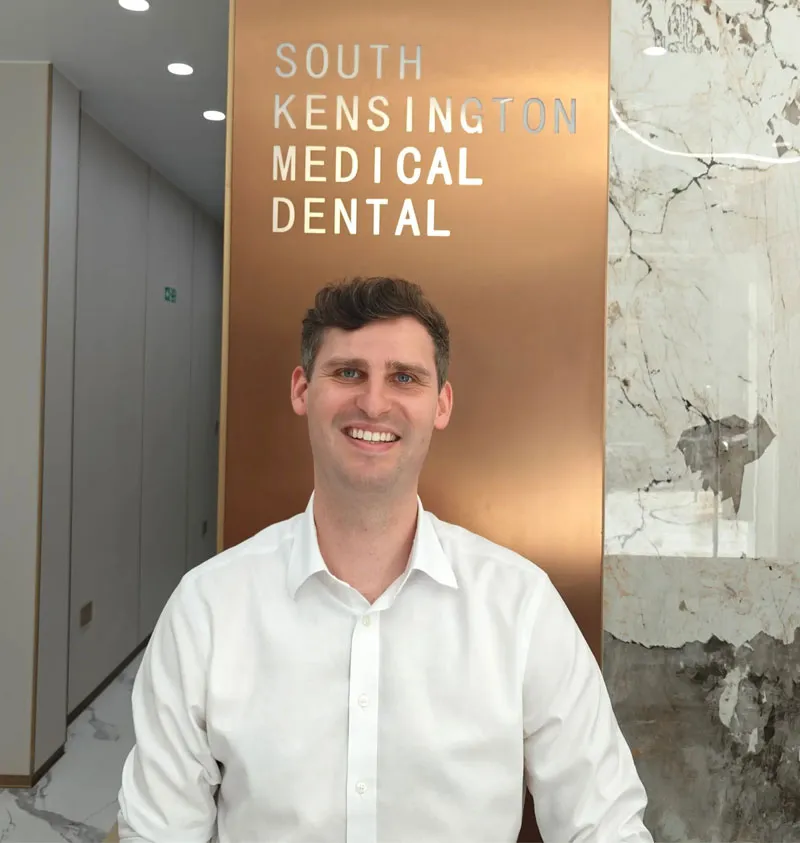
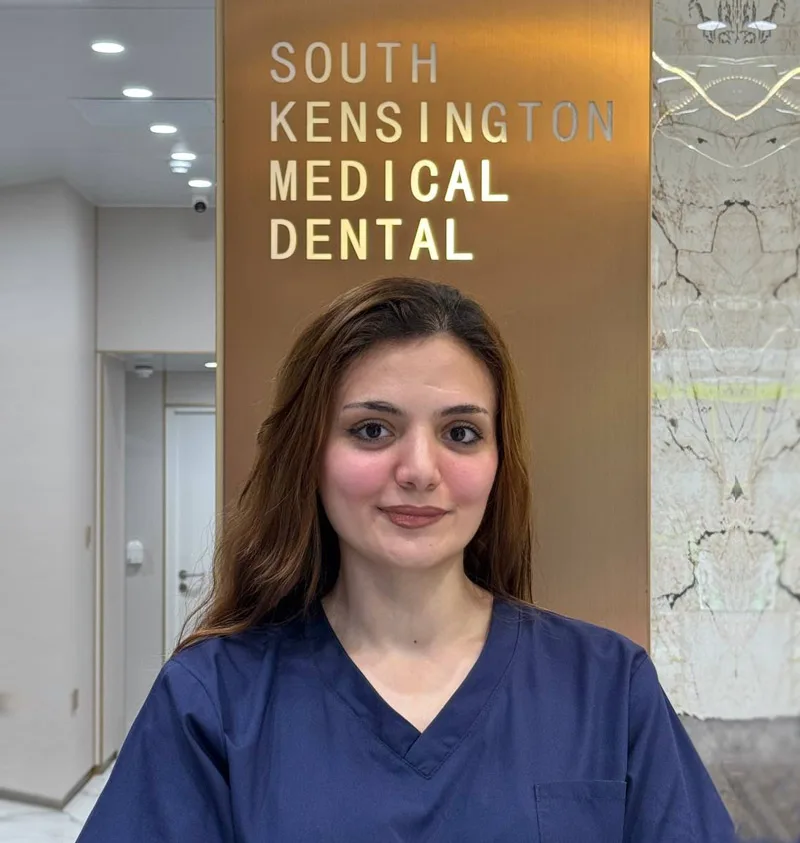
Meet Our Dental Team
Our experienced dental team is fully qualified and registered with the GDC, delivering safe, high-quality care in line with the highest professional standards.
Because our patients deserve nothing less.
When you need a dental crown, one of the most important decisions is the material. Zirconia and porcelain are two of the most widely used crown materials — both metal-free and biocompatible — but they offer different advantages depending on where the crown is placed and what matters most to you.
Zirconia crowns are exceptionally strong and fracture-resistant, making them ideal for back teeth that bear heavy chewing forces. Porcelain crowns offer superior translucency and a natural appearance, making them the preferred choice for front teeth where aesthetics are the priority. Understanding these differences is key to choosing the right material.
This guide compares zirconia and porcelain crowns across strength, aesthetics, durability, and cost — so you can make an informed decision with your dentist.
| Feature | Zirconia Crown | Porcelain Crown |
|---|---|---|
| Material Type | Solid zirconium dioxide — a metal-free ceramic | Feldspathic or glass-ceramic porcelain |
| Strength and Durability | Extremely strong — highly fracture-resistant | Strong but more prone to chipping under heavy force |
| Aesthetic Appearance | Good — newer multilayer zirconia matches natural teeth well | Excellent — superior translucency and natural light transmission |
| Suitability (Front vs Back Teeth) | Ideal for back teeth — increasingly used for front teeth | Ideal for front teeth — natural appearance is the priority |
| Tooth Preparation Required | Slightly less preparation due to material strength | Moderate preparation — similar to most crown types |
| Cost (at Our Practice) | From £497.50 (member) / £995 — varies by case | From £497.50 (member) / £995 — varies by case |
| Longevity | 15–20 years or more with proper care | 10–15 years or more with proper care |
| Biocompatibility | Excellent — metal-free and hypoallergenic | Excellent — metal-free and well tolerated |
Material Type
Zirconia
Solid zirconium dioxide — a metal-free ceramic
Porcelain
Feldspathic or glass-ceramic porcelain
Strength and Durability
Zirconia
Extremely strong — highly fracture-resistant
Porcelain
Strong but more prone to chipping under heavy force
Aesthetic Appearance
Zirconia
Good — newer multilayer zirconia matches natural teeth well
Porcelain
Excellent — superior translucency and natural light transmission
Suitability (Front vs Back Teeth)
Zirconia
Ideal for back teeth — increasingly used for front teeth
Porcelain
Ideal for front teeth — natural appearance is the priority
Tooth Preparation Required
Zirconia
Slightly less preparation due to material strength
Porcelain
Moderate preparation — similar to most crown types
Cost (at Our Practice)
Zirconia
From £497.50 (member) / £995 — varies by case
Porcelain
From £497.50 (member) / £995 — varies by case
Longevity
Zirconia
15–20 years or more with proper care
Porcelain
10–15 years or more with proper care
Biocompatibility
Zirconia
Excellent — metal-free and hypoallergenic
Porcelain
Excellent — metal-free and well tolerated
Zirconia crowns are made from zirconium dioxide — an exceptionally strong, metal-free ceramic material. Zirconia is one of the strongest materials used in modern dentistry, offering outstanding fracture resistance and durability that makes it particularly well suited for teeth that bear heavy biting and chewing forces.
Zirconia crowns are milled using CAD/CAM (computer-aided design and manufacturing) technology, which allows for a precise and consistent fit. They are biocompatible and hypoallergenic, making them an excellent option for patients with metal sensitivities. Advances in multilayer and high-translucency zirconia have also significantly improved the aesthetic qualities of this material, expanding its use from back teeth to front teeth in many cases.
Zirconia crowns are particularly well suited for back teeth (molars and premolars) that are subject to heavy biting forces, for patients who grind or clench their teeth, and for those with metal allergies or sensitivities. With modern high- translucency zirconia, they are also increasingly used for front teeth where both strength and a natural appearance are required.
Porcelain crowns are made from dental-grade ceramic that closely mimics the translucency, colour, and light-reflecting properties of natural tooth enamel. This makes porcelain one of the most aesthetically pleasing materials available for dental restorations, particularly for highly visible front teeth.
Porcelain crowns can be fabricated as all-ceramic restorations or as porcelain fused to a metal substructure (PFM). All-ceramic porcelain crowns are the preferred option for front teeth, offering the most natural appearance without the risk of a dark metal line showing at the gum margin. Porcelain can be layered and hand-finished by a skilled dental technician to achieve a highly customised shade, texture, and translucency.
Porcelain crowns are particularly well suited for front teeth and other highly visible teeth where achieving the most natural appearance is the primary goal. They are an excellent choice when the tooth requires both structural restoration and a cosmetically superior result. All-ceramic porcelain crowns are also suitable for patients who prefer a completely metal-free restoration.
Zirconia is significantly stronger than porcelain — roughly three to four times greater flexural strength. This makes zirconia crowns highly resistant to fracture and chipping, particularly on back teeth subject to heavy biting forces. Porcelain crowns are durable but more susceptible to chipping under significant pressure.
Porcelain offers superior translucency and light transmission, closely mimicking natural tooth enamel. This makes it the preferred material for front teeth where the most natural appearance is required. Modern multilayer zirconia has improved significantly in aesthetics but may not yet match the translucency of the best porcelain restorations.
Porcelain is traditionally the preferred choice for front teeth due to its superior aesthetics. Zirconia is the preferred choice for back teeth (molars and premolars) due to its superior strength. However, high-translucency zirconia is increasingly being used for front teeth as well, offering a good balance of strength and appearance.
Zirconia crowns may require slightly less tooth preparation than porcelain crowns in some cases, as the material's exceptional strength allows for thinner restorations. This can help preserve more of the natural tooth structure. Porcelain crowns require moderate preparation, similar to most other crown types.
Zirconia crowns tend to last longer — typically 15–20 years or more — due to their exceptional fracture resistance. Porcelain crowns generally last 10–15 years or more. Both materials can provide excellent long-term results with proper oral care, regular dental check-ups, and avoidance of habits like grinding.
Both materials are biocompatible and well tolerated by the body. Zirconia is hypoallergenic and particularly suitable for patients with metal sensitivities. All-ceramic porcelain crowns are also metal-free. Both materials are gentle on surrounding gum tissue when fitted correctly.
Both zirconia and porcelain crowns are priced within the same range at our practice. The final cost depends on the material chosen, the complexity of the case, and the location of the tooth. Your dentist will discuss material options and provide a clear cost breakdown during your consultation.
| Crown Type | Member Price | Standard Price | Notes |
|---|---|---|---|
| Zirconia Crown | From £497.50 | From £995 | Per crown — CAD/CAM milled zirconia |
| Porcelain Crown | From £497.50 | From £995 | Per crown — lab-fabricated ceramic |
Zirconia Crown
Porcelain Crown
Crown pricing starts from the rates above. The final cost may vary depending on the material, complexity, and any additional procedures required. Membership patients receive 50% off most treatments.
If you need a crown on a molar or premolar that bears heavy chewing forces, zirconia offers the superior strength and fracture resistance needed for long-term durability in high-load areas.
Zirconia CrownIf the crown is on a highly visible front tooth and achieving the most natural appearance is your priority, porcelain offers superior translucency and light transmission that closely mimics natural enamel.
Porcelain CrownIf you grind or clench your teeth (bruxism), zirconia's exceptional fracture resistance makes it the more durable option — reducing the risk of chipping or cracking under heavy forces.
Zirconia CrownBoth materials offer excellent longevity. Zirconia typically lasts 15–20 years or more, while porcelain lasts 10–15 years or more. For maximum long-term durability, zirconia has a slight edge due to its strength.
Zirconia CrownThe best crown material depends on the location of the tooth, the forces it needs to withstand, and your aesthetic preferences. Our team will carry out a thorough assessment and recommend the most appropriate option for your individual needs — book a consultation with a dentist in London to discuss your options.
This article is intended for general educational purposes only and does not constitute personalised dental advice. Individual diagnosis and treatment recommendations require a clinical examination by a qualified dental professional. All treatment outcomes depend on individual clinical factors and cannot be guaranteed. The suitability of zirconia or porcelain crowns is determined during a clinical assessment. South Kensington Medical & Dental is registered with the Care Quality Commission (CQC) and all practitioners are registered with the General Dental Council (GDC).
Our experienced dental team is fully qualified and registered with the GDC, delivering safe, high-quality care in line with the highest professional standards.
Because our patients deserve nothing less.
At South Kensington Medical & Dental, we are fully registered with the Care Quality Commission (CQC) and our clinicians are registered with the relevant UK regulatory bodies, including the GDC and GMC. Our dentists, dental nurses and medical professionals deliver care that meets the highest clinical, safety and ethical standards, because our patients deserve nothing less.

We work with all major UK insurers including Bupa, AXA Health, Aviva, Cigna, Vitality, WPA, Unum and Boots Dental Plan. We'll provide the receipts and paperwork you need to claim back your treatment costs.