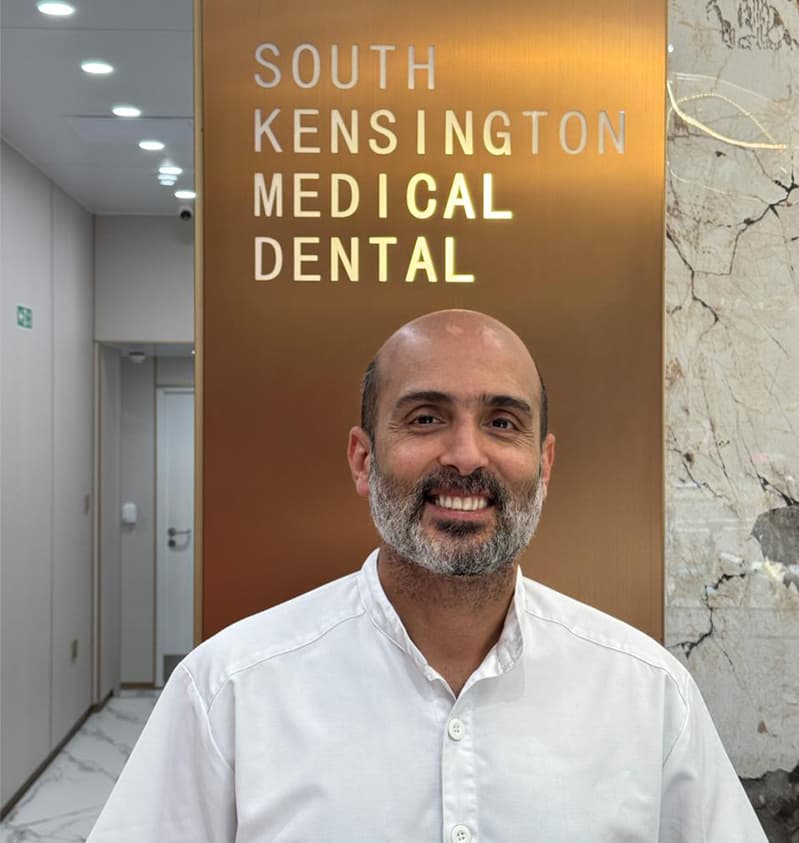
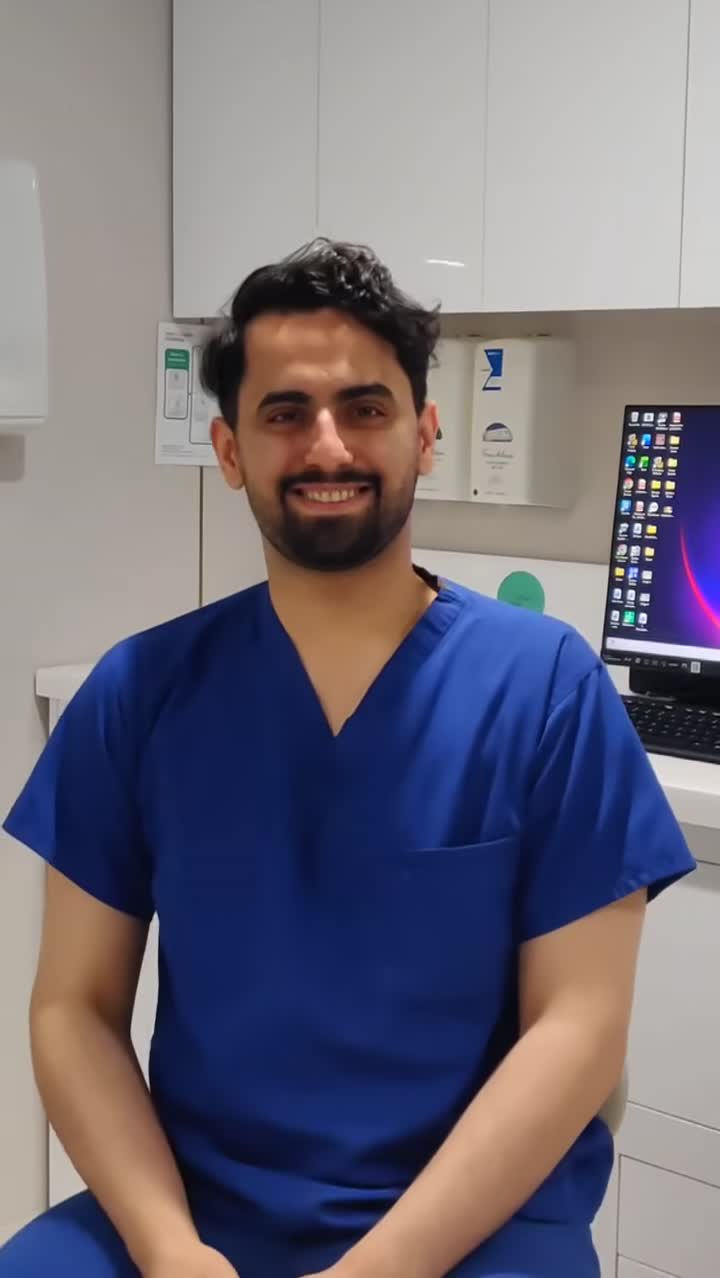
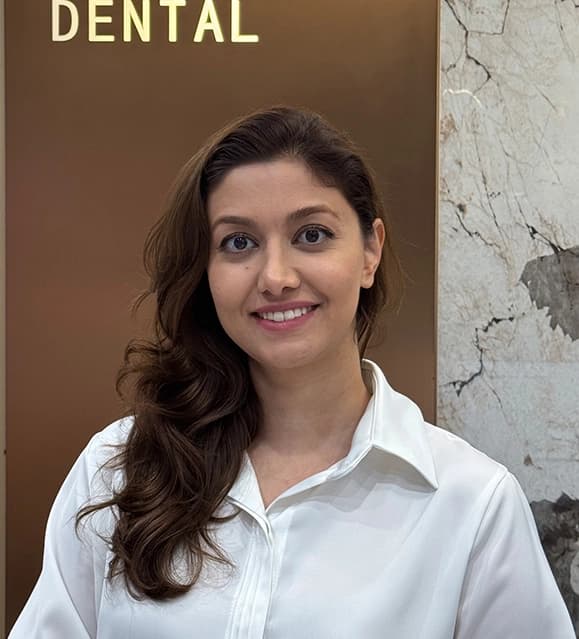
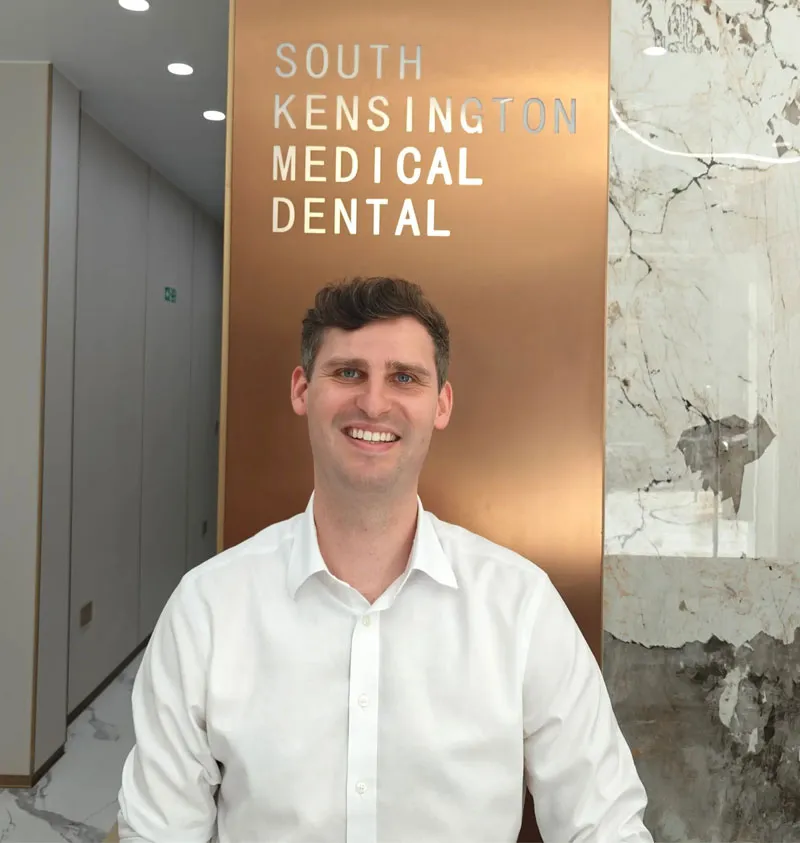
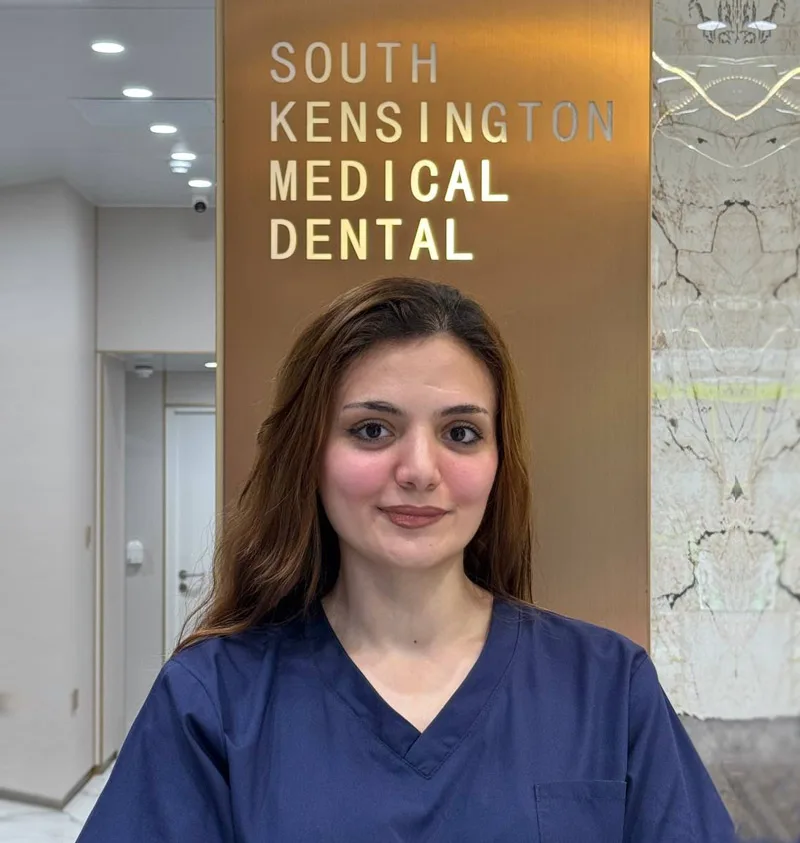
Meet Our Dental Team
Our experienced dental team is fully qualified and registered with the GDC, delivering safe, high-quality care in line with the highest professional standards.
Because our patients deserve nothing less.
If you're unhappy with the appearance of your smile, the two most common approaches are dental veneers and invisible braces. Both can dramatically improve how your teeth look — but they work in fundamentally different ways and are designed for different clinical situations.
Veneers are a cosmetic treatment — thin shells bonded to the front of your teeth to improve their colour, shape, and appearance. Invisible braces are an orthodontic treatment — clear, removable aligners that gradually move your teeth into the correct position. One masks imperfections; the other corrects them at the source.
This guide compares both options clearly. The most appropriate treatment will always depend on a clinical assessment by your dentist.
| Feature | Dental Veneers | Invisible Braces |
|---|---|---|
| Purpose | Cosmetic — improves the appearance of teeth | Orthodontic — physically moves teeth into correct alignment |
| Coverage of Tooth | Thin shell bonded to the front surface only | Clear trays fit over all teeth to apply gradual pressure |
| Strength and Durability | Porcelain: strong and stain-resistant; Composite: moderate | No permanent change to tooth structure; relies on retainer wear |
| Aesthetic Result | Immediate — transforms colour, shape, and minor alignment | Gradual — teeth move into correct position over weeks to months |
| Treatment Time | 1–3 visits over 2–4 weeks | 4–20+ months depending on complexity |
| Cost | From £297.50 (member) / £595 per tooth | From £1,000 (member) / £2,000 |
| Longevity | Composite: 5–7 years; Porcelain: 15–20 years | Permanent results if retainers are worn as directed |
| Tooth Preparation Required | Composite: minimal; Porcelain: some enamel removal | None — teeth are moved, not altered |
| Suitability | Patients wanting to improve appearance of front teeth | Patients with mild to moderate misalignment or spacing |
Purpose
Veneers
Cosmetic — improves the appearance of teeth
Invisible Braces
Orthodontic — physically moves teeth into correct alignment
Coverage of Tooth
Veneers
Thin shell bonded to the front surface only
Invisible Braces
Clear trays fit over all teeth to apply gradual pressure
Strength and Durability
Veneers
Porcelain: strong and stain-resistant; Composite: moderate
Invisible Braces
No permanent change to tooth structure; relies on retainer wear
Aesthetic Result
Veneers
Immediate — transforms colour, shape, and minor alignment
Invisible Braces
Gradual — teeth move into correct position over weeks to months
Treatment Time
Veneers
1–3 visits over 2–4 weeks
Invisible Braces
4–20+ months depending on complexity
Cost
Veneers
From £297.50 (member) / £595 per tooth
Invisible Braces
From £1,000 (member) / £2,000
Longevity
Veneers
Composite: 5–7 years; Porcelain: 15–20 years
Invisible Braces
Permanent results if retainers are worn as directed
Tooth Preparation Required
Veneers
Composite: minimal; Porcelain: some enamel removal
Invisible Braces
None — teeth are moved, not altered
Suitability
Veneers
Patients wanting to improve appearance of front teeth
Invisible Braces
Patients with mild to moderate misalignment or spacing
Dental veneers are thin, custom-made shells that are bonded to the front surface of your teeth. They are designed to improve the colour, shape, size, and overall appearance of teeth — particularly the front teeth that are visible when you smile. Veneers are a cosmetic treatment, meaning they change how teeth look rather than changing their position.
Our clinic offers dental veneers for improving the appearance of front teeth in both composite and porcelain materials. Composite veneers can often be completed in a single visit with minimal preparation. Porcelain veneers are crafted in a dental laboratory and offer superior stain resistance and longevity, though they require some enamel removal.
Veneers are suitable for patients who want to improve the appearance of healthy teeth that are discoloured, chipped, slightly uneven, or have minor gaps. They are best suited when the underlying alignment is acceptable and the primary concern is cosmetic. Patients with significant misalignment, bite issues, or extensive decay may need alternative treatment first.
Invisible braces are clear, removable aligners used to gradually move teeth into the correct position. They are an orthodontic treatment — meaning they physically reposition teeth rather than covering them. A series of custom-made trays are worn in sequence, each one making small adjustments until the final alignment is achieved.
Our clinic provides invisible braces for discreet teeth straightening with dentist-led treatment planning and regular progress reviews. Clear aligners are virtually invisible when worn, making them a popular choice for adults who want to straighten their teeth without the appearance of traditional metal braces. Treatment duration depends on the complexity of the case.
Invisible braces are suitable for patients with mild to moderate orthodontic issues including crowding, spacing, and certain bite problems. They work best for patients who are committed to wearing the aligners for 20–22 hours per day. Severe misalignment or complex bite issues may require alternative orthodontic approaches. Suitability is confirmed during a clinical consultation.
Veneers mask the appearance of teeth by bonding a new surface over them. Invisible braces physically move teeth into the correct position. One is cosmetic; the other is orthodontic.
Veneers are chosen to improve colour, shape, and minor imperfections. Invisible braces are chosen to correct crowding, spacing, and alignment. The right option depends on what needs to change.
Veneers can be completed in 1–3 visits over a few weeks. Invisible braces take 4–20+ months depending on the complexity of the case. Veneers deliver faster visible results.
Composite veneers last 5–7 years; porcelain veneers 15–20 years — both will eventually need replacing. Invisible braces produce permanent tooth movement, maintained through retainer wear.
Composite veneers require minimal preparation. Porcelain veneers require some enamel removal (irreversible). Invisible braces require no alteration to the natural tooth structure.
Veneers change the colour, shape, and surface of teeth immediately. Invisible braces improve position and alignment gradually. Both result in an improved smile, but through different mechanisms.
Veneer costs depend on the number of teeth treated and material chosen. Invisible braces costs depend on treatment complexity. Both represent a significant investment in your smile.
Veneer costs depend on the number of teeth treated and the material chosen. Invisible braces costs vary based on the complexity and duration of treatment. Below are our current prices.
| Treatment | Member Price | Non-Member Price | Typical Lifespan |
|---|---|---|---|
| Composite Veneer (per tooth) | From £297.50 | From £595 | 5–7 years |
| Porcelain Veneer (per tooth) | From £547.50 | From £1,095 | 15–20 years |
| Clear Aligners — Mild Cases | From £1,000 | From £2,000 | Permanent* |
| Clear Aligners — Moderate Cases | From £2,000 | From £4,000 | Permanent* |
| Clear Aligners — Complex Cases | From £2,990 | From £5,980 | Permanent* |
Composite Veneer (per tooth)
Member
From £297.50
Standard
From £595
Lifespan
5–7 years
Porcelain Veneer (per tooth)
Member
From £547.50
Standard
From £1,095
Lifespan
15–20 years
Clear Aligners — Mild
Member
From £1,000
Standard
From £2,000
Lifespan
Permanent*
Clear Aligners — Moderate
Member
From £2,000
Standard
From £4,000
Lifespan
Permanent*
Clear Aligners — Complex
Member
From £2,990
Standard
From £5,980
Lifespan
Permanent*
*Permanent with retainer wear as directed. For a detailed breakdown of aligner pricing, see our invisible braces cost in London guide. Membership halves the cost of most treatments. Final costs are confirmed after a clinical assessment.
If your teeth are healthy but crooked, crowded, or spaced, invisible braces correct the actual position of your teeth. This is the clinically appropriate approach when alignment is the primary concern.
Invisible BracesIf your teeth are well-aligned but you want to improve their colour, shape, or surface imperfections, veneers deliver an immediate cosmetic transformation without orthodontic treatment.
VeneersInvisible braces produce permanent tooth movement maintained through retainer wear. Veneers will need replacing over time. For the longest-lasting structural improvement, orthodontics is the better investment.
Invisible BracesIf you want a visible improvement in the shortest possible timeframe, veneers can be completed in as few as one appointment. Invisible braces require months of consistent wear.
VeneersThe best way to determine whether veneers or invisible braces are right for you is with a personalised clinical assessment. Our dental team will examine your teeth, discuss your goals, and recommend the most appropriate treatment plan. You can book a consultation with a dentist in London at a time that suits you.
This article is intended for general educational purposes only and does not constitute personalised dental advice. Individual diagnosis and treatment recommendations require a clinical examination by a qualified dental professional. All treatment outcomes depend on individual clinical factors and cannot be guaranteed. The suitability of dental veneers or invisible braces is determined during a clinical assessment. Treatment results vary between individuals. South Kensington Medical & Dental is registered with the Care Quality Commission (CQC) and all practitioners are registered with the General Dental Council (GDC).
Our experienced dental team is fully qualified and registered with the GDC, delivering safe, high-quality care in line with the highest professional standards.
Because our patients deserve nothing less.
At South Kensington Medical & Dental, we are fully registered with the Care Quality Commission (CQC) and our clinicians are registered with the relevant UK regulatory bodies, including the GDC and GMC. Our dentists, dental nurses and medical professionals deliver care that meets the highest clinical, safety and ethical standards, because our patients deserve nothing less.


We work with all major UK insurers including Bupa, AXA Health, Aviva, Cigna, Vitality, WPA, Unum and Boots Dental Plan. We'll provide the receipts and paperwork you need to claim back your treatment costs.