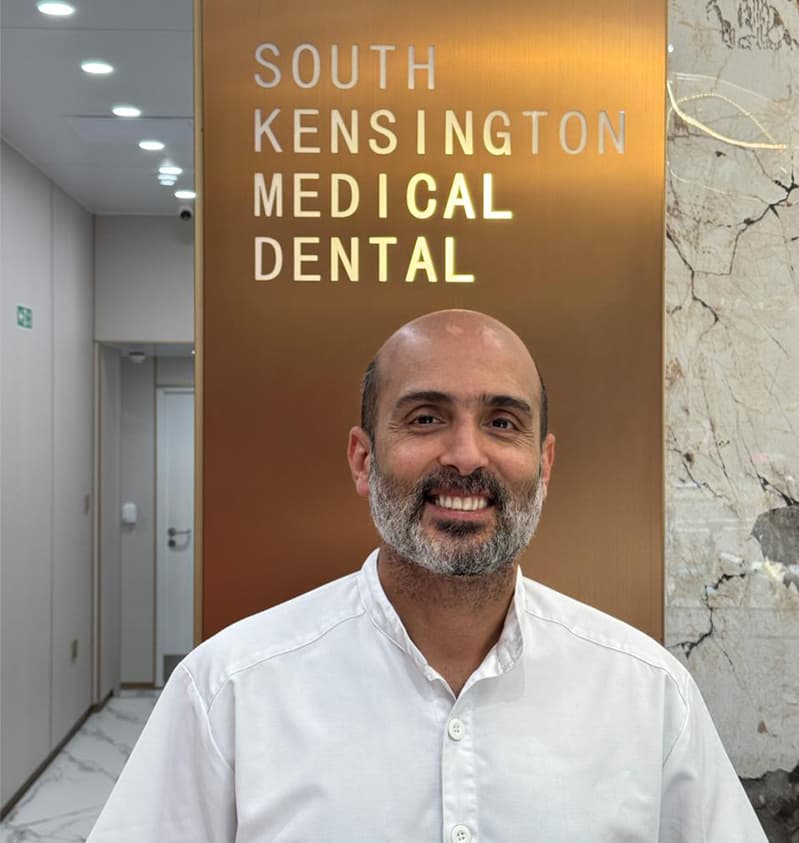
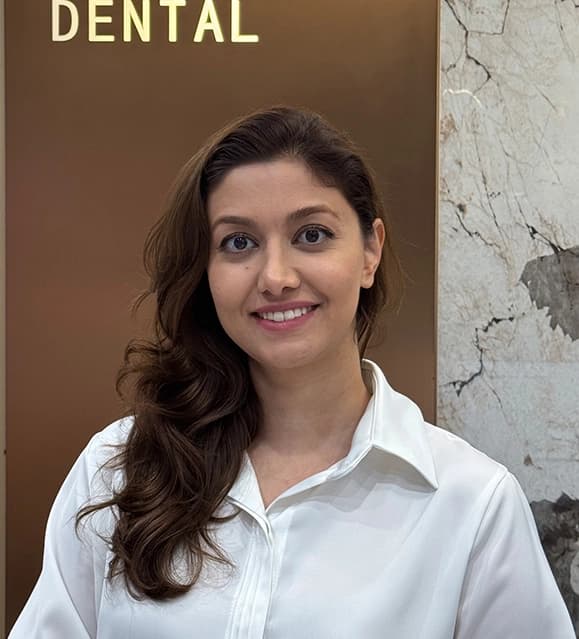
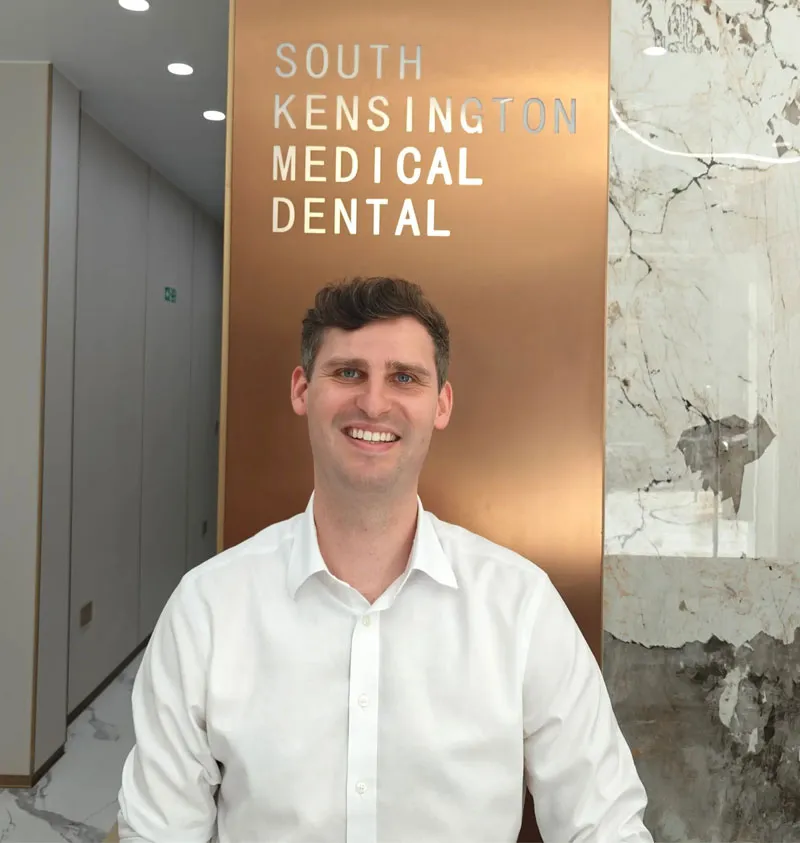
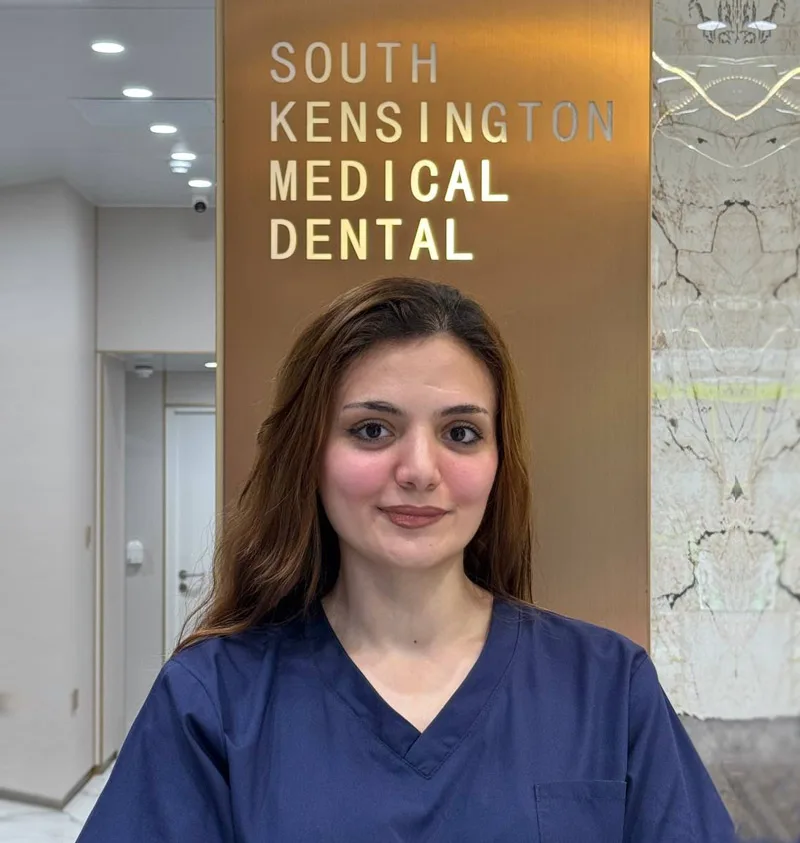
Meet Our Dental Team
Our experienced dental team is fully qualified and registered with the GDC, delivering safe, high-quality care in line with the highest professional standards.
Because our patients deserve nothing less.
If you want to improve the appearance of your smile, two of the most popular cosmetic dental treatments are teeth whitening and composite bonding. While both can make a noticeable difference, they address different concerns — and understanding the distinction is key to choosing the right option.
Boutique home teeth whitening lightens the natural colour of your teeth gradually over two to four weeks using custom trays and professional-grade gel. Composite bonding uses tooth-coloured resin to repair chips, close gaps, reshape edges, and cover localised discolouration. The best choice depends on what you want to change about your smile.
This guide explains the key differences to help you make an informed decision. The most suitable treatment will always depend on a clinical assessment by your dentist.
| Feature | Boutique Home Whitening | Composite Bonding |
|---|---|---|
| Purpose | Lighten the natural colour of teeth | Repair, reshape, or cover imperfections on teeth |
| Coverage of Tooth | Whitens the entire visible tooth surface | Resin applied to specific areas or the full front surface |
| Strength and Durability | Does not alter tooth structure — colour fades gradually | Durable resin — resistant to everyday wear |
| Aesthetic Result | Brighter, lighter tooth colour — natural teeth only | Improved shape, size, colour, and alignment of teeth |
| Treatment Time | 2–4 weeks of at-home use with custom trays | Usually completed in a single appointment |
| Cost (at Our Practice) | £199 (member) / £399 standard | From £197.50 (member) / £395 per tooth |
| Longevity | 6–12 months before top-up may be needed | 5–10 years with proper care |
| Tooth Preparation Required | None — non-invasive treatment | Minimal or none — often reversible |
| Suitability | Staining, yellowing, or dull tooth colour | Chips, gaps, uneven edges, minor discolouration |
Purpose
Whitening
Lighten the natural colour of teeth
Bonding
Repair, reshape, or cover imperfections on teeth
Coverage of Tooth
Whitening
Whitens the entire visible tooth surface
Bonding
Resin applied to specific areas or the full front surface
Strength and Durability
Whitening
Does not alter tooth structure — colour fades gradually
Bonding
Durable resin — resistant to everyday wear
Aesthetic Result
Whitening
Brighter, lighter tooth colour — natural teeth only
Bonding
Improved shape, size, colour, and alignment of teeth
Treatment Time
Whitening
2–4 weeks of at-home use with custom trays
Bonding
Usually completed in a single appointment
Cost (at Our Practice)
Whitening
£199 (member) / £399 standard
Bonding
From £197.50 (member) / £395 per tooth
Longevity
Whitening
6–12 months before top-up may be needed
Bonding
5–10 years with proper care
Tooth Preparation Required
Whitening
None — non-invasive treatment
Bonding
Minimal or none — often reversible
Suitability
Whitening
Staining, yellowing, or dull tooth colour
Bonding
Chips, gaps, uneven edges, minor discolouration
Boutique home teeth whitening treatment provided by our dentist is a safe, gradual whitening system that uses custom-made trays and professional-grade whitening gel. Your dentist takes impressions of your teeth to create trays that fit precisely, and provides you with the whitening gel to use at home over a period of two to four weeks.
The treatment lightens the natural colour of your teeth by several shades, producing a brighter and more even result. Because the process is gradual, the outcome looks natural rather than abrupt. The custom trays can be kept and reused for future top-ups, making long-term maintenance straightforward and cost-effective.
Boutique home teeth whitening is suitable for patients with healthy teeth and gums who want to lighten the natural colour of their teeth. It works well on age-related yellowing, surface staining from food and drink, and generally dull or uneven tooth colour. It is not suitable for patients with untreated decay, active gum disease, or those who are pregnant or breastfeeding. Your dentist will confirm suitability during a clinical assessment.
Composite bonding for improving the shape and appearance of teeth is a cosmetic dental treatment in which tooth-coloured resin is applied directly to the surface of the teeth. The resin is carefully sculpted by hand to repair chips, close small gaps, even out uneven edges, or cover areas of localised discolouration — creating a more uniform and natural-looking smile.
The procedure is usually completed in a single appointment with minimal or no enamel removal, making it one of the least invasive cosmetic dental treatments available. The composite material is colour-matched to your surrounding teeth for a seamless result. Bonding is a popular choice for patients who want a visible improvement without the commitment or cost of veneers or crowns.
Composite bonding is suitable for patients with minor cosmetic concerns — such as small chips, slight gaps between teeth, uneven tooth edges, or localised staining that whitening cannot address. It is ideal for patients who want a noticeable improvement with minimal preparation and a shorter treatment time. Good oral health is required before treatment. Your dentist will assess suitability during a consultation.
Teeth whitening lightens the overall colour of your natural teeth — it does not change their shape or structure. Composite bonding physically alters the tooth surface by adding resin to repair damage, close gaps, or reshape edges. If your concern is colour alone, whitening is the appropriate treatment. If shape or damage is the issue, bonding is more suitable.
Whitening cannot repair chips, close gaps, or reshape uneven teeth — it can only brighten what is already there. Composite bonding can address all of these concerns, making it the more versatile option for patients with cosmetic issues beyond colour. For comprehensive improvements, some patients combine both treatments.
Composite bonding typically lasts 5–10 years before repair or replacement may be needed. Whitening results usually last 6–12 months, depending on diet and lifestyle. However, whitening top-ups are quick and affordable using the original custom trays, while bonding maintenance may involve repair or replacement by your dentist.
Neither treatment requires significant tooth preparation. Whitening is entirely non-invasive — no drilling or enamel removal is involved. Composite bonding typically requires minimal or no enamel removal, and the process is often reversible. Both treatments are among the least invasive cosmetic dental options available.
Boutique home whitening involves wearing custom trays with whitening gel at home for two to four weeks — a gradual process with minimal disruption. Composite bonding is completed in the dental chair, usually in a single appointment lasting one to two hours depending on the number of teeth treated.
Whitening produces a brighter, more even tooth colour but does not alter shape or alignment. Bonding can improve the shape, size, colour, and symmetry of individual teeth for a more balanced smile. For the most comprehensive cosmetic result, many patients choose to whiten first and then have bonding colour-matched to the new shade.
Whitening is the more affordable option at £199 for members (£399 standard) for a full course. Composite bonding starts from £197.50 per tooth for members (£395 standard), with the total cost depending on the number of teeth treated. Both offer excellent value compared to more extensive cosmetic treatments.
Teeth whitening is a single fixed cost for the full course, while composite bonding is priced per tooth. The total cost of bonding depends on the number of teeth treated and the complexity of each case.
| Treatment | Member Price | Standard Price | Notes |
|---|---|---|---|
| Boutique Home Whitening | £199 | £399 | Full course — custom trays + gel |
| Composite Bonding | From £197.50 | From £395 | Per tooth — direct resin application |
Boutique Home Whitening
Composite Bonding
For a detailed breakdown of whitening pricing, see our guide to teeth whitening cost in London. Membership patients receive 50% off most treatments.
If your teeth are healthy but look dull, yellow, or stained, Boutique home teeth whitening is the simplest and most effective way to brighten your smile — without altering the shape or structure of your teeth.
Teeth WhiteningIf your concern is about the shape, size, or alignment of your teeth — such as chips, small gaps, or uneven edges — composite bonding provides a targeted cosmetic improvement in a single visit.
Composite BondingBoth treatments are minimally invasive, but whitening involves no tooth preparation at all. Bonding requires minimal or no enamel removal. For patients who want the least invasive option for colour improvement, whitening is the clear choice.
Both OptionsFor the most comprehensive cosmetic result, many patients choose to whiten their teeth first and then have composite bonding colour-matched to the new shade — combining brighter colour with improved shape and symmetry.
Whitening + BondingWhether you want a brighter shade, a smoother shape, or both — our cosmetic dental team will assess your teeth, discuss your goals, and recommend the most suitable treatment for your smile. Book a consultation with a dentist in London to explore your options.
This article is intended for general educational purposes only and does not constitute personalised dental advice. Individual diagnosis and treatment recommendations require a clinical examination by a qualified dental professional. All treatment outcomes depend on individual clinical factors and cannot be guaranteed. The suitability of teeth whitening or composite bonding is determined during a clinical assessment. South Kensington Medical & Dental is registered with the Care Quality Commission (CQC) and all practitioners are registered with the General Dental Council (GDC).
Our experienced dental team is fully qualified and registered with the GDC, delivering safe, high-quality care in line with the highest professional standards.
Because our patients deserve nothing less.
At South Kensington Medical & Dental, we are fully registered with the Care Quality Commission (CQC) and our clinicians are registered with the relevant UK regulatory bodies, including the GDC and GMC. Our dentists, dental nurses and medical professionals deliver care that meets the highest clinical, safety and ethical standards, because our patients deserve nothing less.




We work with all major UK insurers including Bupa, AXA Health, Aviva, Cigna, Vitality, WPA, Unum and Boots Dental Plan. We'll provide the receipts and paperwork you need to claim back your treatment costs.