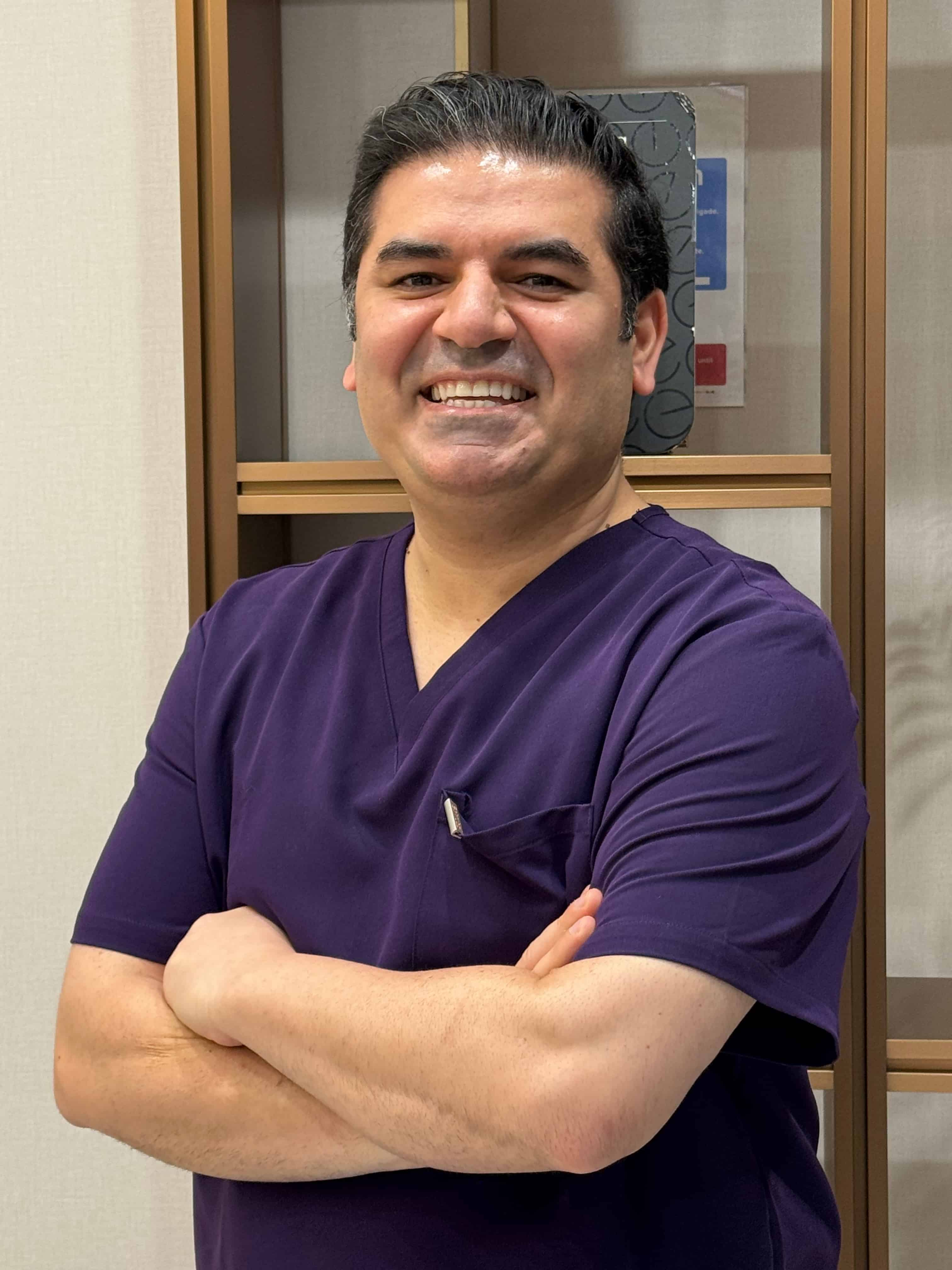
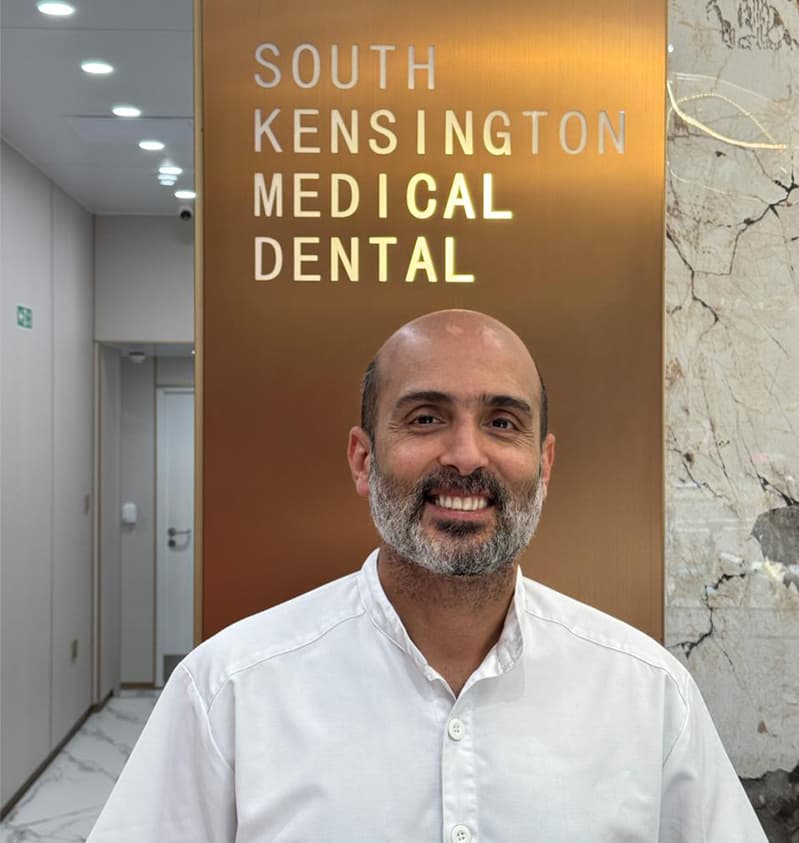
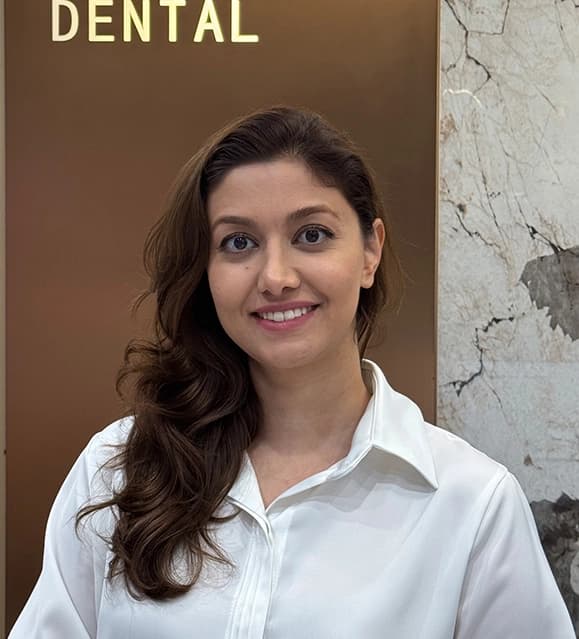
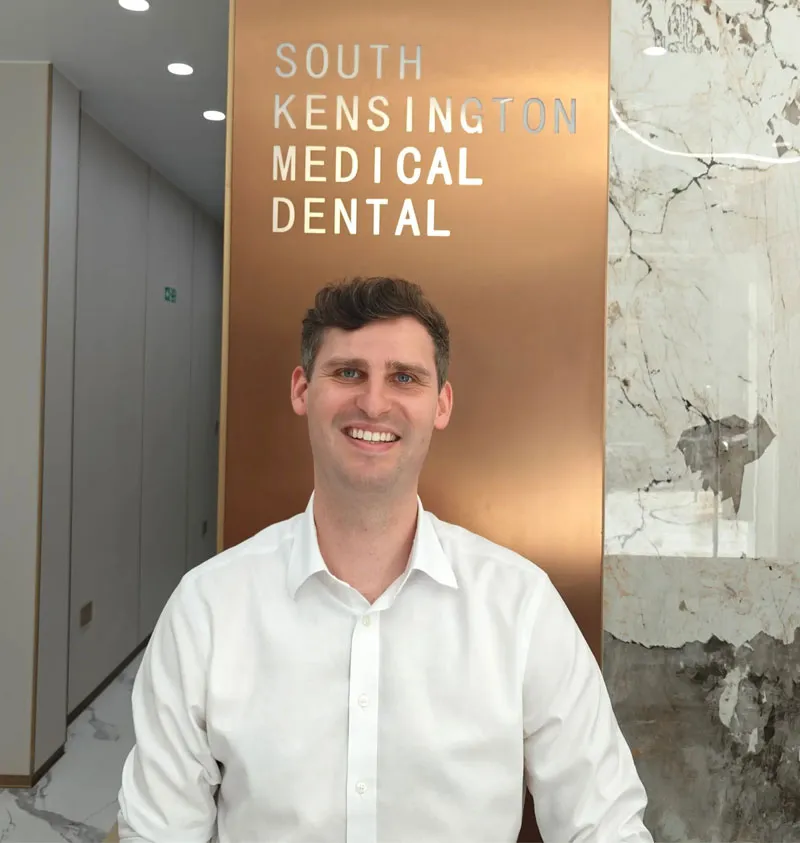
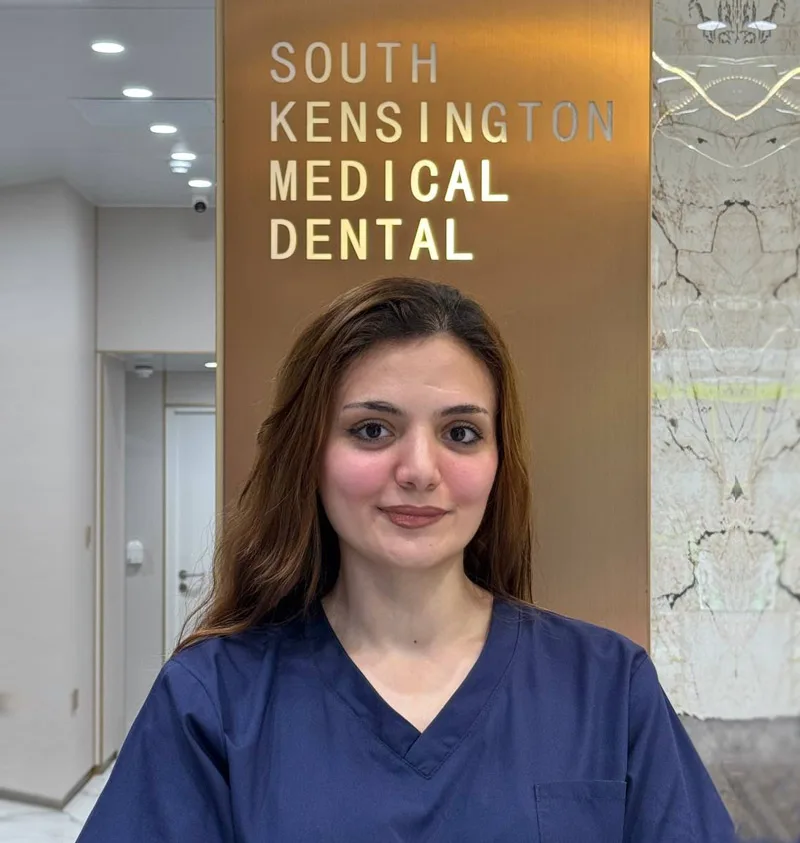
Meet Our Dental Team
Our experienced dental team is fully qualified and registered with the GDC, delivering safe, high-quality care in line with the highest professional standards.
Because our patients deserve nothing less.
If your tooth has been damaged by decay, a fracture, or a failing restoration, you may be wondering whether an inlay or a dental crown is the best option. Both are custom-made restorations designed to repair and strengthen a damaged tooth — but they differ in how much of the tooth they cover and the level of damage they are designed to treat.
An inlay restores moderate damage within the tooth structure, preserving more of the natural tooth. A dental crown covers the entire visible surface, providing full protection for teeth that are heavily damaged or weakened. The most suitable option depends entirely on the extent of damage and the amount of healthy tooth structure that remains.
This guide explains the key differences between inlays and crowns to help you understand your options. The right treatment will always depend on a clinical assessment by your dentist.
| Feature | Dental Inlay | Dental Crown |
|---|---|---|
| Purpose | Restore moderate tooth damage within the tooth structure | Restore heavily damaged or weakened teeth with full coverage |
| Coverage of Tooth | Partial — sits within the cusps of the tooth | Full — covers the entire visible surface of the tooth |
| Strength and Durability | Strong for moderate restorations — porcelain or composite | Very strong — full encasement protects and reinforces the tooth |
| Aesthetic Result | Excellent — tooth-coloured, blends naturally | Excellent — available in porcelain, ceramic, or zirconia |
| Treatment Time | Two appointments (impression + fitting) | Two appointments (preparation + fitting) |
| Cost (at Our Practice) | From £497.50 (member) / £995 | From £497.50 (member) / £995 |
| Longevity | 10–15 years or more with proper care | 10–20 years or more with proper care |
| Tooth Preparation Required | Minimal — preserves more natural tooth structure | More extensive — tooth reduced to accommodate the crown |
| Suitability | Moderate decay or damage where cusps are intact | Extensive damage, large fractures, root canal treated teeth |
Purpose
Inlay
Restore moderate tooth damage within the tooth structure
Crown
Restore heavily damaged or weakened teeth with full coverage
Coverage of Tooth
Inlay
Partial — sits within the cusps of the tooth
Crown
Full — covers the entire visible surface of the tooth
Strength and Durability
Inlay
Strong for moderate restorations — porcelain or composite
Crown
Very strong — full encasement protects and reinforces the tooth
Aesthetic Result
Inlay
Excellent — tooth-coloured, blends naturally
Crown
Excellent — available in porcelain, ceramic, or zirconia
Treatment Time
Inlay
Two appointments (impression + fitting)
Crown
Two appointments (preparation + fitting)
Cost (at Our Practice)
Inlay
From £497.50 (member) / £995
Crown
From £497.50 (member) / £995
Longevity
Inlay
10–15 years or more with proper care
Crown
10–20 years or more with proper care
Tooth Preparation Required
Inlay
Minimal — preserves more natural tooth structure
Crown
More extensive — tooth reduced to accommodate the crown
Suitability
Inlay
Moderate decay or damage where cusps are intact
Crown
Extensive damage, large fractures, root canal treated teeth
A dental inlay is a custom-made restoration that is placed within the cusps of a tooth to repair moderate decay or damage. Unlike a standard filling that is moulded directly in the mouth, an inlay is fabricated in a dental laboratory from porcelain, composite, or gold, and then bonded precisely into the prepared cavity.
Inlays are used when a tooth has sustained damage that is too extensive for a simple filling but not severe enough to require a full crown. They preserve more of the natural tooth structure and provide a stronger, more durable restoration than a large composite filling.
Inlays are suitable for patients with moderate tooth decay or damage where the cusps of the tooth remain intact. They are ideal for replacing large or failing fillings, repairing cracked teeth (where the crack does not extend to the cusps), and restoring teeth where preserving natural structure is a priority. Candidacy is confirmed through a clinical assessment.
A dental crown is a full-coverage cap that is placed over a damaged tooth to restore its shape, strength, and appearance. Using dental crowns for restoring damaged or weakened teeth is one of the most established treatments in restorative dentistry, providing complete protection for teeth that have been significantly compromised.
Crowns are made from porcelain, ceramic, zirconia, or metal alloys and are custom-designed to match the colour and shape of your natural teeth. They are used when a tooth has been extensively damaged by decay, fracture, or following root canal treatment — situations where a filling or inlay would not provide adequate structural support.
Crowns are suitable for patients with extensive tooth damage — including large fractures, severe decay, weakened teeth after root canal treatment, or teeth with large failing restorations. They are also used to support dental bridges, cap dental implants, and improve the appearance of misshapen teeth. A clinical assessment determines whether a crown is the most appropriate restoration.
An inlay sits within the cusps of the tooth, restoring only the damaged area. A crown covers the entire visible surface of the tooth, encasing it completely. The level of damage determines which approach is appropriate.
Both are strong and durable restorations. However, a crown provides greater structural reinforcement because it encases the whole tooth, making it the preferred option for teeth that are heavily weakened or at risk of fracture.
Inlays require minimal tooth preparation — only the damaged area is removed. Crowns require the tooth to be reduced on all sides to accommodate the cap. This makes inlays the more conservative option when clinically suitable.
Inlays typically last 10–15 years or more, while crowns can last 10–20 years or more. Both depend on the material used, the location of the tooth, oral hygiene, and whether habits like grinding are managed.
Both inlays and crowns can achieve excellent aesthetic results using tooth-coloured materials. Inlays blend seamlessly within the tooth, while crowns can also improve the overall shape and appearance of a damaged tooth.
Both require two appointments — one for preparation and impressions, and one for fitting. Crown preparation is more involved due to the greater amount of tooth reduction required, but both are routine restorative procedures.
At our practice, both inlays and crowns start from £497.50 for members (£995 standard). The final cost depends on the material, complexity, and the tooth being treated. Both represent a long-term investment in preserving the tooth.
Both inlays and crowns are custom-made restorations produced in a dental laboratory. The cost depends on the material used, the complexity of the case, and the specific tooth being treated.
| Treatment | Member Price | Standard Price | Notes |
|---|---|---|---|
| Dental Inlay | From £497.50 | From £995 | Partial coverage — moderate damage |
| Dental Crown | From £497.50 | From £995 | Full coverage — extensive damage |
Dental Inlay
Dental Crown
The final cost depends on the material selected (porcelain, zirconia, composite, or gold) and the complexity of the restoration. For detailed pricing information, see our guide to dental crown cost in London. Membership patients receive 50% off most treatments.
If the damage is moderate and the cusps of the tooth are intact, an inlay preserves more of the natural tooth. This conservative approach is ideal when the remaining structure is strong enough to support a partial restoration.
Dental InlayIf the tooth is extensively damaged, fractured, or weakened after root canal treatment, a crown provides full coverage and structural reinforcement — protecting the tooth from further breakage.
Dental CrownBoth restorations are long-lasting. Crowns typically last 10–20 years and provide maximum protection. Inlays last 10–15 years and are ideal when less intervention is needed. Your dentist will advise based on the clinical situation.
Both OptionsWhen decay or damage is too extensive for a filling but does not require full coverage, an inlay is the ideal middle-ground restoration — offering strength, precision, and preservation of healthy tooth structure.
Dental InlayThe best way to determine whether an inlay or a crown is right for your tooth is with a personalised clinical assessment. Our dental team will examine the extent of damage and recommend the most appropriate restoration — book a consultation with a dentist in London to discuss your options.
This page is intended for general educational purposes only and does not constitute personalised dental advice. Individual diagnosis and treatment recommendations require a clinical examination by a qualified dental professional. All treatment outcomes depend on individual clinical factors and cannot be guaranteed. The suitability of an inlay or dental crown is determined during a clinical assessment. South Kensington Medical & Dental is registered with the Care Quality Commission (CQC) and all practitioners are registered with the General Dental Council (GDC).
Our experienced dental team is fully qualified and registered with the GDC, delivering safe, high-quality care in line with the highest professional standards.
Because our patients deserve nothing less.
At South Kensington Medical & Dental, we are fully registered with the Care Quality Commission (CQC) and our clinicians are registered with the relevant UK regulatory bodies, including the GDC and GMC. Our dentists, dental nurses and medical professionals deliver care that meets the highest clinical, safety and ethical standards, because our patients deserve nothing less.




We work with all major UK insurers including Bupa, AXA Health, Aviva, Cigna, Vitality, WPA, Unum and Boots Dental Plan. We'll provide the receipts and paperwork you need to claim back your treatment costs.