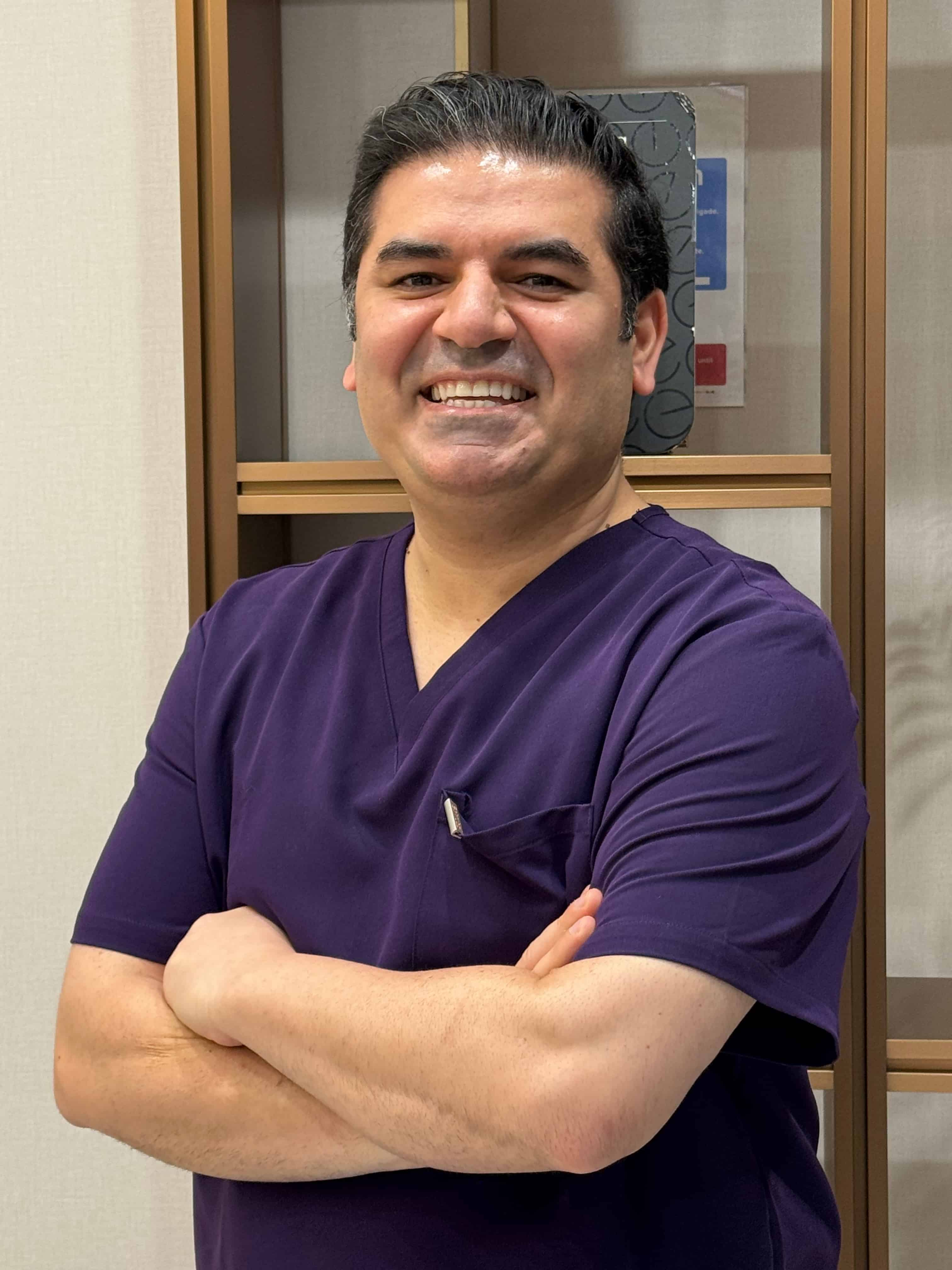
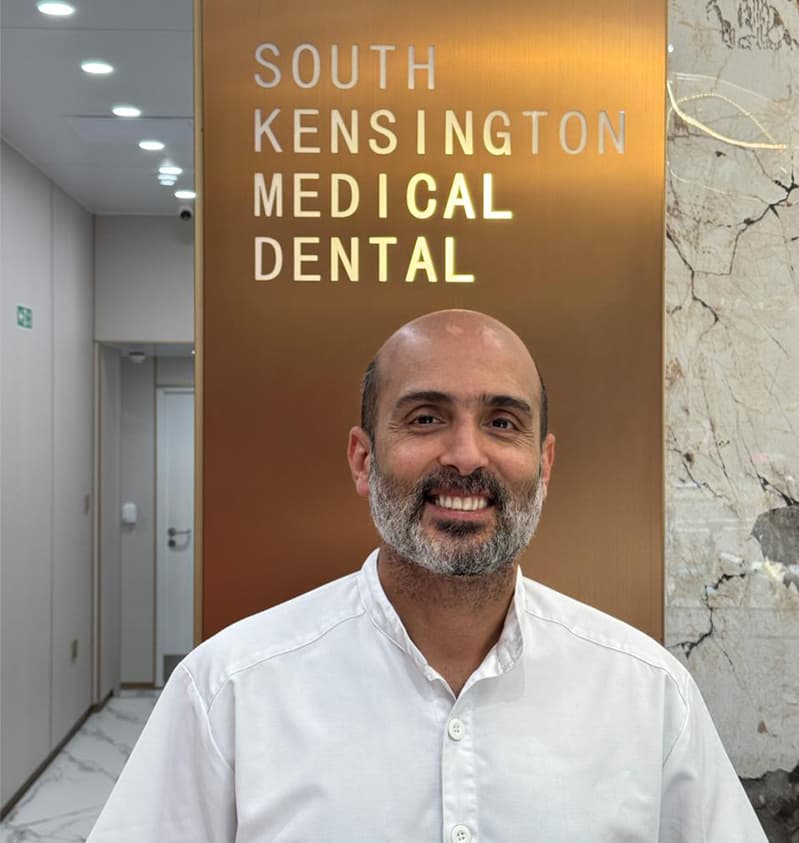
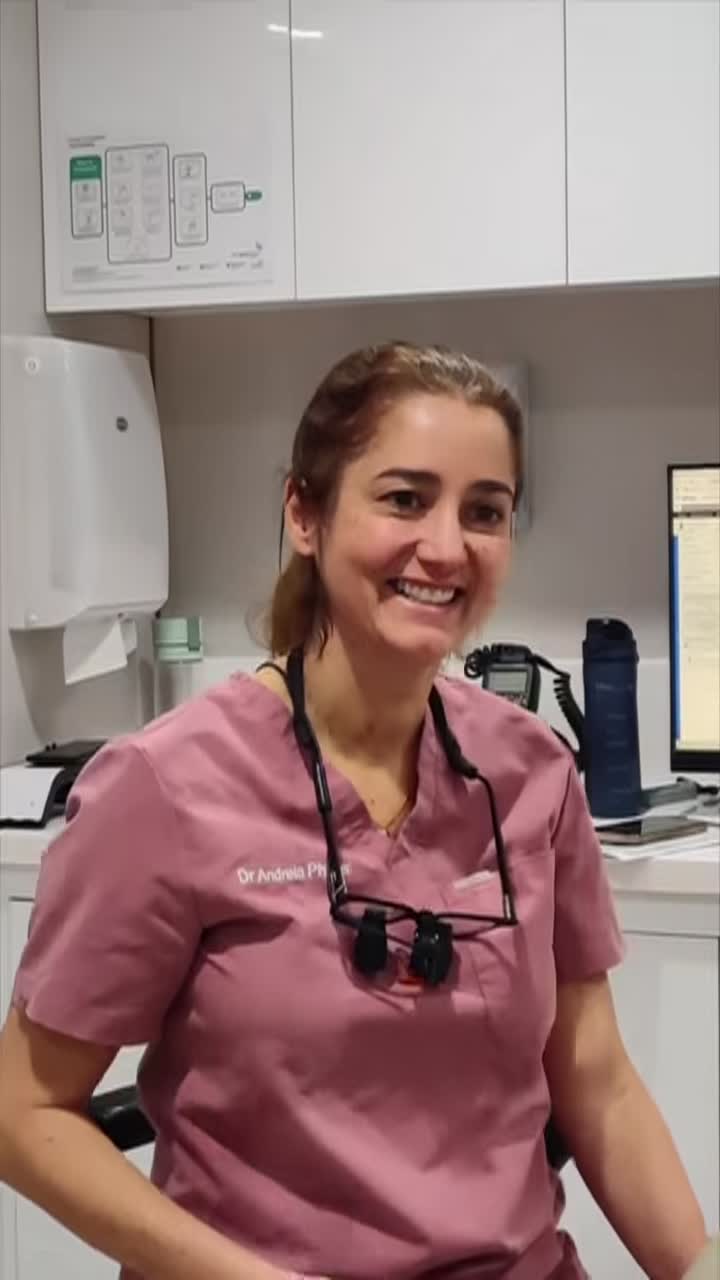
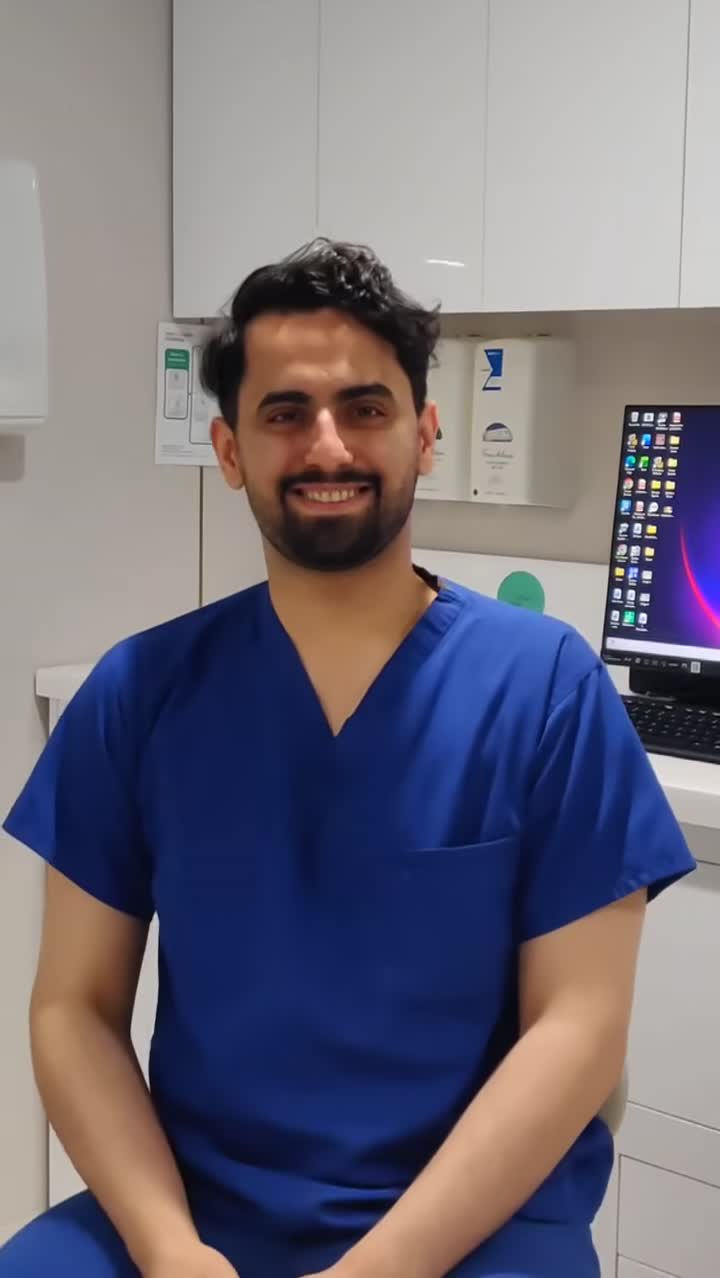
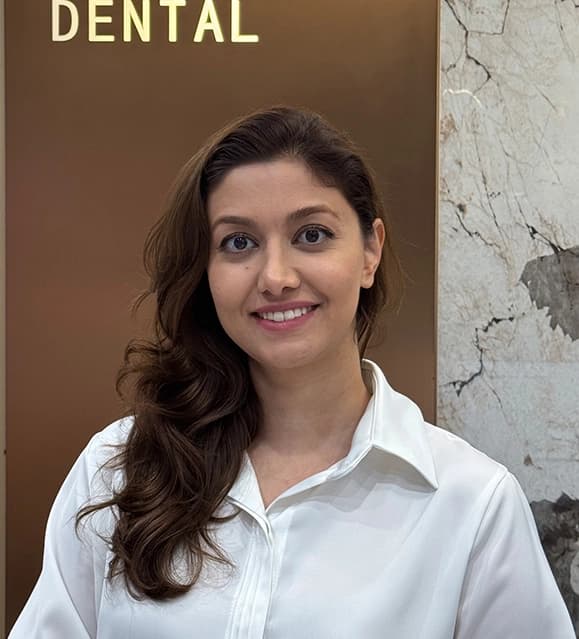
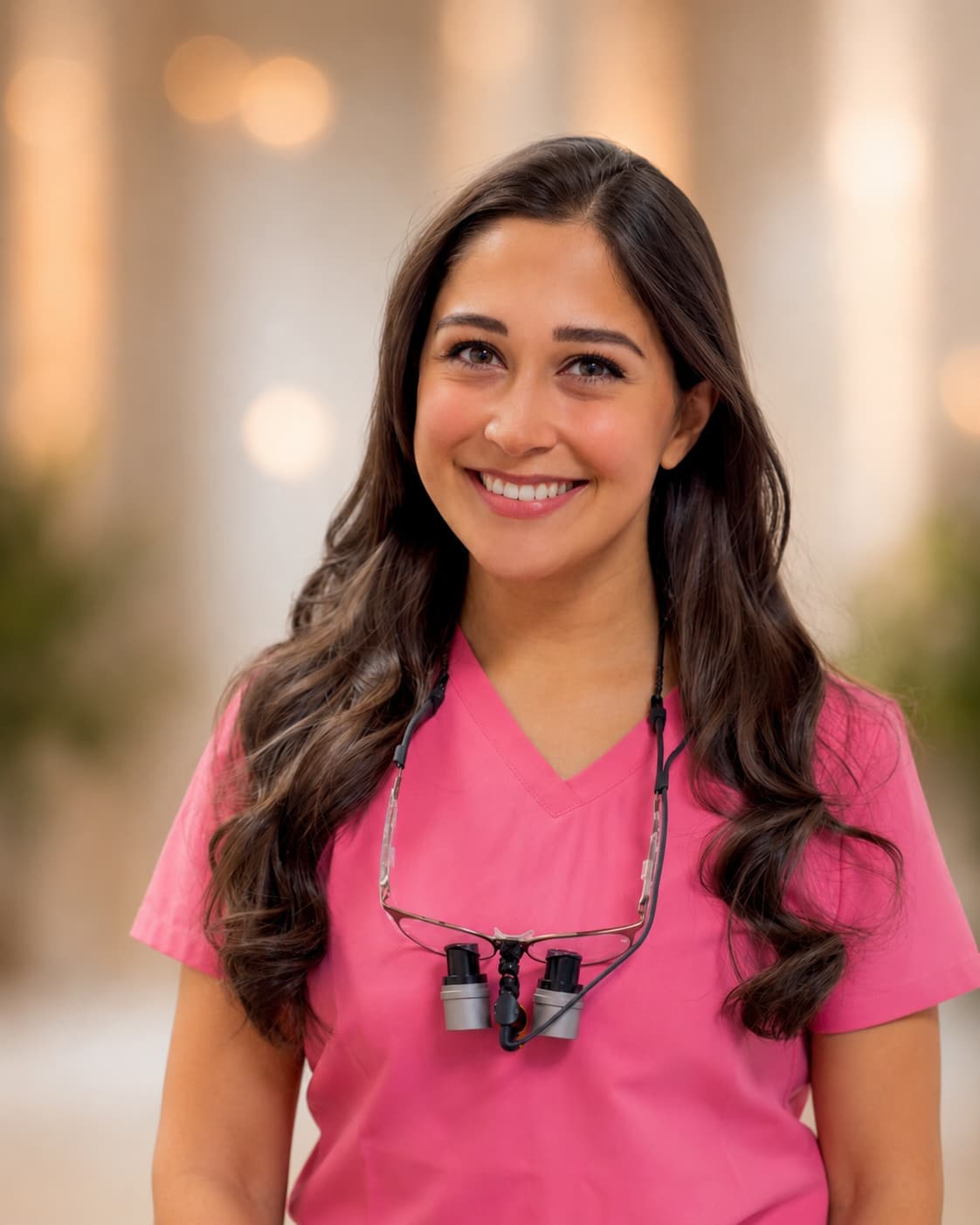
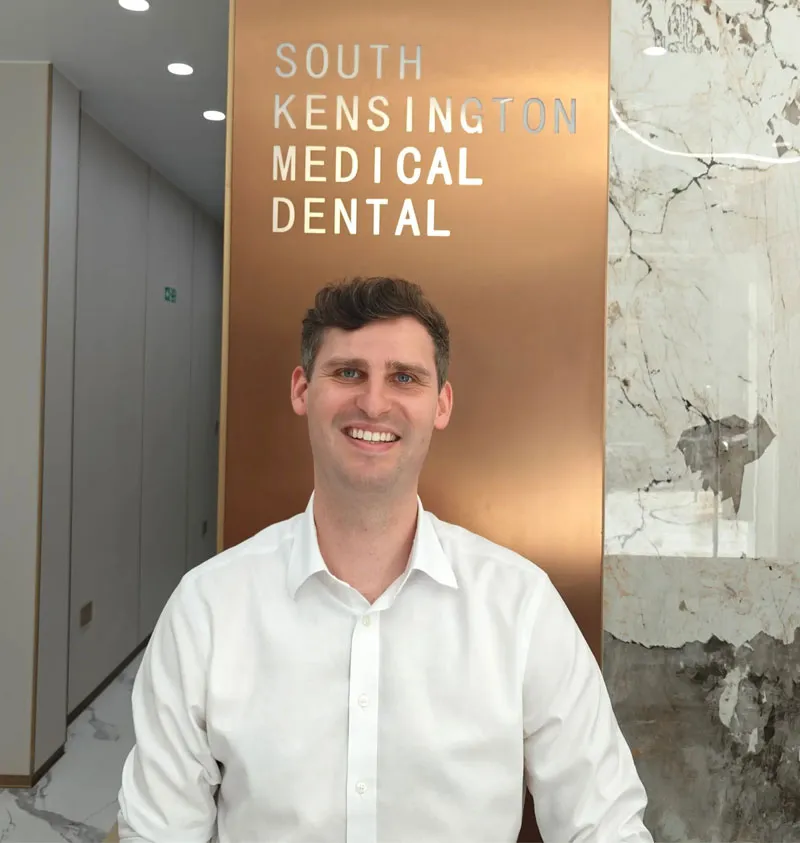
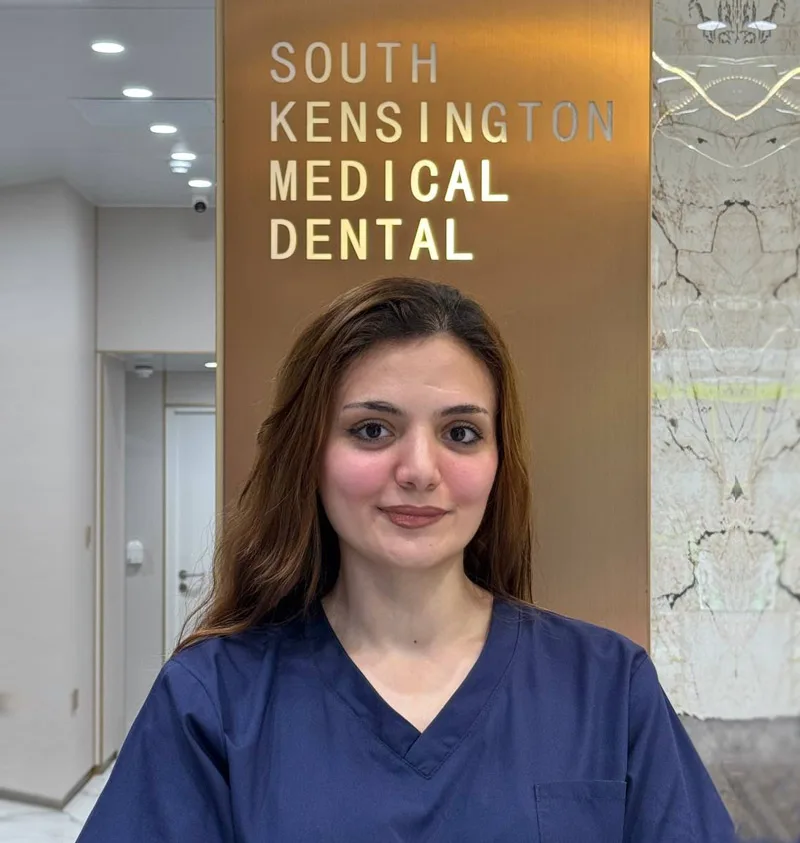
Meet Our Dental Team
Our experienced dental team is fully qualified and registered with the GDC, delivering safe, high-quality care in line with the highest professional standards.
Because our patients deserve nothing less.
If you are missing several or all of your teeth, you may be considering dentures to restore your smile and daily function. One of the most common questions patients ask is whether implant-supported dentures offer a meaningful improvement over regular dentures — particularly when it comes to stability, comfort, and long-term outcomes.
Regular dentures are a well-established solution that rests on the gums. Implant-supported dentures use dental implants to anchor the prosthetic securely in place, eliminating the movement and adhesive that many denture wearers experience. Both options can restore appearance and function, but they differ significantly in how they feel, how long they last, and what they cost.
This guide compares both options to help you understand the key differences. The most suitable treatment will always depend on a clinical assessment by your dentist.
| Feature | Implant-Supported Dentures | Regular Dentures |
|---|---|---|
| Purpose | Replace missing teeth with a denture secured by dental implants | Replace missing teeth with a removable prosthetic resting on the gums |
| Stability | Anchored to implants — does not slip or move | Rests on the gums — may shift during eating or speaking |
| Comfort and Fit | Secure fit — feels closer to natural teeth | May require adhesive — can cause irritation over time |
| Strength and Durability | Strong and durable — implants integrate with the jawbone | Functional but may wear or loosen over time |
| Aesthetic Result | Natural-looking — minimal movement during speech | Good appearance — may shift slightly during use |
| Treatment Time | Several months (implant placement + healing + denture fitting) | Weeks (impressions, fitting, and adjustments) |
| Cost (at Our Practice) | Higher — includes implant surgery and prosthetic | Lower — from £547.50 (member) / £1,095 for full acrylic denture |
| Longevity | 15–25 years or more with proper maintenance | 5–10 years before replacement is typically needed |
| Suitability | Patients with adequate jawbone and good general health | Most patients — including those not suitable for implant surgery |
Purpose
Implant-Supported
Replace missing teeth with a denture secured by dental implants
Regular Dentures
Replace missing teeth with a removable prosthetic resting on the gums
Stability
Implant-Supported
Anchored to implants — does not slip or move
Regular Dentures
Rests on the gums — may shift during eating or speaking
Comfort and Fit
Implant-Supported
Secure fit — feels closer to natural teeth
Regular Dentures
May require adhesive — can cause irritation over time
Strength and Durability
Implant-Supported
Strong and durable — implants integrate with the jawbone
Regular Dentures
Functional but may wear or loosen over time
Aesthetic Result
Implant-Supported
Natural-looking — minimal movement during speech
Regular Dentures
Good appearance — may shift slightly during use
Treatment Time
Implant-Supported
Several months (implant placement + healing + denture fitting)
Regular Dentures
Weeks (impressions, fitting, and adjustments)
Cost (at Our Practice)
Implant-Supported
Higher — includes implant surgery and prosthetic
Regular Dentures
Lower — from £547.50 (member) / £1,095 for full acrylic denture
Longevity
Implant-Supported
15–25 years or more with proper maintenance
Regular Dentures
5–10 years before replacement is typically needed
Suitability
Implant-Supported
Patients with adequate jawbone and good general health
Regular Dentures
Most patients — including those not suitable for implant surgery
Implant-supported dentures are a type of overdenture that is secured to dental implants placed in the jawbone. Unlike regular dentures that rest on the gums, implant-supported dentures clip or screw onto implant fixtures, providing a stable and secure fit that does not move during eating, speaking, or daily activities.
The treatment typically involves placing two to six implants into the jawbone, allowing them to integrate over several months, and then attaching a custom-made denture to the implants. The result is a prosthetic that feels closer to natural teeth and eliminates the need for denture adhesive.
Implant-supported dentures are suitable for patients who have lost most or all of their teeth and have adequate jawbone density to support implants. Good general health and commitment to oral hygiene are important. Patients who are frustrated with loose or uncomfortable regular dentures are often strong candidates. A clinical assessment including imaging is required to determine suitability.
Regular dentures — also known as conventional or traditional dentures — are removable dentures for replacing multiple missing teeth. They are custom-made prosthetics that sit on the gums, held in place by suction, the shape of the jaw ridge, and sometimes denture adhesive.
Dentures can replace a full arch (complete dentures) or several teeth (partial dentures). They are made from acrylic, cobalt-chrome, or flexible materials depending on the patient's needs and preferences. Regular dentures are a well-established, non-surgical option that has helped millions of patients restore function and appearance after tooth loss.
Regular dentures are suitable for most patients who have lost several or all of their teeth. They are a particularly good option for patients who are not candidates for implant surgery due to medical conditions, insufficient bone density, or personal preference. They are also appropriate for patients seeking a more affordable solution or those who prefer a non-surgical approach.
Implant-supported dentures are anchored to implants in the jawbone, providing a fixed, secure fit. Regular dentures rest on the gums and rely on suction or adhesive — they can be removed for cleaning and at night.
Implant-supported dentures do not move during eating or speaking, offering a level of comfort closer to natural teeth. Regular dentures can shift, click, or cause sore spots, particularly as the jawbone changes shape over time.
Dental implants stimulate the jawbone, helping to preserve bone density and facial structure. Regular dentures sit on the surface and do not prevent bone resorption, which can cause the fit to deteriorate over time.
Implant-supported dentures require regular dental check-ups, professional cleaning, and careful home hygiene around the implant sites. Regular dentures need daily cleaning, soaking overnight, and periodic relining or replacement.
Implant-supported dentures typically last 15–25 years or more, with the implant fixtures potentially lasting a lifetime. Regular dentures usually need replacing every 5–10 years as the jawbone changes and the fit loosens.
Both options can produce a natural-looking result. However, implant-supported dentures tend to feel and look more natural during daily use because they do not shift, providing greater confidence during speech and social interaction.
Implant-supported dentures have a higher upfront cost due to implant surgery. Regular dentures are more affordable initially — full acrylic dentures start from £547.50 (member) / £1,095. However, implant dentures may be more cost-effective long-term due to their durability.
Implant-supported dentures involve a higher upfront investment due to implant surgery. Regular dentures are more affordable initially but may need replacing more frequently. The total long-term cost should be considered when comparing options.
| Treatment | Member Price | Standard Price | Notes |
|---|---|---|---|
| Dental Implants (inc. crown) | From £2,950 | From £2,950 | Per implant — multiple may be needed |
| Implant Consultation (1 hour) | £80 | £80 | Comprehensive assessment with imaging |
| Acrylic Denture (Full) | From £547.50 | From £1,095 | Complete arch replacement |
| Acrylic Denture (Partial) | From £397.50 | From £795 | Replaces several missing teeth |
| Cobalt-Chrome Denture | £697.50 | £1,395 | Stronger, thinner, premium option |
| Valplast/Flexi Denture | £447.50 | £895 | Flexible, lightweight alternative |
Dental Implants (inc. crown)
Implant Consultation
Acrylic Denture (Full)
Acrylic Denture (Partial)
Cobalt-Chrome Denture
Valplast/Flexi Denture
Implant-supported denture costs depend on the number of implants required and the type of prosthetic. For detailed implant pricing, see our guide to dental implant cost in London. Membership patients receive 50% off most treatments.
If loose or slipping dentures are affecting your confidence, implant-supported dentures provide a secure, anchored fit that stays in place during eating and speaking — no adhesive needed.
Implant-SupportedIf cost is a primary concern, regular dentures offer a proven, non-surgical solution at a lower price point. Full acrylic dentures start from £547.50 for members, providing an accessible option for tooth replacement.
Regular DenturesImplant-supported dentures last 15–25 years or more and help preserve jawbone density. While the upfront cost is higher, the long-term value and reduced need for replacement can make them more cost-effective over time.
Implant-SupportedIf you are not suitable for implant surgery due to medical conditions, insufficient bone density, or personal preference, regular dentures remain an effective and reliable option for restoring function and appearance.
Regular DenturesThe best way to determine which type of denture is right for you is with a personalised consultation. Our dental team will assess your oral health, jawbone condition, and individual needs to recommend the most appropriate solution — book a consultation with a dentist in London to discuss your options.
This page is intended for general educational purposes only and does not constitute personalised dental advice. Individual diagnosis and treatment recommendations require a clinical examination by a qualified dental professional. All treatment outcomes depend on individual clinical factors and cannot be guaranteed. The suitability of implant-supported dentures or regular dentures is determined during a clinical assessment. South Kensington Medical & Dental is registered with the Care Quality Commission (CQC) and all practitioners are registered with the General Dental Council (GDC).
Our experienced dental team is fully qualified and registered with the GDC, delivering safe, high-quality care in line with the highest professional standards.
Because our patients deserve nothing less.
At South Kensington Medical & Dental, we are fully registered with the Care Quality Commission (CQC) and our clinicians are registered with the relevant UK regulatory bodies, including the GDC and GMC. Our dentists, dental nurses and medical professionals deliver care that meets the highest clinical, safety and ethical standards, because our patients deserve nothing less.

We work with all major UK insurers including Bupa, AXA Health, Aviva, Cigna, Vitality, WPA, Unum and Boots Dental Plan. We'll provide the receipts and paperwork you need to claim back your treatment costs.