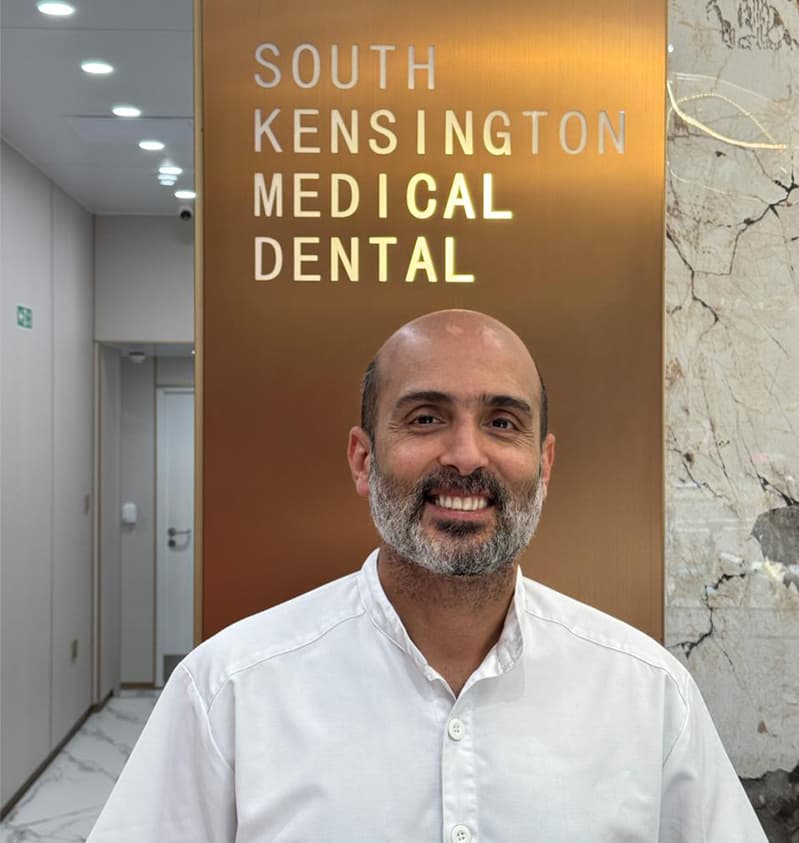
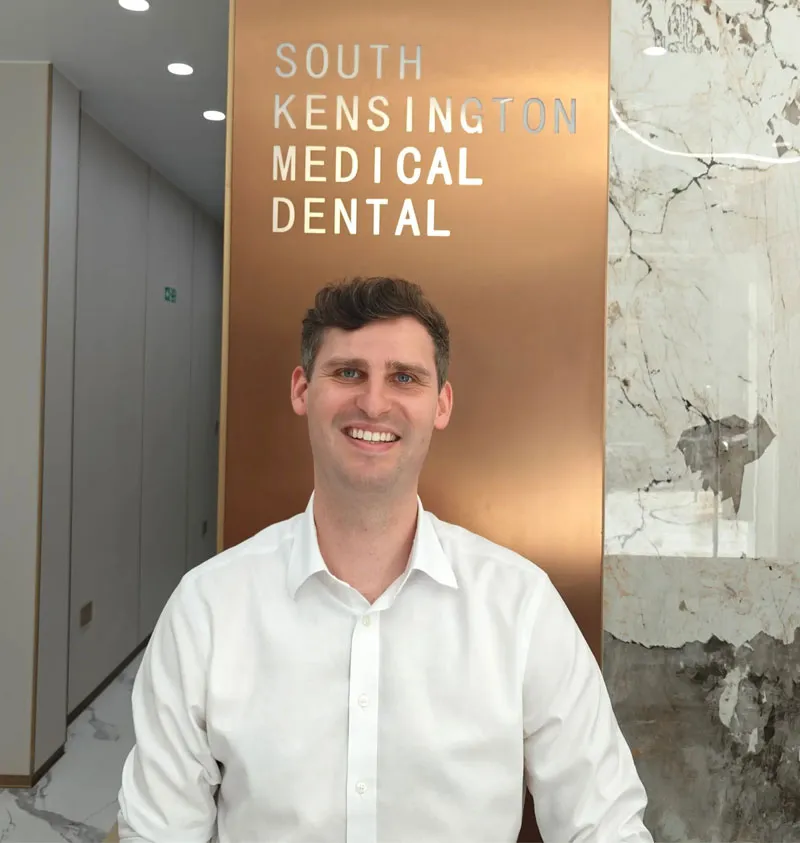
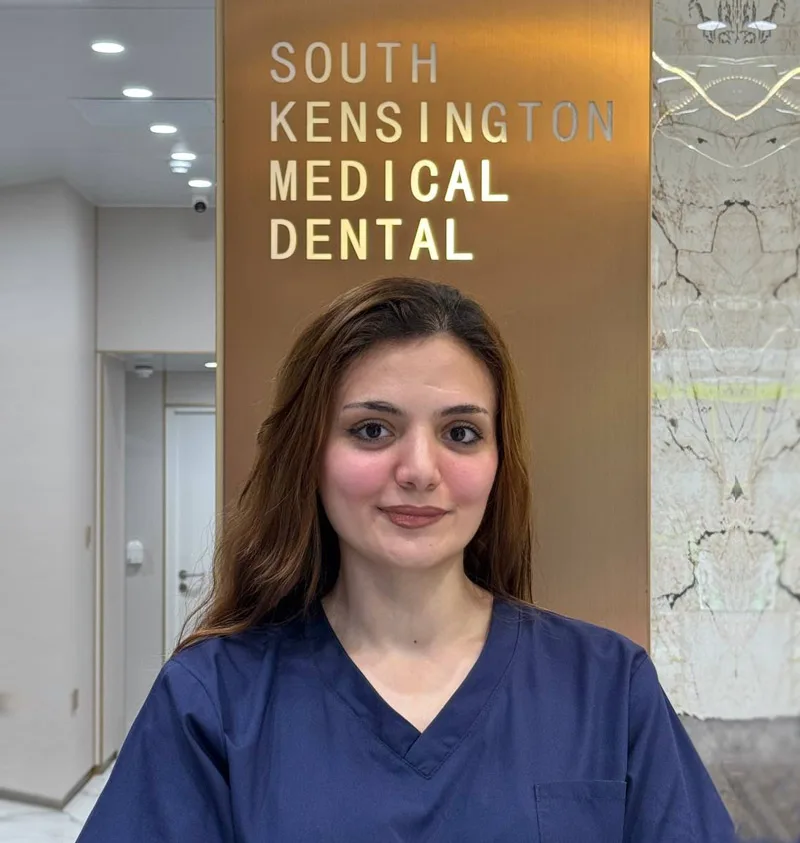
Meet Our Dental Team
Our experienced dental team is fully qualified and registered with the GDC, delivering safe, high-quality care in line with the highest professional standards.
Because our patients deserve nothing less.
If you are dealing with gum disease, infection, or a damaged tooth, you may be wondering whether the tooth can be saved with gum treatment or whether extraction is the better option. Both approaches have their place in dentistry, and the right choice depends entirely on the condition of the tooth and surrounding tissues.
Gum treatment aims to manage periodontal disease and preserve the natural tooth wherever possible. Extraction removes a tooth that is too damaged or diseased to save. In most cases, preserving a natural tooth is preferred — but when the damage is too advanced, extraction may be the most responsible clinical decision.
This guide explains the key differences to help you understand your options. The most suitable treatment will always depend on a clinical assessment by your dentist.
| Feature | Gum Treatment | Tooth Extraction |
|---|---|---|
| Purpose | Manage gum disease and preserve the natural tooth | Remove a tooth that cannot be saved |
| Preservation of Natural Tooth | Yes — aims to keep the tooth in place | No — the tooth is permanently removed |
| Procedure Type | Non-surgical or minimally invasive (deep cleaning, root planing) | Surgical removal of the tooth under local anaesthesia |
| Recovery Time | Minimal — mild discomfort for a few days | 1–2 weeks for the socket to heal |
| Strength and Function | Natural tooth retained — full function maintained | Tooth removed — replacement may be needed for function |
| Treatment Time | Multiple appointments over weeks or months | Single appointment (30–60 minutes typically) |
| Cost (at Our Practice) | From £425 (member) / £850 for periodontal treatment | From £125 (member) / £250 for simple extraction |
| Longevity | Long-term with ongoing maintenance — tooth preserved | Permanent — tooth removed, may need implant or bridge |
| Suitability | Early to moderate gum disease with salvageable tooth | Severely damaged, infected, or non-restorable teeth |
Purpose
Gum Treatment
Manage gum disease and preserve the natural tooth
Extraction
Remove a tooth that cannot be saved
Preservation of Natural Tooth
Gum Treatment
Yes — aims to keep the tooth in place
Extraction
No — the tooth is permanently removed
Procedure Type
Gum Treatment
Non-surgical or minimally invasive (deep cleaning, root planing)
Extraction
Surgical removal of the tooth under local anaesthesia
Recovery Time
Gum Treatment
Minimal — mild discomfort for a few days
Extraction
1–2 weeks for the socket to heal
Strength and Function
Gum Treatment
Natural tooth retained — full function maintained
Extraction
Tooth removed — replacement may be needed for function
Treatment Time
Gum Treatment
Multiple appointments over weeks or months
Extraction
Single appointment (30–60 minutes typically)
Cost (at Our Practice)
Gum Treatment
From £425 (member) / £850 for periodontal treatment
Extraction
From £125 (member) / £250 for simple extraction
Longevity
Gum Treatment
Long-term with ongoing maintenance — tooth preserved
Extraction
Permanent — tooth removed, may need implant or bridge
Suitability
Gum Treatment
Early to moderate gum disease with salvageable tooth
Extraction
Severely damaged, infected, or non-restorable teeth
Gum treatment — also known as periodontal treatment — is a range of procedures aimed at managing gum disease and preserving the natural teeth. It includes deep cleaning (scaling and root planing), which removes bacteria and tartar from below the gum line, allowing the gum tissue to heal and reattach to the tooth.
Treatment is typically carried out over multiple appointments, with the severity of the disease determining the approach. Early-stage gum disease (gingivitis) may be managed with professional cleaning and improved home care. More advanced periodontitis requires deeper intervention, including root planing and ongoing maintenance to stabilise the condition.
Gum treatment is suitable for patients with early to moderate gum disease where the tooth and supporting bone can still be preserved. It is most effective when combined with good oral hygiene at home and regular dental check-ups. Candidacy is determined through a clinical assessment including measurement of gum pockets and bone levels.
Tooth extraction treatment for severely damaged teeth involves the complete removal of a tooth from its socket in the jawbone. It is performed under local anaesthesia and may be recommended when a tooth is too damaged, infected, or weakened by advanced gum disease to be saved.
Extractions range from simple (where the tooth is visible and can be removed with forceps) to surgical (where the tooth may be impacted or require bone removal). After extraction, the gap may need to be filled with an implant, bridge, or denture to restore function and prevent adjacent teeth from shifting.
Extraction is appropriate when a tooth is severely damaged by decay, fracture, or advanced gum disease and cannot be restored. It may also be recommended for teeth causing overcrowding, impacted wisdom teeth, or teeth with infections that do not respond to other treatments. Your dentist will always explore conservative options before recommending extraction.
Gum treatment aims to preserve the natural tooth by addressing the underlying disease. Extraction permanently removes the tooth. Wherever clinically viable, preserving a natural tooth is generally the preferred approach.
Gum treatment targets the cause of disease — bacteria, tartar, and inflamed tissue — to restore gum health. Extraction removes the affected tooth entirely, eliminating the immediate problem but requiring a replacement to restore function.
Preserving a natural tooth maintains bone density, bite alignment, and the health of surrounding teeth. Extraction can lead to bone loss at the site and shifting of adjacent teeth if the gap is not filled with a replacement.
Gum treatment recovery is minimal — some sensitivity for a few days with ongoing hygiene maintenance. Extraction involves a healing period of 1–2 weeks, with dietary restrictions and careful socket care to prevent complications.
Successfully treated gum disease allows the tooth to remain for years with proper maintenance. After extraction, the tooth is gone permanently — replacement with an implant, bridge, or denture adds further treatment time and cost.
Gum treatment preserves your natural tooth and smile. Extraction creates a gap that may affect appearance and function until replaced. Modern replacements can restore aesthetics, but nothing fully replicates a natural tooth.
Periodontal treatment starts from £425 (member) / £850. Simple extraction starts from £125 (member) / £250. However, extraction often leads to additional costs for tooth replacement, which can significantly increase the total investment.
Costs vary depending on the severity of the condition, the type of procedure, and individual clinical needs. Extraction may be cheaper initially, but tooth replacement can significantly increase the total cost over time.
| Treatment | Member Price | Standard Price | Notes |
|---|---|---|---|
| Periodontal Treatment | From £425 | From £850 | Preserves the natural tooth |
| Extraction (Simple) | From £125 | From £250 | Visible, accessible tooth |
| Extraction (Complicated) | From £225 | From £450 | Broken or difficult to access |
| Extraction (Surgical) | From £325 | From £650 | Impacted or requires bone removal |
| Dental Hygiene | £44.50 | £89 | Professional cleaning — supports gum health |
Periodontal Treatment
Extraction (Simple)
Extraction (Complicated)
Extraction (Surgical)
Dental Hygiene
Extraction costs do not include replacement teeth. If a tooth is extracted, you may need an implant, bridge, or denture — each with additional costs. For extraction pricing details, see our guide to tooth extraction cost in London. Membership patients receive 50% off most treatments.
If the tooth and supporting bone can be saved, gum treatment is the preferred approach — preserving your natural tooth, maintaining bone density, and avoiding the need for prosthetic replacement.
Gum TreatmentIf the tooth is severely damaged, the bone has deteriorated significantly, or infection cannot be controlled, extraction removes the problem and protects surrounding teeth.
ExtractionPreserving natural teeth supports long-term oral health, maintains bone structure, and avoids the ongoing costs and maintenance of replacement teeth.
Gum TreatmentThe decision between saving and extracting a tooth is ultimately a clinical one. Your dentist will assess the tooth, bone levels, and overall oral health to recommend the most appropriate treatment.
Dentist AssessmentThe best way to determine whether gum treatment or extraction is right for you is with a personalised consultation. Our dental team will assess the condition of your teeth and gums and recommend the most appropriate treatment — book a consultation with a dentist in London to discuss your options.
This page is intended for general educational purposes only and does not constitute personalised dental advice. Individual diagnosis and treatment recommendations require a clinical examination by a qualified dental professional. All treatment outcomes depend on individual clinical factors and cannot be guaranteed. The suitability of gum treatment or tooth extraction is determined during a clinical assessment. South Kensington Medical & Dental is registered with the Care Quality Commission (CQC) and all practitioners are registered with the General Dental Council (GDC).
Our experienced dental team is fully qualified and registered with the GDC, delivering safe, high-quality care in line with the highest professional standards.
Because our patients deserve nothing less.
At South Kensington Medical & Dental, we are fully registered with the Care Quality Commission (CQC) and our clinicians are registered with the relevant UK regulatory bodies, including the GDC and GMC. Our dentists, dental nurses and medical professionals deliver care that meets the highest clinical, safety and ethical standards, because our patients deserve nothing less.


We work with all major UK insurers including Bupa, AXA Health, Aviva, Cigna, Vitality, WPA, Unum and Boots Dental Plan. We'll provide the receipts and paperwork you need to claim back your treatment costs.