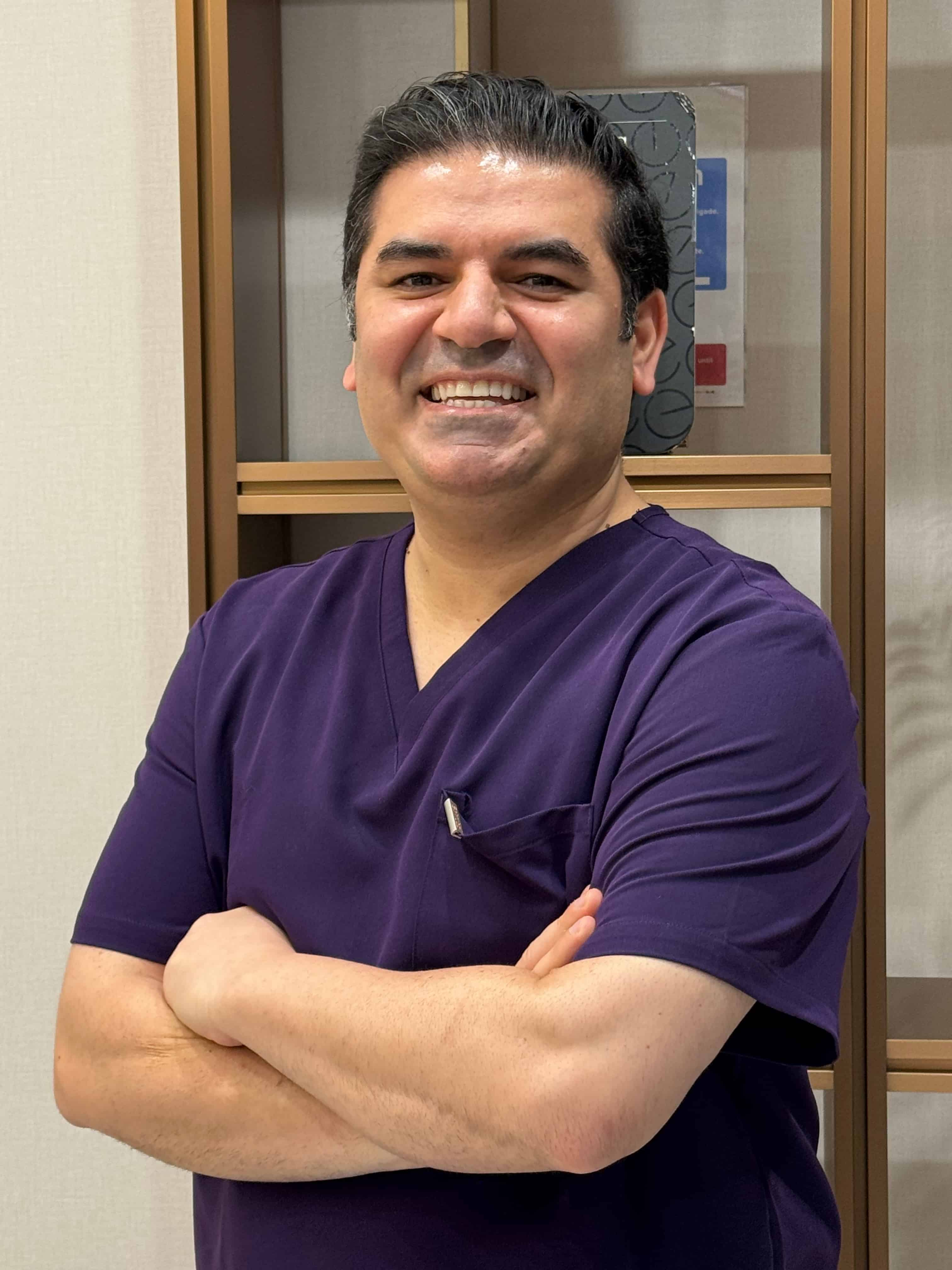
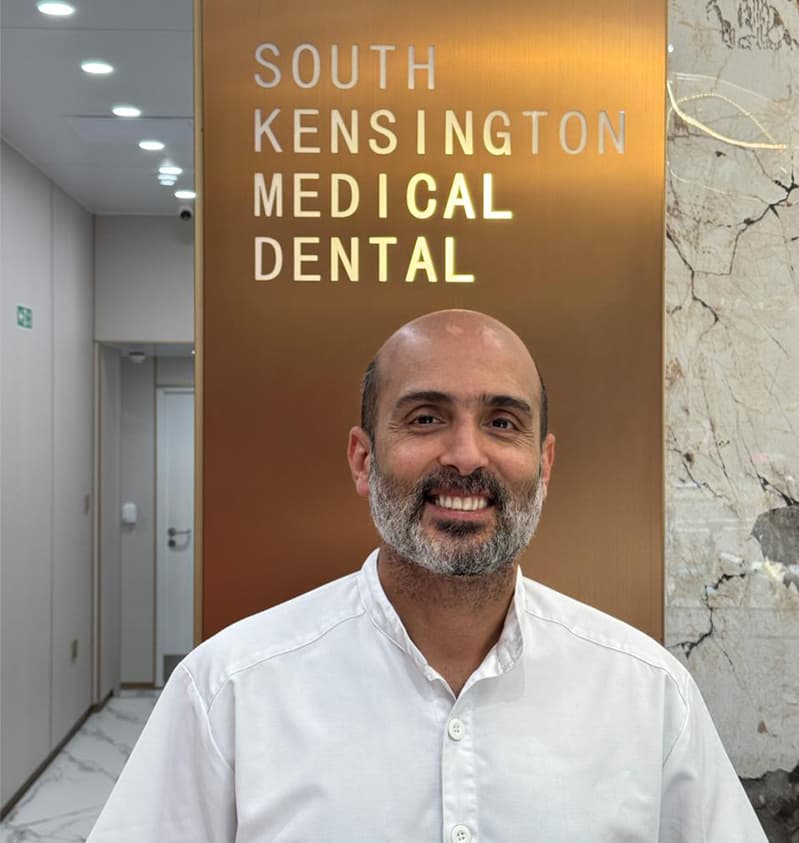
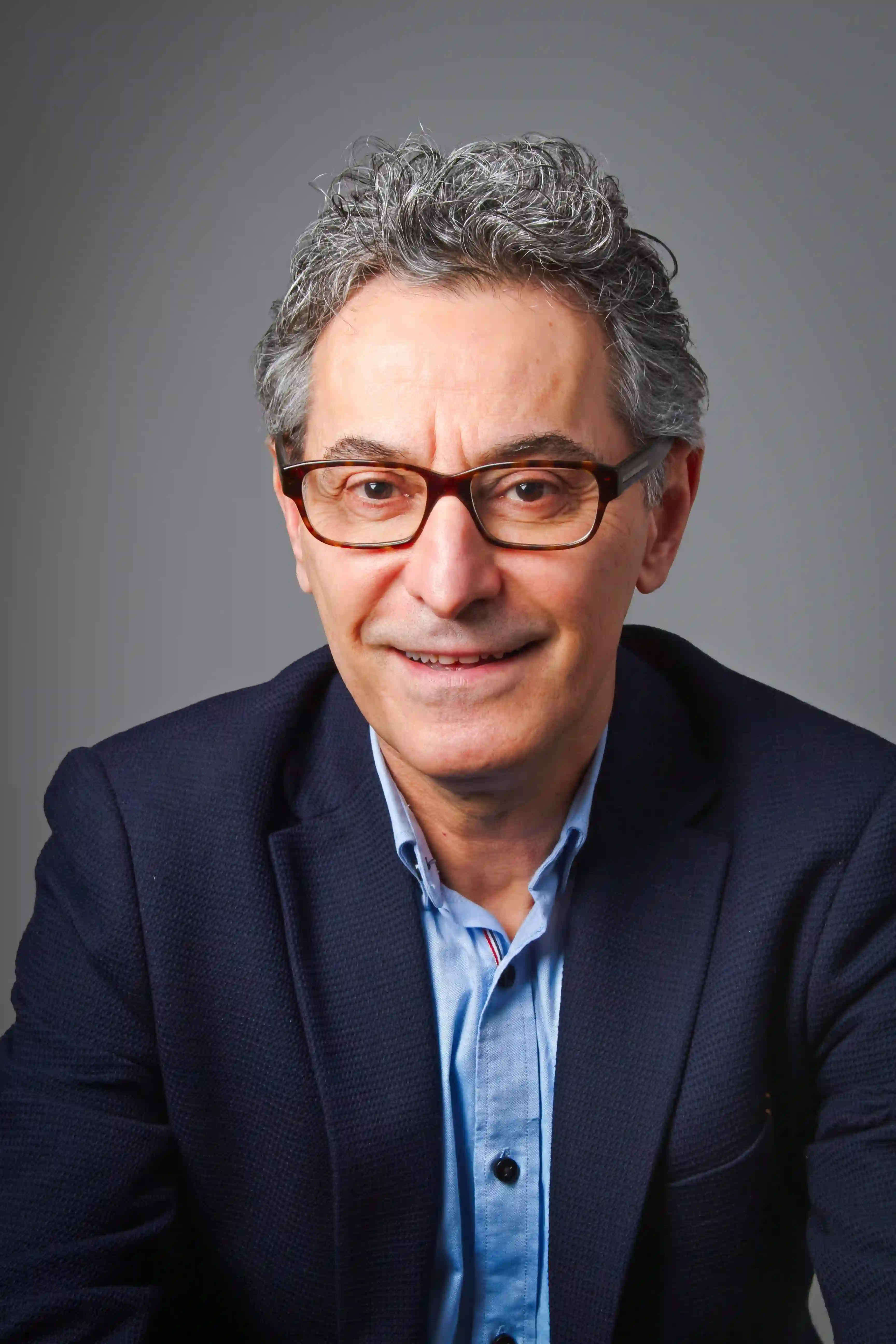
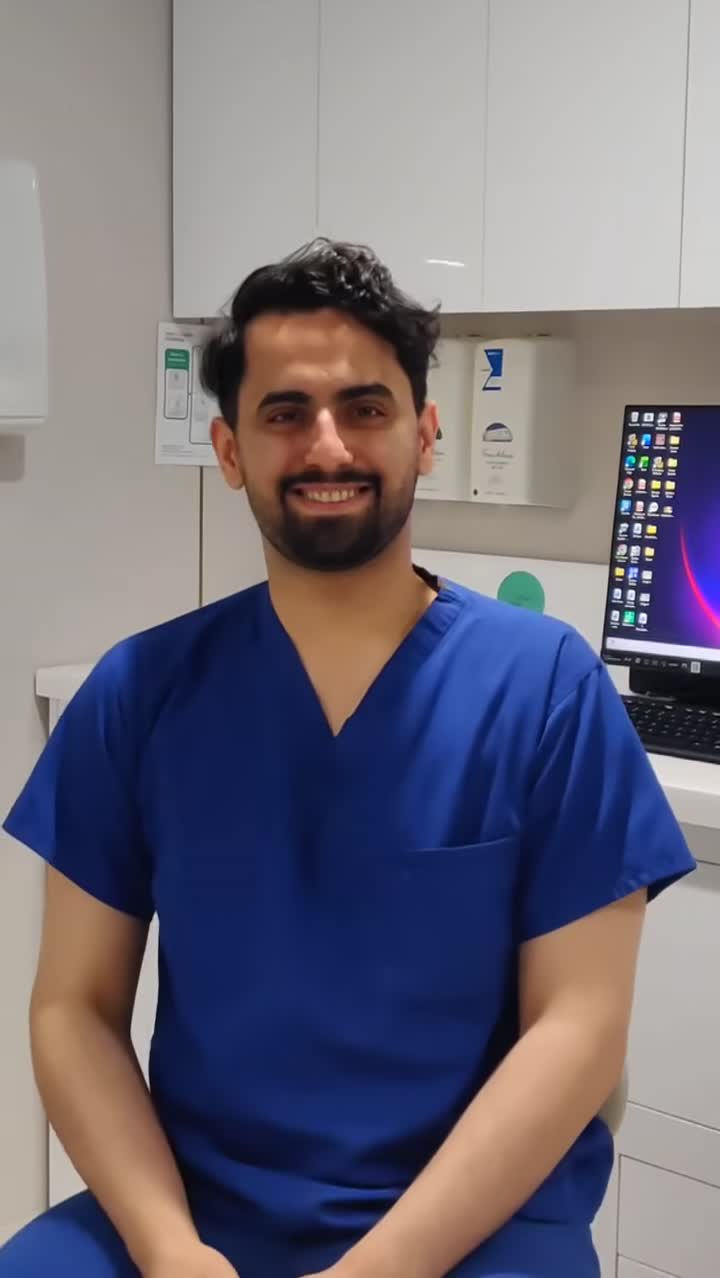
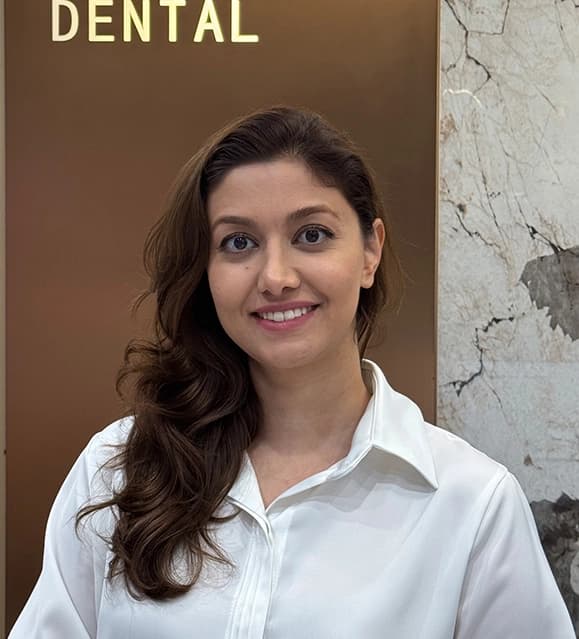
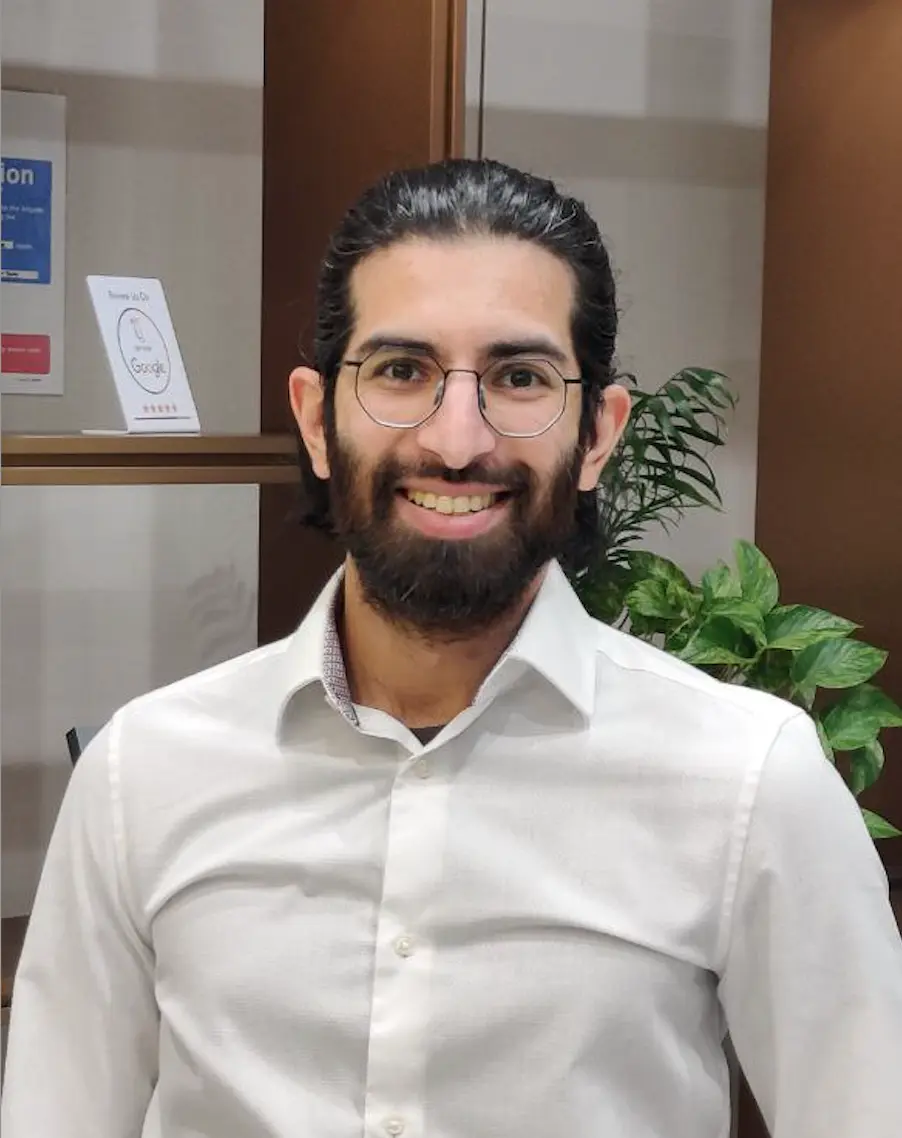
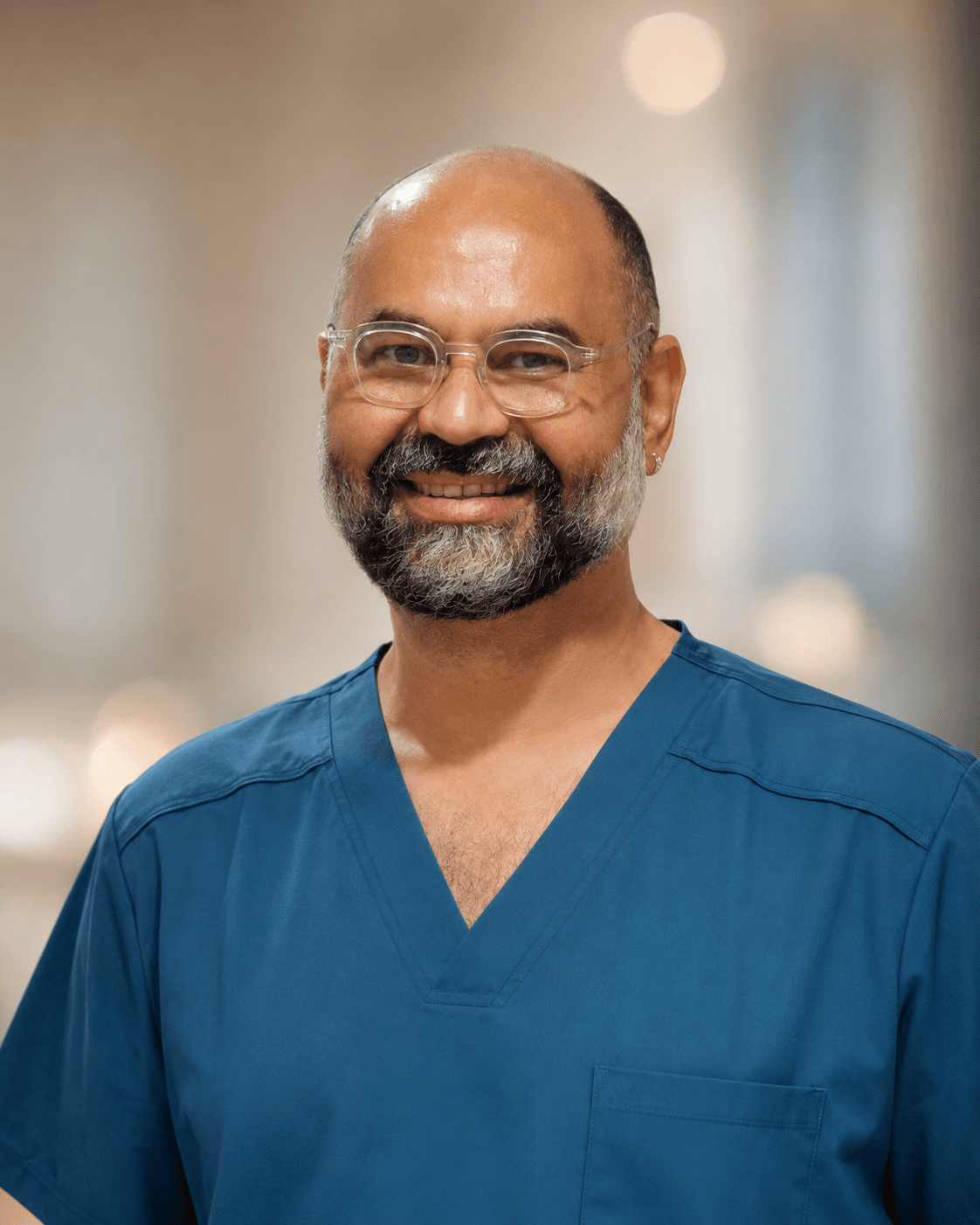
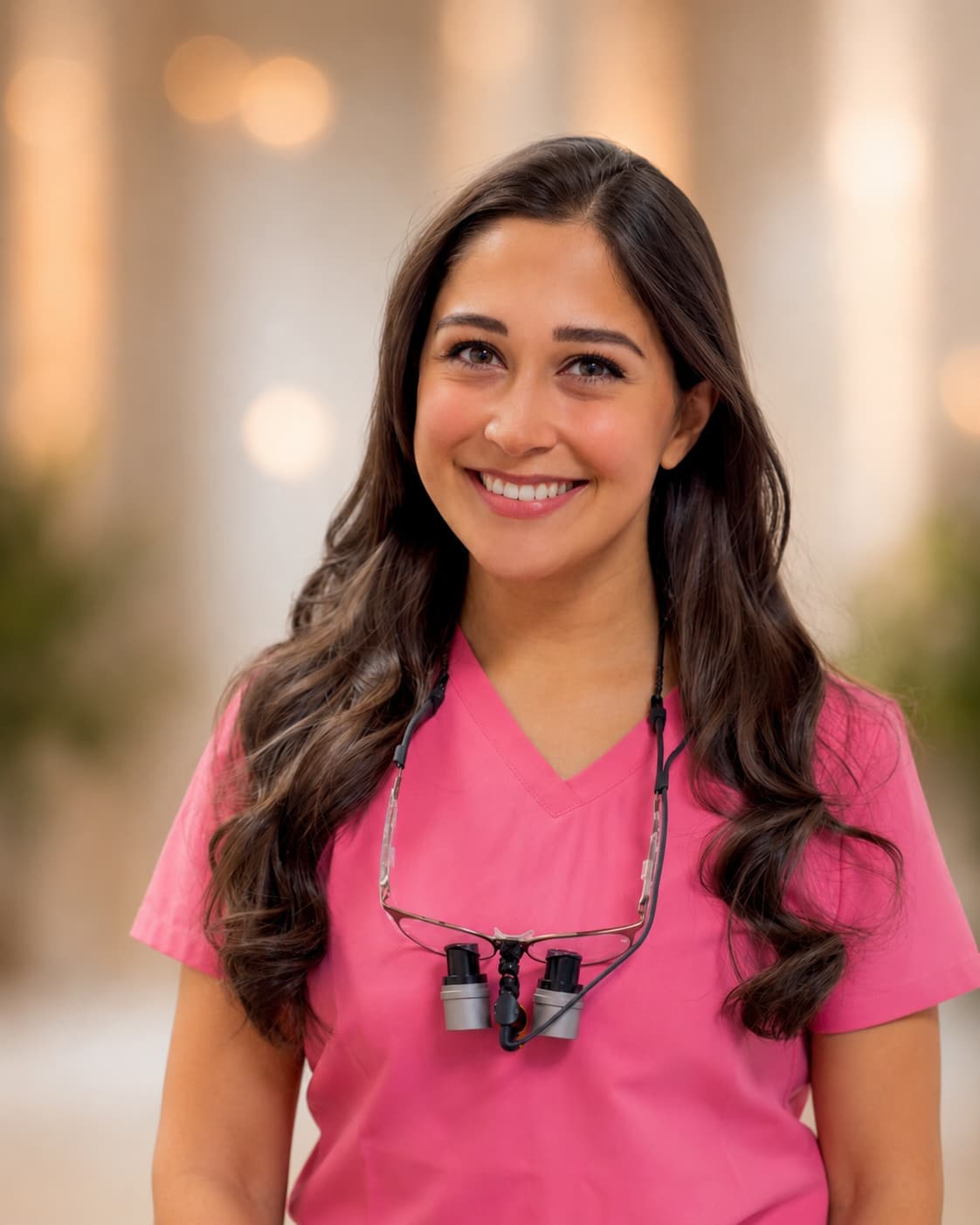
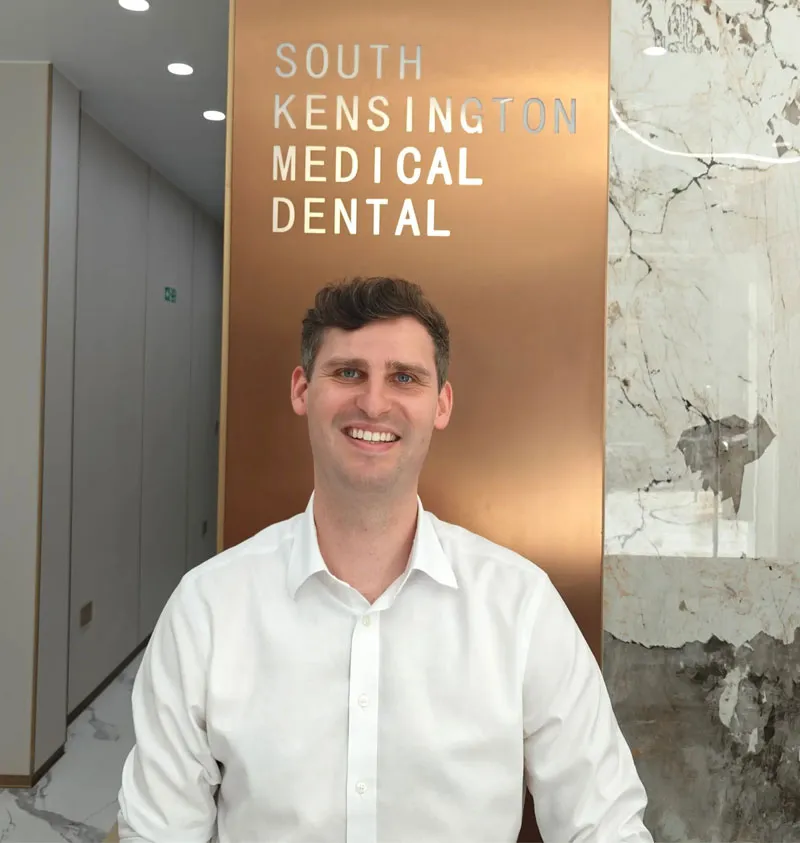
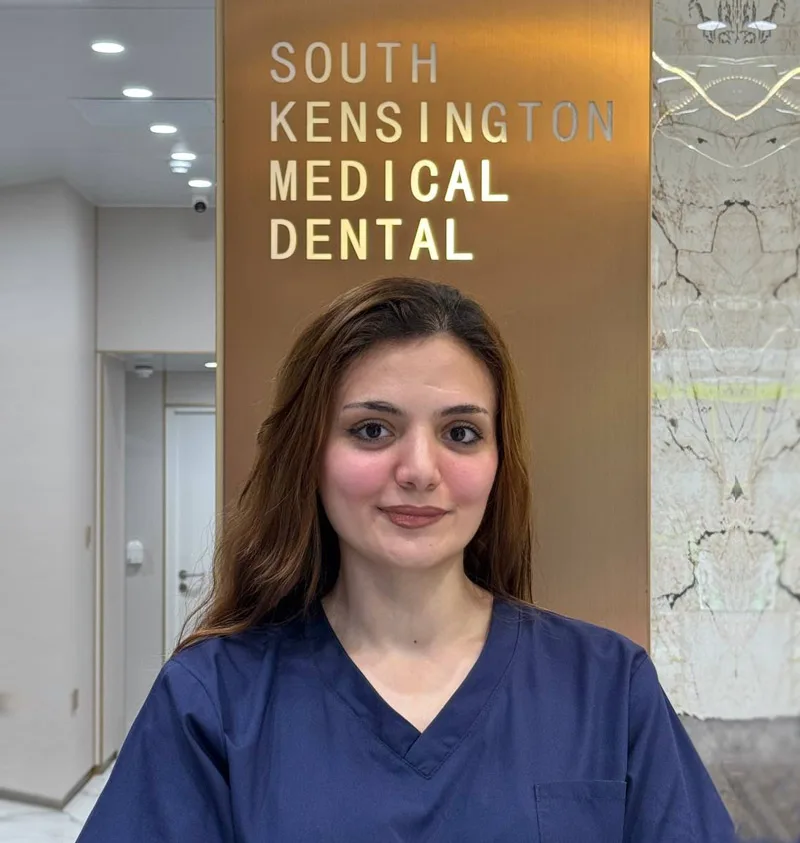
Meet Our Dental Team
Our experienced dental team is fully qualified and registered with the GDC, delivering safe, high-quality care in line with the highest professional standards.
Because our patients deserve nothing less.
If you have lost most or all of your teeth, you may be considering whether full mouth dental implants or dentures are the right solution. Both can restore your ability to eat, speak, and smile with confidence — but they differ significantly in stability, comfort, longevity, and cost.
Full mouth implants are permanently fixed into the jawbone and function like natural teeth. Dentures are removable prosthetics that sit on the gums and can be taken out for cleaning. The most appropriate option depends on your oral health, bone density, lifestyle, and budget — all of which your dentist will assess during a consultation.
This guide explains the key differences to help you understand your options. The right treatment will always depend on a thorough clinical examination and personalised treatment plan.
| Feature | Full Mouth Implants | Dentures |
|---|---|---|
| Purpose | Replace all teeth with a fixed, implant-supported full arch | Replace all or most missing teeth with a removable prosthetic |
| Stability | Fixed permanently — does not move or shift | Removable — may shift or loosen over time |
| Comfort and Function | Feels and functions like natural teeth | Functional but may feel less natural — adjustment period required |
| Strength and Durability | Very strong — titanium implants fuse with jawbone | Moderate — acrylic or chrome materials may wear or break |
| Aesthetic Result | Natural appearance — individually crafted or full-arch prosthesis | Good appearance — may look less natural over time as bone changes |
| Treatment Time | 3–12 months including healing stages | 2–6 weeks for fabrication and fitting |
| Cost (at Our Practice) | Significantly higher — depends on number of implants | From £547.50 (member) / £1,095 for a full acrylic denture |
| Longevity | Implant fixtures: 20–25+ years — prosthesis: 10–20 years | 5–10 years before replacement or relining is needed |
| Suitability | Patients with adequate bone density or willingness to undergo grafting | Most patients — including those unsuitable for surgery |
Purpose
Implants
Replace all teeth with a fixed, implant-supported full arch
Dentures
Replace all or most missing teeth with a removable prosthetic
Stability
Implants
Fixed permanently — does not move or shift
Dentures
Removable — may shift or loosen over time
Comfort and Function
Implants
Feels and functions like natural teeth
Dentures
Functional but may feel less natural — adjustment period required
Strength and Durability
Implants
Very strong — titanium implants fuse with jawbone
Dentures
Moderate — acrylic or chrome materials may wear or break
Aesthetic Result
Implants
Natural appearance — individually crafted or full-arch prosthesis
Dentures
Good appearance — may look less natural over time as bone changes
Treatment Time
Implants
3–12 months including healing stages
Dentures
2–6 weeks for fabrication and fitting
Cost (at Our Practice)
Implants
Significantly higher — depends on number of implants
Dentures
From £547.50 (member) / £1,095 for a full acrylic denture
Longevity
Implants
Implant fixtures: 20–25+ years — prosthesis: 10–20 years
Dentures
5–10 years before replacement or relining is needed
Suitability
Implants
Patients with adequate bone density or willingness to undergo grafting
Dentures
Most patients — including those unsuitable for surgery
Full mouth dental implant treatment involves placing multiple titanium implants into the jawbone to support a complete arch of fixed replacement teeth. The implants fuse with the bone through a process called osseointegration, creating a permanent foundation for crowns, bridges, or a full-arch prosthesis.
Full mouth implants are designed to replace all teeth in the upper jaw, lower jaw, or both. Depending on the approach, this may involve individual implants supporting separate crowns, or a technique such as All-on-4 where four implants support an entire arch. Once placed, the teeth are permanently fixed and function like natural teeth.
Full mouth implants are suitable for patients who have lost most or all of their teeth and have adequate bone density to support implant placement. Patients with insufficient bone may require grafting before treatment. A thorough clinical assessment including 3D imaging is required to determine candidacy.
Dentures for replacing full or multiple missing teeth are removable prosthetic devices designed to replace missing teeth and surrounding tissue. Full dentures replace all teeth on an arch, while partial dentures replace several missing teeth alongside remaining natural teeth.
Modern dentures are custom-made from impressions of your mouth and are available in acrylic, cobalt-chrome, and flexible materials. They rest on the gums and are held in place by suction, natural anatomy, or adhesive. Dentures are removed for cleaning and typically overnight, and are generally ready within 2–6 weeks.
Dentures are suitable for most patients who have lost multiple or all teeth, including those who are not candidates for surgical implant placement due to medical conditions, insufficient bone, or personal preference. They offer a practical, non-invasive solution for restoring function and appearance.
Full mouth implants are permanently fixed into the jawbone and are not removed. Dentures are removable prosthetics that are taken out daily for cleaning and overnight. This fundamental difference affects stability, comfort, and daily routine.
Implants are anchored to the jawbone and do not move — they function like natural teeth for eating, speaking, and smiling. Dentures may shift or loosen over time, particularly as the jawbone changes shape, which can affect confidence and comfort.
Dental implants stimulate the jawbone, helping to preserve bone density and maintain facial structure. Dentures rest on top of the gums and do not prevent bone resorption, which means the jaw gradually loses volume over time.
Implants are maintained like natural teeth — brushing, flossing, and regular dental check-ups. Dentures require daily removal, soaking, and careful cleaning, along with periodic professional adjustments as the jaw shape changes.
Implant fixtures are designed to last 20–25+ years with proper care. Dentures typically need replacing every 5–10 years due to wear and changes in jaw shape. Implants have a higher upfront cost but may be more economical long-term.
Both options can achieve a natural-looking result. Implant-supported teeth maintain their appearance over time because the jawbone is preserved. Dentures may begin to look less natural as bone loss causes changes in facial shape and denture fit.
Full mouth implants are a significantly higher investment than dentures. Dentures start from £547.50 (member) for a full acrylic set. Implant costs depend on the number placed and approach used. However, the long-term cost difference narrows when factoring in denture replacements.
Full mouth implant treatment is a significantly higher investment than dentures. However, implants are designed to last decades, while dentures typically need replacing every 5–10 years. Below are our current prices for dentures and individual implants. Full mouth implant pricing depends on your individual case and is provided after a clinical assessment.
| Treatment | Member Price | Standard Price | Typical Lifespan |
|---|---|---|---|
| Single Dental Implant (inc. crown) | From £2,950 | From £2,950 | 25+ years (fixture) |
| Full Mouth Implants (per arch) | Varies by case — depends on number of implants and approach | 20–25+ years (fixtures) | |
| Full Acrylic Denture | From £547.50 | From £1,095 | 5–10 years |
| Cobalt-Chrome Denture | £697.50 | £1,395 | 7–10 years |
Single Implant (inc. crown)
Full Mouth Implants (per arch)
Full Acrylic Denture
Cobalt-Chrome Denture
Full mouth implant costs depend on the number of implants, the approach used, and whether bone grafting is required. For detailed implant pricing, see our guide to dental implant cost in London. Membership patients receive 50% off most treatments. We offer 0% interest finance options subject to status.
If you want permanently fixed teeth that feel and function like natural teeth without removal or adhesives, full mouth implants are the most stable solution available.
Full Mouth ImplantsIf cost is a primary concern, dentures offer a more affordable initial solution for replacing missing teeth. They are non-surgical and can be fabricated within weeks.
DenturesIf you want a solution designed to last decades with minimal ongoing costs, full mouth implants offer significantly greater longevity than dentures.
Full Mouth ImplantsIf you have medical conditions that prevent surgery, insufficient bone density, or prefer a non-invasive approach, dentures provide an effective alternative.
DenturesThe best way to determine whether full mouth implants or dentures are right for you is with a personalised consultation. Our dental team will assess your oral health, bone density, and goals to recommend the most appropriate option — book a consultation with a dentist in London to discuss your options.
This page is intended for general educational purposes only and does not constitute personalised dental advice. Individual diagnosis and treatment recommendations require a clinical examination by a qualified dental professional. All treatment outcomes depend on individual clinical factors and cannot be guaranteed. The suitability of full mouth implants or dentures is determined during a clinical assessment. South Kensington Medical & Dental is registered with the Care Quality Commission (CQC) and all practitioners are registered with the General Dental Council (GDC).
Our experienced dental team is fully qualified and registered with the GDC, delivering safe, high-quality care in line with the highest professional standards.
Because our patients deserve nothing less.
At South Kensington Medical & Dental, we are fully registered with the Care Quality Commission (CQC) and our clinicians are registered with the relevant UK regulatory bodies, including the GDC and GMC. Our dentists, dental nurses and medical professionals deliver care that meets the highest clinical, safety and ethical standards, because our patients deserve nothing less.

We work with all major UK insurers including Bupa, AXA Health, Aviva, Cigna, Vitality, WPA, Unum and Boots Dental Plan. We'll provide the receipts and paperwork you need to claim back your treatment costs.