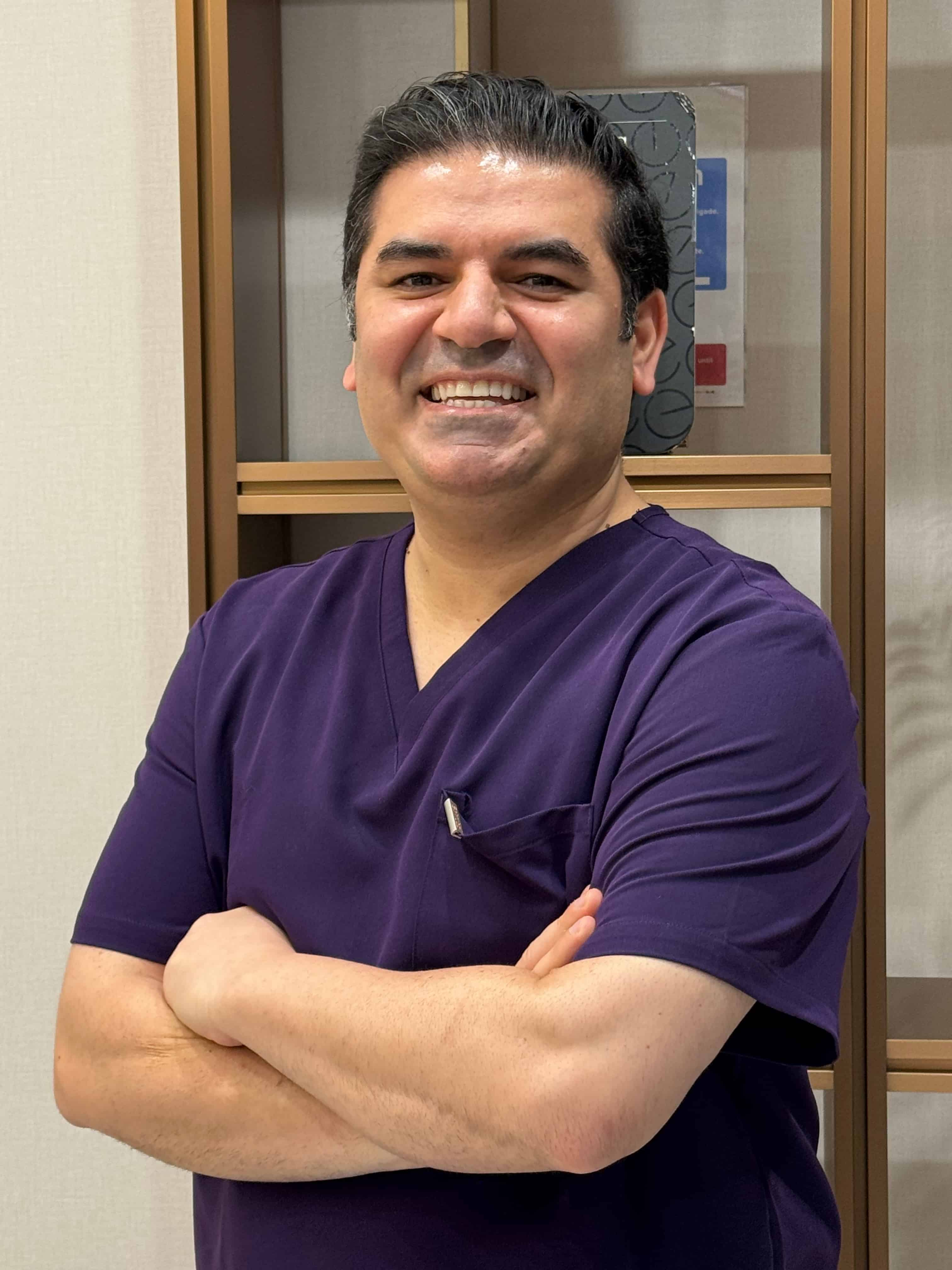
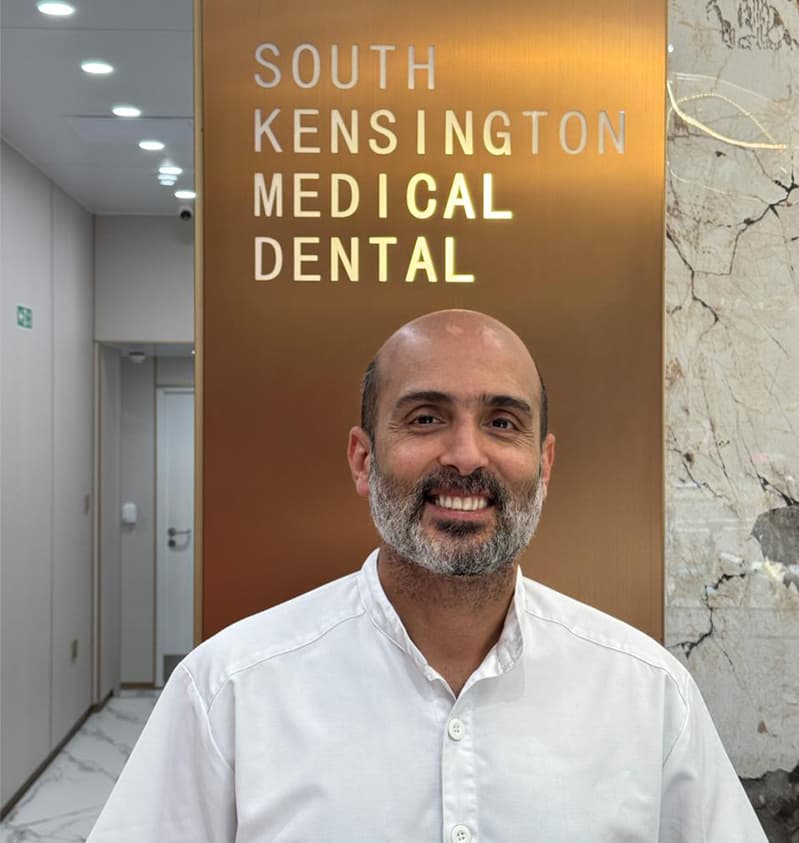
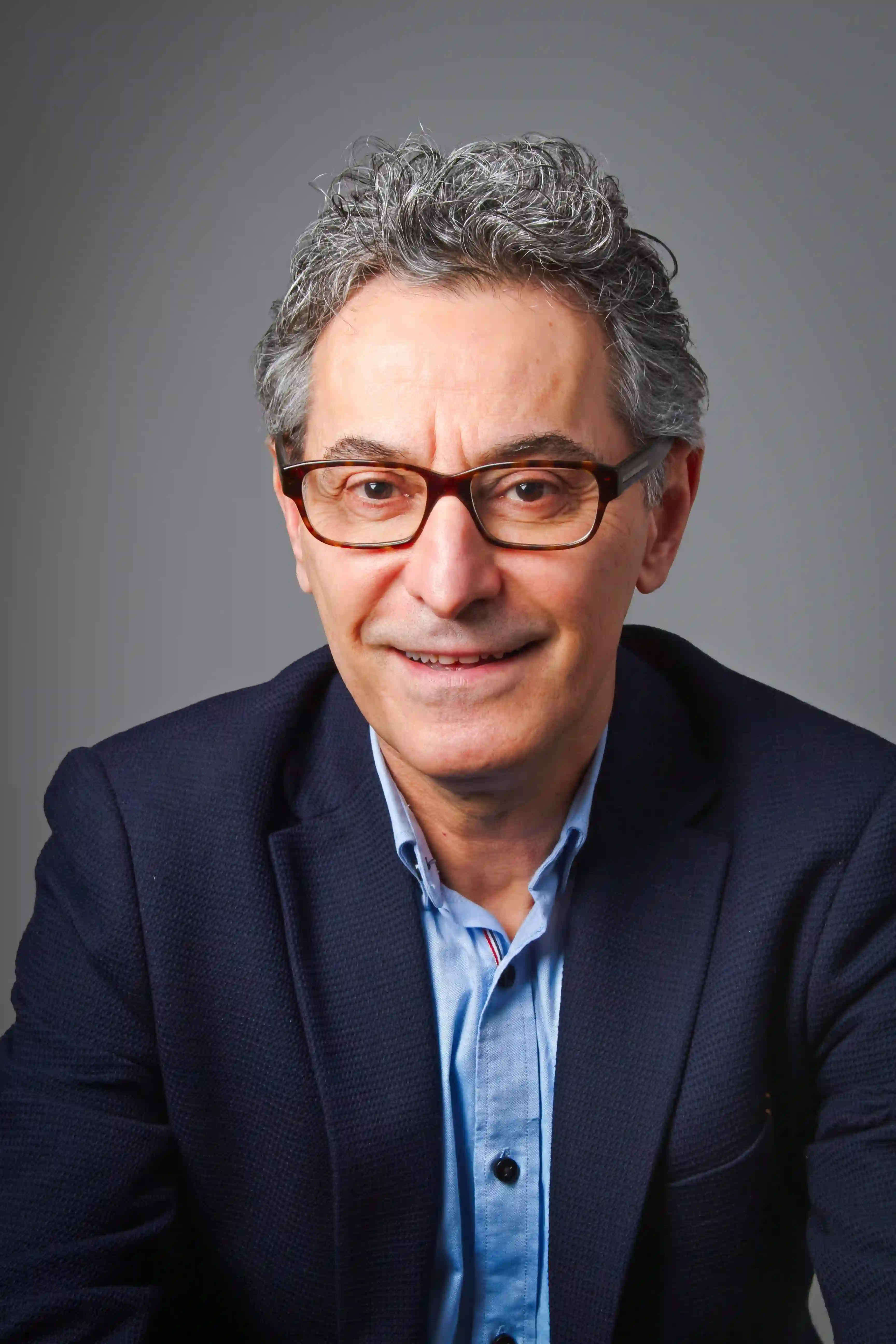
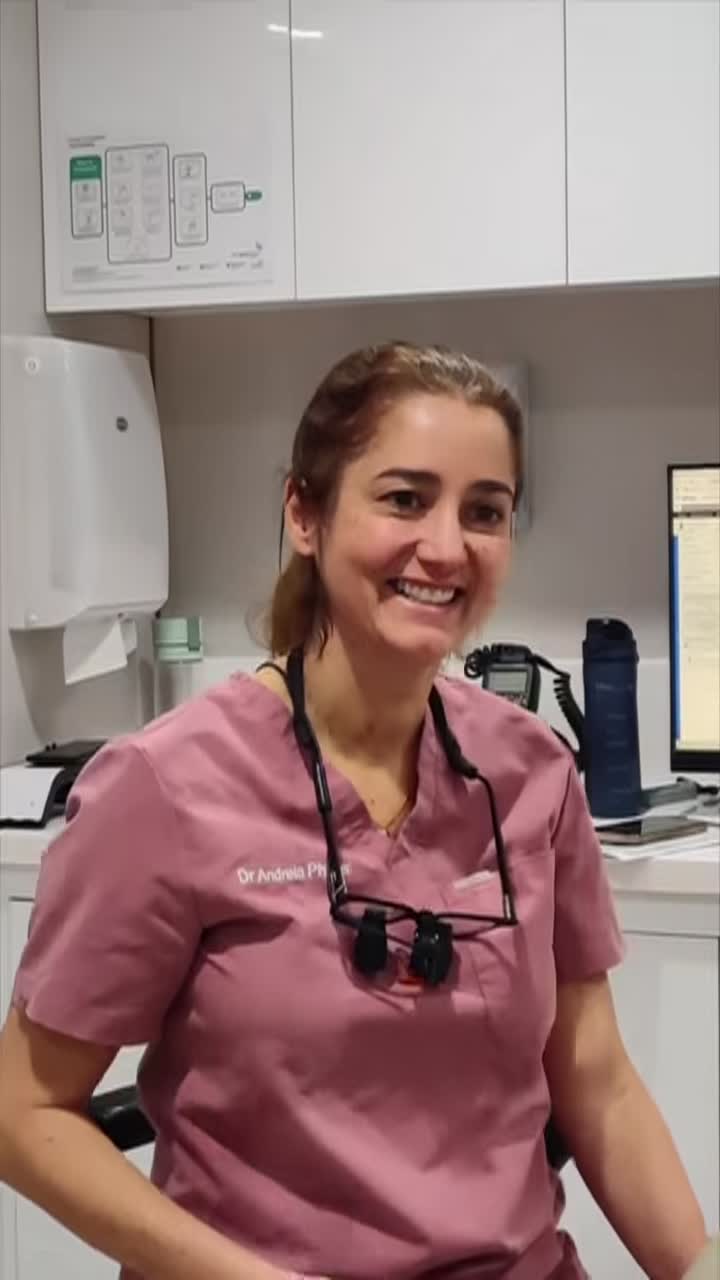
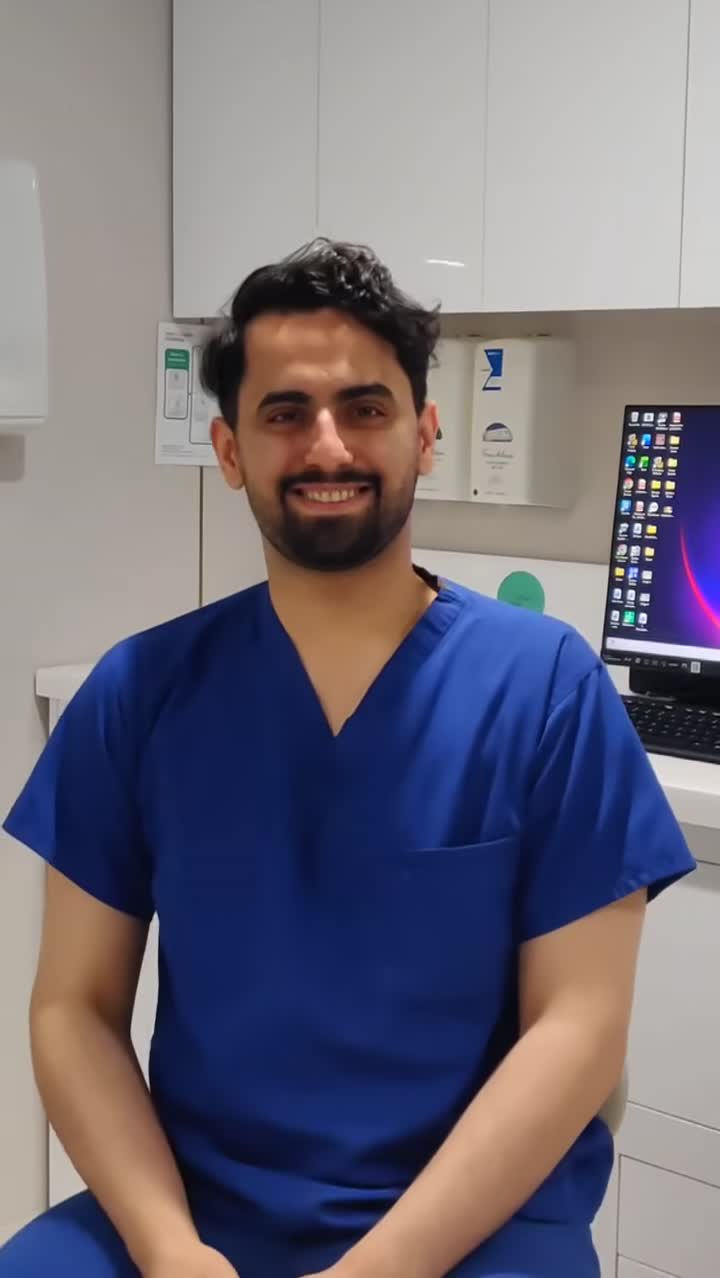
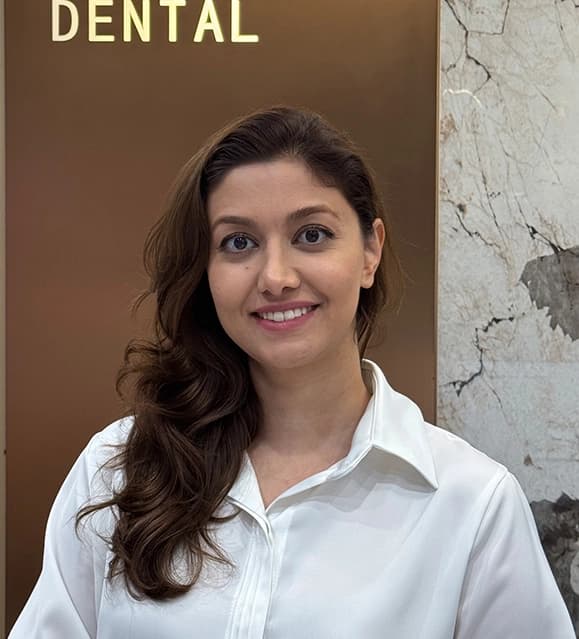
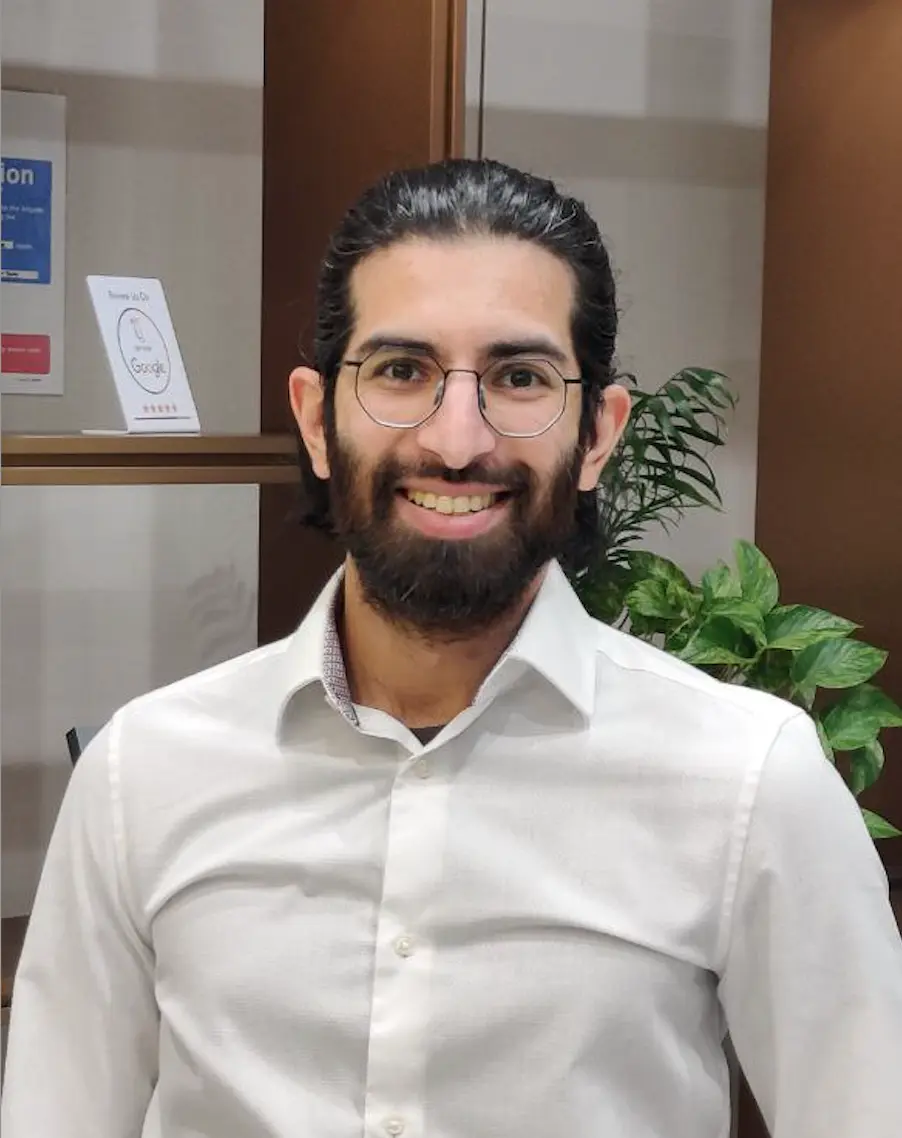
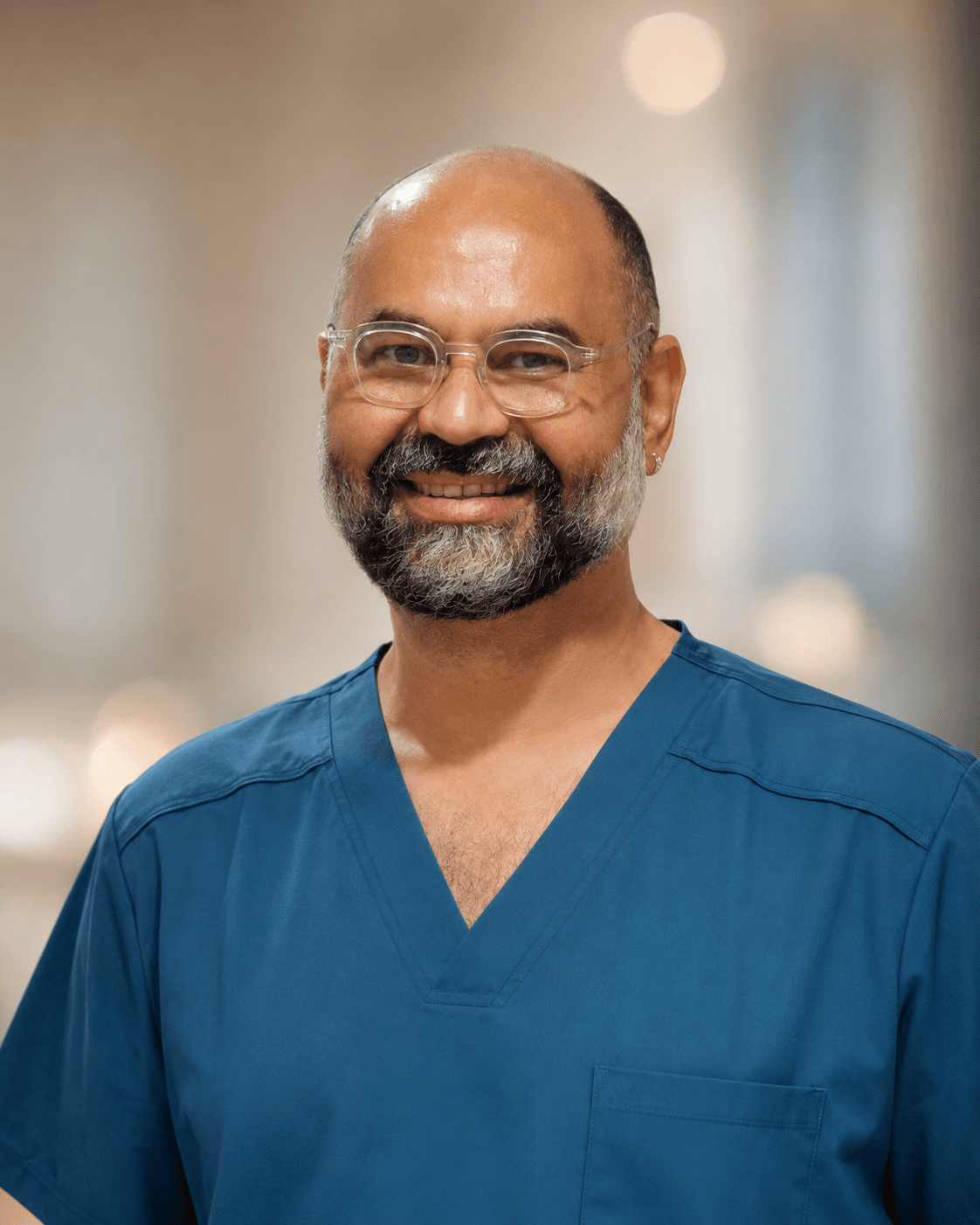
Meet Our Dental Team
Our experienced dental team is fully qualified and registered with the GDC, delivering safe, high-quality care in line with the highest professional standards.
Because our patients deserve nothing less.
If you are considering replacing a full arch of teeth, you may be weighing up full mouth dental implants and All-on-4 treatment. Both are well-established approaches to full-arch restoration, but they differ in the number of implants used, treatment time, cost, and long-term flexibility.
Full mouth implants involve placing multiple individual implants across the jaw to support separate crowns or bridges. All-on-4 uses four strategically positioned implants to support an entire arch of fixed teeth. The most appropriate option depends on your bone density, oral health, and clinical assessment by your dentist.
This guide explains the key differences to help you understand your options. The right treatment will always depend on a thorough clinical examination and personalised treatment plan.
| Feature | Full Mouth Implants | All-on-4 |
|---|---|---|
| Purpose | Full-arch replacement using multiple individual implants for maximum support | Full-arch replacement using 4 strategically placed implants per jaw |
| Number of Implants | 6–10 or more implants per arch | 4 implants per arch |
| Treatment Approach | Individual implant fixtures each supporting a crown or short bridge | Fixed full-arch prosthesis attached to 4 angled implants |
| Stability and Function | Each implant functions independently — closely mimics natural teeth | Fixed, non-removable arch — strong chewing function restored |
| Aesthetic Result | Individual crowns closely match surrounding teeth | Full arch designed as a single prosthesis — natural-looking smile |
| Treatment Time | 6–12 months+ including healing stages and bone grafting if needed | Provisional teeth often fitted same day — final restoration after healing |
| Cost (at Our Practice) | Higher overall — priced per implant, total depends on number placed | Pricing provided after clinical assessment — depends on individual case |
| Longevity | Implant fixtures: 25+ years — individual crowns: 15–25 years | Implant fixtures: 20+ years — prosthesis may need replacing over time |
| Suitability | Patients with adequate bone density across the jaw | Patients with some bone loss — angled implants can reduce need for grafting |
Purpose
Full Mouth
Full-arch replacement using multiple individual implants for maximum support
All-on-4
Full-arch replacement using 4 strategically placed implants per jaw
Number of Implants
Full Mouth
6–10 or more implants per arch
All-on-4
4 implants per arch
Treatment Approach
Full Mouth
Individual implant fixtures each supporting a crown or short bridge
All-on-4
Fixed full-arch prosthesis attached to 4 angled implants
Stability and Function
Full Mouth
Each implant functions independently — closely mimics natural teeth
All-on-4
Fixed, non-removable arch — strong chewing function restored
Aesthetic Result
Full Mouth
Individual crowns closely match surrounding teeth
All-on-4
Full arch designed as a single prosthesis — natural-looking smile
Treatment Time
Full Mouth
6–12 months+ including healing stages and bone grafting if needed
All-on-4
Provisional teeth often fitted same day — final restoration after healing
Cost (at Our Practice)
Full Mouth
Higher overall — priced per implant, total depends on number placed
All-on-4
Pricing provided after clinical assessment — depends on individual case
Longevity
Full Mouth
Implant fixtures: 25+ years — individual crowns: 15–25 years
All-on-4
Implant fixtures: 20+ years — prosthesis may need replacing over time
Suitability
Full Mouth
Patients with adequate bone density across the jaw
All-on-4
Patients with some bone loss — angled implants can reduce need for grafting
Full mouth dental implant treatment involves placing multiple individual implants across the upper jaw, lower jaw, or both to support a complete set of replacement teeth. Typically, 6–10 or more implants are placed per arch, with each implant supporting an individual crown or a short bridge.
This approach provides maximum support and closely replicates the look, feel, and function of natural teeth. Each implant is independent, meaning if one restoration needs attention, it can be treated without affecting the others. Treatment is usually staged over several months to allow each implant to integrate with the jawbone.
Full mouth implants are most suitable for patients with adequate bone density across the jaw, who are missing most or all of their teeth and want the most comprehensive implant-supported solution. A thorough clinical assessment including 3D imaging is required to determine candidacy.
All-on-4 dental implant treatment is a full-arch restoration technique that supports an entire set of replacement teeth using just four strategically placed implants per jaw. Two implants are positioned vertically at the front, and two are angled at the back to maximise contact with available bone.
This approach was designed to reduce the number of implants required for full-arch replacement and may be suitable for patients with some degree of bone loss who might otherwise need bone grafting. Provisional fixed teeth can often be fitted on the same day as surgery, with the final restoration completed after a healing period.
All-on-4 is designed for patients who are missing most or all teeth on one or both jaws and need a full-arch solution. It may be particularly suitable for patients with moderate bone loss who want to avoid bone grafting. Candidacy is determined through a clinical assessment with 3D imaging.
Full mouth implants use 6–10+ fixtures per arch for maximum individual support. All-on-4 uses exactly 4 implants per arch, with angled posterior fixtures to optimise bone contact.
Full mouth implants are placed individually over multiple stages with healing time between procedures. All-on-4 is typically completed in a single surgical procedure per arch with provisional teeth fitted the same day.
Full mouth implants distribute forces across many independent fixtures, closely mimicking natural roots. All-on-4 distributes the load across 4 strategically positioned implants supporting a single prosthesis.
Full mouth implants require adequate bone density at each implant site, which may necessitate bone grafting. All-on-4 angled implants are designed to work with available bone, potentially avoiding the need for grafts.
With full mouth implants, each crown is independent — if one needs replacing, it can be treated individually. All-on-4 uses a single connected prosthesis, so damage may require attention to the entire unit.
Both approaches use implant fixtures designed to last 20–25+ years. Individual crowns on full mouth implants typically last 15–25 years. The All-on-4 prosthesis may need refitting or replacing over time.
Full mouth implants allow each crown to be individually crafted and matched. All-on-4 prostheses are designed as a complete arch for a natural, uniform smile — both achieve excellent aesthetic results.
Full mouth implants are typically more expensive overall due to the greater number of implants required. All-on-4 may offer a more cost-effective route to full-arch replacement by using fewer implants and fewer procedures.
Full-arch implant costs vary significantly based on the number of implants, bone grafting requirements, and the type of restoration. Below are our current prices for individual implants. Full-arch treatment pricing is provided after a clinical assessment.
| Treatment | Our Price | Typical Lifespan |
|---|---|---|
| Single Dental Implant (inc. crown) | From £2,950 | 25+ years (fixture) / 15–25 years (crown) |
| Full Mouth Implants (per arch) | Varies by case — depends on number of implants | 25+ years (fixtures) / 15–25 years (crowns) |
| All-on-4 (per arch) | Pricing on consultation | 20+ years (fixtures) / prosthesis may need replacing |
Single Implant (inc. crown)
Full Mouth Implants (per arch)
All-on-4 (per arch)
Full-arch implant treatment is a significant investment. Exact costs depend on your individual case and are provided after a clinical assessment. For more detail on individual implant pricing, see our guide to dental implant cost in London. We offer 0% interest finance options subject to status.
If you have adequate bone density and want the most comprehensive solution with each implant functioning independently, full mouth implants offer maximum support and flexibility.
Full Mouth ImplantsIf you want to replace a full arch with fewer implants and a shorter surgical process, All-on-4 achieves full-arch restoration with just 4 implants per jaw.
All-on-4If long-term flexibility and the ability to replace individual crowns independently is important, full mouth implants offer the most durable and adaptable solution.
Full Mouth ImplantsIf you have some degree of bone loss and want to avoid bone grafting, All-on-4 uses angled implants designed to maximise contact with available bone.
All-on-4The best way to determine which approach is right for you is with a personalised consultation. Our implant team will assess your bone density, oral health, and treatment goals to recommend the most appropriate option — book a consultation with a dentist in London to discuss your options.
This page is intended for general educational purposes only and does not constitute personalised dental advice. Individual diagnosis and treatment recommendations require a clinical examination by a qualified dental professional. All treatment outcomes depend on individual clinical factors and cannot be guaranteed. The suitability of full mouth implants or All-on-4 is determined during a clinical assessment including 3D imaging. South Kensington Medical & Dental is registered with the Care Quality Commission (CQC) and all practitioners are registered with the General Dental Council (GDC).
Our experienced dental team is fully qualified and registered with the GDC, delivering safe, high-quality care in line with the highest professional standards.
Because our patients deserve nothing less.
At South Kensington Medical & Dental, we are fully registered with the Care Quality Commission (CQC) and our clinicians are registered with the relevant UK regulatory bodies, including the GDC and GMC. Our dentists, dental nurses and medical professionals deliver care that meets the highest clinical, safety and ethical standards, because our patients deserve nothing less.

We work with all major UK insurers including Bupa, AXA Health, Aviva, Cigna, Vitality, WPA, Unum and Boots Dental Plan. We'll provide the receipts and paperwork you need to claim back your treatment costs.