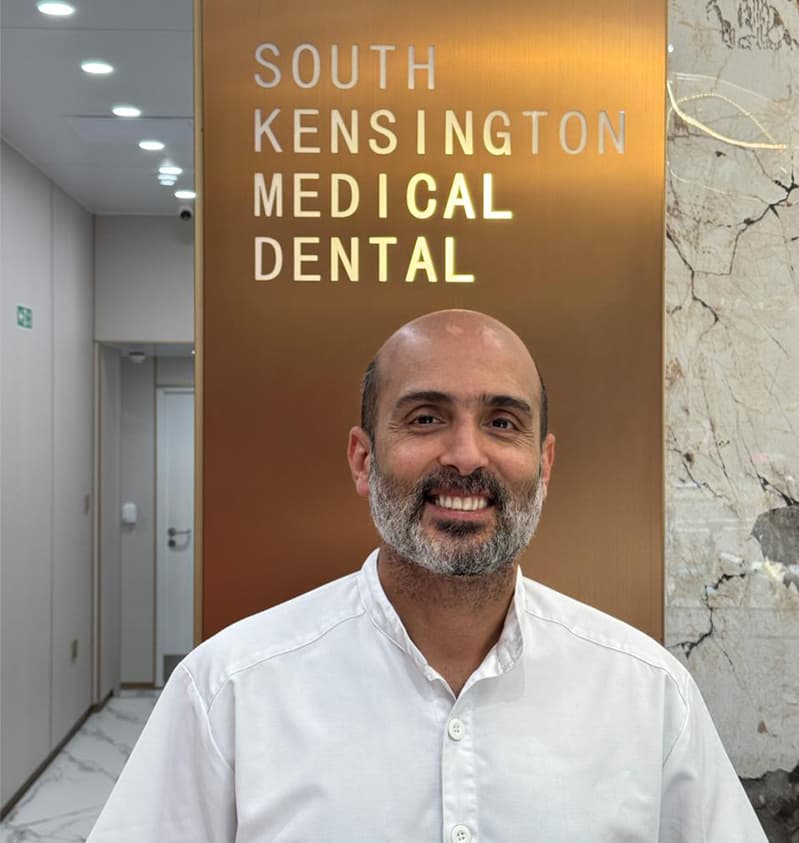
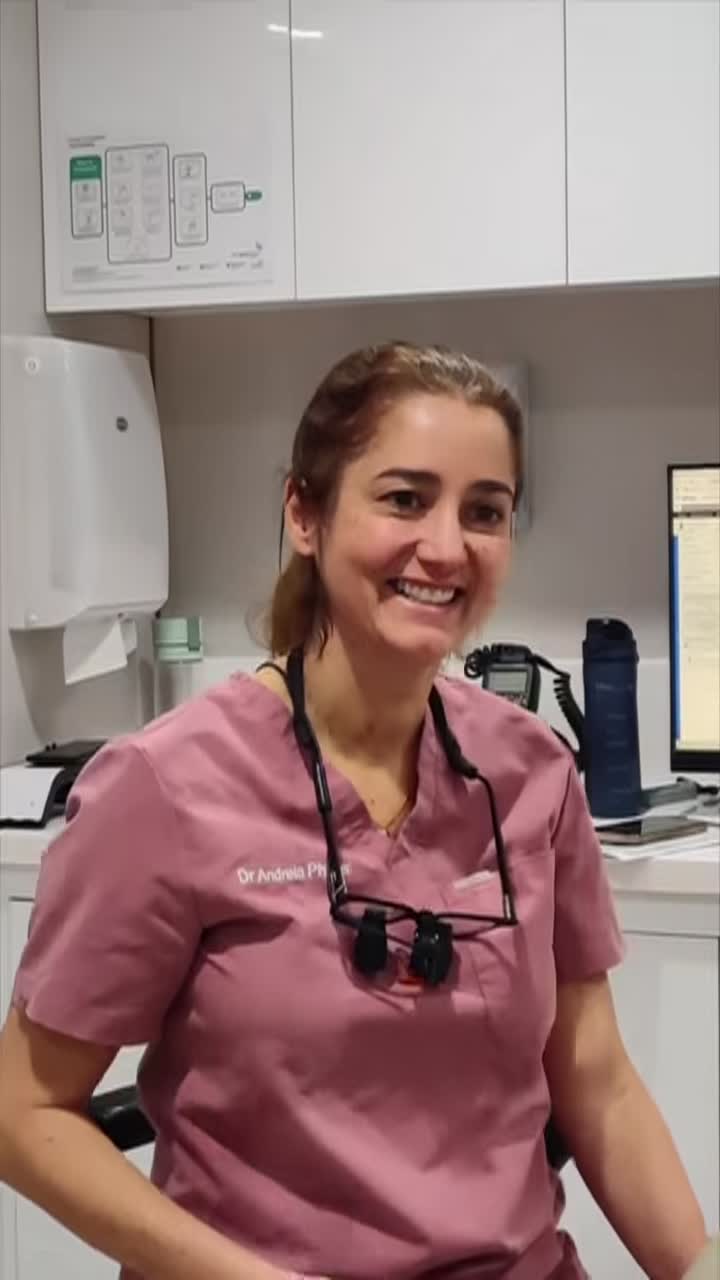
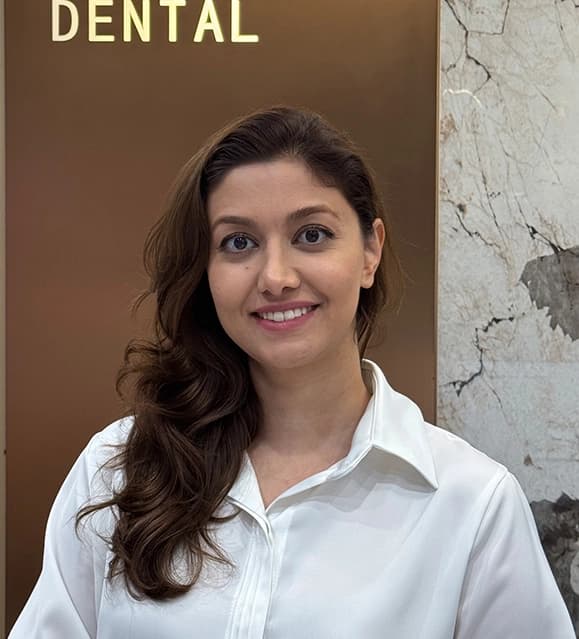
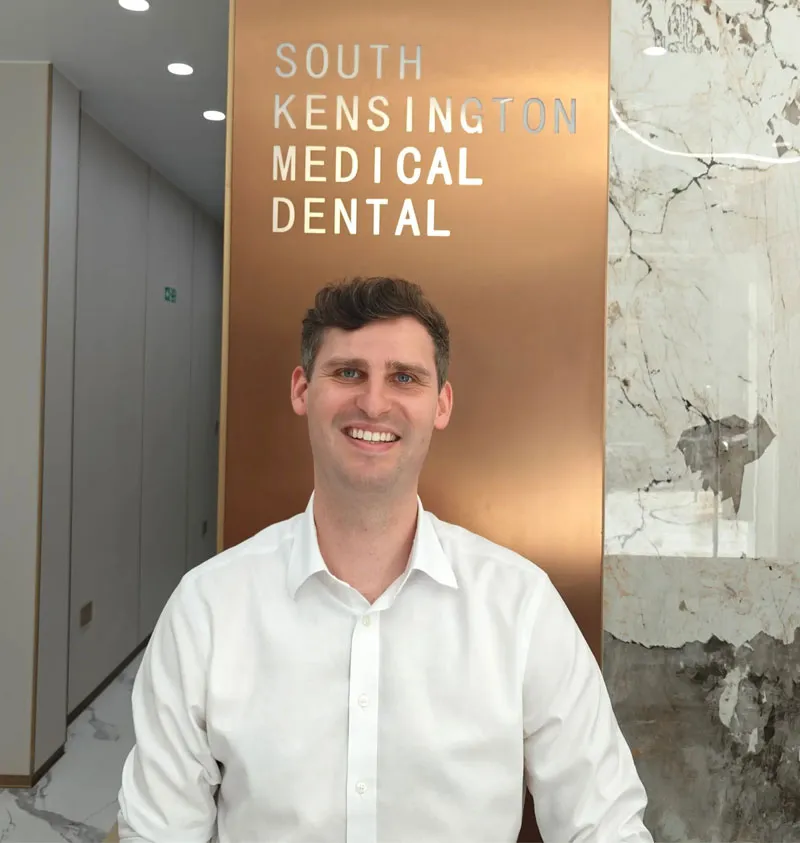
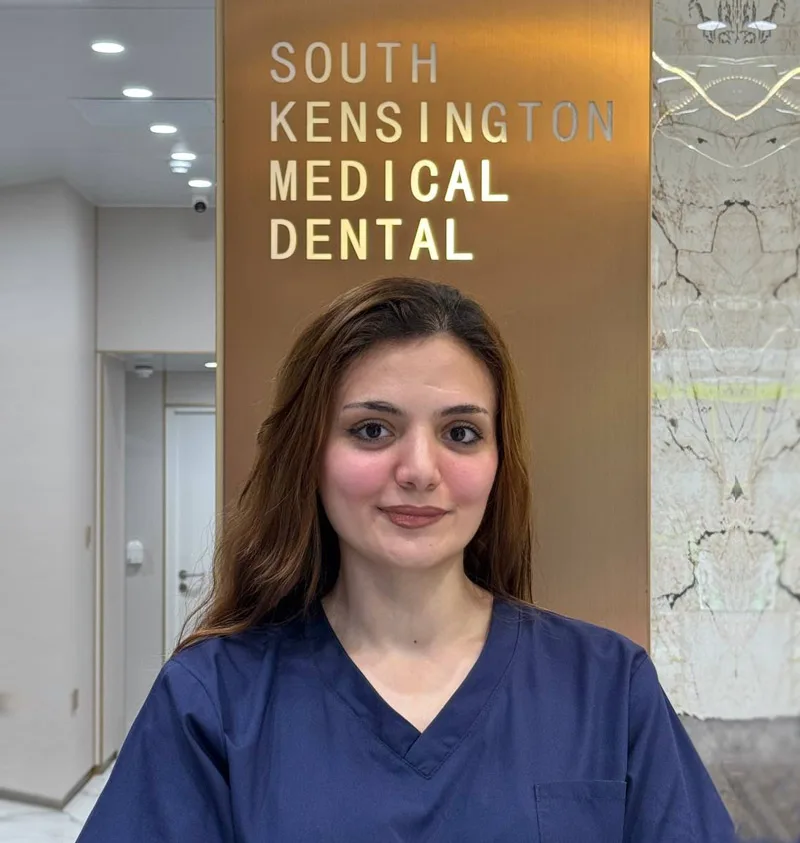
Meet Our Dental Team
Our experienced dental team is fully qualified and registered with the GDC, delivering safe, high-quality care in line with the highest professional standards.
Because our patients deserve nothing less.
With so many whitening options available — from high-street strips and pens to dentist-prescribed systems — it can be difficult to know which approach will deliver safe, effective, and lasting results. The key difference comes down to the strength of the whitening agent, the level of clinical supervision, and how well the product fits your teeth.
At our clinic, we provide Boutique Home Whitening — a dentist-prescribed system that uses custom-made trays and professional-strength gel, applied at home under clinical guidance. This page compares dentist-prescribed whitening with over-the-counter products to help you understand the differences.
Suitability for teeth whitening depends on a clinical assessment. Your dentist will check your oral health before recommending any whitening treatment.
| Feature | Dentist-Prescribed (Boutique) | Over-the-Counter |
|---|---|---|
| Type | Dentist-prescribed home whitening (Boutique system) | Shop-bought strips, pens, gels, or generic trays |
| Whitening Strength | Up to 6% hydrogen peroxide (legally prescribed by a dentist) | Limited to 0.1% hydrogen peroxide by UK law |
| Safety and Supervision | Supervised by a dentist — oral health assessed before treatment | No clinical supervision — self-administered |
| Aesthetic Result | Even, controlled whitening — up to 8 shades lighter | Variable — results depend on product quality and application |
| Treatment Time | 1–2 weeks of daily use at home | Days to weeks — varies by product |
| Cost | £199 (member) / £399 (non-member) | £10–£50 per product |
| Longevity | 12–18 months with proper care | Weeks to a few months — results fade quickly |
| Customisation | Custom-made trays fitted to your teeth | One-size-fits-all or generic trays |
| Suitability | Assessed by a dentist — unsuitable cases identified before treatment | No clinical assessment — may not be appropriate for all users |
Type
Dentist
Dentist-prescribed home whitening (Boutique system)
OTC
Shop-bought strips, pens, gels, or generic trays
Whitening Strength
Dentist
Up to 6% hydrogen peroxide (legally prescribed by a dentist)
OTC
Limited to 0.1% hydrogen peroxide by UK law
Safety and Supervision
Dentist
Supervised by a dentist — oral health assessed before treatment
OTC
No clinical supervision — self-administered
Aesthetic Result
Dentist
Even, controlled whitening — up to 8 shades lighter
OTC
Variable — results depend on product quality and application
Treatment Time
Dentist
1–2 weeks of daily use at home
OTC
Days to weeks — varies by product
Cost
Dentist
£199 (member) / £399 (non-member)
OTC
£10–£50 per product
Longevity
Dentist
12–18 months with proper care
OTC
Weeks to a few months — results fade quickly
Customisation
Dentist
Custom-made trays fitted to your teeth
OTC
One-size-fits-all or generic trays
Suitability
Dentist
Assessed by a dentist — unsuitable cases identified before treatment
OTC
No clinical assessment — may not be appropriate for all users
Dentist-prescribed whitening is a professionally supervised system where your dentist assesses your oral health, takes a digital scan of your teeth, and provides custom-made trays with a regulated whitening gel. The treatment is carried out at home under clinical guidance. At our clinic, we use the Boutique Whitening system — a dentist-supervised home whitening treatment with two formula options: "By Day" (worn for 1 hour) or "By Night" (worn overnight).
Our clinic provides dentist-prescribed teeth whitening in London using the Boutique home system. The custom trays are fabricated from a 3D digital scan for a precise fit, ensuring even gel distribution across the teeth and protecting the gums from contact with the whitening agent. As a registered dental practice, we are legally permitted to prescribe gels containing up to 6% hydrogen peroxide — 60 times stronger than what is available over the counter.
Dentist-prescribed whitening is suitable for patients with healthy teeth and gums who want a safe, controlled whitening result. Your dentist will assess your oral health before treatment begins. Whitening may not be suitable for patients with untreated decay, gum disease, or extensive dental restorations on visible teeth. Suitability is confirmed during a clinical consultation.
Over-the-counter (OTC) whitening products include strips, whitening pens, gels, and generic trays that can be purchased from pharmacies, supermarkets, and online retailers without a dental prescription. In the UK, these products are legally limited to a maximum of 0.1% hydrogen peroxide — significantly weaker than what a dentist can prescribe.
OTC products are self-administered with no clinical supervision. They do not include a dental assessment, custom-made trays, or professional-strength gel. Results vary depending on the product, the user's technique, and the type and severity of staining. They are generally better suited for maintaining existing whiteness rather than achieving significant shade changes.
OTC whitening products may be suitable for individuals with mild surface staining who want a modest improvement in tooth shade. They are best used by those who have recently had a dental check-up and have been confirmed as having healthy teeth and gums. They are not appropriate for addressing intrinsic (internal) discolouration or achieving significant whitening results.
Dentist whitening includes a clinical oral health assessment before treatment. OTC products are self-administered with no professional oversight — underlying issues like decay or gum disease may go undetected.
Dentists can legally prescribe gels containing up to 6% hydrogen peroxide. OTC products in the UK are limited to 0.1% — 60 times weaker. This directly affects the speed and degree of whitening achievable.
Custom trays are designed to keep the gel on the teeth and off the gums, minimising irritation. Generic OTC trays and strips often fit poorly, allowing gel to contact and irritate the gum tissue.
Dentist-prescribed whitening delivers controlled, even results because the trays fit precisely and the gel concentration is clinically effective. OTC results are variable and depend on product quality and application technique.
Boutique home whitening results typically last 12–18 months. OTC whitening results tend to fade within weeks to a few months, often requiring frequent reapplication to maintain any visible improvement.
Dentist-prescribed trays are made from a digital scan of your teeth for a precise, comfortable fit. OTC products use one-size-fits-all trays or adhesive strips that may not conform to your tooth shape.
OTC products cost £10–£50 per product but offer limited results. Boutique whitening costs £199 for members (£399 non-members) and includes custom trays that can be reused for affordable top-up treatments.
OTC products are less expensive upfront but deliver limited and short-lived results. Dentist-prescribed whitening has a higher initial cost but provides clinically supervised, longer-lasting whitening with reusable custom trays.
| Treatment | Member Price | Non-Member Price | Typical Longevity |
|---|---|---|---|
| Boutique Home Whitening | £199 | £399 | 12–18 months |
| OTC Whitening Strips | £15–£40 per pack | Weeks to a few months | |
| OTC Whitening Pens / Gels | £10–£30 per product | Days to weeks | |
| OTC Generic Tray Kits | £20–£50 per kit | Weeks to a few months | |
Boutique Home Whitening
Cost
£199 member / £399
Longevity
12–18 months
OTC Whitening Strips
Cost
£15–£40 per pack
Longevity
Weeks to months
OTC Whitening Pens / Gels
Cost
£10–£30 per product
Longevity
Days to weeks
OTC Generic Tray Kits
Cost
£20–£50 per kit
Longevity
Weeks to months
For a detailed breakdown of whitening pricing, see our teeth whitening cost in London guide. Membership halves the cost of most treatments. Final costs are confirmed after a clinical assessment.
If you want a clinically supervised approach with a dental assessment before treatment, dentist-prescribed Boutique whitening ensures your oral health is checked and the treatment is appropriate for you.
Dentist-PrescribedIf budget is the primary concern and you want a modest improvement, OTC products offer a lower upfront cost. Results are typically less dramatic and shorter-lived than professional whitening.
Over-the-CounterIf you want controlled, even whitening across all visible teeth, custom-made trays with professional-strength gel deliver the most consistent and predictable outcome.
Dentist-PrescribedIf you have sensitive teeth, receding gums, or existing dental work, a dentist assessment before whitening is essential. Your dentist can advise on suitability and manage any sensitivity.
Dentist-PrescribedThe best way to determine whether Boutique home whitening is right for you is with a clinical assessment. Your dentist will check your oral health, discuss your goals, and confirm whether whitening is appropriate. You can book a consultation with a dentist in London at a time that suits you.
This article is intended for general educational purposes only and does not constitute personalised dental advice. Individual diagnosis and treatment recommendations require a clinical examination by a qualified dental professional. All treatment outcomes depend on individual clinical factors and cannot be guaranteed. The suitability of teeth whitening is determined during a clinical assessment. Results vary between individuals and are influenced by diet, lifestyle, and oral hygiene habits. South Kensington Medical & Dental is registered with the Care Quality Commission (CQC) and all practitioners are registered with the General Dental Council (GDC).
Our experienced dental team is fully qualified and registered with the GDC, delivering safe, high-quality care in line with the highest professional standards.
Because our patients deserve nothing less.
At South Kensington Medical & Dental, we are fully registered with the Care Quality Commission (CQC) and our clinicians are registered with the relevant UK regulatory bodies, including the GDC and GMC. Our dentists, dental nurses and medical professionals deliver care that meets the highest clinical, safety and ethical standards, because our patients deserve nothing less.


We work with all major UK insurers including Bupa, AXA Health, Aviva, Cigna, Vitality, WPA, Unum and Boots Dental Plan. We'll provide the receipts and paperwork you need to claim back your treatment costs.