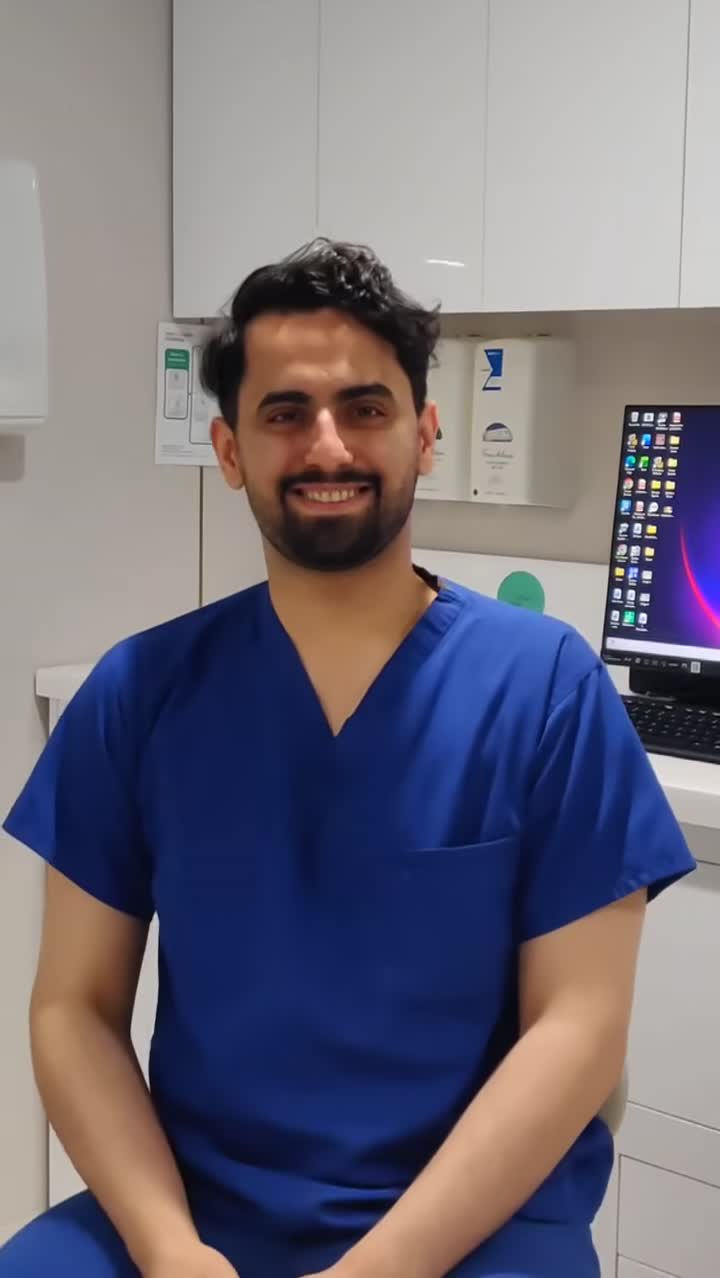
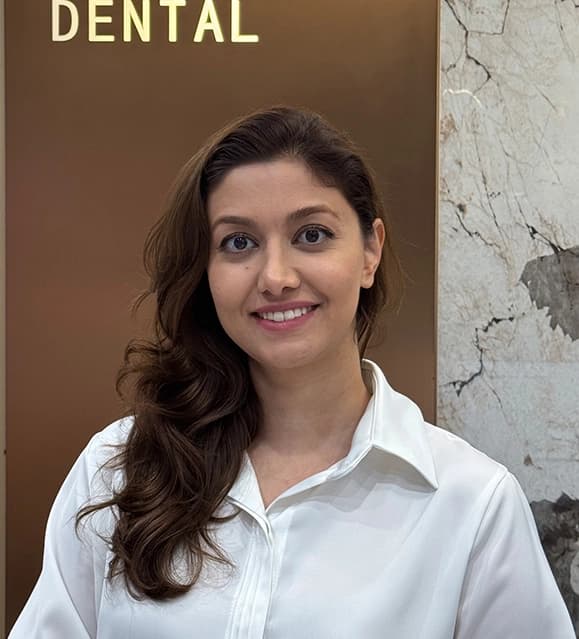
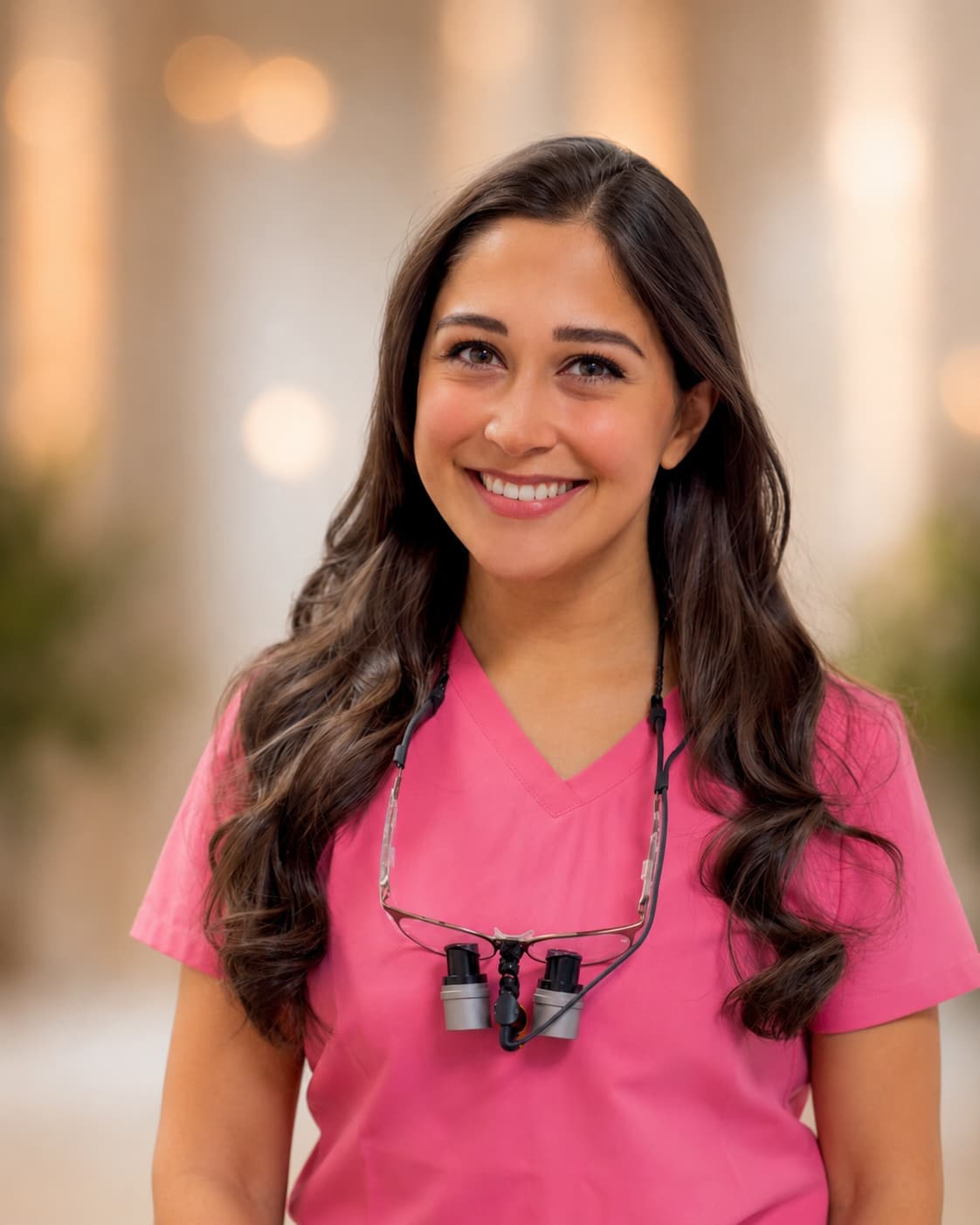
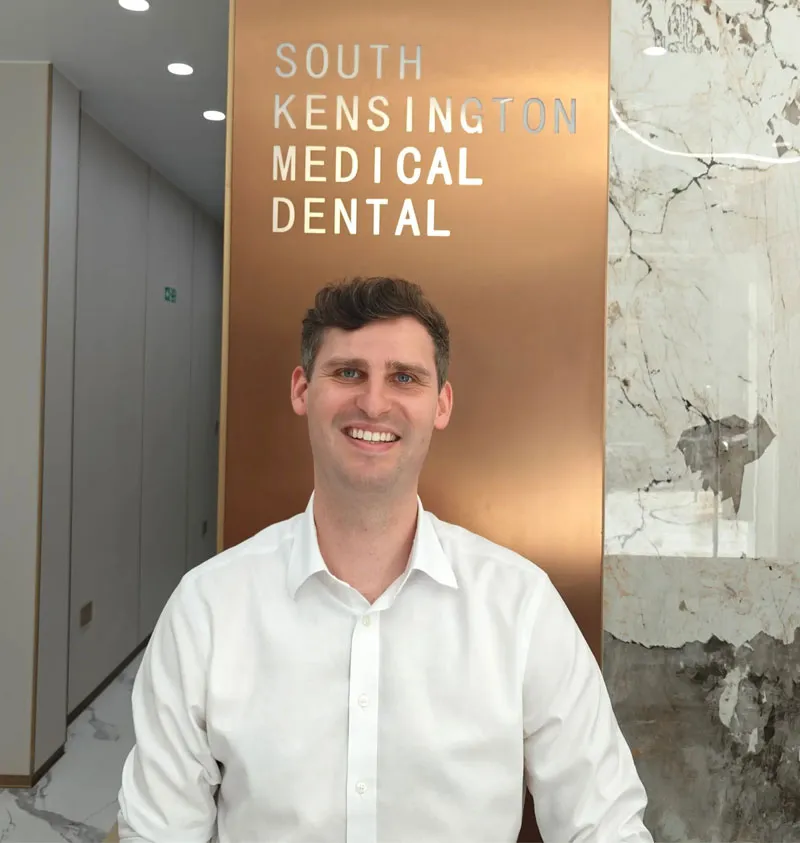
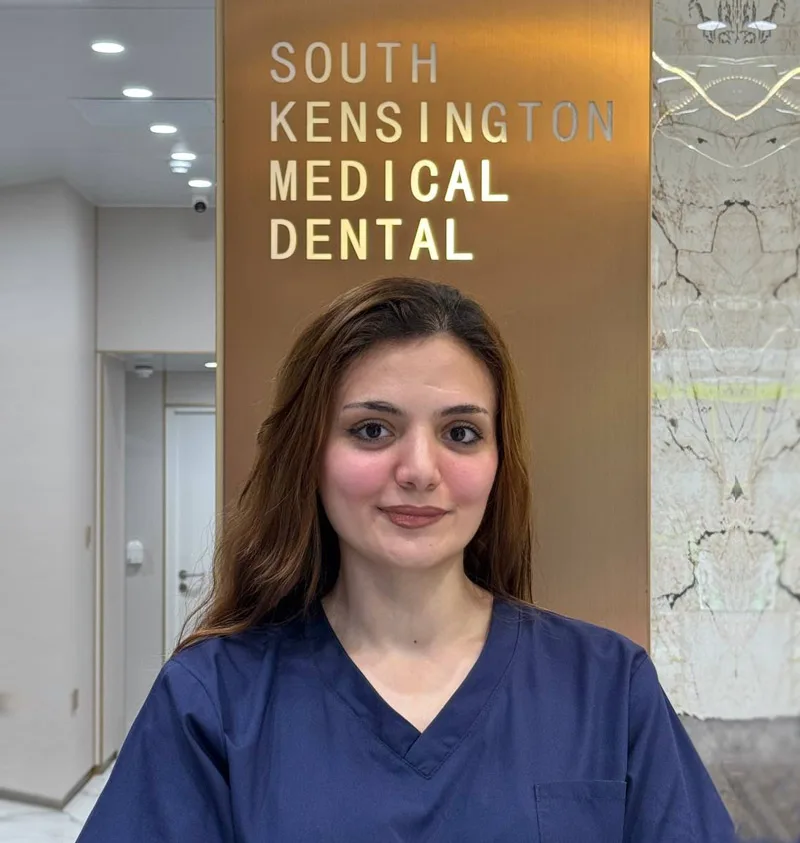
Meet Our Dental Team
Our experienced dental team is fully qualified and registered with the GDC, delivering safe, high-quality care in line with the highest professional standards.
Because our patients deserve nothing less.
When you have lost one or more teeth but still have healthy natural teeth remaining, the two main replacement options are dental implants and partial dentures. Both can restore your ability to eat, speak, and smile — but they differ significantly in how they work, how they feel, and how long they last.
Dental implants are fixed, permanent replacements anchored into the jawbone. Partial dentures are removable prosthetics that clip onto your remaining natural teeth. The right choice depends on the number and position of missing teeth, your jawbone health, your lifestyle, and your budget.
This guide compares both options clearly. The most appropriate treatment will always depend on a clinical assessment by your dentist.
| Feature | Dental Implants | Partial Dentures |
|---|---|---|
| Type of Treatment | Fixed surgical replacement anchored in the jawbone | Removable prosthetic that clips onto remaining teeth |
| Removable vs Fixed | Fixed — permanently integrated | Removable — taken out for cleaning |
| Stability | Very high — anchored into bone | Moderate — held by clasps on adjacent teeth |
| Comfort | Feels like natural teeth once healed | May feel bulky initially; adjustment period needed |
| Impact on Adjacent Teeth | None — does not rely on neighbouring teeth | Clasps rest on adjacent teeth, which may cause wear |
| Bone Preservation | Yes — stimulates jawbone and prevents bone loss | No — does not stimulate the bone in the gap area |
| Cost | From £2,950 | From £397.50 (member) / £795 |
| Longevity | 25+ years / potentially lifetime | 5–15 years depending on material |
| Maintenance | Brush and floss as normal | Daily removal, soaking, and cleaning |
| Suitability | Patients with adequate jawbone and good general health | Patients with remaining healthy teeth seeking a non-surgical option |
Type of Treatment
Implant
Fixed surgical replacement anchored in the jawbone
Partial Denture
Removable prosthetic that clips onto remaining teeth
Removable vs Fixed
Implant
Fixed — permanently integrated
Partial Denture
Removable — taken out for cleaning
Stability
Implant
Very high — anchored into bone
Partial Denture
Moderate — held by clasps on adjacent teeth
Comfort
Implant
Feels like natural teeth once healed
Partial Denture
May feel bulky initially; adjustment period needed
Impact on Adjacent Teeth
Implant
None — does not rely on neighbouring teeth
Partial Denture
Clasps rest on adjacent teeth, which may cause wear
Bone Preservation
Implant
Yes — stimulates jawbone and prevents bone loss
Partial Denture
No — does not stimulate the bone in the gap area
Cost
Implant
From £2,950
Partial Denture
From £397.50 (member) / £795
Longevity
Implant
25+ years / potentially lifetime
Partial Denture
5–15 years depending on material
Maintenance
Implant
Brush and floss as normal
Partial Denture
Daily removal, soaking, and cleaning
Suitability
Implant
Patients with adequate jawbone and good general health
Partial Denture
Patients with remaining healthy teeth seeking a non-surgical option
A dental implant is a small titanium post that is surgically placed into the jawbone to replace the root of a missing tooth. Once the implant has integrated with the bone (a process called osseointegration, typically taking 3–4 months), a custom-made crown is secured on top. The result is a fixed, permanent tooth replacement that looks, feels, and functions like a natural tooth.
Our clinic offers dental implants for long-term tooth replacement using biocompatible titanium fixtures. Implants are the only option that stimulates the jawbone, helping to prevent the bone loss that naturally occurs after teeth are lost. They can replace a single tooth, several teeth, or — in conjunction with bridges — support a full arch.
Implants are suitable for patients with adequate jawbone density, good general health, and healthy gums. A bone graft may be required if bone has been lost. Smokers and patients with certain medical conditions may need additional assessment. Suitability is confirmed during a clinical consultation including a 3D scan.
A partial denture is a removable prosthetic designed to replace one or more missing teeth when healthy natural teeth still remain. It consists of replacement teeth attached to a gum-coloured base, held in place by clasps or precision attachments that clip onto neighbouring natural teeth. Partial dentures fill gaps, restore chewing function, and prevent remaining teeth from drifting out of position.
Partial dentures are available in three main materials: acrylic (the most affordable), valplast or flexible nylon (a comfortable, metal-free option), and cobalt-chrome (a thinner, stronger, and more durable framework). They are a well-established, non-surgical solution — often chosen as part of a wider full mouth reconstruction plan, or as a standalone treatment for patients who prefer not to have surgery or who are not suitable for implants.
Partial dentures are suitable for patients who have lost one or more teeth but still have healthy remaining natural teeth for support. They are a good option for patients who are not candidates for implant surgery, those who prefer a non-surgical approach, or those seeking a more affordable tooth replacement. The remaining teeth must be healthy enough to support the clasps of the denture.
Implants are permanently fixed into the jawbone — they stay in place and are cleaned like natural teeth. Partial dentures are removable and must be taken out daily for cleaning, soaking, and typically overnight.
Implants feel and function like natural teeth with full biting force. Partial dentures may move slightly during eating or speaking as they rely on clasps for retention rather than being anchored in bone.
Implants are self-supporting and do not affect neighbouring teeth. Partial denture clasps rest on adjacent teeth, which can place stress on them over time and may contribute to wear or increased decay risk.
Implants stimulate the jawbone and prevent bone loss in the gap area. Partial dentures sit on the gums and do not stimulate the bone, which can gradually resorb over time.
Implants typically last 25+ years or a lifetime. Acrylic partial dentures last 5–8 years, valplast 5–8 years, and cobalt-chrome partial dentures 10–15 years before needing replacement.
Implants are maintained with standard brushing and flossing like natural teeth. Partial dentures require daily removal, cleaning with a denture brush, and soaking in a cleaning solution.
Both provide natural-looking results. Implant crowns emerge from the gum like natural teeth. Partial dentures are custom-made for a natural appearance, though clasps may be visible depending on position.
Implants cost from £2,950 per tooth. Partial dentures start from £397.50 (£795) for acrylic. Implants cost more upfront but may be more cost-effective over a lifetime.
Costs vary depending on the number of teeth being replaced, the materials chosen, and the complexity of treatment. Below are our current prices for implants and partial dentures.
| Treatment | Member Price | Non-Member Price | Typical Lifespan |
|---|---|---|---|
| Single Implant (inc. crown) | From £2,950 | From £2,950 | 25+ years / lifetime |
| Partial Acrylic Denture | From £397.50 | From £795 | 5–8 years |
| Valplast / Flexi Partial Denture | From £447.50 | From £895 | 5–8 years |
| Cobalt-Chrome Partial Denture | From £697.50 | From £1,395 | 10–15 years |
Single Implant (inc. crown)
Member
From £2,950
Standard
From £2,950
Lifespan
25+ years
Partial Acrylic Denture
Member
From £397.50
Standard
From £795
Lifespan
5–8 years
Valplast / Flexi Partial Denture
Member
From £447.50
Standard
From £895
Lifespan
5–8 years
Cobalt-Chrome Partial Denture
Member
From £697.50
Standard
From £1,395
Lifespan
10–15 years
For a detailed breakdown of implant pricing, see our dental implant cost in London guide. Membership halves the cost of most treatments. A complimentary short consultation is available to discuss your options. Final costs are confirmed after a clinical assessment.
If you want teeth that feel permanently fixed, never move, and function exactly like natural teeth without affecting neighbours, dental implants provide the most stable and secure solution.
Dental ImplantIf budget is a primary concern, partial dentures offer a significantly lower upfront cost while still restoring your ability to eat, speak, and smile. They can be upgraded to implants later.
Partial DentureIf you want the longest-lasting solution that prevents bone loss and protects adjacent teeth from wear, dental implants last 25+ years — potentially a lifetime with good care.
Dental ImplantIf medical conditions, insufficient bone, or personal preference make surgery unsuitable, partial dentures provide a proven, non-invasive alternative that can be made quickly.
Partial DentureThe best way to determine whether implants or partial dentures are right for you is with a personalised clinical assessment. Our dental team will examine your teeth, jawbone, and gums, discuss your goals, and recommend the most appropriate treatment plan. You can book a consultation at a time that suits you.
This article is intended for general educational purposes only and does not constitute personalised dental advice. Individual diagnosis and treatment recommendations require a clinical examination by a qualified dental professional. All treatment outcomes depend on individual clinical factors and cannot be guaranteed. The suitability of dental implants or partial dentures is determined during a clinical assessment. Implant success rates are based on published clinical data and individual results may vary. South Kensington Medical & Dental is registered with the Care Quality Commission (CQC) and all practitioners are registered with the General Dental Council (GDC).
Our experienced dental team is fully qualified and registered with the GDC, delivering safe, high-quality care in line with the highest professional standards.
Because our patients deserve nothing less.
At South Kensington Medical & Dental, we are fully registered with the Care Quality Commission (CQC) and our clinicians are registered with the relevant UK regulatory bodies, including the GDC and GMC. Our dentists, dental nurses and medical professionals deliver care that meets the highest clinical, safety and ethical standards, because our patients deserve nothing less.

We work with all major UK insurers including Bupa, AXA Health, Aviva, Cigna, Vitality, WPA, Unum and Boots Dental Plan. We'll provide the receipts and paperwork you need to claim back your treatment costs.