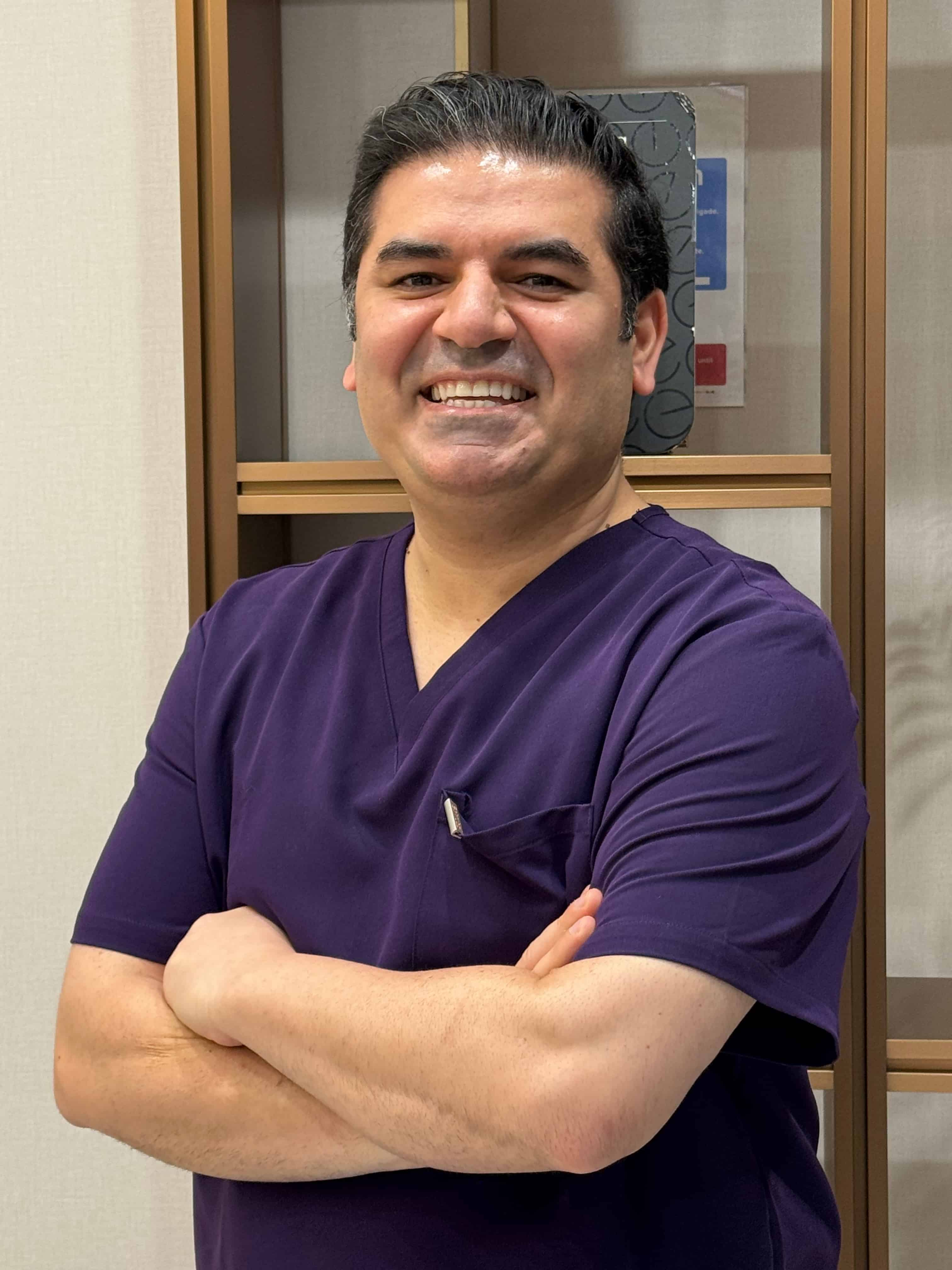
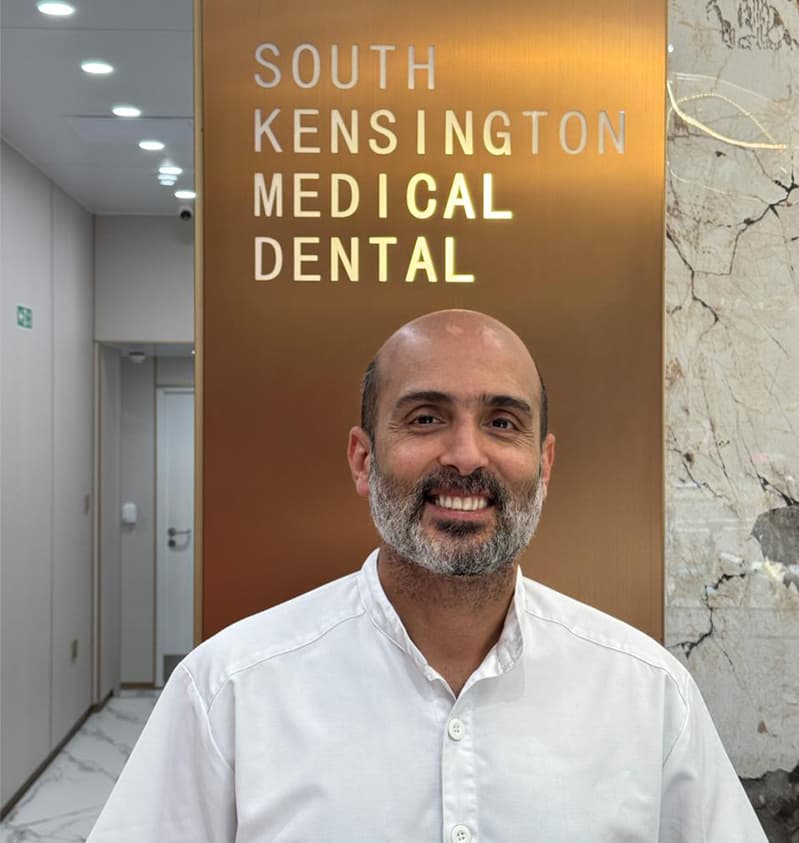
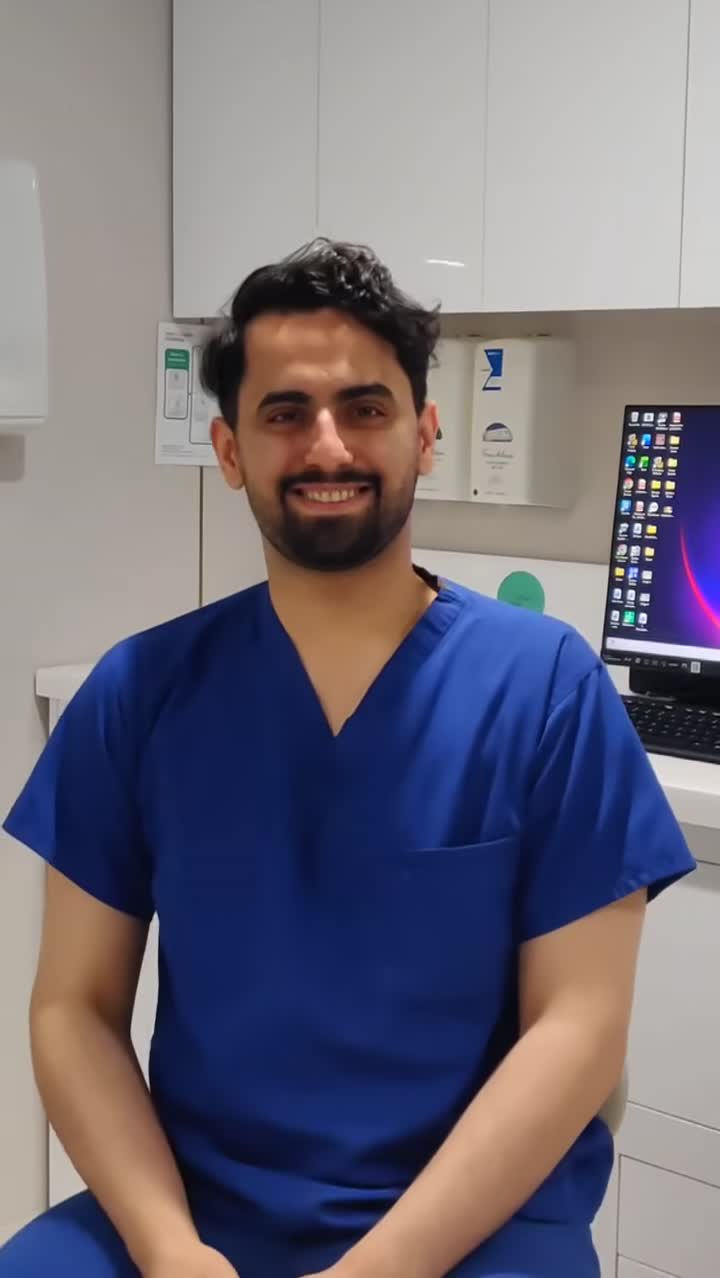
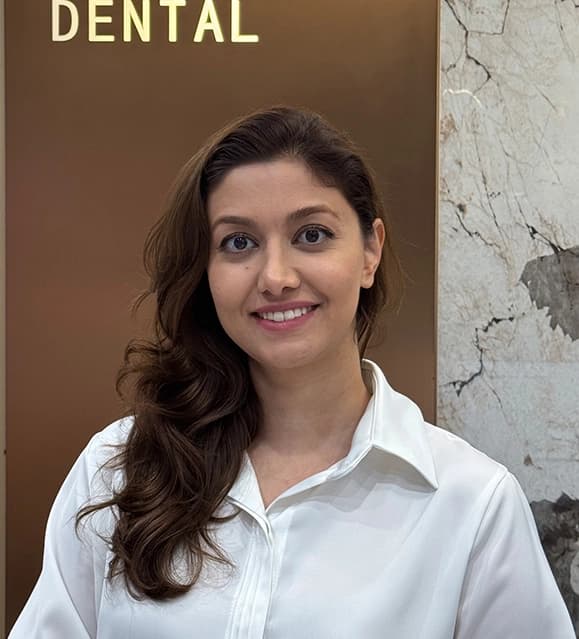
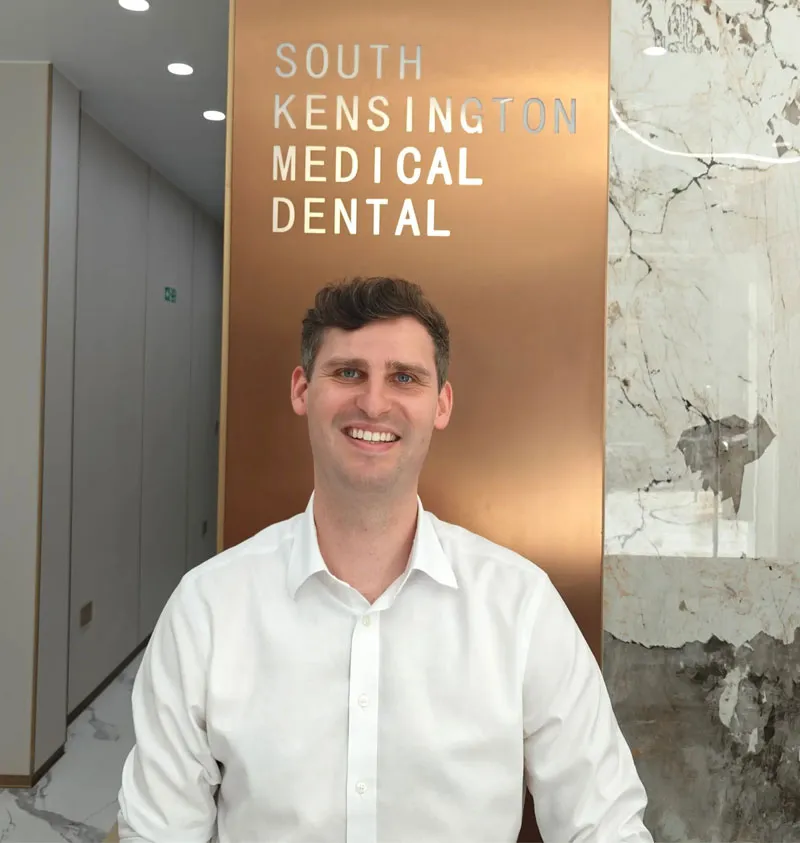
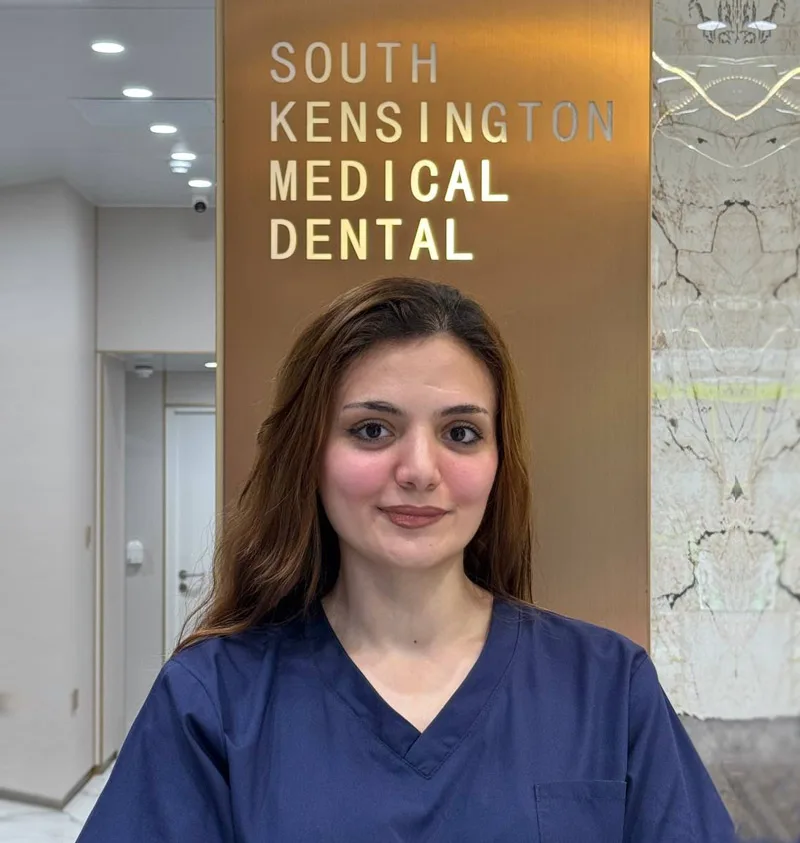
Meet Our Dental Team
Our experienced dental team is fully qualified and registered with the GDC, delivering safe, high-quality care in line with the highest professional standards.
Because our patients deserve nothing less.
When you need to replace a missing tooth, the two most common options are a dental implant and a dental bridge. Both restore the appearance and function of your smile — but they work in fundamentally different ways and suit different clinical situations.
A dental implant is a self-supporting replacement anchored directly into the jawbone, while a bridge uses the teeth on either side of the gap for support. Choosing between them depends on your jawbone health, the condition of your neighbouring teeth, your timeline, and your long-term goals.
This guide compares both options clearly. The most appropriate treatment will always depend on a clinical assessment by your dentist.
| Feature | Dental Implants | Dental Bridges |
|---|---|---|
| Purpose | Replace a missing tooth independently | Replace a missing tooth using adjacent teeth for support |
| Tooth Support | Self-supporting — anchored in jawbone | Supported by crowns on neighbouring teeth |
| Strength | Very high — mimics a natural tooth root | High — relies on strength of anchor teeth |
| Durability | 25+ years / potentially lifetime | 10–15+ years with care |
| Aesthetic Result | Natural — custom shade-matched crown | Natural — custom shade-matched pontic |
| Treatment Time | 3–6 months (including healing) | 2–3 weeks (2 appointments) |
| Cost (Per Tooth) | From £2,950 | From £497.50/unit (member) / £995/unit |
| Impact on Surrounding Teeth | None — neighbouring teeth left untouched | Adjacent teeth reshaped to support the bridge |
| Longevity | 25+ years with care | 10–15+ years with care |
| Best Suited For | Patients with healthy jawbone wanting a permanent solution | Patients needing quicker replacement or unsuitable for surgery |
Purpose
Implant
Replace a missing tooth independently
Bridge
Replace a missing tooth using adjacent teeth for support
Tooth Support
Implant
Self-supporting — anchored in jawbone
Bridge
Supported by crowns on neighbouring teeth
Strength
Implant
Very high — mimics a natural tooth root
Bridge
High — relies on strength of anchor teeth
Durability
Implant
25+ years / potentially lifetime
Bridge
10–15+ years with care
Aesthetic Result
Implant
Natural — custom shade-matched crown
Bridge
Natural — custom shade-matched pontic
Treatment Time
Implant
3–6 months (including healing)
Bridge
2–3 weeks (2 appointments)
Cost (Per Tooth)
Implant
From £2,950
Bridge
From £497.50/unit (member) / £995/unit
Impact on Surrounding Teeth
Implant
None — neighbouring teeth left untouched
Bridge
Adjacent teeth reshaped to support the bridge
Longevity
Implant
25+ years with care
Bridge
10–15+ years with care
Best Suited For
Implant
Patients with healthy jawbone wanting a permanent solution
Bridge
Patients needing quicker replacement or unsuitable for surgery
A dental implant is a small titanium post that is surgically placed into the jawbone to replace the root of a missing tooth. Once the implant has integrated with the bone (a process called osseointegration, typically taking 3–4 months), a custom-made crown is attached on top to complete the restoration.
Our clinic offers dental implant treatment for replacing missing teeth using biocompatible titanium fixtures. Implants are the only tooth replacement option that stimulates the jawbone, helping to prevent the bone loss that naturally occurs after a tooth is lost. They function, feel, and look like a natural tooth.
Implants are suitable for patients with adequate jawbone density, good general health, and healthy gums. A bone graft may be required if bone has been lost. Smokers and patients with certain medical conditions may need additional assessment. Suitability is confirmed during a clinical consultation.
A dental bridge is a fixed restoration that replaces one or more missing teeth by anchoring a false tooth (called a pontic) to the natural teeth on either side of the gap. The neighbouring teeth are reshaped and fitted with crowns that support the bridge in place.
Our clinic provides dental bridge for replacing one or more missing teeth in traditional, cantilever, and Maryland (resin-bonded) designs. Bridges are a well-established, non-surgical option for replacing missing teeth — particularly suitable when implants are not clinically appropriate or when a patient prefers to avoid surgery.
Bridges are suitable for patients with healthy, strong teeth on either side of the gap that can support the restoration. They are also appropriate for patients who are not candidates for implant surgery, those who prefer a non-surgical approach, or those needing a faster replacement timeline.
An implant stands alone — it is anchored into the jawbone and does not rely on any other teeth. A bridge uses the adjacent teeth as anchors, which must be reshaped and crowned to hold the false tooth in place.
Implants leave neighbouring teeth completely untouched. A bridge requires the teeth on either side to be permanently reduced and crowned, even if they are otherwise healthy.
Implants are anchored in bone and mimic the function of a natural tooth root, providing exceptional strength. Bridges are strong but depend on the health and integrity of the supporting teeth.
Implants typically last 25 years or more — potentially a lifetime. Bridges generally last 10–15 years before they may need replacing. Both depend on oral hygiene and maintenance.
Bridges can be completed in 2–3 weeks with no surgical healing. Implants require 3–6 months to allow the titanium post to integrate with the jawbone before the final crown is fitted.
Both options provide natural-looking results with custom shade-matching. Implants can offer a slight advantage at the gum line, as they emerge from the bone like a natural tooth.
Implants have a higher upfront cost — from £2,950 per tooth. Bridge units start from £497.50 (£995), with a 3-unit bridge from £1,492.50 (£2,985). Over a lifetime, implants may be more cost-effective due to their longevity.
Costs vary depending on the number of teeth being replaced, the materials used, and the complexity of treatment. Below are our current prices for implants and bridges.
| Treatment | Member Price | Non-Member Price | Typical Lifespan |
|---|---|---|---|
| Single Implant (inc. crown) | From £2,950 | From £2,950 | 25+ years / lifetime |
| Bridge (Per Unit) | From £497.50 | From £995 | 10–15+ years |
| 3-Unit Bridge (1 missing tooth) | From £1,492.50 | From £2,985 | 10–15+ years |
| Maryland Bridge (Resin-Bonded, 2 units) | From £995 | From £1,990 | 5–10 years |
| Cantilever Bridge (2 units) | From £995 | From £1,990 | 8–12 years |
Single Implant (inc. crown)
Member
From £2,950
Standard
From £2,950
Lifespan
25+ years
Bridge (Per Unit)
Member
From £497.50
Standard
From £995
Lifespan
10–15+ years
3-Unit Bridge
Member
From £1,492.50
Standard
From £2,985
Lifespan
10–15+ years
Maryland Bridge (2 units)
Member
From £995
Standard
From £1,990
Lifespan
5–10 years
Cantilever Bridge (2 units)
Member
From £995
Standard
From £1,990
Lifespan
8–12 years
For a detailed breakdown of implant pricing, see our dental implant cost in London guide. Membership halves the cost of most treatments. A complimentary short consultation is available to discuss your options. Final costs are confirmed after a clinical assessment.
If the teeth next to the gap are healthy and untreated, a dental implant avoids the need to reshape them — keeping your natural teeth intact.
Dental ImplantIf you need a replacement sooner and prefer to avoid surgery, a bridge can be completed in 2–3 weeks with no healing period required.
Dental BridgeIf you want the longest-lasting option that prevents bone loss and functions like a natural tooth, a dental implant offers the greatest longevity — 25+ years or more.
Dental ImplantIf bone density, medical conditions, or personal preference make implant surgery unsuitable, a bridge is a reliable, proven alternative for replacing missing teeth.
Dental BridgeThe best way to determine whether an implant or a bridge is right for you is with a personalised clinical assessment. Our dental team will examine your teeth, jaw, and gums, discuss your options, and recommend the most appropriate treatment. You can book a consultation with a dentist in London at a time that suits you.
This article is intended for general educational purposes only and does not constitute personalised dental advice. Individual diagnosis and treatment recommendations require a clinical examination by a qualified dental professional. All treatment outcomes depend on individual clinical factors and cannot be guaranteed. The suitability of dental implants or bridges is determined during a clinical assessment. Implant success rates are based on published clinical data and individual results may vary. South Kensington Medical & Dental is registered with the Care Quality Commission (CQC) and all practitioners are registered with the General Dental Council (GDC).
Our experienced dental team is fully qualified and registered with the GDC, delivering safe, high-quality care in line with the highest professional standards.
Because our patients deserve nothing less.
At South Kensington Medical & Dental, we are fully registered with the Care Quality Commission (CQC) and our clinicians are registered with the relevant UK regulatory bodies, including the GDC and GMC. Our dentists, dental nurses and medical professionals deliver care that meets the highest clinical, safety and ethical standards, because our patients deserve nothing less.

We work with all major UK insurers including Bupa, AXA Health, Aviva, Cigna, Vitality, WPA, Unum and Boots Dental Plan. We'll provide the receipts and paperwork you need to claim back your treatment costs.