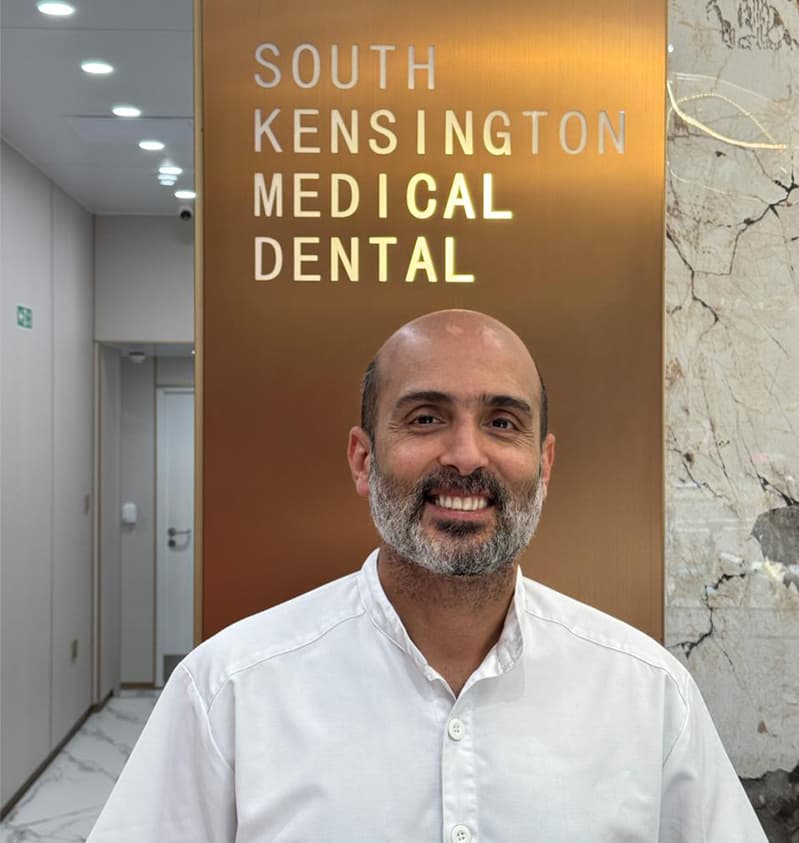
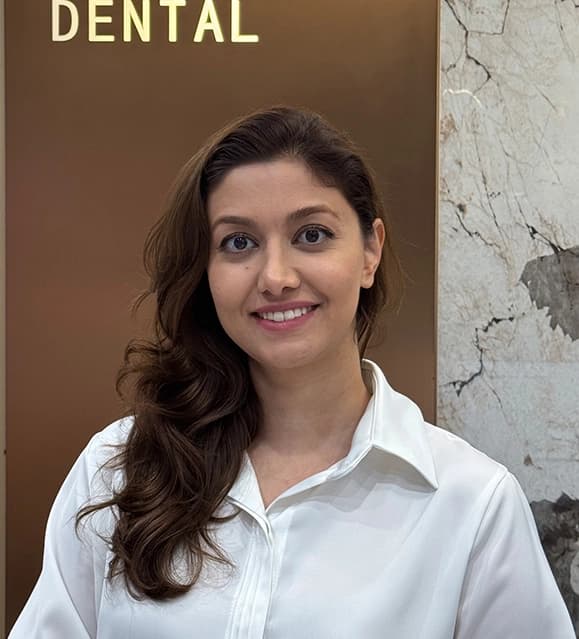
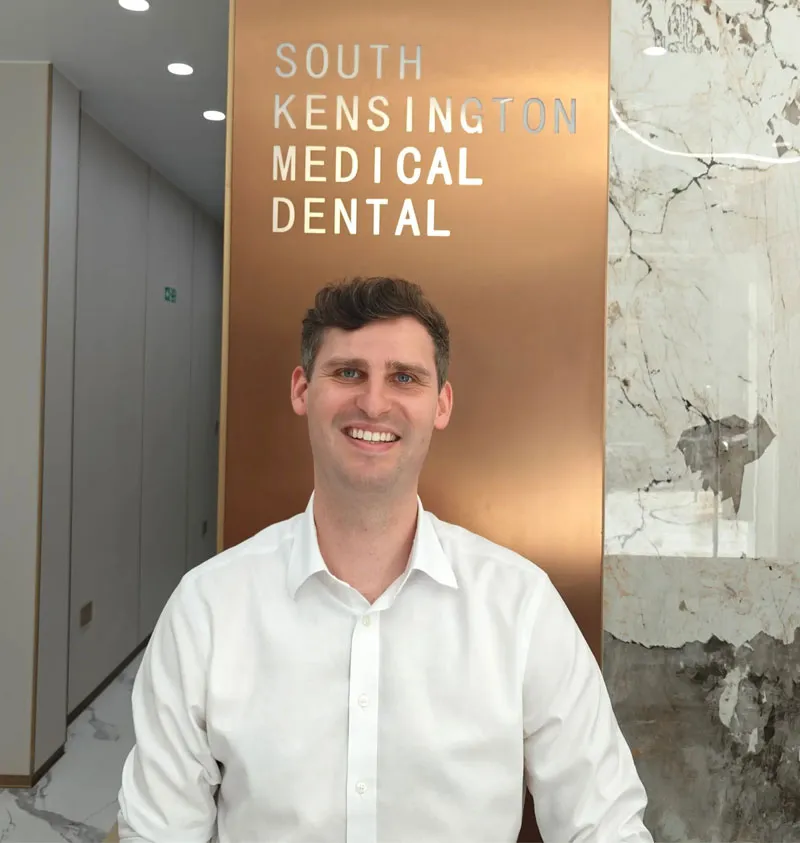
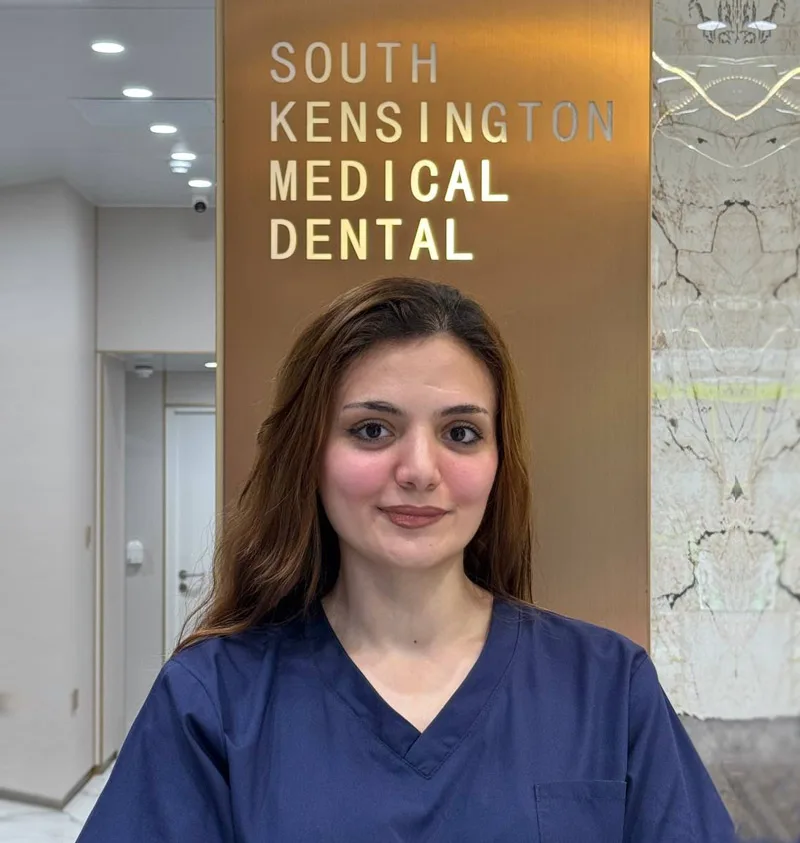
Meet Our Dental Team
Our experienced dental team is fully qualified and registered with the GDC, delivering safe, high-quality care in line with the highest professional standards.
Because our patients deserve nothing less.
If a tooth is chipped, worn, or damaged, two of the most common treatments are composite bonding and dental crowns. Both can restore appearance and function — but they work in very different ways.
Bonding is typically a cosmetic solution for minor imperfections, while crowns provide full structural restoration for weakened or heavily damaged teeth. The right choice depends on the condition of your tooth and what you need to achieve.
This guide compares both treatments to help you understand the key differences. The most appropriate option will always depend on a clinical assessment by your dentist.
| Feature | Composite Bonding | Dental Crowns |
|---|---|---|
| Primary Purpose | Cosmetic improvement | Structural restoration |
| Coverage of Tooth | Partial — applied to surface | Full — covers entire tooth |
| Strength | Moderate | High |
| Durability | 5–10 years | 10–25 years |
| Aesthetic Result | Natural, tooth-coloured | Natural, custom-matched shade |
| Treatment Time | 30–60 minutes per tooth | 2 appointments over 1–2 weeks |
| Cost (Per Tooth) | From £197.50 (member) / £395 | From £497.50 (member) / £995 |
| Longevity | 5–10 years with care | 10–25+ years with care |
| Tooth Preparation | Minimal to none | Moderate reduction required |
| Best Suited For | Chips, gaps, minor reshaping | Cracked, weakened, or heavily filled teeth |
Primary Purpose
Bonding
Cosmetic improvement
Crown
Structural restoration
Coverage of Tooth
Bonding
Partial — applied to surface
Crown
Full — covers entire tooth
Strength
Bonding
Moderate
Crown
High
Durability
Bonding
5–10 years
Crown
10–25 years
Aesthetic Result
Bonding
Natural, tooth-coloured
Crown
Natural, custom-matched shade
Treatment Time
Bonding
30–60 minutes per tooth
Crown
2 appointments over 1–2 weeks
Cost (Per Tooth)
Bonding
From £197.50 (member) / £395
Crown
From £497.50 (member) / £995
Longevity
Bonding
5–10 years with care
Crown
10–25+ years with care
Tooth Preparation
Bonding
Minimal to none
Crown
Moderate reduction required
Best Suited For
Bonding
Chips, gaps, minor reshaping
Crown
Cracked, weakened, or heavily filled teeth
Composite bonding is a cosmetic dental treatment in which a tooth-coloured composite resin is applied directly to the surface of a tooth. It is shaped and polished to blend seamlessly with your natural teeth.
It is commonly used to repair minor chips, close small gaps between teeth, reshape uneven edges, or cover surface discolouration. The treatment is minimally invasive and is usually completed in a single appointment, typically taking 30–60 minutes per tooth.
Composite bonding is most suitable for patients with minor cosmetic concerns — small chips, slight gaps, uneven tooth edges, or mild discolouration. It is ideal for those who want a conservative, reversible treatment that preserves as much natural tooth structure as possible.
A dental crown is a custom-made restoration that completely covers a damaged or weakened tooth. It is designed to restore the tooth's shape, size, strength, and appearance — functioning as a protective cap over the existing structure.
Crowns are commonly recommended after root canal treatment, for teeth with large fillings, cracked or fractured teeth, and teeth that are too damaged for bonding or fillings alone. They are available in porcelain, zirconia, and metal-ceramic materials.
Dental crowns are most appropriate for patients with structurally compromised teeth — those with large fillings, cracks, fractures, or teeth that have undergone root canal treatment. They are also used when a tooth requires both functional restoration and cosmetic improvement.
Composite bonding is primarily a cosmetic treatment for surface-level improvements. Crowns provide full structural restoration, reinforcing a weakened or damaged tooth from all sides.
Crowns are significantly stronger than composite bonding. Porcelain and zirconia crowns can withstand greater biting forces and are less prone to chipping over time.
Bonding requires minimal to no tooth preparation — the resin is applied directly to the enamel. Crowns require moderate reduction of the natural tooth to accommodate the restoration.
With proper care, crowns typically last 10–25 years. Composite bonding usually lasts 5–10 years and may require periodic repair or replacement.
Both treatments provide natural-looking results. Bonding is shaped and polished chairside, while crowns are custom-fabricated in a laboratory for precise shade and contour matching.
Composite bonding starts from £197.50 per tooth for members (£395 non-members). Dental crowns — including porcelain and zirconia options — start from £497.50 for members (£995 standard). Membership halves the cost of both treatments.
Costs vary depending on the complexity of treatment, the number of teeth involved, and the materials used. Below are our current prices.
| Treatment | Our Price (Per Tooth) | Typical Lifespan |
|---|---|---|
| Composite Bonding | From £197.50 (member) / £395 | 5–10 years |
| Porcelain Crown | From £497.50 (member) / £995 | 10–15 years |
| Zirconia Crown | From £497.50 (member) / £995 | 15–25+ years |
Composite Bonding
Porcelain Crown
Zirconia Crown
Composite bonding is generally more affordable in the short term, though crowns may offer better long-term value for teeth that require structural restoration. Final costs depend on your individual treatment plan.
If you have minor chips, small gaps, or uneven edges, composite bonding offers a quick, conservative solution with natural-looking results.
Composite BondingFor teeth with significant decay, large fillings, fractures, or after root canal treatment, a crown provides the structural support needed.
Dental CrownIf preserving your natural tooth structure is a priority, bonding requires little to no enamel removal and is fully reversible.
Composite BondingIf you need a restoration that will last 15–25+ years with minimal maintenance, a zirconia or porcelain crown is the more durable option.
Dental CrownThe best way to find out which treatment is right for you is with a personalised consultation. Our dental team will assess your teeth and recommend the most appropriate option based on your clinical needs and goals.
This page is intended for general educational purposes only and does not constitute personalised dental advice. Individual diagnosis and treatment recommendations require a clinical examination by a qualified dental professional. All treatment outcomes depend on individual clinical factors and cannot be guaranteed. Composite bonding and dental crown suitability is determined during a clinical assessment. South Kensington Medical & Dental is registered with the Care Quality Commission (CQC) and all practitioners are registered with the General Dental Council (GDC).
Our experienced dental team is fully qualified and registered with the GDC, delivering safe, high-quality care in line with the highest professional standards.
Because our patients deserve nothing less.
At South Kensington Medical & Dental, we are fully registered with the Care Quality Commission (CQC) and our clinicians are registered with the relevant UK regulatory bodies, including the GDC and GMC. Our dentists, dental nurses and medical professionals deliver care that meets the highest clinical, safety and ethical standards, because our patients deserve nothing less.



We work with all major UK insurers including Bupa, AXA Health, Aviva, Cigna, Vitality, WPA, Unum and Boots Dental Plan. We'll provide the receipts and paperwork you need to claim back your treatment costs.