All-on-4 vs Traditional ImplantsWhich Is Right for You?
If you are considering replacing missing teeth, you may have come across both All-on-4 and traditional dental implants as options. Both are effective, long-lasting solutions — but they are designed for different situations and suit different patients.
The most appropriate treatment depends on how many teeth need replacing, your bone density, your overall health, and your long-term goals. This guide explains the key differences to help you prepare for a conversation with your dentist. A clinical assessment is always required before treatment can be recommended.
Quick Comparison: All-on-4 vs Traditional Implants
| Feature | All-on-4 Implants | Traditional Implants |
|---|---|---|
| Purpose | Full-arch tooth replacement — replaces all teeth on one or both jaws | Single tooth, multiple teeth, or full-arch replacement — flexible approach |
| Number of implants required | 4 implants per arch | One implant per missing tooth, or multiple implants supporting a bridge |
| Treatment approach | Fixed full-arch prosthesis attached to 4 strategically angled implants | Individual implant fixtures each supporting a single crown or bridge |
| Stability and function | Fixed, non-removable teeth — strong chewing function restored | Each implant functions independently — closely mimics natural teeth |
| Aesthetic result | Full arch designed as a single prosthesis — natural-looking smile | Each crown individually crafted — can closely match surrounding teeth |
| Treatment time | Provisional teeth often fitted same day — final restoration after healing | 3–6 months per implant including healing and crown placement |
| Cost (at Our Practice) | Pricing provided after clinical assessment — depends on individual case | From £2,950 per single implant (inc. crown) |
| Longevity | Implant fixtures: 20+ years with proper care — prosthesis may need replacing | Implant fixtures: 25+ years / lifetime — crowns: 15–25 years |
| Suitability | Patients missing most or all teeth on an arch, including those with some bone loss | Patients missing one or more teeth with adequate bone density |
Purpose
Number of implants required
Treatment approach
Stability and function
Aesthetic result
Treatment time
Cost (at Our Practice)
Longevity
Suitability
What Are All-on-4 Implants?
All-on-4 is a full arch dental implant treatment for missing teeth that uses four strategically placed implants to support a complete set of fixed teeth on one jaw. Two implants are placed vertically at the front of the arch, and two are placed at an angle at the back — maximising contact with available bone.
One of the key advantages of All-on-4 is that provisional teeth can often be attached on the same day as surgery, meaning patients may leave the clinic with a functional set of teeth. The final prosthesis is fitted after the implants have fully integrated with the bone, typically after several months of healing.
Benefits of All-on-4
- Full arch of fixed teeth supported by only 4 implants
- Provisional teeth often fitted on the same day as surgery
- Angled implants may reduce or eliminate the need for bone grafting
- Fewer surgical sites compared to placing individual implants for each tooth
- Strong chewing function and natural-looking appearance
Suitable Candidates
All-on-4 is typically suitable for patients who are missing most or all of their teeth on one or both arches and are looking for a fixed, non-removable solution. It may also be considered for patients with moderate bone loss who might otherwise require bone grafting before traditional implants. Suitability is determined through a comprehensive clinical assessment, including 3D imaging.
What Are Traditional Dental Implants?
Traditional dental implants involve placing individual titanium implant fixtures into the jawbone, each supporting a single crown. For patients missing several adjacent teeth, multiple implants can support a bridge. This approach provides dental implants for replacing missing teeth with a high degree of flexibility — whether replacing one tooth, several teeth, or an entire arch.
Each implant is placed individually and allowed to heal and integrate with the bone (a process called osseointegration) over 3–6 months before the final crown or bridge is attached. This well-established approach has decades of clinical evidence supporting its long-term success.
Benefits of Traditional Implants
- Each implant functions independently — closely mimics natural teeth
- Suitable for replacing a single tooth, several teeth, or a full arch
- Individual crowns can be repaired or replaced without affecting adjacent implants
- Extensive long-term clinical evidence supporting reliability
- Custom porcelain crowns colour-matched to your natural teeth
Suitable Candidates
Traditional implants are suitable for most adults who are missing one or more teeth and have adequate bone density in the jaw. Patients should be in generally good health, have healthy gums, and be committed to maintaining good oral hygiene and attending regular follow-up appointments. Suitability is confirmed through a clinical assessment including dental imaging and bone density evaluation.
Key Differences Between All-on-4 and Traditional Implants
Full-Arch vs Individual Replacement
All-on-4 is specifically designed for full-arch replacement — it replaces all teeth on a jaw with a single prosthesis. Traditional implants offer more flexibility, allowing you to replace a single tooth, several teeth, or an entire arch depending on your needs.
Number of Implants Required
All-on-4 uses exactly 4 implants per arch, regardless of how many teeth are being replaced. Traditional implants require one fixture per missing tooth (or fewer if implant-supported bridges are used), meaning a full arch could require 6–8 or more implants.
Treatment Time and Healing
All-on-4 patients can often receive provisional teeth on the same day as surgery. Traditional implants typically require 3–6 months of healing per implant before the final crown is placed, and treatment may be staged over several appointments.
Bone Requirements
The angled posterior implants in All-on-4 are designed to maximise contact with existing bone, which can reduce or eliminate the need for bone grafting. Traditional implants require adequate bone density at each implant site, and bone grafting may be needed if bone has been lost.
Flexibility in Treatment Planning
Traditional implants offer greater flexibility — each implant is independent, so treatment can be tailored precisely to which teeth need replacing. All-on-4 is an all-or-nothing approach for the full arch.
Longevity
Both options are designed for long-term use. Traditional implant fixtures can last 25 years or more — often a lifetime — with individual crowns lasting 15–25 years. All-on-4 fixtures also have strong longevity, though the prosthesis may need refurbishing or replacing over time.
Aesthetic Outcome
Both options deliver natural-looking results. Traditional implants use individually crafted porcelain crowns matched to surrounding teeth. All-on-4 uses a full-arch prosthesis designed as a complete set, which can provide an excellent aesthetic result for the entire smile.
Cost
All-on-4 may be more cost-effective for full-arch replacement as it requires fewer implants and often fewer surgical procedures. Traditional implants are priced per implant — a single implant with crown starts from £2,950 at our clinic. Full-arch reconstruction with traditional implants involves a higher total cost.
Pros and Cons
All-on-4 Implants
Pros
- Replaces a full arch of teeth with only 4 implants — fewer surgical sites
- Provisional fixed teeth can often be fitted on the same day as surgery
- May be suitable for patients with some degree of bone loss
- Angled posterior implants can reduce or avoid the need for bone grafting
- Single surgical procedure for a complete arch — fewer individual operations
- Cost may be lower than placing 6–8 individual implants for a full arch
Cons
- Only suitable for patients who need full-arch replacement — not for single teeth
- The prosthesis is one connected piece — if damage occurs, the full unit may need repair
- Requires careful long-term maintenance and professional cleaning
- Not all patients are suitable — clinical assessment and imaging are required
Traditional Implants
Pros
- Each implant stands independently — damage to one does not affect others
- Suitable for replacing a single tooth, several teeth, or a full arch
- Individual crowns can be replaced without disturbing adjacent implants
- Closely mimics the feel and function of natural teeth
- Long clinical track record — well-established and extensively researched
Cons
- Full-arch replacement requires more implants — higher number of surgical sites
- Treatment may take longer due to multiple implant placements and healing periods
- Bone grafting may be necessary if bone density is insufficient
- Cost increases with each additional implant — full-arch replacement can be significant
Cost Comparison at Our Clinic
Members save 50% on most dental treatments with our membership plan from £20/month — dental implants are charged at a single rate. 0% interest finance is available for up to 12 months. For more information, see our guide to dental implant cost in London.
Which Option Is Best for You?
Best for Full-Arch Replacement
All-on-4 Implants
If you are missing most or all teeth on an arch and want a fixed, non-removable solution with fewer implants and potentially same-day provisional teeth.
Best for Individual Teeth
Traditional Implants
If you need to replace one or a few missing teeth with individual crowns that closely mimic the look and function of natural teeth.
Best for Limited Bone
All-on-4 Implants
If you have experienced moderate bone loss, the angled implant placement in All-on-4 may reduce or eliminate the need for bone grafting.
Best for Long-Term Flexibility
Traditional Implants
If you want the flexibility to replace or repair individual crowns without affecting adjacent implants — each stands independently.
The right choice depends on your individual clinical situation, including how many teeth need replacing, your bone density, and your overall health. A thorough assessment by your dentist, including 3D imaging, is required before treatment can be recommended.
Frequently Asked Questions
Considering Dental Implants?
The best way to determine whether All-on-4 or traditional implants are right for you is through a personalised consultation. Our implant team can assess your oral health, discuss your options, and create a tailored treatment plan — with no obligation.
You can book a consultation with a dentist in London at our South Kensington clinic. Initial implant consultations are complimentary.
This article is intended for general educational purposes only and does not constitute personalised dental advice. Individual diagnosis and treatment recommendations require a clinical examination by a qualified dental professional. All treatment outcomes depend on individual clinical factors and cannot be guaranteed. The suitability of All-on-4 or traditional dental implants is determined during a clinical assessment. South Kensington Medical & Dental is registered with the Care Quality Commission (CQC) and all practitioners are registered with the General Dental Council (GDC).
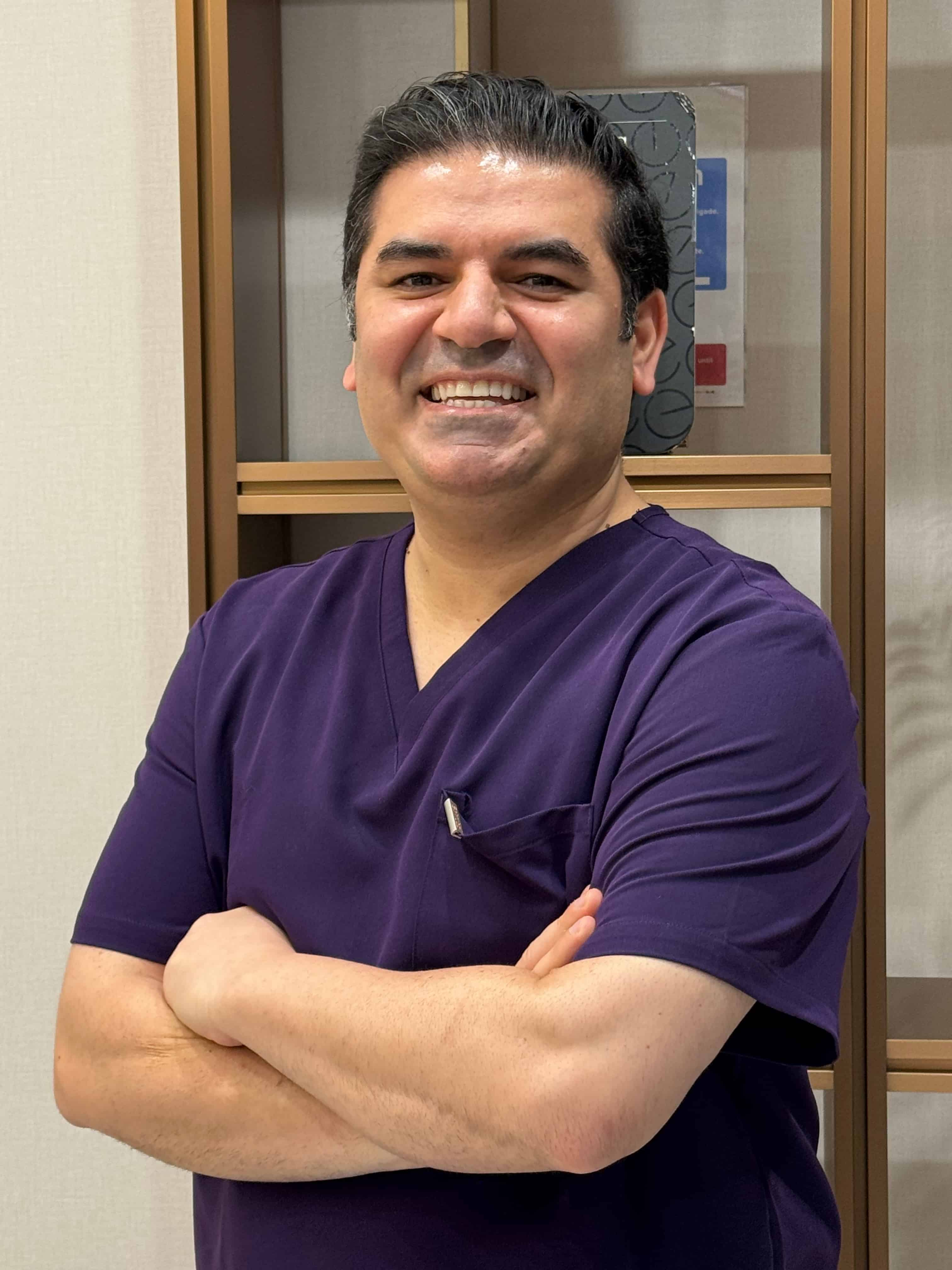
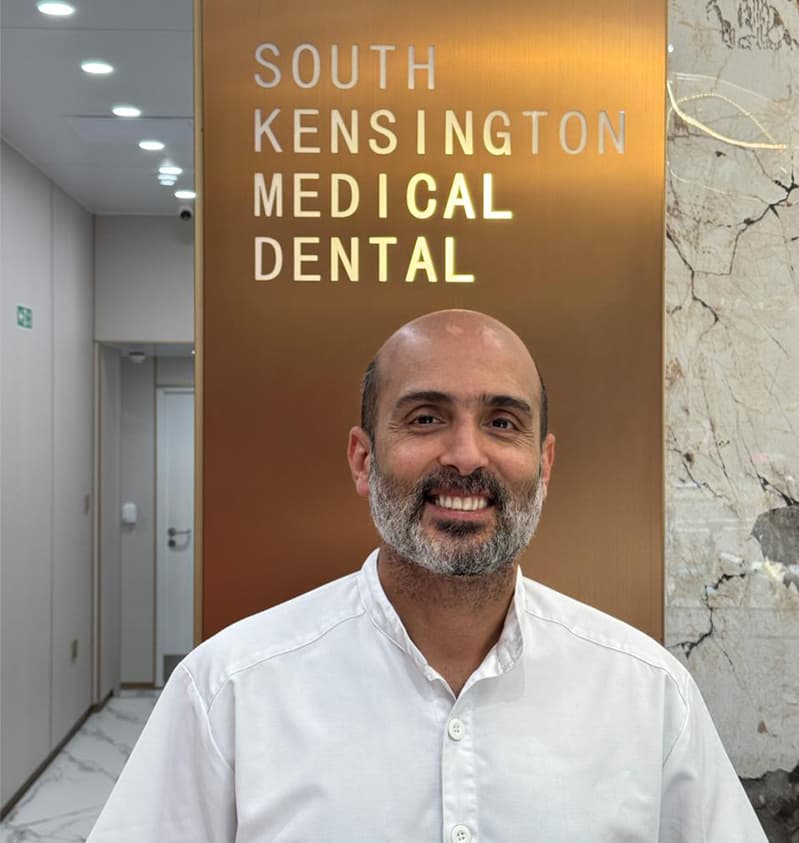
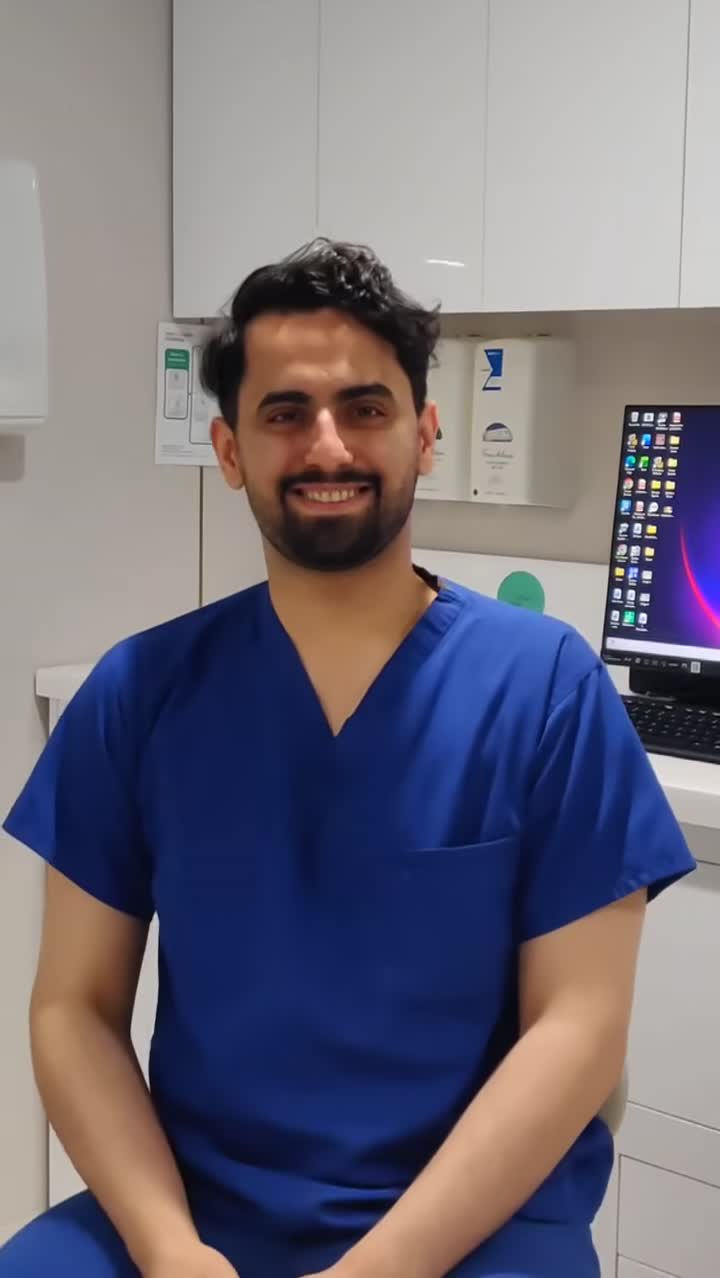
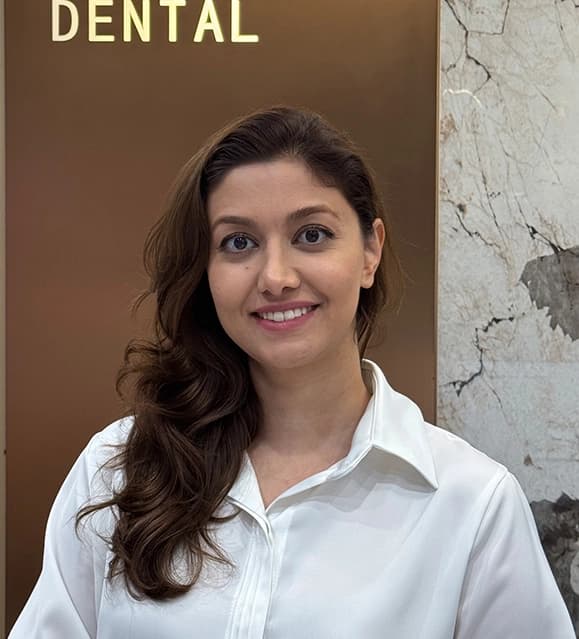
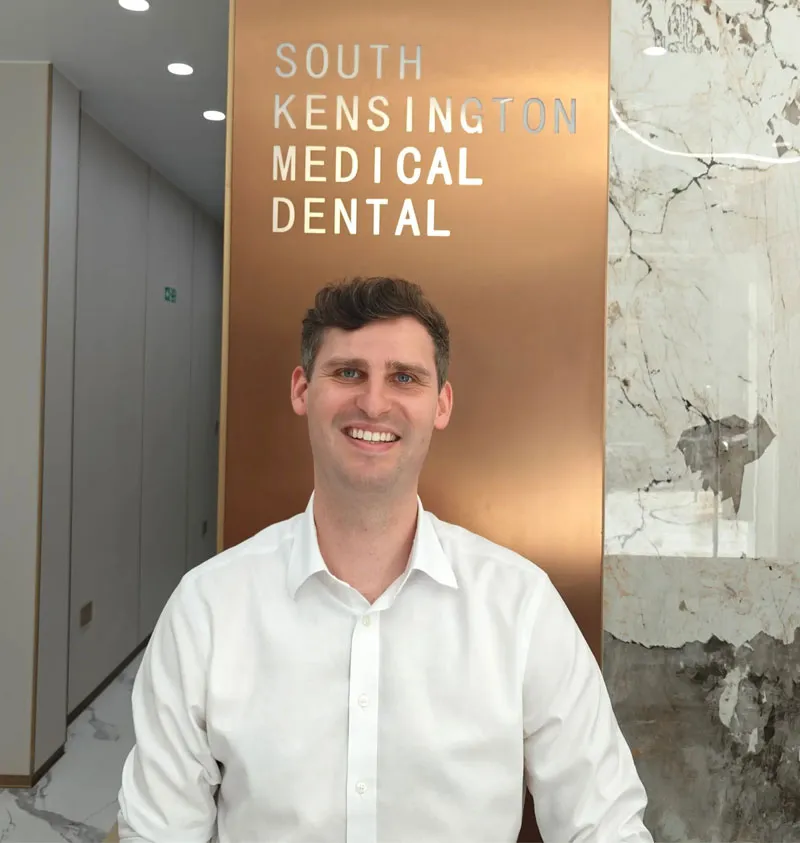
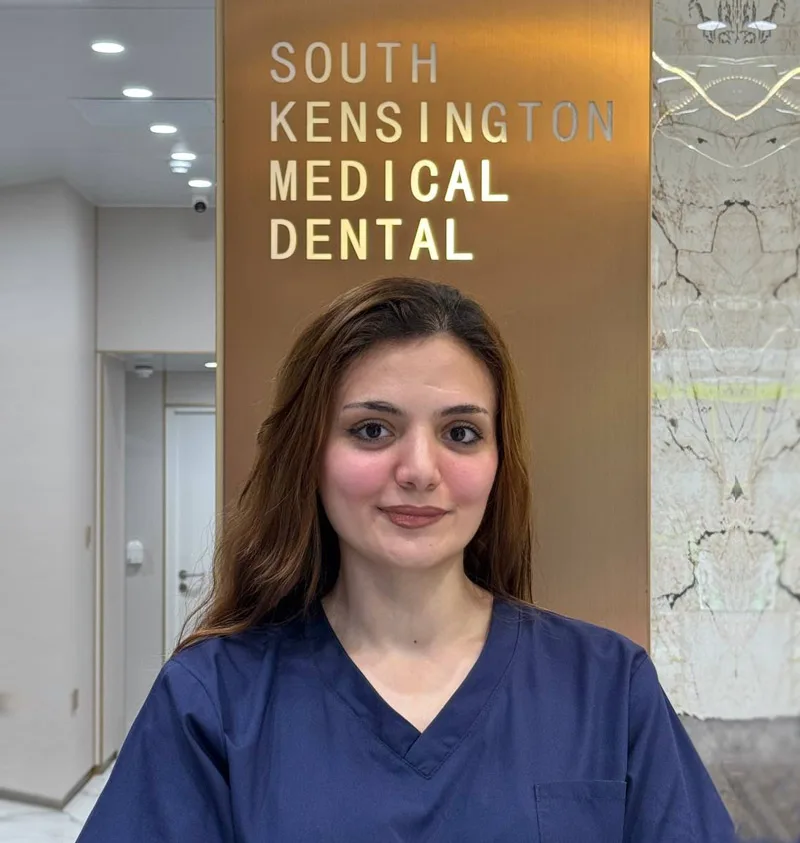
Meet Our Dental Team
Our experienced dental team is fully qualified and registered with the GDC, delivering safe, high-quality care in line with the highest professional standards.
Because our patients deserve nothing less.








Registered. Regulated. Trusted.
At South Kensington Medical & Dental, we are fully registered with the Care Quality Commission (CQC) and our clinicians are registered with the relevant UK regulatory bodies, including the GDC and GMC. Our dentists, dental nurses and medical professionals deliver care that meets the highest clinical, safety and ethical standards, because our patients deserve nothing less.

We Accept All Major Dental & Health Insurances
We work with all major UK insurers including Bupa, AXA Health, Aviva, Cigna, Vitality, WPA, Unum and Boots Dental Plan. We'll provide the receipts and paperwork you need to claim back your treatment costs.










