Tooth Sensitivity (Hot or Cold Pain)
Tooth sensitivity is a common dental concern that causes a short, sharp pain when teeth are exposed to certain triggers — such as cold drinks, hot food, sweet items, or even cold air. While many people experience occasional sensitivity at some point, persistent or worsening symptoms should be assessed by a dentist to identify the underlying cause. Sensitivity can arise from a range of factors, including gum recession, enamel wear, early decay, or a crack in the tooth. At our South Kensington dental practice, our dentists carry out a thorough assessment to determine why sensitivity is occurring and discuss the most appropriate management approach for each patient.
Tooth sensitivity is one of the many dental conditions we treat at our South Kensington practice.
What Is Tooth Sensitivity?
Tooth sensitivity — known clinically as dentine hypersensitivity — occurs when the softer inner layer of the tooth (dentine) becomes exposed. Dentine contains thousands of microscopic channels (tubules) that lead directly to the nerve inside the tooth. When exposed dentine comes into contact with hot, cold, sweet, or acidic substances, these stimuli travel through the tubules and trigger the nerve, resulting in a short, sharp pain.
Sensitivity differs from a constant toothache. A toothache typically produces a lingering or throbbing pain that may persist even after the stimulus is removed, often indicating deeper issues such as infection or significant decay. Sensitivity, by contrast, tends to produce a brief, sharp response that subsides once the trigger is no longer in contact with the tooth. However, both conditions warrant professional evaluation to determine the cause and appropriate management.
Common Causes of Sensitive Teeth
Sensitivity can develop for a number of reasons. Identifying the underlying cause is key to effective management.
Gum Recession
When the gum tissue recedes — whether due to gum disease, aggressive brushing, or natural ageing — the root surface of the tooth becomes exposed. Unlike the crown of the tooth, the root is not protected by enamel and is covered only by a thin layer of cementum. Once this is worn away, the underlying dentine is left exposed to temperature and other stimuli.
Enamel Wear
The protective enamel layer can be gradually worn down through a combination of factors, including consumption of acidic foods and drinks, using a hard-bristled toothbrush, brushing with excessive force, or teeth grinding (bruxism). As the enamel thins, the dentine beneath becomes increasingly vulnerable to external stimuli.
Tooth Decay
When bacteria-produced acids begin to break down the tooth surface, the early stages of decay can cause temperature sensitivity before a noticeable cavity has formed. If left untreated, the decay progresses deeper into the tooth, intensifying the sensitivity and potentially causing more significant pain.
Cracked Tooth
A crack in a tooth — even a very fine one that may not be visible to the naked eye — can allow temperature changes and biting forces to stimulate the nerve inside the tooth. Sensitivity from a cracked tooth often occurs with biting pressure as well as hot and cold exposure.
Recent Dental Treatment
It is not uncommon to experience temporary sensitivity following certain dental procedures such as fillings, crown preparation, or professional cleaning. This type of sensitivity typically settles within a few days to a few weeks as the tooth adapts. If it persists or worsens, a follow-up assessment may be appropriate.
Symptoms of Tooth Sensitivity
- Sharp pain when consuming cold drinks or ice cream
- Discomfort when eating or drinking hot food and beverages
- Sensitivity triggered by sweet or acidic foods
- Pain or discomfort during brushing, particularly at the gum line
- Sensitivity affecting one specific tooth or multiple teeth across the mouth
When Should You See a Dentist?
While mild, occasional sensitivity may not always indicate a serious problem, certain patterns suggest that a professional assessment would be beneficial.
- Sensitivity that persists for more than a few weeks without improvement
- Increasing intensity of pain with hot or cold exposure
- Sensitivity accompanied by gum swelling, redness, or bleeding
- Pain that lingers after the triggering stimulus has been removed
- Localised sensitivity concentrated in one particular tooth
Experiencing Ongoing Tooth Sensitivity?
If hot or cold foods are causing discomfort, our South Kensington dentists can provide a thorough examination to identify the underlying cause.
How We Assess Sensitive Teeth
Our dentists use a structured approach to identify the source and contributing factors of your sensitivity.
Thorough clinical examination of all tooth surfaces and soft tissues
Assessment of gum recession and measurement of gum pocket depths
Detection of any active decay using visual, tactile, and radiographic methods
Bite evaluation to identify any occlusal imbalances or signs of grinding
Digital X-rays where appropriate to assess tooth and bone structures
Review of brushing habits, dietary patterns, and relevant medical history
Treatment Options for Tooth Sensitivity
The most appropriate treatment depends on the underlying cause identified during your assessment.
Desensitising Treatment Plan
Professional desensitising agents can be applied directly to exposed dentine surfaces to help block the transmission of stimuli to the nerve. Fluoride varnishes may also be used to strengthen the enamel and reduce sensitivity. Your dentist may recommend a desensitising toothpaste for home use and will monitor your response over subsequent visits.
Treatment of Underlying Decay
If a cavity is identified as the source of sensitivity, removing the decayed tissue and placing a white filling can restore the tooth and relieve the symptoms. Early treatment helps preserve more natural tooth structure.
Gum Recession Management
Where gum recession has exposed the root surface, your dentist may recommend protective measures such as desensitising agents, bonding to cover exposed areas, or adjustments to your brushing technique and oral hygiene routine. Ongoing monitoring helps track any further changes.
Dental Crown or Restoration
When the tooth structure is significantly compromised — for example, by a large area of decay, a crack, or substantial enamel loss — a dental crown may be recommended to protect the tooth and eliminate the sensitivity by fully covering the exposed surfaces.
Night Guard for Grinding
If teeth grinding (bruxism) is contributing to enamel wear and sensitivity, a custom-made night guard can help protect the teeth from further damage during sleep. Learn more about our teeth grinding treatment options.
Can Tooth Sensitivity Go Away on Its Own?
In some cases, mild sensitivity — particularly following recent dental treatment — may settle on its own over a period of days to weeks. Using a desensitising toothpaste during this time can help support the natural recovery process.
However, persistent or worsening sensitivity often indicates an underlying issue that is unlikely to resolve without professional evaluation. Conditions such as gum recession, active decay, or enamel erosion tend to progress over time if left unaddressed, so early assessment is generally recommended.
If you have experienced sensitivity for more than a few weeks, or if it is affecting your ability to eat and drink comfortably, a dental examination can help identify the cause and determine the most appropriate next steps.
Preventing Tooth Sensitivity
- Use a soft-bristled toothbrush and brush with gentle, circular motions
- Avoid applying excessive force or using a scrubbing action when brushing
- Limit intake of acidic foods and drinks such as citrus fruits, fizzy drinks, and wine
- Maintain regular dental examinations to detect early changes before symptoms develop
Attending routine dental check-ups allows your dentist to monitor for early signs of enamel wear, gum recession, or decay — helping to address potential issues before sensitivity develops.
Frequently Asked Questions
Common questions about tooth sensitivity and its management.
Book a Tooth Sensitivity Assessment in South Kensington
If you are experiencing ongoing sensitivity to hot or cold foods, our experienced dental team can provide careful assessment and discuss appropriate treatment options.
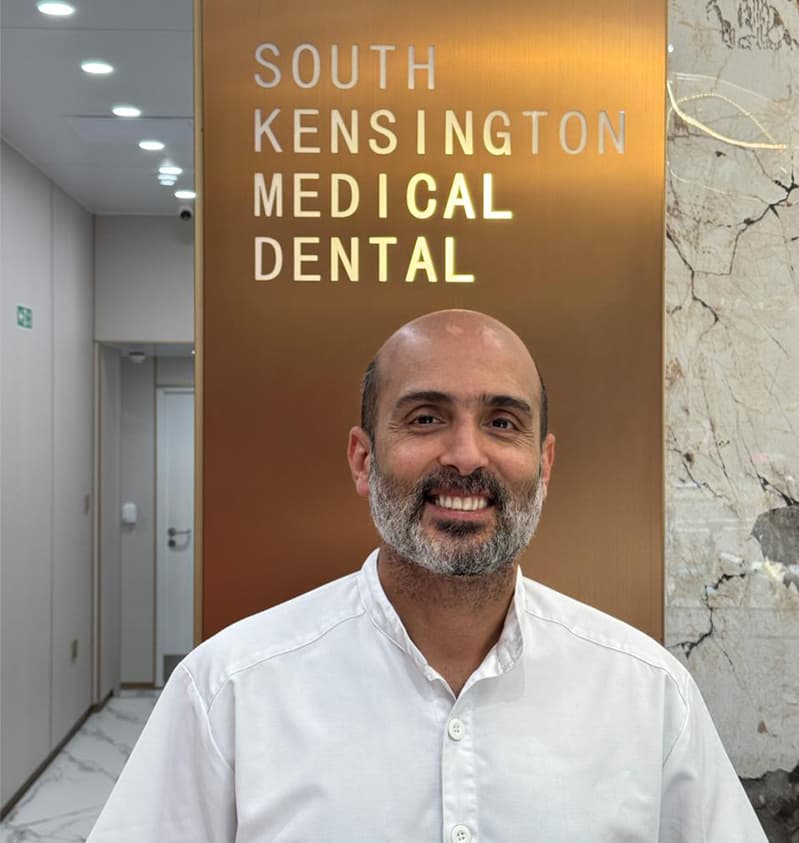
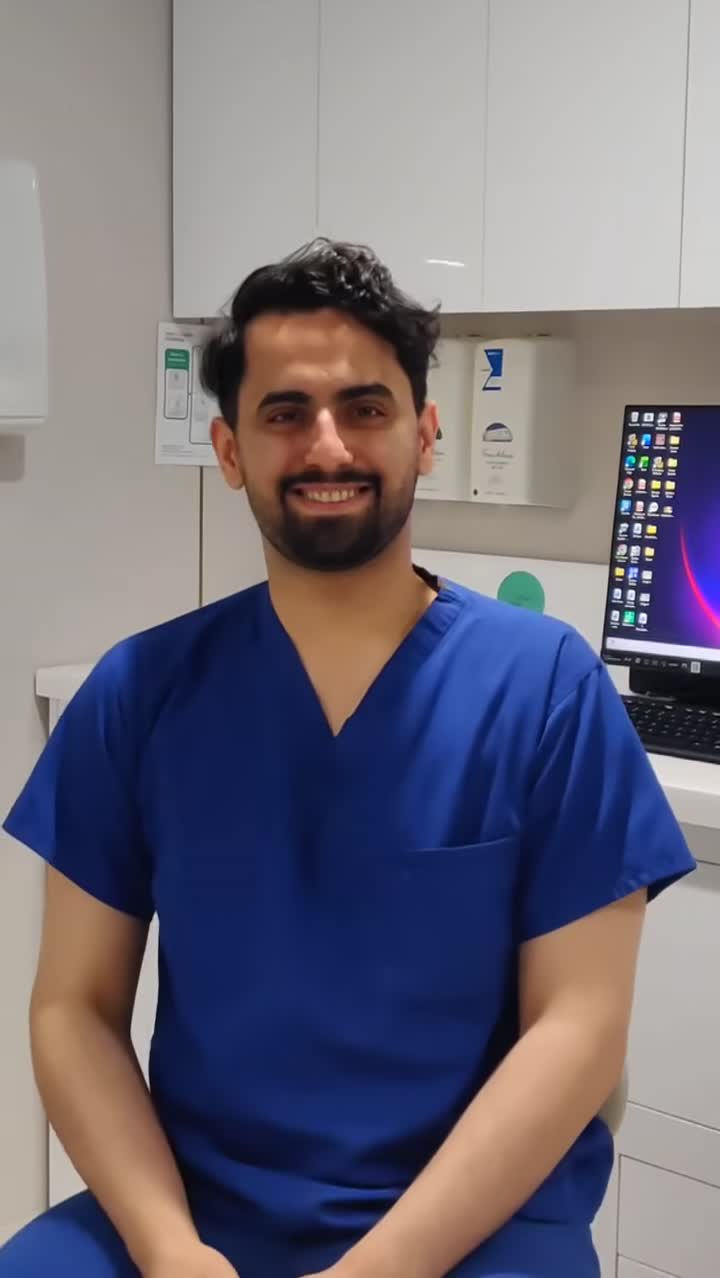
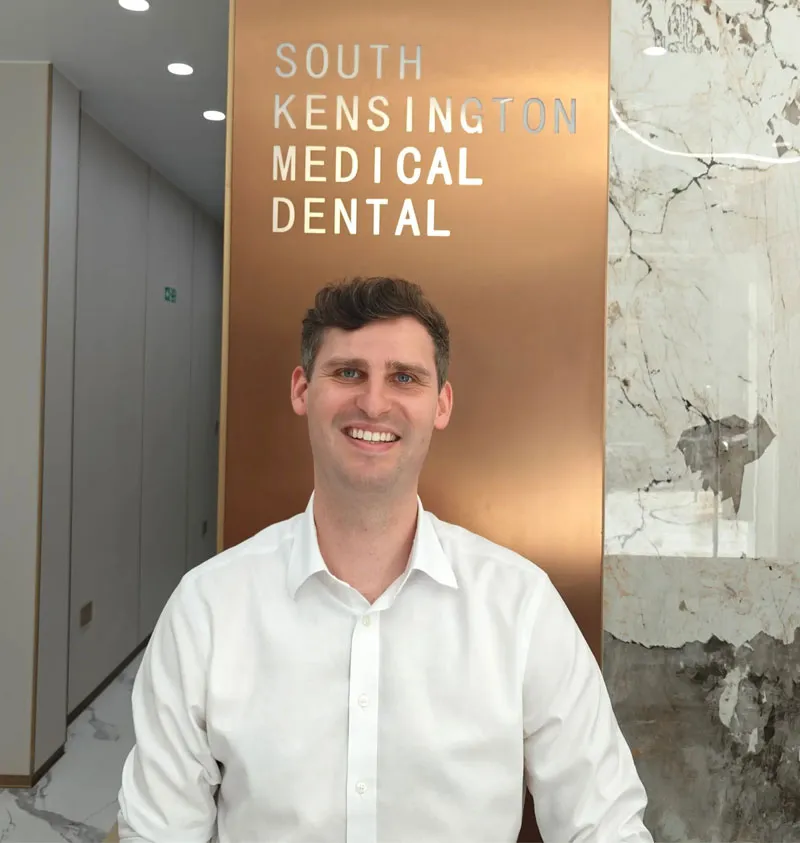
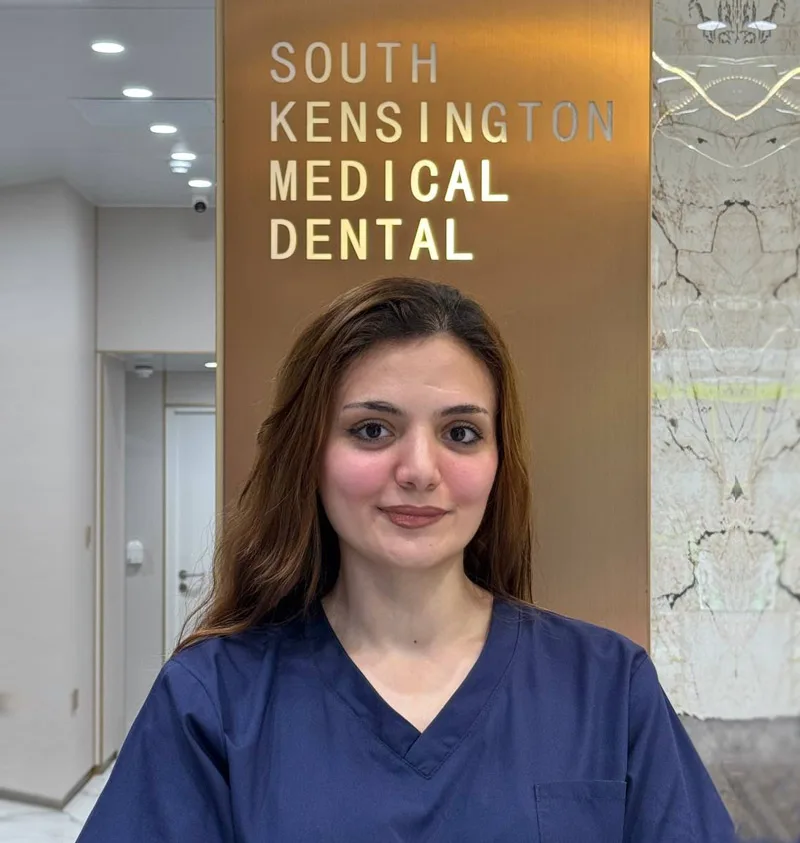
Meet Our Dental Team
Our experienced dental team is fully qualified and registered with the GDC, delivering safe, high-quality care in line with the highest professional standards.
Because our patients deserve nothing less.










Registered. Regulated. Trusted.
At South Kensington Medical & Dental, we are fully registered with the Care Quality Commission (CQC) and our clinicians are registered with the relevant UK regulatory bodies, including the GDC and GMC. Our dentists, dental nurses and medical professionals deliver care that meets the highest clinical, safety and ethical standards, because our patients deserve nothing less.


We Accept All Major Dental & Health Insurances
We work with all major UK insurers including Bupa, AXA Health, Aviva, Cigna, Vitality, WPA, Unum and Boots Dental Plan. We'll provide the receipts and paperwork you need to claim back your treatment costs.










