Concerned about swollen gums? Book a gum health assessment.
Swollen Gums
South Kensington, London
Swollen gums are a common dental concern that can present as red, puffy, or tender gum tissue. While occasional minor gum irritation may resolve on its own, persistent or recurring swelling is often a sign that something requires professional attention — most commonly plaque accumulation along the gumline. Left unmanaged, the inflammation that causes swollen gums can progress, potentially affecting the deeper tissues that support the teeth. At our South Kensington dental practice, our dentists provide thorough gum health assessments to identify the underlying cause of gum swelling and recommend appropriate, personalised care.
Explore the full range of dental conditions we treat or read on to learn about the common causes of gum swelling and how we can help.
Concerned About Swollen Gums?
Let us assess your gum health and discuss appropriate care
- Comprehensive gum health assessment
- Plaque and infection evaluation
- Periodontal pocket measurements
- Personalised oral care plan
- Ongoing maintenance support
What Causes Swollen Gums?
Gum swelling can result from a number of factors. Understanding the underlying cause is the first step towards effective management.
Plaque Build-Up (Gingivitis)
The most common cause of swollen gums is the accumulation of bacterial plaque along the gumline. When plaque is not adequately removed through daily brushing and interdental cleaning, it triggers an inflammatory response in the gum tissue — resulting in redness, puffiness, and tenderness. This early stage of gum disease is known as gingivitis and is typically reversible with professional hygiene therapy and improved home care.
Gum Infection or Abscess
Localised swelling that is concentrated around a particular area of the gum may indicate an infection — such as a periodontal abscess or an infection originating from within a tooth. This type of swelling may be accompanied by pain, a bad taste, or discharge. Professional assessment is important to determine whether drainage, cleaning, or further treatment is needed.
Food Trapping Around Teeth or Restorations
When food debris becomes consistently trapped between teeth or around dental restorations — such as crowns, bridges, or fillings — it can irritate the surrounding gum tissue, leading to localised swelling and discomfort. Adjusting the restoration or improving cleaning access in the affected area may help resolve the irritation.
Hormonal Changes
Hormonal fluctuations — particularly during pregnancy, puberty, or menstruation — can increase blood flow to the gums and heighten their sensitivity to plaque. This can make the gums more prone to swelling and bleeding, even with an otherwise adequate oral hygiene routine. Professional guidance on managing gum health during these periods can be helpful.
Irritation from Dental Appliances
Orthodontic braces, dentures, or poorly fitting dental restorations can physically irritate the gum tissue, causing localised inflammation and swelling. If your gums are consistently sore or swollen around an appliance or restoration, a review appointment can help identify whether an adjustment is needed.
Symptoms That May Accompany Gum Swelling
Swollen gums may present alongside one or more of the following signs. The combination of symptoms can help your dentist determine the most likely cause:
These symptoms may vary in severity. A professional gum assessment is the most reliable way to determine the cause and guide appropriate management.
When Should You See a Dentist?
While mild, short-lived gum irritation may settle on its own, the following situations suggest that professional assessment would be advisable:
Swelling lasting more than a few days
Gum swelling that does not settle within a few days may indicate an underlying issue — such as plaque build-up or early gum disease — that benefits from professional assessment.
Increasing discomfort or tenderness
Worsening symptoms can suggest that the inflammation is progressing rather than resolving. Early intervention may help prevent further tissue involvement.
Localised swelling near a specific tooth
Swelling concentrated around one tooth may be associated with a localised infection, food trapping, or a problem with a restoration. A targeted clinical assessment can help determine the cause.
Associated bad taste in the mouth
A persistent unpleasant or metallic taste alongside swollen gums may indicate the presence of infection or drainage that requires professional evaluation.
Swelling accompanied by fever or general unwellness
If gum swelling is accompanied by raised temperature or systemic symptoms, prompt dental assessment is advisable to rule out a spreading infection.
Noticed Swollen or Tender Gums?
If you are experiencing gum swelling or discomfort, our South Kensington dentists can provide a detailed examination and discuss appropriate hygiene or infection management options.
How We Assess Swollen Gums
When you attend our practice with concerns about inflamed or swollen gums, our dentists carry out a structured clinical evaluation:
Clinical gum examination to assess tissue colour, shape, and swelling
Plaque and tartar assessment along the gumline and between teeth
Periodontal pocket measurement to evaluate gum attachment (if indicated)
Evaluation for localised infection, abscess, or food trapping
Digital X-rays to assess bone levels and underlying structures (if required)
Review of current oral hygiene routine and home-care habits
The cause and severity of gum swelling can only be confirmed through comprehensive clinical examination. Treatment recommendations are discussed once the full assessment is complete.
Treatment Options Based on Cause
Management of swollen gums is tailored to the underlying cause identified during your assessment.
Professional Hygiene Therapy
Where plaque and tartar accumulation are identified as the primary cause of gum swelling, a dental hygienist appointment is typically the first step. Professional cleaning removes bacterial deposits that cannot be effectively managed at home, helping to reduce inflammation and support healing of the gum tissue. Your hygienist will also provide tailored advice on brushing technique, interdental cleaning, and appropriate products to help maintain gum health between visits.
Management of Localised Infection
If assessment reveals a localised gum infection or abscess, your dentist will provide appropriate clinical management. This may include careful cleaning of the affected area, drainage if required, and monitoring. Antibiotics are prescribed only when clinically indicated and are not a routine part of managing gum swelling. The underlying cause of the infection — such as a deep pocket, trapped debris, or a compromised tooth — will also be addressed as part of the treatment plan.
Adjustment of Dental Restorations
In some cases, gum swelling may be related to a poorly fitting or overhanging restoration — such as a dental crown, filling, or bridge margin — that traps plaque or food debris against the gum. Adjusting, smoothing, or replacing the restoration can help resolve the irritation and allow the gum tissue to heal. Your dentist will assess whether any restorative work is contributing to the problem.
Can Swollen Gums Improve on Their Own?
In some cases, mild gum irritation may settle without professional intervention — for example, if it is caused by a temporary irritant such as a piece of trapped food that is then removed. Improving brushing and interdental cleaning may also help reduce minor inflammation.
However, persistent or recurring gum swelling is more often linked to ongoing plaque accumulation, early gum disease, or another underlying dental cause. In these situations, the swelling is unlikely to fully resolve without professional assessment and treatment. Established plaque hardens into tartar over time, which cannot be removed by brushing alone and requires professional cleaning.
If your gums have been swollen for more than a few days, or if swelling keeps returning, arranging a dental assessment is a sensible step. Early management typically leads to better outcomes and can help prevent the condition from progressing.
Preventing Gum Swelling
Many causes of gum swelling are linked to plaque accumulation and can be significantly reduced with consistent daily care and professional support:
Brush twice daily with a soft-bristled toothbrush
Thorough brushing along the gumline helps remove bacterial plaque before it can trigger inflammation. Use gentle, circular motions to avoid traumatising the gum tissue.
Clean between your teeth daily
Interdental brushes or floss remove plaque and food debris from areas that a toothbrush cannot reach — particularly between the teeth and just below the gumline.
Attend regular hygiene visits
Professional cleaning at recommended intervals helps manage plaque and tartar in hard-to-reach areas, supporting long-term gum health.
Avoid tobacco use
Smoking and tobacco use impair blood flow to the gums, reduce healing capacity, and increase the risk of gum disease and associated swelling.
Keep up with routine dental check-ups
Regular examinations allow your dentist to detect early signs of gum inflammation, monitor changes, and adjust your care plan as needed.
Book routine dental check-ups at our South Kensington practice to support your long-term gum health.
Frequently Asked Questions
About swollen gums and gum inflammation
Book a Swollen Gums Assessment in South Kensington
If you are concerned about inflamed or tender gums, our experienced dental team can provide careful evaluation and discuss appropriate hygiene or infection management options.
Open Monday–Sunday • 2 mins from South Kensington tube
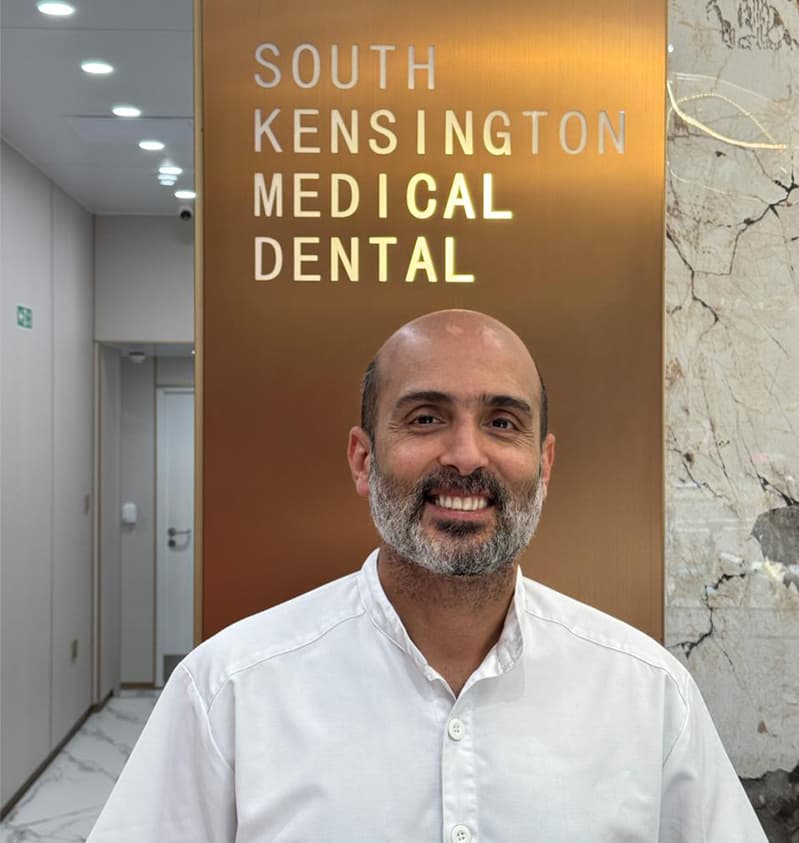
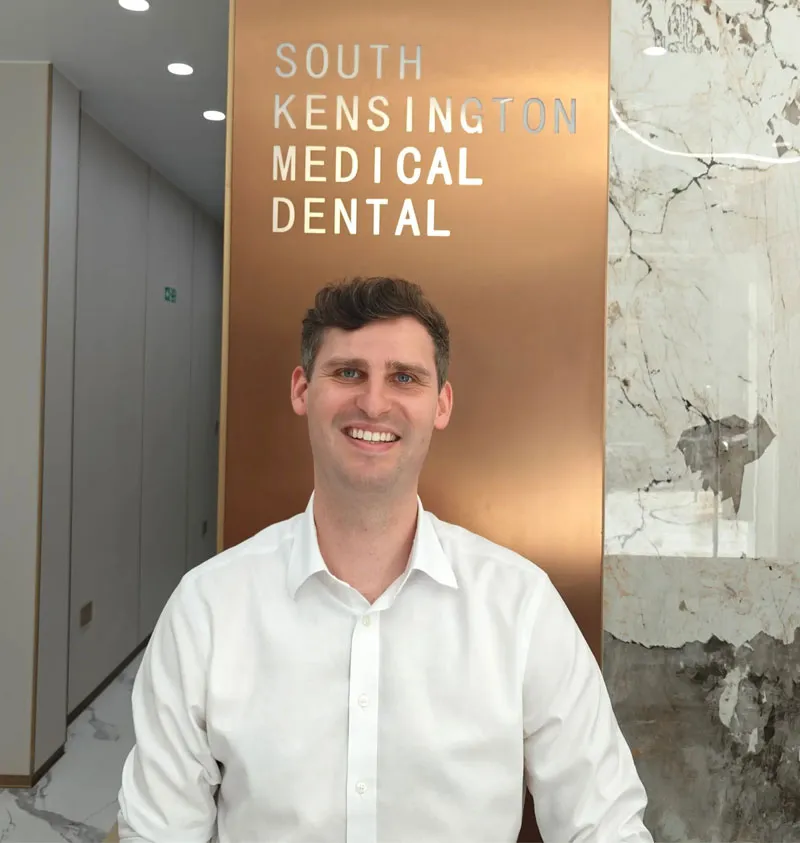
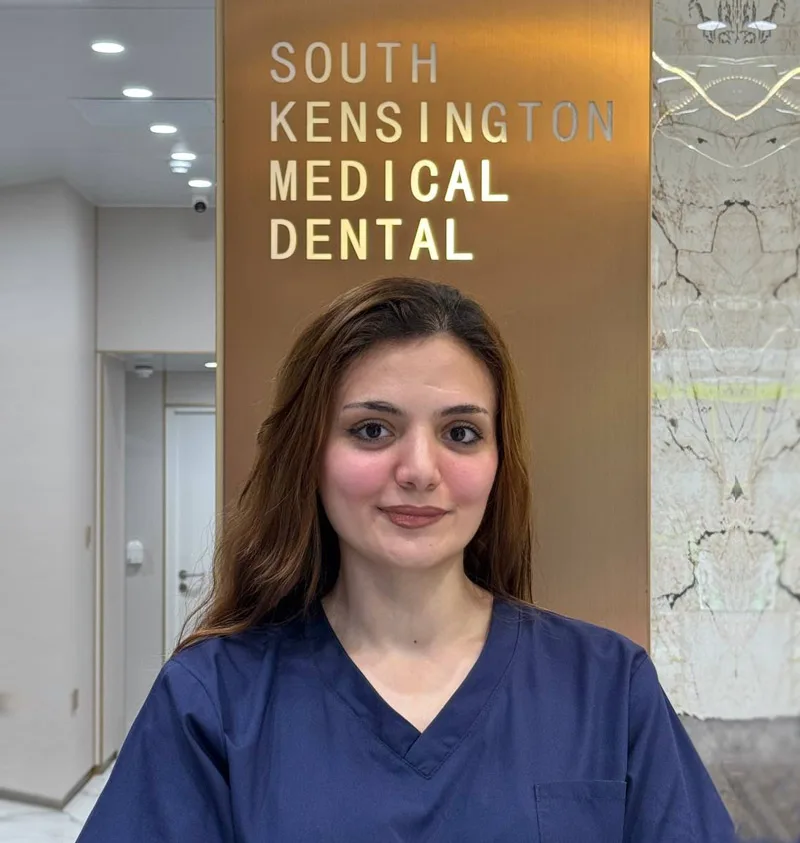
Meet Our Dental Team
Our experienced dental team is fully qualified and registered with the GDC, delivering safe, high-quality care in line with the highest professional standards.
Because our patients deserve nothing less.











Registered. Regulated. Trusted.
At South Kensington Medical & Dental, we are fully registered with the Care Quality Commission (CQC) and our clinicians are registered with the relevant UK regulatory bodies, including the GDC and GMC. Our dentists, dental nurses and medical professionals deliver care that meets the highest clinical, safety and ethical standards, because our patients deserve nothing less.


We Accept All Major Dental & Health Insurances
We work with all major UK insurers including Bupa, AXA Health, Aviva, Cigna, Vitality, WPA, Unum and Boots Dental Plan. We'll provide the receipts and paperwork you need to claim back your treatment costs.










