Concerned about gum recession? Book a periodontal assessment.
Receding Gums (Gum Recession)
South Kensington, London
Receding gums — also known as gum recession — is the gradual movement of the gum tissue away from the tooth surface, exposing the root beneath. This can lead to increased tooth sensitivity, cosmetic concerns, and, if left unmanaged, potential vulnerability of the affected teeth. Gum recession may develop slowly over many years and is not always immediately noticeable. Because exposed root surfaces are softer than enamel and more susceptible to wear and decay, early identification and appropriate management are important. At our South Kensington dental practice, our dentists provide comprehensive periodontal assessments to evaluate the extent of recession, identify contributing factors, and discuss suitable management options.
Explore the full range of dental conditions we treat or read on to understand what gum recession is, why it happens, and how it can be managed.
Concerned About Receding Gums?
Let us assess your gum health and discuss suitable options
- Comprehensive gum recession assessment
- Recession level measurements
- Sensitivity evaluation
- Personalised management plan
- Long-term maintenance support
What Is Gum Recession?
Gum recession occurs when the margin of the gum tissue gradually moves away from the crown of the tooth, exposing part of the root surface beneath. The roots of teeth are not covered by the hard enamel that protects the visible crown — instead, they are covered by a thinner, softer layer called cementum. Once exposed, root surfaces are more vulnerable to sensitivity, wear, and decay.
It is important to understand that gum recession and gum disease, while related, are not the same thing. Gum disease (periodontitis) is a bacterial infection that damages the tissues and bone supporting the teeth, and it is one common cause of recession. However, recession can also occur in the absence of gum disease — for example, as a result of aggressive brushing, grinding, or anatomical factors such as thin gum tissue.
Gum recession is progressive in nature. Without identifying and addressing the underlying cause, the tissue is likely to continue receding over time. This makes early assessment and intervention particularly valuable for long-term gum health.
Common Causes of Receding Gums
Gum recession can result from a combination of factors. Understanding the underlying cause is essential for effective management and prevention.
Gum Disease (Periodontitis)
Chronic gum disease is one of the most common causes of gum recession. As the bacterial infection damages the gum tissue and underlying bone, the gums can gradually pull away from the teeth. Managing gum disease through professional periodontal care is essential for preventing further tissue loss.
Aggressive Brushing
Brushing too hard or using a hard-bristled toothbrush can physically wear away the gum tissue over time. This type of recession tends to affect one side of the mouth more than the other and is often accompanied by notching of the tooth surface near the gumline.
Teeth Grinding (Bruxism)
Habitual grinding or clenching places excessive force on the teeth and surrounding structures. Over time, this sustained pressure can contribute to gum recession, particularly in areas where the bone support is thinner.
Bite Imbalance
When the teeth do not meet evenly — due to misalignment or an unbalanced bite — certain teeth may bear disproportionate force during chewing. This uneven loading can contribute to localised gum recession around the overloaded teeth.
Genetic Factors
Research suggests that some individuals are genetically predisposed to thinner gum tissue, which may make them more susceptible to recession even with good oral hygiene. A family history of gum recession does not make the condition inevitable but may indicate a need for closer monitoring.
Signs and Symptoms of Gum Recession
Gum recession often develops gradually and may not be immediately obvious. The following signs may indicate that your gums have started to recede:
These symptoms may vary in severity. A comprehensive dental examination is the most reliable way to assess whether gum recession is present and determine its extent.
Why Assessment Is Important
A thorough assessment provides the clinical information needed to understand your gum recession and plan appropriate care:
Identify the underlying cause
Gum recession can result from multiple factors — gum disease, brushing habits, bite issues, or grinding. Identifying the specific cause is essential for selecting the appropriate management approach.
Prevent further recession
Without addressing the underlying cause, recession is likely to progress. An assessment allows your dentist to recommend interventions that may slow or halt further tissue loss.
Assess gum health and bone levels
Measuring pocket depths and evaluating bone support around affected teeth helps determine the severity of recession and whether periodontal disease is a contributing factor.
Develop a personalised management plan
No two cases of gum recession are identical. A thorough assessment allows your dental team to create a plan tailored to your specific pattern of recession, risk factors, and clinical needs.
Concerned About Exposed Tooth Roots?
If you have noticed gum recession or increased sensitivity, our South Kensington dentists can provide a comprehensive periodontal assessment and discuss suitable management options.
How We Assess Gum Recession
When you attend our practice with concerns about receding gums, our dentists carry out a structured clinical evaluation:
Clinical gum examination to evaluate tissue health and recession pattern
Measurement of recession levels at each affected tooth
Periodontal pocket assessment to check for underlying gum disease
Digital X-rays to evaluate bone support (if clinically indicated)
Bite analysis to identify any occlusal factors contributing to recession
Sensitivity evaluation to assess the degree of root surface exposure
The extent and cause of gum recession can only be confirmed through comprehensive clinical examination. Management recommendations are discussed once the full assessment is complete.
Managing Receding Gums
Management of gum recession is tailored to the underlying cause, the severity of recession, and the symptoms you are experiencing.
Sensitivity Management
Exposed root surfaces often cause heightened sensitivity to temperature changes and certain foods. Your dentist may recommend desensitising toothpaste for daily use, professional fluoride applications to strengthen the exposed root surface, and behavioural adjustments — such as modifying brushing technique — to protect vulnerable areas. These measures can help reduce discomfort, though complete elimination of sensitivity cannot be guaranteed as outcomes vary between individuals.
Hygiene & Periodontal Care
Where gum disease is a contributing factor, periodontal hygiene therapy plays a central role in managing gum recession. Professional cleaning helps control bacterial plaque and inflammation, reducing the risk of further tissue loss. Your dental team will also provide tailored home-care advice — including guidance on brushing technique, interdental cleaning, and appropriate products — to support your gum health between appointments.
Restorative Options (If Needed)
In cases where recession has caused notching or wear of the root surface, restorative treatment such as white fillings may be recommended to cover and protect the exposed area. This can improve comfort, reduce sensitivity, and help prevent further wear of the vulnerable root surface. Your dentist will discuss whether restorative treatment is appropriate for your specific situation.
Monitoring & Long-Term Maintenance
Gum recession requires ongoing monitoring. Regular review appointments allow your dental team to track any changes in recession levels, assess the effectiveness of management strategies, and intervene early if progression is detected. Consistent long-term maintenance — including professional hygiene appointments at appropriate intervals — is the most effective way to support gum stability over time.
Can Receding Gums Grow Back?
Once gum tissue has receded, it does not naturally regenerate to its original position. This is an important point to understand when considering treatment expectations.
However, early identification and appropriate management can typically stabilise the condition, preventing further recession and protecting the exposed root surfaces. In specific cases — depending on the type and extent of recession — surgical procedures such as gum grafting may be considered to improve coverage of exposed roots. These options are assessed on an individual basis, and outcomes can vary.
The most effective approach remains prevention — addressing contributing factors early, maintaining consistent oral hygiene, and attending regular periodontal reviews. Patients who seek assessment before extensive recession has occurred generally have more management options available to them.
Preventing Further Gum Recession
While gum recession cannot always be prevented, its progression can be significantly slowed or halted with consistent care:
Use a gentle brushing technique
Brush with light pressure using small, circular motions. Avoid scrubbing back and forth, which can wear away gum tissue over time.
Choose a soft-bristled toothbrush
A soft-bristled or extra-soft toothbrush reduces the risk of mechanical damage to the gums and exposed root surfaces.
Attend regular hygiene visits
Professional cleaning at appropriate intervals helps manage plaque in hard-to-reach areas and supports long-term gum health.
Address teeth grinding
If you grind or clench your teeth, discuss this with your dentist. A custom-made night guard may be recommended to reduce the forces on your teeth and gums.
Keep up with routine dental check-ups
Regular examinations allow your dentist to monitor your gums, detect early changes, and adjust your care plan as needed.
Book routine dental check-ups at our South Kensington practice to support your long-term gum health.
Frequently Asked Questions
About receding gums and gum recession
Book a Gum Recession Assessment in South Kensington
If you are concerned about receding gums or exposed tooth roots, our experienced dental team can provide careful evaluation and discuss appropriate management options.
Open Monday–Sunday • 2 mins from South Kensington tube
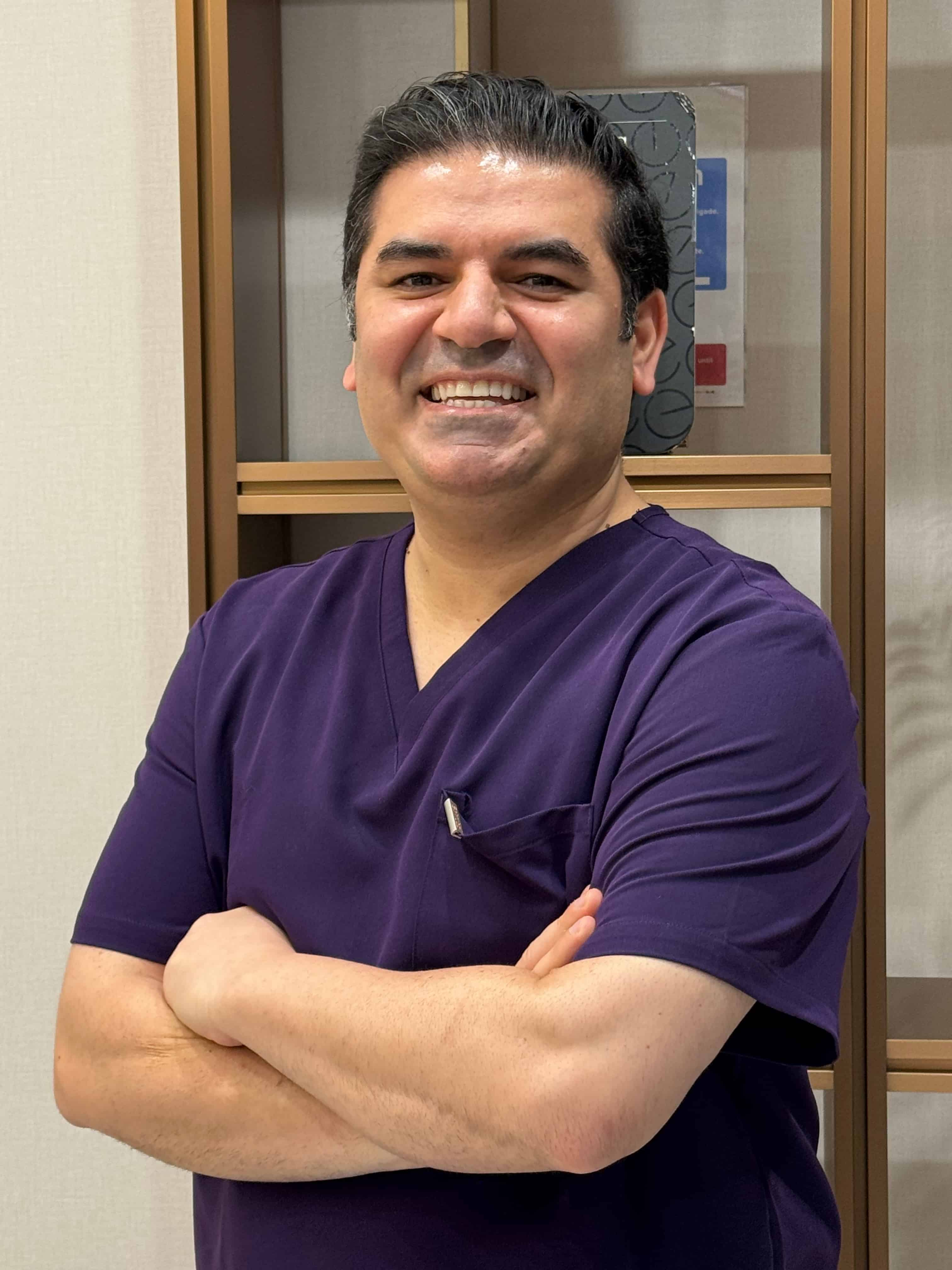
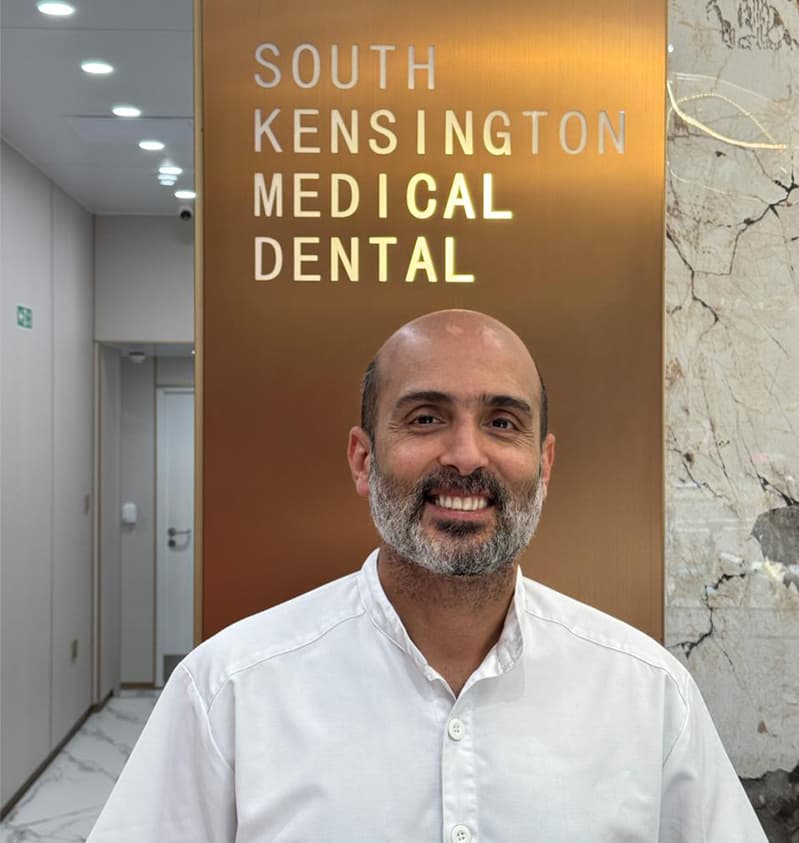
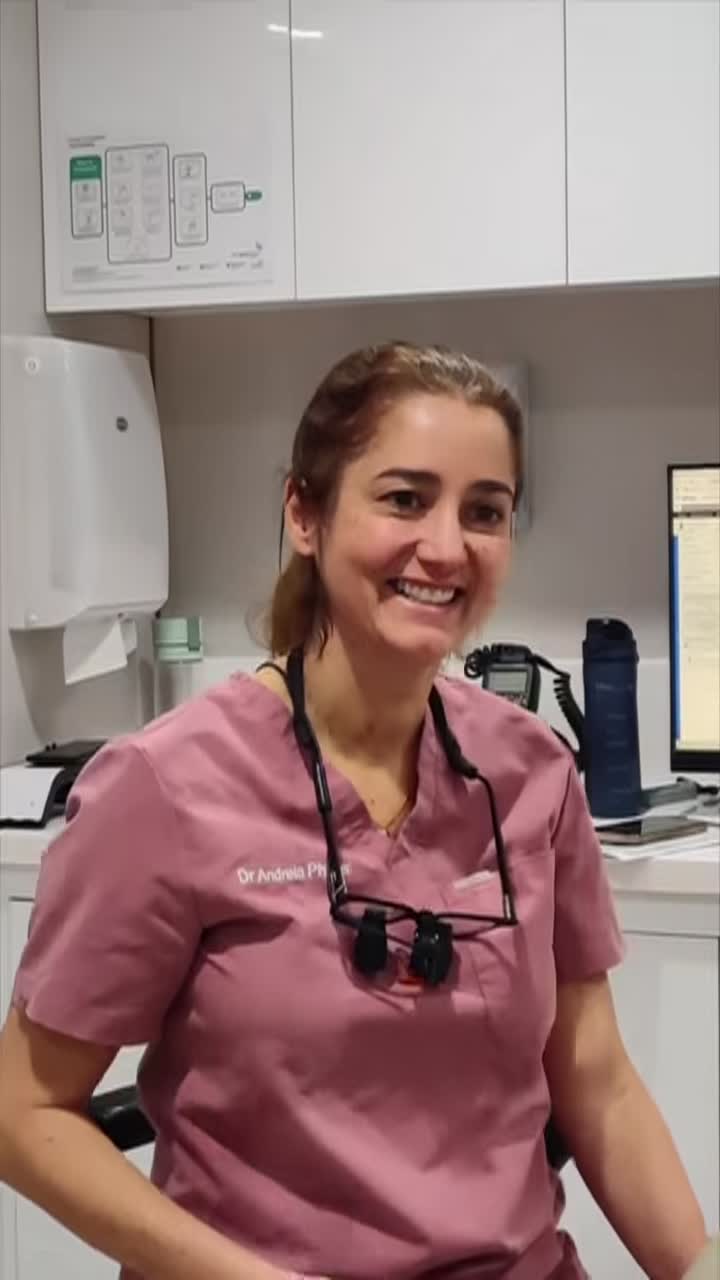
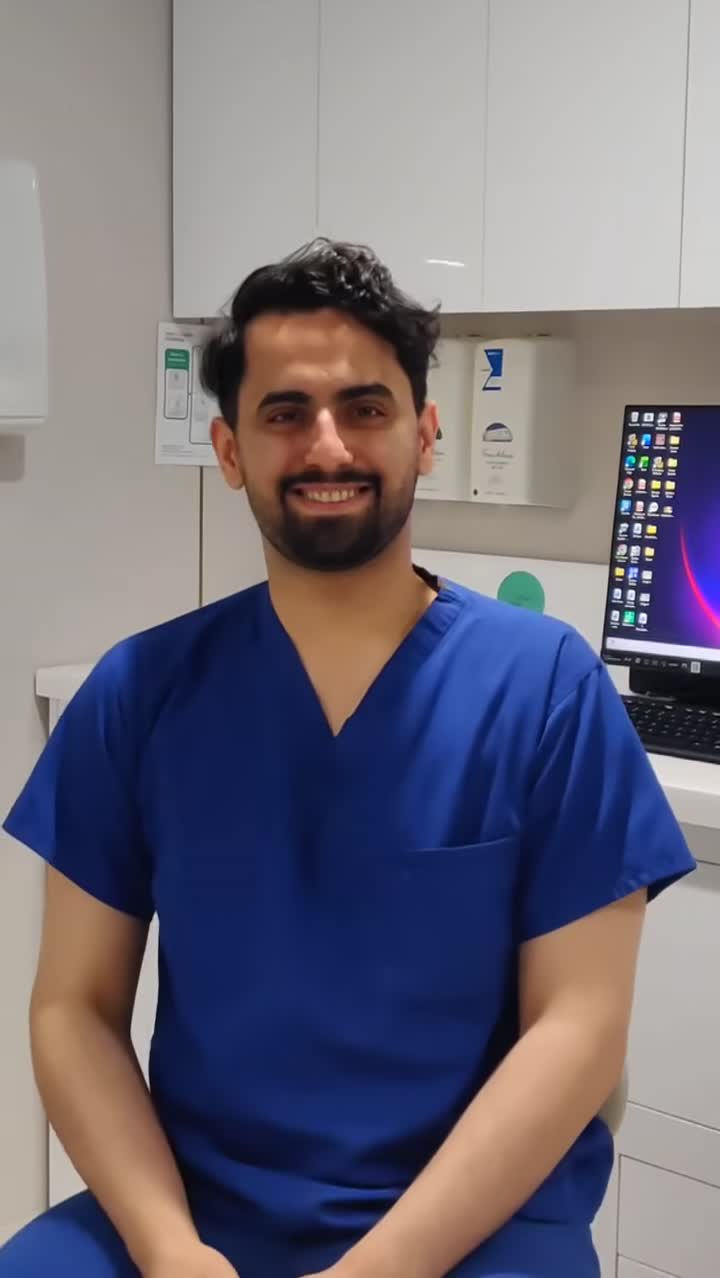
Meet Our Dental Team
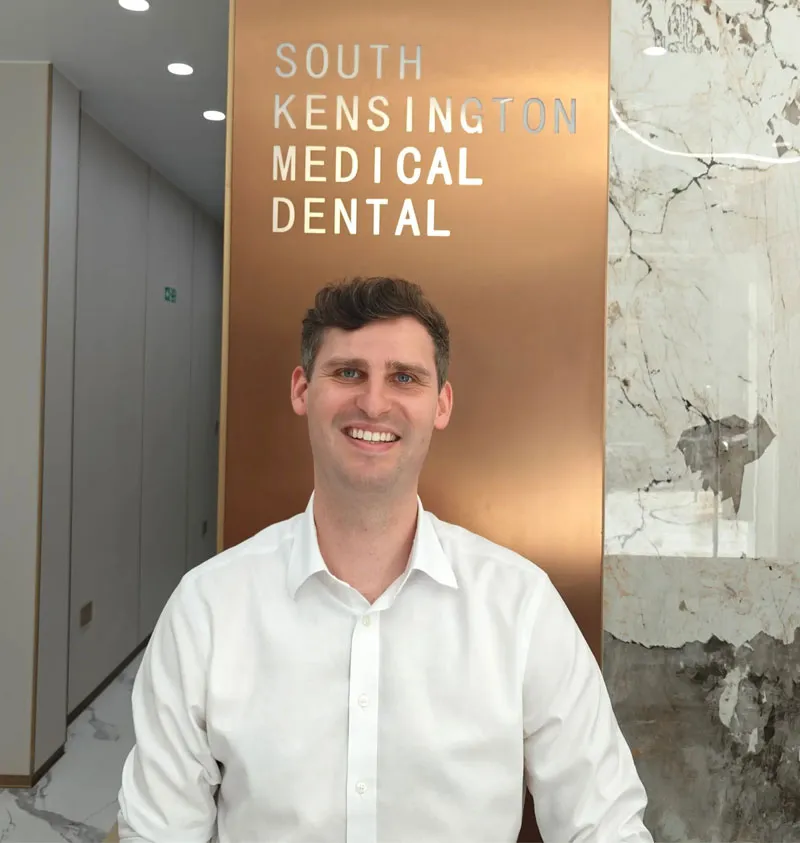
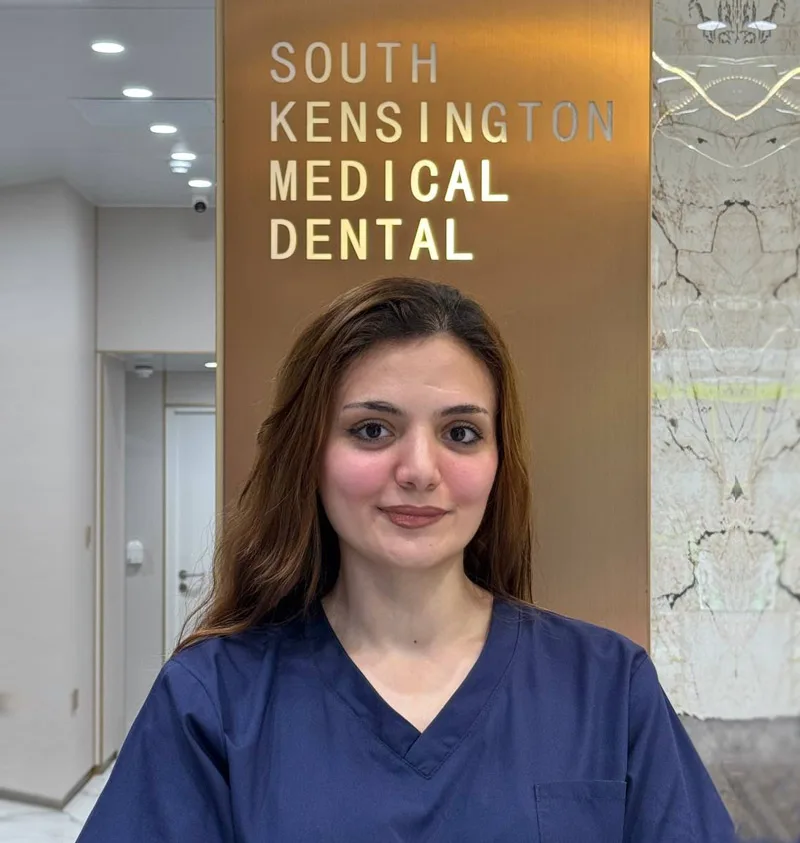
Our experienced dental team is fully qualified and registered with the GDC, delivering safe, high-quality care in line with the highest professional standards.
Because our patients deserve nothing less.








Registered. Regulated. Trusted.
At South Kensington Medical & Dental, we are fully registered with the Care Quality Commission (CQC) and our clinicians are registered with the relevant UK regulatory bodies, including the GDC and GMC. Our dentists, dental nurses and medical professionals deliver care that meets the highest clinical, safety and ethical standards, because our patients deserve nothing less.

We Accept All Major Dental & Health Insurances
We work with all major UK insurers including Bupa, AXA Health, Aviva, Cigna, Vitality, WPA, Unum and Boots Dental Plan. We'll provide the receipts and paperwork you need to claim back your treatment costs.










