Persistent bad breath despite brushing? Book a gum health check.
Persistent Bad Breath from Gums
South Kensington, London
While occasional bad breath is common and often linked to food, drink, or short-term factors, persistent bad breath from gums may indicate an underlying issue within the gum tissues — such as chronic inflammation or early periodontal disease. When bacteria accumulate along and beneath the gum line, they can produce volatile sulphur compounds that contribute to a noticeable, lingering odour. At our South Kensington dental practice, we provide structured periodontal evaluations to help identify whether gum-related factors are contributing and to discuss appropriate management options.
Learn more about the dental conditions we assess and manage or read on to understand why gums may contribute to halitosis and when a periodontal evaluation may be helpful.
Gum Health Assessment
Identify gum-related causes of persistent bad breath
- Gum pocket depth measurement
- Plaque & calculus assessment
- Soft tissue examination
- Personalised hygiene planning
- Ongoing monitoring support
Why Can Gums Cause Persistent Bad Breath?
Temporary bad breath is extremely common and usually linked to food, drink, or short-term changes in oral hygiene. However, when bad breath from gums persists despite regular brushing, it may point to an underlying issue within the gum tissues themselves.
Bacterial plaque continuously accumulates along the gum line. If not removed effectively through daily cleaning, these bacteria begin to break down food particles and cellular debris, producing volatile sulphur compounds — the primary chemical source of halitosis. As chronic bad breath from gums develops, it often indicates that inflammation has progressed beyond the surface and that bacteria may be colonising the spaces between the gums and teeth known as periodontal pockets.
These pockets create a sheltered environment where bacteria thrive and are difficult to reach with a toothbrush or floss alone. The deeper the pockets, the greater the bacterial load, and the more likely it is that a persistent, unpleasant odour will develop. This is why professional assessment is important — it allows the depth and extent of any gum involvement to be measured and appropriate management to be discussed.
It is worth noting that bad breath can also originate from non-dental sources, including the tongue, sinuses, or systemic conditions. A dental assessment helps determine whether the gums are the primary contributing factor.
Common Gum-Related Causes of Bad Breath
The two main stages of gum disease — gingivitis and periodontitis — can each contribute to halitosis in different ways.
Gingivitis
Early-stage gum disease bad breath may improve significantly with professional cleaning and improved daily hygiene. Gingivitis is the earliest form of gum inflammation and, when identified, is often manageable with appropriate care.
Periodontitis
Periodontal disease bad breath often requires structured hygiene therapy and ongoing monitoring. The deeper pockets associated with periodontitis can be difficult to clean effectively at home, making professional intervention an important part of management.
Signs That Bad Breath May Be Coming from the Gums
The following signs may suggest that gum inflammation or infection is contributing to persistent halitosis. However, symptoms alone cannot confirm a diagnosis — professional assessment is needed to evaluate the gum tissues and identify the source.
Bleeding gums — during brushing, flossing, or spontaneously
Swollen, tender, or red gum tissue
Receding gums or teeth appearing longer than before
Loose teeth in more advanced cases
A noticeable smell when flossing between certain teeth
Persistent Bad Breath Despite Brushing?
If you are experiencing persistent bad breath from your gums despite good daily brushing, a periodontal evaluation can help identify whether gum inflammation or infection may be contributing. Book a hygiene and gum health assessment at our South Kensington clinic to discuss personalised care options.
How Dentists Assess Gum-Related Halitosis
When you attend our practice with concerns about bad breath from gums, our team carries out a structured clinical evaluation. Treatment recommendations are always based on examination findings rather than symptoms alone.
Review of medical and dental history, including relevant medications
Gum pocket measurement to assess the depth of spaces around the teeth
Assessment of plaque and calculus (tarite) accumulation
Examination of the tongue, soft tissues, and other oral surfaces
Radiographs where clinically indicated to evaluate bone support
Treatment Options for Gum-Related Bad Breath
The most appropriate approach depends on the findings of the clinical assessment. Options may include:
Professional Scale and Polish
A professional scale and polish removes plaque and calculus (tartar) from tooth surfaces and along the gum line. This helps reduce the bacterial load that contributes to odour and creates a cleaner foundation for effective daily brushing. For patients with surface-level build-up, this may be sufficient to help improve symptoms.
Periodontal Therapy
Where deeper gum pockets are present, more thorough subgingival cleaning — sometimes referred to as deep cleaning or root surface debridement — may be recommended. This targets bacterial deposits beneath the gum line that cannot be reached during a standard clean. Managing periodontal disease is an important step in addressing persistent halitosis from gum infection.
Oral Hygiene Instruction
Tailored guidance on brushing technique, interdental cleaning, and tongue cleaning can help patients maintain the improvements achieved through professional treatment. Our dental hygienist team provides personalised instruction based on individual needs and dental anatomy.
Maintenance Hygiene Appointments
Ongoing maintenance visits at regular intervals help monitor gum health, manage plaque re-accumulation, and support long-term stability. The frequency of these visits is determined by clinical findings and tailored to individual risk factors.
Can Mouthwash Alone Solve Gum-Related Bad Breath?
While antibacterial mouthwash can temporarily reduce the number of odour-producing bacteria in the mouth and provide short-term freshness, it does not address the underlying cause of gum-related halitosis.
Mouthwash cannot remove hardened calculus deposits, clean within deep gum pockets, or resolve chronic gum inflammation. These factors require professional intervention. Relying on mouthwash alone may mask the odour temporarily while the underlying condition continues.
Mouthwash can be a useful complement to a thorough oral hygiene routine and professional care, but it is not a substitute for addressing the root cause of persistent bad breath from gums.
Other Causes of Persistent Bad Breath
While gum disease is a common contributor, persistent halitosis can also be linked to other factors. A dental assessment helps determine whether the source is gum-related or whether other causes may be involved:
Preventing Bad Breath Linked to Gum Disease
Maintaining consistent oral hygiene and attending routine general dentistry appointments are among the most effective ways to support gum health and reduce the risk of gum-related halitosis:
When Should You Arrange a Periodontal Evaluation?
Consider booking a dental check if you recognise any of the following:
Bad breath persists for several weeks despite good oral hygiene
Gums bleed regularly when brushing or flossing
There is gum tenderness, swelling, or redness
You notice gum recession or changes in tooth position
Early assessment allows potential gum issues to be identified at a stage where they are typically more straightforward to manage.
Frequently Asked Questions
About persistent bad breath and gum health
Book a Periodontal Assessment in South Kensington
Persistent bad breath from gums may indicate underlying gum inflammation that benefits from professional assessment.
Our dental team in South Kensington provides structured periodontal evaluations and personalised hygiene planning to support long-term gum health. Book your appointment to have your gum health assessed and discuss appropriate next steps.
Open Monday–Sunday • 2 mins from South Kensington tube
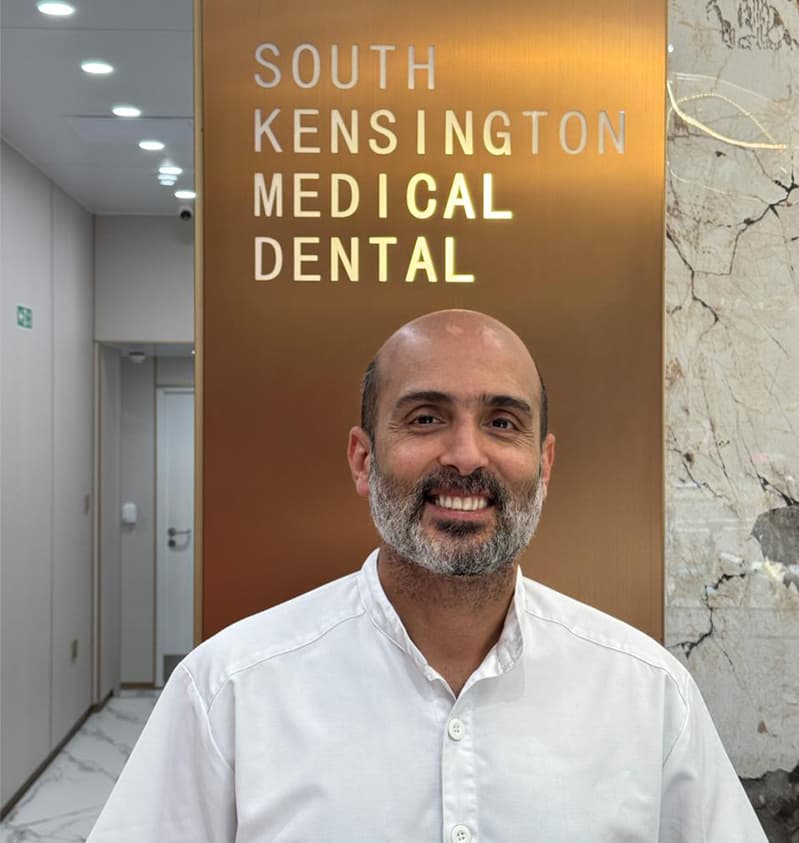
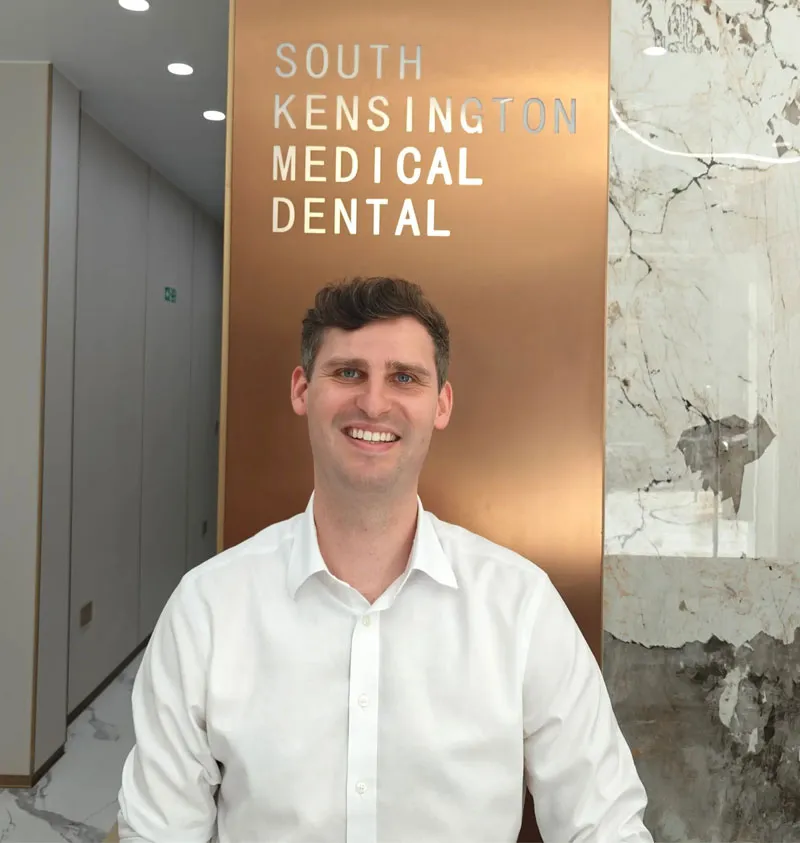
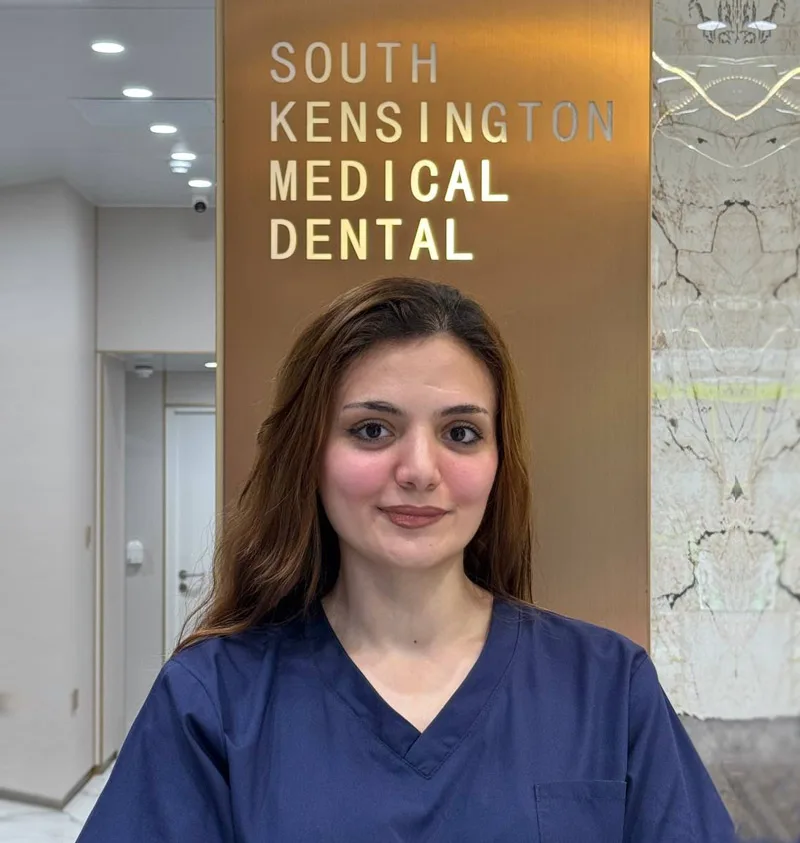
Meet Our Dental Team
Our experienced dental team is fully qualified and registered with the GDC, delivering safe, high-quality care in line with the highest professional standards.
Because our patients deserve nothing less.











Registered. Regulated. Trusted.
At South Kensington Medical & Dental, we are fully registered with the Care Quality Commission (CQC) and our clinicians are registered with the relevant UK regulatory bodies, including the GDC and GMC. Our dentists, dental nurses and medical professionals deliver care that meets the highest clinical, safety and ethical standards, because our patients deserve nothing less.



We Accept All Major Dental & Health Insurances
We work with all major UK insurers including Bupa, AXA Health, Aviva, Cigna, Vitality, WPA, Unum and Boots Dental Plan. We'll provide the receipts and paperwork you need to claim back your treatment costs.










