Concerned about advanced gum disease? Book a periodontal assessment.
Periodontitis (Advanced Gum Disease)
South Kensington, London
Periodontitis is an advanced form of gum disease in which bacterial infection extends beyond the gum tissue to affect the bone and ligaments that support the teeth. Unlike gingivitis — the early, reversible stage — periodontitis can lead to progressive bone loss, gum recession, and, in advanced cases, tooth mobility. Because the condition often develops gradually and without significant pain, many patients are unaware of it until noticeable changes occur. Early intervention and structured periodontal therapy are essential for stabilising the condition and preserving affected teeth. At our South Kensington dental practice, our dentists provide comprehensive periodontal assessments to identify advanced gum disease and work with you on a personalised management plan.
Explore the full range of dental conditions we treat or read on to understand what periodontitis is, how it progresses, and how it can be managed.
Concerned About Your Gums?
Let us assess your periodontal health and plan appropriate care
- Comprehensive periodontal assessment
- Pocket depth measurements
- Bone level evaluation
- Personalised therapy plan
- Ongoing maintenance programme
What Is Periodontitis?
Periodontitis develops when gingivitis — the earliest stage of gum disease — is left untreated and the bacterial infection extends deeper into the tissues surrounding the teeth. While gingivitis is confined to the soft gum tissue and is generally reversible, periodontitis involves the destruction of the periodontal ligament and alveolar bone that anchor the teeth in place.
As the disease progresses, periodontal pockets form between the gum and the tooth root. These pockets harbour bacteria and are difficult to clean effectively at home, creating a cycle of ongoing infection and tissue breakdown. Over time, this can lead to gum recession, exposure of tooth roots, increasing tooth mobility, and changes in bite alignment.
Periodontitis is a chronic condition — meaning it requires ongoing management rather than a one-off treatment. However, with structured periodontal therapy and consistent maintenance, the disease can typically be stabilised and its progression significantly slowed or halted.
Signs and Symptoms of Advanced Gum Disease
Periodontitis may present with one or more of the following signs. Because the condition can progress without significant pain, symptoms are sometimes noticed only at a more advanced stage:
These symptoms may vary in severity. A comprehensive periodontal assessment is the most reliable way to confirm whether periodontitis is present and determine its extent.
What Causes Periodontitis?
Several factors contribute to the development and progression of periodontitis. Understanding these helps guide both treatment and prevention.
Plaque and Tartar Build-Up
Periodontitis begins with plaque — a bacterial film that forms continuously on tooth surfaces. When plaque is not adequately removed, it hardens into tartar (calculus) and extends below the gumline. The bacteria within these deposits produce toxins that trigger a chronic inflammatory response, gradually destroying the bone and connective tissue that support the teeth.
Smoking
Smoking is one of the most significant modifiable risk factors for periodontitis. It impairs blood flow to the gums, suppresses the immune response to bacterial infection, and reduces the body's capacity to heal following treatment. Smokers are also more likely to experience faster disease progression.
Systemic Health Conditions
Certain medical conditions — particularly diabetes — can increase susceptibility to periodontal disease by affecting the body's ability to manage infection and inflammation. Other conditions that compromise immune function may also contribute. Managing systemic health alongside periodontal care is an important part of overall treatment planning.
Genetic Predisposition
Research indicates that some individuals are genetically more susceptible to periodontal disease, even with good oral hygiene. A family history of gum disease does not make periodontitis inevitable but may indicate a need for closer monitoring and more frequent professional care.
Inconsistent Oral Hygiene
Ineffective or irregular brushing and interdental cleaning allows plaque to accumulate in areas that are difficult to reach. Over time, this creates an environment in which gum inflammation can progress from gingivitis to the deeper tissue and bone destruction characteristic of periodontitis.
Why Periodontal Assessment Is Essential
A thorough periodontal assessment provides the clinical information needed to plan effective, individualised treatment:
Measures gum pocket depths
Periodontal pockets — the spaces between the gum and tooth — deepen as the disease progresses. Measuring these depths provides objective data on the severity and location of disease activity.
Assesses bone levels
Digital X-rays allow your dentist to evaluate the level of bone support around each tooth, identifying areas of loss that may not be visible on clinical examination alone.
Identifies disease severity
A thorough assessment helps determine the stage and grade of periodontitis, which guides the type and intensity of treatment recommended.
Enables personalised therapy planning
No two cases of periodontitis are identical. A detailed assessment allows your dental team to create a treatment plan tailored to your specific pattern of disease, risk factors, and individual needs.
Concerned About Receding or Bleeding Gums?
If you are noticing symptoms of advanced gum disease, our South Kensington dentists can provide a comprehensive periodontal assessment and structured treatment plan.
How We Assess Periodontitis
When you attend our practice with concerns about advanced gum disease, our dentists carry out a structured periodontal evaluation:
Detailed clinical examination of gum tissue and tooth stability
Periodontal pocket measurements recorded at multiple points around each tooth
Bleeding index evaluation to assess active inflammation
Digital X-rays to assess bone support and identify areas of bone loss
Risk factor analysis including smoking status, systemic health, and oral hygiene habits
Clear discussion of findings and recommended therapy plan
The stage and severity of periodontitis can only be confirmed through comprehensive clinical examination. Treatment recommendations are discussed once the full assessment is complete.
Periodontal Therapy Planning
Treatment for periodontitis is structured, phased, and tailored to the severity and pattern of disease identified during your assessment.
Initial Hygiene Therapy
The first phase of periodontitis management involves periodontal hygiene therapy — a targeted deep cleaning to remove plaque, calculus, and bacterial deposits from within the periodontal pockets and along the root surfaces. This is typically carried out over several appointments, focusing on the most affected areas. The goal is to reduce the bacterial load, control inflammation, and create an environment that supports tissue healing.
Personalised Home-Care Plan
Effective daily plaque control is critical to managing periodontitis long-term. Your dental team will provide tailored guidance on brushing techniques — focusing on the gumline and exposed root surfaces — and recommend appropriate interdental cleaning tools. Where clinically appropriate, antimicrobial rinses or gels may be discussed as part of your home-care plan. Lifestyle advice, including guidance on smoking cessation and dietary factors, may also be provided.
Maintenance Programme
Periodontitis requires lifelong management. Following active treatment, a structured maintenance programme is established — typically involving periodontal review appointments every three to four months. These visits allow your dental team to monitor pocket depths, assess tissue health, manage bacterial re-accumulation, and intervene early if any areas show signs of relapse. Consistent maintenance is the single most important factor in long-term disease stabilisation.
Restorative Review (If Needed)
In cases where periodontitis has caused structural changes — such as significant tooth mobility or bite alterations — a restorative review may be recommended once the gum condition has been stabilised. This may include splinting of mobile teeth, adjustment of the bite, or planning for replacement of teeth that cannot be retained. Where complex specialist care is required, an appropriate referral pathway will be discussed.
Can Periodontitis Be Reversed?
Unlike gingivitis, periodontitis involves the loss of bone and connective tissue that cannot fully regenerate naturally. In this sense, advanced gum disease cannot be "reversed" to restore what has already been lost.
However, periodontitis can typically be stabilised. With appropriate periodontal therapy, the active disease process can be brought under control — reducing inflammation, closing or reducing pocket depths, and halting further bone loss. In some cases, regenerative procedures may help restore a limited amount of lost tissue, though outcomes vary and are assessed on an individual basis.
The key message is that early intervention consistently improves the long-term outlook. Patients who begin treatment before extensive bone loss has occurred generally have more treatment options and better prospects for retaining their natural teeth. Ongoing maintenance is essential regardless of the stage at which treatment begins.
Preventing Progression of Gum Disease
While periodontitis cannot always be prevented, its progression can be significantly slowed or halted with consistent care:
Maintain consistent daily oral hygiene
Brush twice daily with a soft-bristled toothbrush and clean between your teeth using interdental brushes or floss. Effective home care is the foundation of periodontal stability.
Attend regular periodontal reviews
Scheduled maintenance appointments allow your dental team to monitor your condition, manage plaque in hard-to-reach areas, and intervene early if disease activity returns.
Consider smoking cessation
Stopping smoking can significantly improve the body's response to periodontal treatment and reduce the risk of disease progression.
Manage systemic health factors
Conditions such as diabetes can influence periodontal health. Working with your healthcare providers to manage systemic conditions supports your overall gum health.
Book routine dental check-ups at our South Kensington practice to support your long-term gum health.
Frequently Asked Questions
About periodontitis and advanced gum disease
Book a Periodontal Assessment in South Kensington
If you are concerned about receding gums, bleeding, or loose teeth, our experienced dental team can provide careful periodontal evaluation and discuss an appropriate therapy plan.
Open Monday–Sunday • 2 mins from South Kensington tube
Meet Our Dental Team
Our experienced dental team is fully qualified and registered with the GDC, delivering safe, high-quality care in line with the highest professional standards.
Because our patients deserve nothing less.

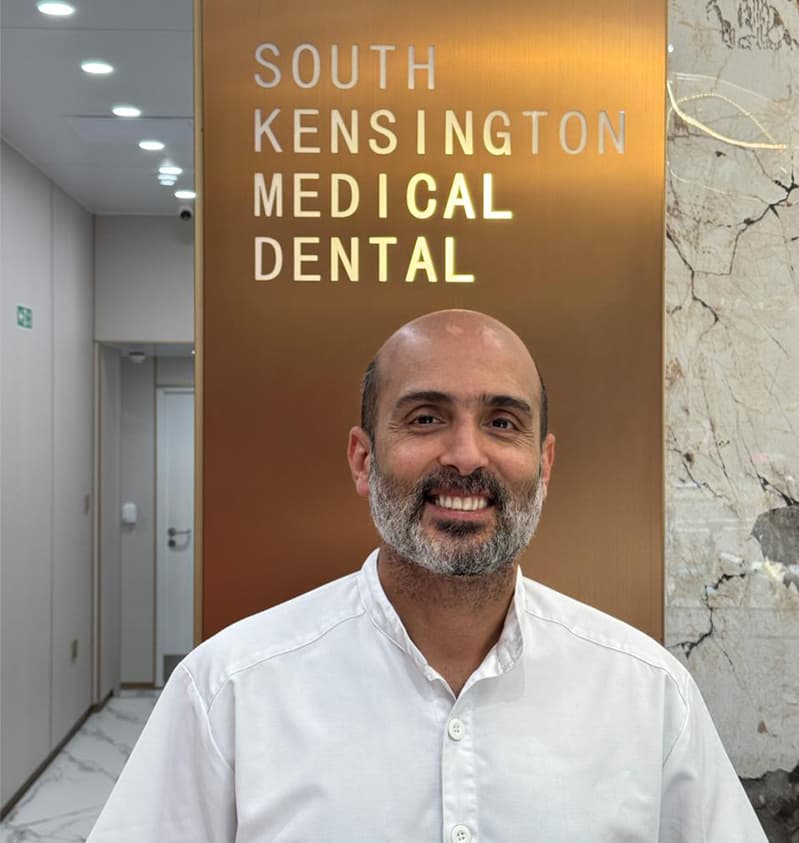









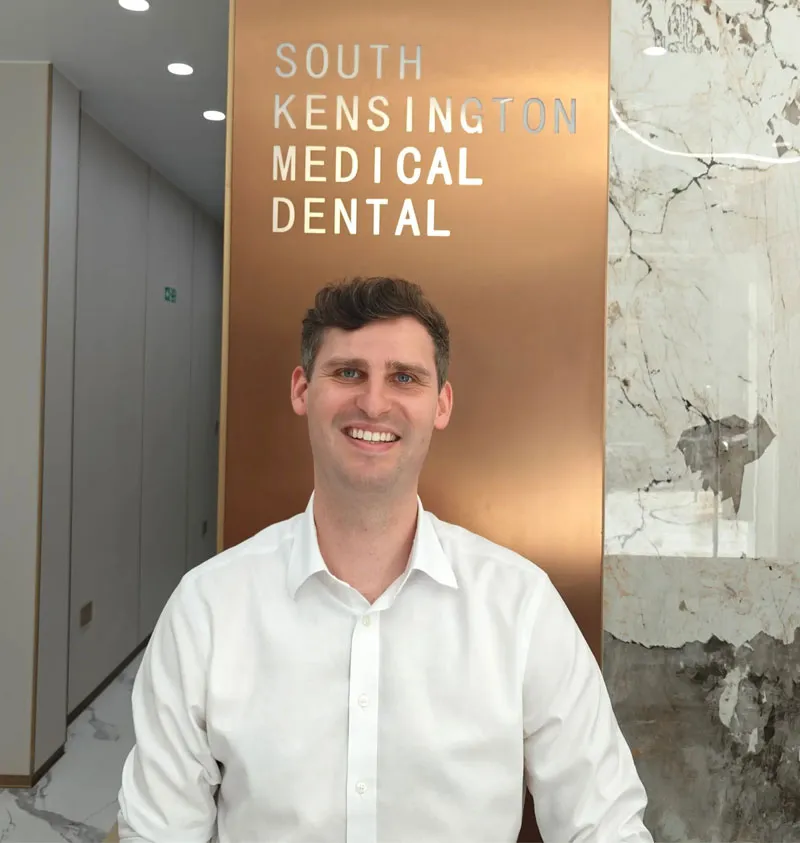
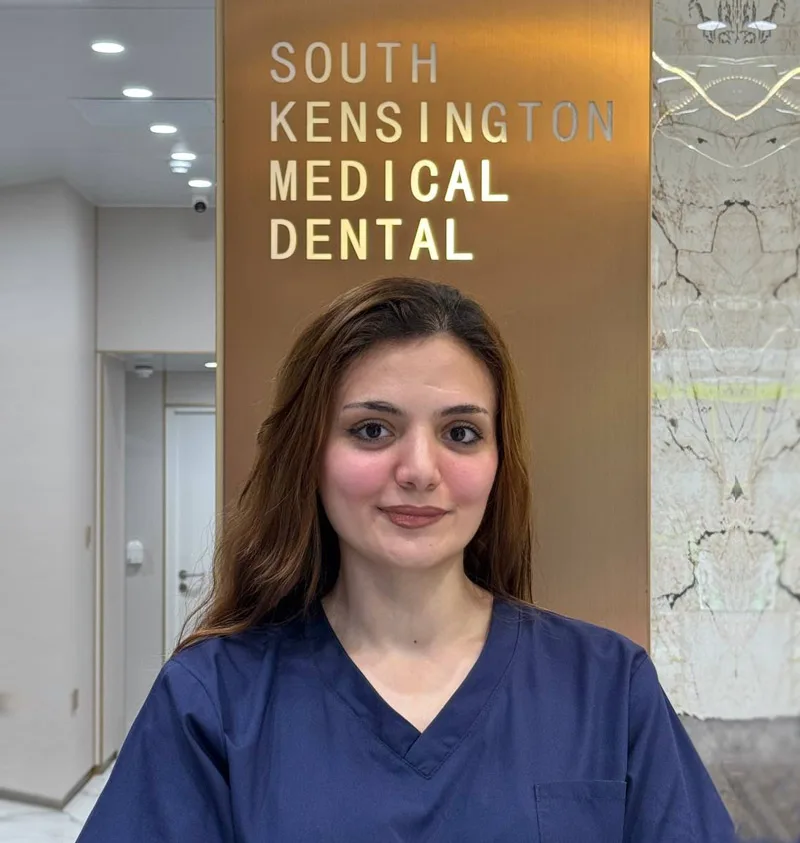

Registered. Regulated. Trusted.
At South Kensington Medical & Dental, we are fully registered with the Care Quality Commission (CQC) and our clinicians are registered with the relevant UK regulatory bodies, including the GDC and GMC. Our dentists, dental nurses and medical professionals deliver care that meets the highest clinical, safety and ethical standards, because our patients deserve nothing less.




We Accept All Major Dental & Health Insurances
We work with all major UK insurers including Bupa, AXA Health, Aviva, Cigna, Vitality, WPA, Unum and Boots Dental Plan. We'll provide the receipts and paperwork you need to claim back your treatment costs.










