Pain when biting? Book an assessment today.
Pain When Biting – Causes & Assessment in London
South Kensington, London
Pain when biting down — or when releasing pressure after biting — can be a sign of several different dental conditions, including a cracked tooth, an infection within the tooth, or an imbalance in the way the teeth meet. The discomfort may be sharp and fleeting, or a deep ache that persists after chewing. Because the causes vary considerably, a professional examination is important to identify the source of the pain and determine the most appropriate course of action. At our South Kensington dental practice, our dentists carry out detailed clinical and radiographic assessments — including bite analysis and targeted pressure testing — to investigate bite-related pain and discuss suitable management options.
Explore the full range of dental conditions we treat or read on to understand the causes of bite pain and how it can be investigated.
Pain When You Bite Down?
We can identify the cause and discuss your options
- Thorough clinical examination
- Bite analysis and pressure testing
- Crack and fracture assessment
- Digital X-rays where indicated
- Personalised treatment discussion
Why Does a Tooth Hurt When You Bite Down?
When you bite or chew, force is transmitted through the tooth and into the surrounding bone and ligaments. If any part of this system is compromised — by a crack, infection, uneven contact, or inflammation — the pressure can trigger pain.
A cracked tooth may flex under load, momentarily opening the crack and stimulating the nerve inside. An infected or inflamed pulp reacts to even normal biting pressure with pain, because the swollen tissue has nowhere to expand within the rigid confines of the tooth. A filling or crown that sits fractionally too high concentrates force on a single point, overloading that tooth and its periodontal ligament.
Because so many different conditions can produce bite pain, targeted clinical testing — including pressure tests, bite analysis, and imaging — is often needed to pinpoint the source and guide the right approach.
Common Causes of Pain When Biting
Understanding the most likely causes helps your dentist focus the assessment and recommend the most appropriate management.
Cracked Tooth Syndrome
A crack in the tooth — which may be invisible to the naked eye — can cause sharp pain when biting, particularly on release. This occurs because the crack flexes under pressure, stimulating the nerve inside. The pain is often intermittent and may be difficult to localise, which is why targeted clinical testing is important for diagnosis.
Tooth Infection (Pulpitis or Abscess)
When the pulp (nerve) inside a tooth becomes inflamed (pulpitis) or infected, pressure from biting can compress the inflamed tissue and trigger significant pain. An abscess at the root tip can also cause tenderness when pressure is applied. The pain may be accompanied by throbbing, swelling, or sensitivity to temperature.
High Filling or Crown
If a filling or crown sits even slightly higher than the surrounding teeth, it can receive a disproportionate share of the biting force. This overloading can cause the tooth and its supporting ligament to become sore and tender, resulting in pain when biting or chewing on that side.
Gum or Periodontal Inflammation
The periodontal ligament — the tissue that holds the tooth in the jawbone — can become inflamed due to gum disease, trauma, or excessive force. When inflamed, this ligament becomes highly sensitive to pressure, causing discomfort when biting or even when the teeth are clenched together.
Teeth Grinding (Bruxism)
Habitual grinding or clenching — often during sleep — subjects the teeth and their supporting structures to sustained, excessive forces. Over time, this can cause generalised soreness, localised bite tenderness, and microfractures that may produce pain when chewing.
Symptoms That May Accompany Bite Pain
Pain when biting may be accompanied by other signs that help indicate the underlying cause:
The pattern and combination of these symptoms help guide the clinical assessment. Describing your symptoms in detail at your appointment will assist your dentist in reaching the correct assessment.
When Should You See a Dentist?
While occasional, mild discomfort when biting may resolve on its own, the following situations warrant a dental assessment:
Persistent pain lasting more than a few days
Pain that does not resolve within a day or two suggests an underlying issue that is unlikely to improve without professional assessment and management.
Pain that is worsening over time
Progressively increasing pain may indicate that the underlying condition — such as a crack or infection — is advancing and warrants prompt evaluation.
Swelling of the gum or face
Swelling can be a sign of infection. Even mild gum swelling around a painful tooth should be assessed to determine whether treatment is needed.
Pain following recent dental treatment
Bite pain that develops after a new filling or crown may indicate that the restoration is sitting slightly high and needs a minor adjustment.
Pain after trauma to the mouth or face
If you have experienced an impact to the teeth or jaw and subsequently notice pain when biting, a dental assessment can check for fractures or damage.
If facial swelling or difficulty swallowing occurs, seek urgent dental or medical care. Contact our team or attend your nearest emergency dental service.
Experiencing Pain When Chewing?
If you have discomfort when biting or releasing pressure, our South Kensington dentists can provide a detailed examination to identify the cause.
How We Assess Pain When Biting
Our assessment uses a combination of clinical tests and imaging to identify the source of your bite pain and guide the most appropriate management:
Clinical examination of the teeth, gums, and surrounding structures
Bite analysis (occlusion assessment) to check how the teeth meet
Pressure and release testing to reproduce the pain pattern
Digital X-rays where appropriate to assess tooth roots and bone
Evaluation of existing fillings, crowns, and other restorations
Discussion of findings and recommended next steps
The findings from this assessment determine the recommended treatment approach. Your dentist will explain the results and discuss all suitable options before any treatment is carried out.
Treatment Options Based on Cause
The recommended treatment depends entirely on the clinical findings. Below are some of the approaches that may be considered.
Bite Adjustment
If the pain is caused by a high filling or crown, a minor bite adjustment may be all that is needed. This involves carefully reshaping the high point of the restoration to bring it into balance with the surrounding teeth, reducing the excessive pressure on the affected tooth. This is a routine part of general dentistry and is typically quick and comfortable.
Restoration or Crown
When a tooth is cracked, weakened, or has lost significant structure, a dental crown may be recommended to hold the tooth together and distribute biting forces evenly across its surface. By encasing the weakened tooth, a crown prevents the crack from flexing under load and protects the tooth from further fracture. Smaller restorations such as fillings or onlays may also be appropriate depending on the extent of the damage.
Root Canal Treatment
If the assessment reveals that the tooth’s pulp (nerve) has become irreversibly inflamed or infected, root canal treatment may be necessary. This involves carefully removing the affected tissue from within the tooth, cleaning the root canals, and sealing them to prevent reinfection. A crown is often placed afterwards to protect and strengthen the treated tooth.
Night Guard for Grinding
If teeth grinding or clenching is contributing to bite pain, a custom-made night guard can help protect the teeth from excessive forces during sleep. By distributing the load more evenly, a night guard reduces the strain on individual teeth and their supporting structures. Learn more about our teeth grinding treatment options.
Can Pain When Biting Resolve on Its Own?
In some cases, bite pain may ease temporarily — for example, if a minor bruise to the periodontal ligament settles, or if you naturally avoid chewing on the affected side. However, temporary improvement does not necessarily mean the underlying problem has resolved.
A crack, infection, or bite imbalance can persist even when symptoms fluctuate. The pain may return — often with greater intensity — when the tooth is loaded again, or when the underlying condition progresses. For this reason, professional evaluation is recommended to determine whether treatment is needed, even if the pain appears to have subsided.
Early assessment often allows for simpler, more conservative treatment options compared with waiting until the condition has advanced.
Preventing Future Bite-Related Pain
While not all causes of bite pain are preventable, the following measures can help reduce the risk:
Attend regular dental examinations
Routine examinations allow your dentist to monitor the condition of your teeth and restorations, identify early signs of cracks or wear, and address issues before they cause pain.
Address cracks and damage early
Small cracks can often be managed conservatively if identified early. Delaying treatment may allow a crack to extend, potentially requiring more extensive intervention.
Manage teeth grinding
If you grind or clench your teeth, a custom night guard can protect against the excessive forces that contribute to bite pain, cracks, and restoration failure.
Have restorations checked regularly
Fillings and crowns do not last indefinitely. Regular review allows your dentist to identify restorations that may be wearing, loosening, or no longer fitting well before they cause problems.
Frequently Asked Questions
About pain when biting and bite-related dental problems
Book an Assessment for Bite Pain in South Kensington
If you are experiencing pain when biting or chewing, our experienced dental team can provide careful examination and discuss appropriate treatment options.
Open Monday–Sunday • 2 mins from South Kensington tube
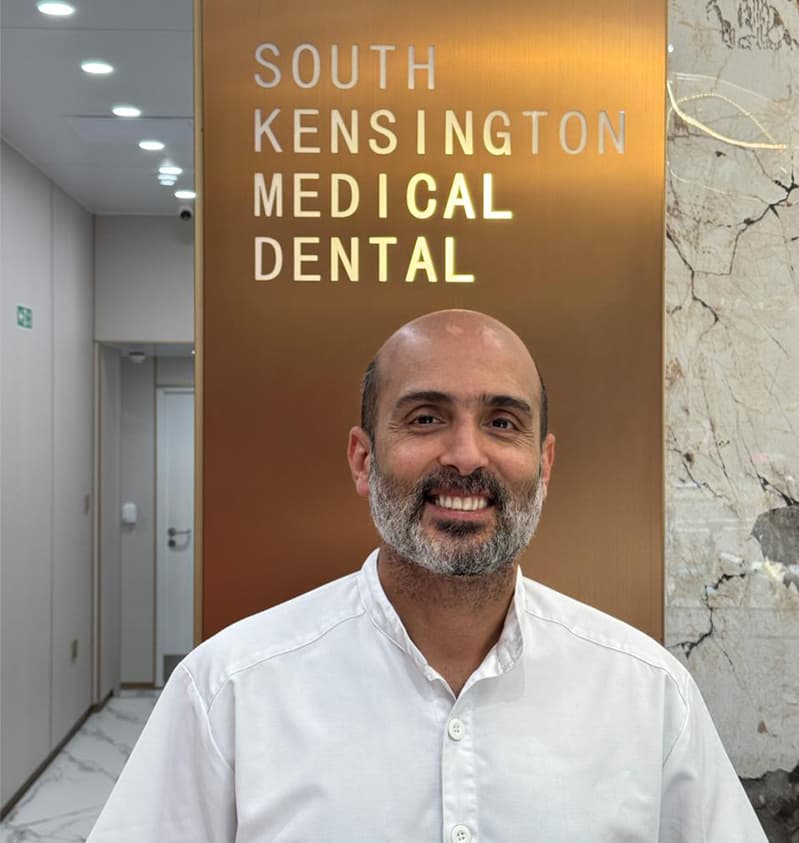
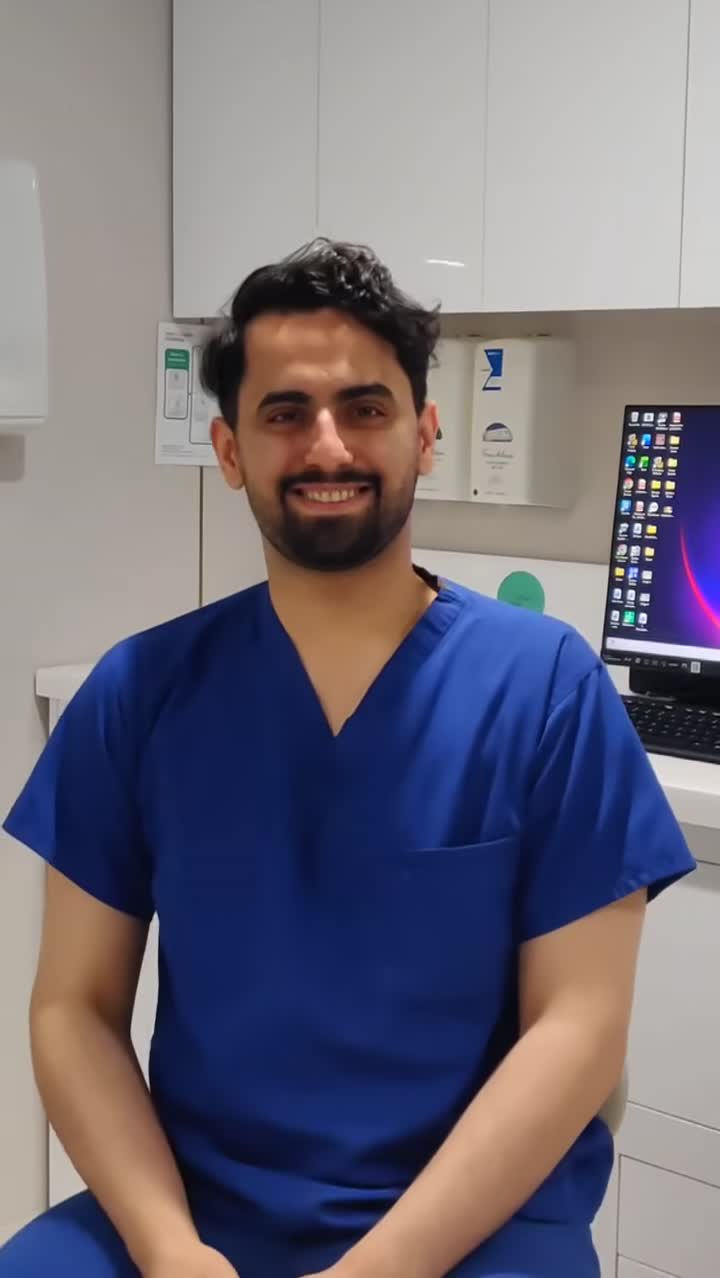
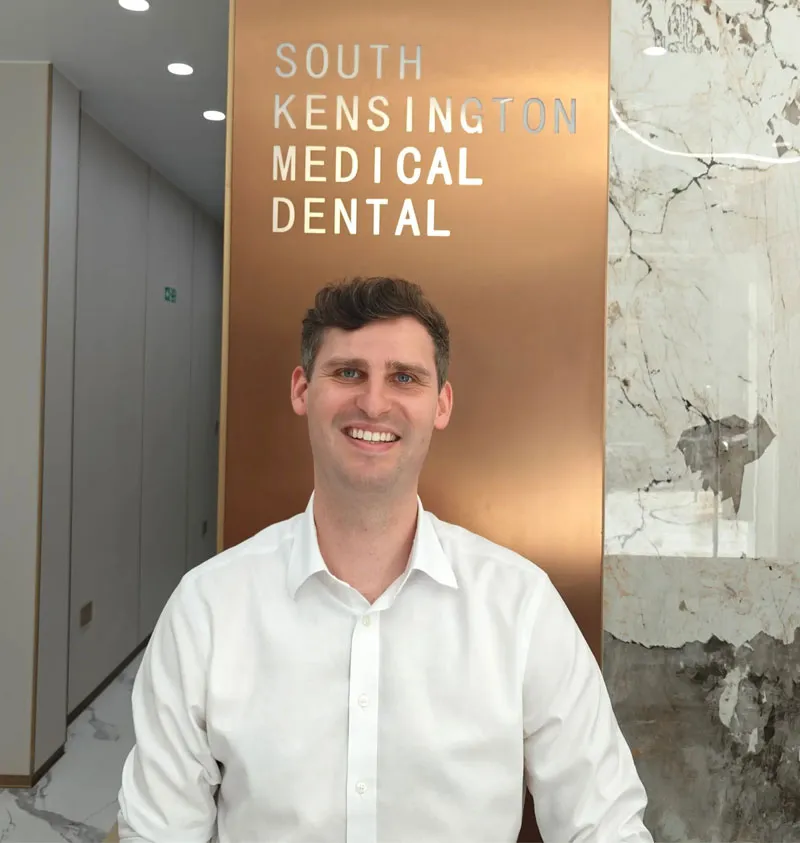
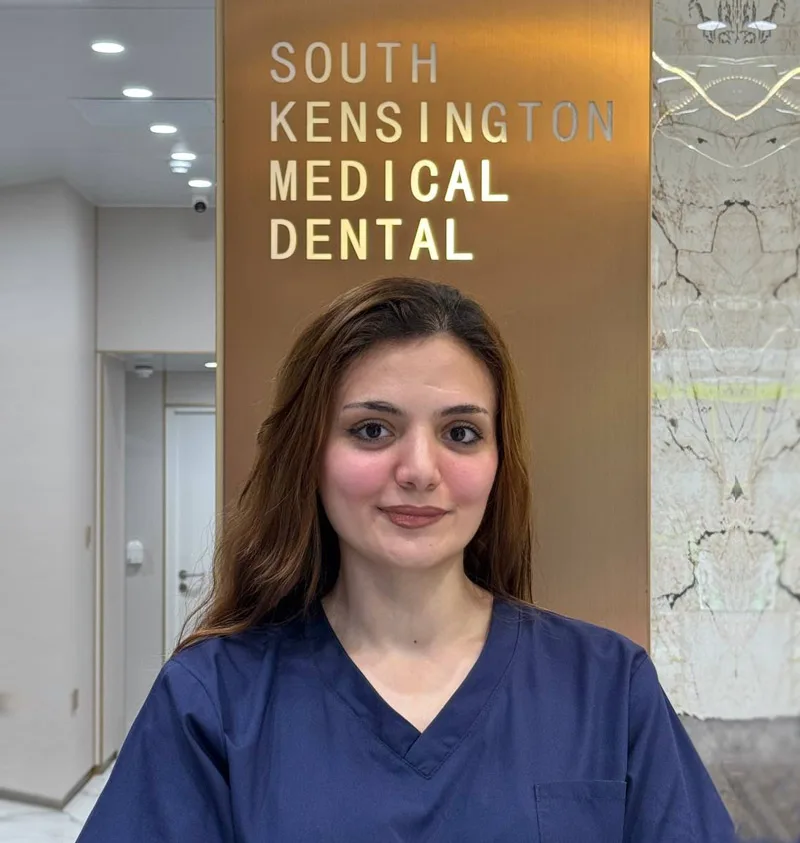
Meet Our Dental Team
Our experienced dental team is fully qualified and registered with the GDC, delivering safe, high-quality care in line with the highest professional standards.
Because our patients deserve nothing less.










Registered. Regulated. Trusted.
At South Kensington Medical & Dental, we are fully registered with the Care Quality Commission (CQC) and our clinicians are registered with the relevant UK regulatory bodies, including the GDC and GMC. Our dentists, dental nurses and medical professionals deliver care that meets the highest clinical, safety and ethical standards, because our patients deserve nothing less.


We Accept All Major Dental & Health Insurances
We work with all major UK insurers including Bupa, AXA Health, Aviva, Cigna, Vitality, WPA, Unum and Boots Dental Plan. We'll provide the receipts and paperwork you need to claim back your treatment costs.










