Experiencing discomfort after a filling? Book a post-treatment review.
Pain After Filling or Sensitivity After Dental Work
South Kensington, London
Experiencing pain after filling placement or sensitivity after dental work is a common concern. In many cases, mild discomfort following a dental restoration is temporary and settles as the tooth adapts to the new filling material. However, persistent or worsening tooth pain after filling treatment may indicate that the bite needs adjustment, or that the tooth requires further assessment. At our South Kensington dental practice, our team provides structured post-treatment reviews to evaluate bite balance, tooth response, and comfort following dental work.
Post-Treatment Review
Bite assessment and sensitivity evaluation
- Visual filling inspection
- Bite balance analysis
- Sensitivity testing
- Percussion assessment
- Management discussion
Is It Normal to Have Pain After a Filling?
Mild sensitivity after dental work is a common experience. When a tooth undergoes restoration, the preparation process and placement of filling material can temporarily affect the nerve tissue inside the tooth. This means that some degree of post filling sensitivity — particularly in response to hot, cold, or pressure — is not unusual in the days and weeks following treatment.
The nerve tissue within the tooth may take time to settle after the restoration is placed. During this period, brief sensitivity to temperature changes or mild discomfort when biting is generally considered part of the normal adaptation process. In most cases, these symptoms diminish gradually as the tooth adjusts.
However, it is important to distinguish between temporary sensitivity and persistent or worsening pain. Short-term sensitivity does not necessarily indicate a problem, but tooth pain after filling that intensifies, becomes spontaneous, or does not improve over several weeks should be assessed. Explore other dental concerns we assess or read on to understand the types of post-treatment sensitivity and when a review may be helpful.
Types of Post-Filling Sensitivity
The type of sensitivity experienced after a filling can vary. Understanding the pattern of discomfort helps guide assessment and management.
Temperature Sensitivity
- Brief sensitivity when consuming cold drinks, ice cream, or hot foods
- A sharp but short-lived response that resolves within seconds of removing the stimulus
Pressure Sensitivity
- Discomfort or a dull ache when biting down on the affected tooth
- A sensation of pressure that may be more noticeable when chewing harder foods
Lingering Pain
- Discomfort that persists for several minutes after exposure to hot or cold
- A throbbing or aching sensation that does not resolve quickly after the trigger is removed
Bite Feels High
- The filling feels raised or prominent when biting together
- A sensation that the bite feels uneven after filling placement, with one tooth contacting before the others
Why Might a Tooth Hurt After Dental Work?
There are several reasons why a tooth sensitive after dental treatment may cause discomfort. Understanding the possible contributors helps guide assessment and appropriate management.
Nerve Irritation Following Decay Removal
The process of removing decay and placing a filling involves preparation of the tooth structure. This can temporarily irritate the nerve tissue (pulp) inside the tooth, resulting in post filling sensitivity that typically settles over days to weeks.
Deep Cavity Proximity to Pulp
When a cavity extends close to the nerve of the tooth, the remaining layer of dentine between the filling and the pulp may be thin. This proximity can increase the likelihood of sensitivity, particularly to temperature changes, as the nerve adapts to the restoration.
Bite Imbalance
If a new filling is slightly higher than the surrounding tooth surface, it may contact the opposing tooth prematurely. This uneven pressure can cause localised discomfort when chewing and may be felt once the anaesthetic wears off.
Referred Discomfort from Surrounding Tissues
In some cases, discomfort may originate from the gum tissue, adjacent teeth, or surrounding structures rather than the filled tooth itself. This referred sensation can make it difficult to identify the exact source without clinical assessment.
Existing Crack or Underlying Issue
Occasionally, a pre-existing hairline crack or an underlying condition may become more noticeable after treatment. The symptoms may coincide with the filling but relate to a separate issue that requires further evaluation.
What Is a “High Bite” After a Filling?
When a filling is placed, the dentist checks the bite to ensure even contact across the teeth. However, because the mouth is typically numb during treatment, it can sometimes be difficult for patients to assess their bite accurately at that stage. Once the anaesthetic wears off, a filling feels high if it sits slightly above the level of the surrounding tooth surface.
This premature contact means that when you bite together, one tooth meets before the others. The concentrated pressure on that single tooth can cause discomfort when chewing, sensitivity to biting forces, and a general sense that the bite feels uneven after filling placement.
A high bite is one of the more straightforward causes of post-treatment discomfort, and minor adjustment of the filling surface can often restore balanced contact. Our general dentistry team can assess bite balance and make adjustments during a short review appointment.
Filling Feels High or Discomfort Persisting?
If your filling feels high or you continue to experience discomfort after dental treatment, a post-treatment review can help assess bite balance and tooth response. Book a review appointment at our South Kensington practice for a structured reassessment.
How Dentists Assess Post-Treatment Pain
When you attend for a review of pain after filling placement, our dental team carries out a structured evaluation to identify the cause and guide appropriate management.
Visual examination — inspecting the filling, surrounding tooth structure, and gum tissue for any visible concerns
Bite marking paper analysis — using articulating paper to identify premature contacts or areas where the bite may be uneven
Sensitivity testing — applying controlled thermal or air stimuli to assess how the tooth responds and whether the reaction is within normal limits
Percussion testing — gently tapping on the tooth to evaluate tenderness, which can help localise the source of discomfort
Radiographs where clinically indicated — to assess the depth of the filling, proximity to the nerve, and the condition of the surrounding bone
The findings guide whether monitoring, bite adjustment, or further treatment is appropriate for your individual situation.
Possible Management Options
The approach to managing post-treatment discomfort depends on the findings from the clinical assessment and the type of symptoms present.
Bite Adjustment
If the filling is slightly high, minor reshaping of the filling surface can restore even contact across the bite. This is a straightforward adjustment that can often be completed during a short review appointment.
Monitoring
Where symptoms are mild and showing signs of gradual improvement, a period of monitoring may be appropriate. The tooth may simply need time to settle following the restoration, and symptoms can be reviewed at a follow-up appointment if needed.
Protective Coatings
In cases of temporary dentine sensitivity, a desensitising agent or protective coating may be applied to the affected area. This can help reduce sensitivity while the tooth adapts to the filling material.
Further Investigation
If symptoms persist or suggest possible pulp inflammation, further assessment may be recommended. This could include additional testing, extended monitoring, or discussion of alternative treatment options depending on the clinical findings.
When Should You Arrange a Review?
Consider contacting the clinic if you experience any of the following:
Pain persists beyond a few weeks after the filling was placed
Pain increases in intensity rather than gradually improving
Chewing becomes uncomfortable or you avoid eating on one side
You notice swelling around the treated tooth or in the surrounding area
The filling feels raised and your bite feels uneven after filling placement
If you experience severe pain or swelling following dental work, our emergency dental team can provide prompt assessment during clinic hours.
Can Sensitivity After Dental Work Settle on Its Own?
In many cases, mild post filling sensitivity improves gradually without the need for further intervention. The nerve tissue inside the tooth may need time to adapt to the new restoration, and brief sensitivity to temperature or pressure during this period is generally considered part of the normal healing process.
Teeth can take anywhere from a few days to several weeks to settle fully, depending on the depth of the filling, the type of material used, and individual variation. During this period, using a desensitising toothpaste and avoiding extreme temperatures may help manage symptoms.
However, if pain after filling persists beyond several weeks, worsens over time, or becomes spontaneous rather than triggered by a specific stimulus, a review is advisable. Early assessment helps identify any issues — such as a high bite or pulp inflammation — that may benefit from prompt attention. Our dental hygienist can also provide guidance on sensitivity management and oral care following restorative treatment.
Frequently Asked Questions
About pain after fillings and post-treatment reviews
Book a Post-Treatment Review in South Kensington
Some sensitivity after dental work can be temporary. However, if discomfort persists or your bite feels uneven, a structured review can help assess the cause and discuss appropriate next steps.
Our dental team in South Kensington provides careful post-treatment evaluations focused on comfort and bite balance. Book your appointment to have your tooth reviewed and receive personalised advice.
Open Monday–Sunday • 2 mins from South Kensington tube
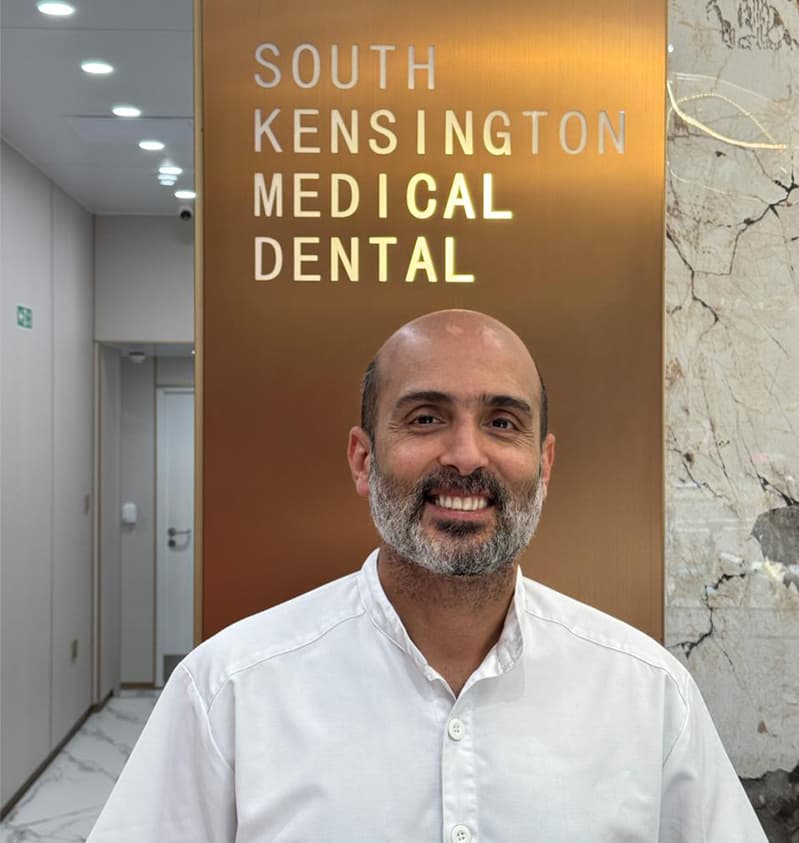
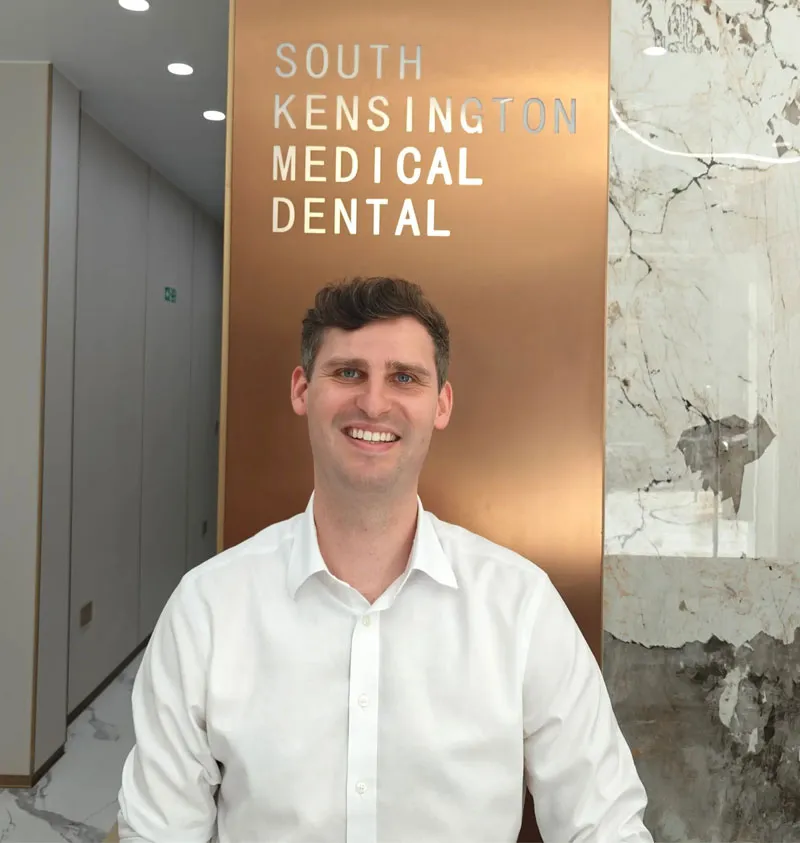
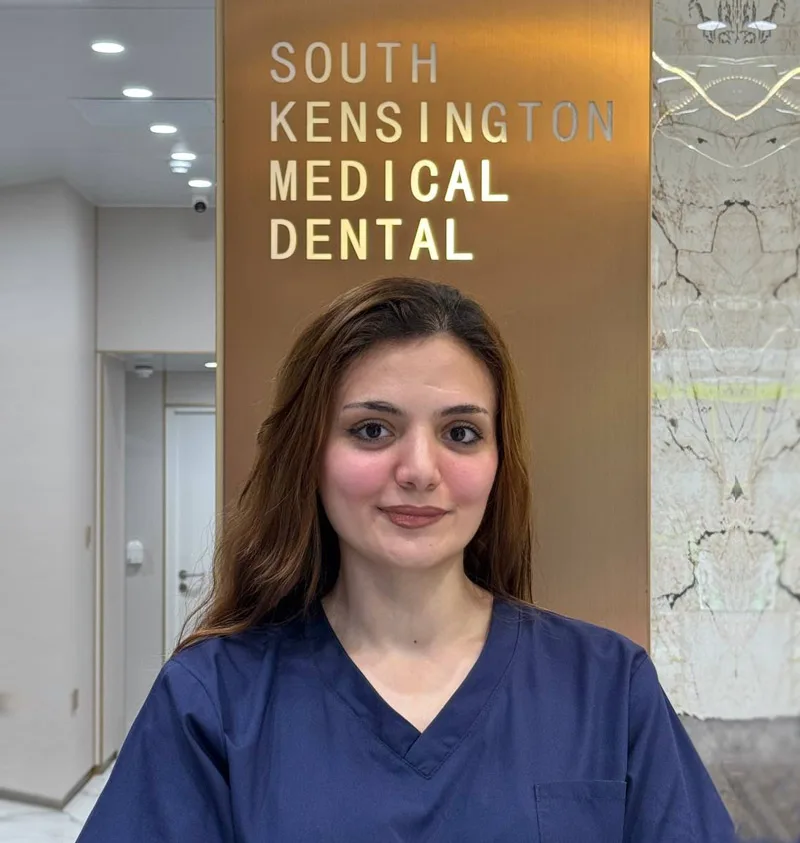
Meet Our Dental Team
Our experienced dental team is fully qualified and registered with the GDC, delivering safe, high-quality care in line with the highest professional standards.
Because our patients deserve nothing less.











Registered. Regulated. Trusted.
At South Kensington Medical & Dental, we are fully registered with the Care Quality Commission (CQC) and our clinicians are registered with the relevant UK regulatory bodies, including the GDC and GMC. Our dentists, dental nurses and medical professionals deliver care that meets the highest clinical, safety and ethical standards, because our patients deserve nothing less.



We Accept All Major Dental & Health Insurances
We work with all major UK insurers including Bupa, AXA Health, Aviva, Cigna, Vitality, WPA, Unum and Boots Dental Plan. We'll provide the receipts and paperwork you need to claim back your treatment costs.










