White patches or soreness in your mouth? Book an assessment.
Oral Thrush (Mouth Yeast Infection)
South Kensington, London
Oral thrush is a common fungal condition caused by an overgrowth of Candida — a type of yeast that normally lives in the mouth in small, harmless amounts. When the natural balance of organisms in the mouth is disrupted, Candida can multiply and produce visible symptoms such as creamy white patches on the tongue, inner cheeks, palate, or throat. Sometimes described as a mouth yeast infection, oral thrush can affect adults of any age and is often linked to local oral factors that a dental assessment can help identify. At our South Kensington dental practice, we provide careful oral examinations to evaluate contributing factors and offer practical guidance.
Explore other oral health conditions we assess or read on to understand common oral thrush symptoms and when a dental assessment may be helpful.
Oral Thrush Assessment
Identify contributing oral factors and receive practical guidance
- Thorough oral tissue examination
- Denture fit & hygiene assessment
- Saliva flow evaluation
- Oral hygiene review
- Personalised care guidance
What Is Oral Thrush?
Oral thrush is a fungal condition caused by an overgrowth of Candida — a type of yeast that naturally lives in the mouth, digestive tract, and on the skin. In healthy individuals, Candida is normally present in small amounts and is kept in balance by other microorganisms and the body's natural defences.
When this balance is disrupted — due to changes in oral hygiene, medication use, reduced saliva flow, or other factors — Candida can multiply beyond its usual levels, leading to a condition commonly known as a candida mouth infection or mouth yeast infection. The result is often the appearance of creamy white patches in the mouth, typically on the tongue, inner cheeks, palate, or occasionally the throat.
Oral thrush can affect adults of all ages, though it is more frequently seen in older adults, denture wearers, and individuals whose immune response or oral environment has been altered by medication or other factors. In most cases, oral thrush is manageable, and identifying local contributing factors through a dental assessment is an important first step.
Common Oral Thrush Symptoms
Oral thrush symptoms can vary in presentation and severity. The following are among the most commonly reported signs:
White Patches in the Mouth
Soreness or Burning
Altered Taste or Dryness
Some individuals with oral thrush notice a reduced or altered sense of taste, or an unpleasant taste in the mouth. A sensation of dryness or a cotton-like feeling may also accompany the condition. These symptoms can overlap with other oral conditions, which is why professional assessment is important to help identify the underlying cause accurately.
Dental and Oral Factors That May Contribute
Several local oral factors can create an environment that encourages Candida overgrowth. Identifying and addressing these is an important part of management.
Denture Use
Wearing dentures — particularly overnight without removal — can create a warm, moist environment beneath the fitting surface that encourages Candida growth. Inadequate denture cleaning or a poorly fitting denture may further increase susceptibility. Ensuring dentures are cleaned thoroughly and removed at night can help reduce this risk.
Dry Mouth (Xerostomia)
Saliva plays an important protective role in the mouth, helping to control the levels of bacteria and fungi on oral surfaces. When saliva flow is reduced — whether due to medication side effects, dehydration, or other factors — the mouth may become more susceptible to fungal overgrowth. Addressing dry mouth is an important part of oral health management.
Recent Antibiotic Use
Antibiotics can disrupt the natural balance of microorganisms in the mouth by reducing beneficial bacteria that normally help keep Candida levels in check. This imbalance may allow Candida to proliferate, sometimes leading to oral thrush symptoms during or shortly after a course of antibiotics.
Smoking
Smoking can affect the oral environment in ways that may encourage fungal overgrowth, including altering saliva composition and reducing the immune response within the oral tissues. Smokers may be more susceptible to developing oral thrush and other oral health conditions.
Poor Oral Hygiene
Inadequate oral hygiene allows plaque and microorganisms to accumulate on tooth surfaces, the tongue, and other soft tissues. This can create conditions that favour Candida overgrowth. Maintaining a consistent hygiene routine and attending regular appointments with a dental hygienist can support a healthier oral environment.
Regular visits to a dental hygienist can support a healthier oral environment and help reduce the risk of fungal imbalance through professional cleaning and tailored hygiene advice.
How Dentists Assess Possible Oral Thrush
When you attend our practice with concerns about white patches in your mouth or oral soreness, our general dentistry team carries out a structured assessment. This typically includes:
Visual examination of the tongue, cheeks, palate, and other oral tissues
Assessment of denture fit, condition, and hygiene practices
Evaluation of saliva flow and signs of dry mouth
Review of current oral hygiene routine and brushing technique
Consideration of recent medications, including antibiotics and inhalers
Dentists assess local contributing factors within the oral environment. Where antifungal medication may be appropriate, this would need to be prescribed by an appropriate prescriber. Your dentist can advise on suitable next steps based on clinical findings.
White Patches or Ongoing Soreness?
If you have noticed white patches in your mouth or ongoing soreness, a dental examination can help assess whether denture hygiene, dry mouth, or other oral factors may be contributing. Book a consultation at our South Kensington clinic for a careful oral assessment.
Management and Preventive Advice
Addressing local oral factors is an important part of managing oral thrush and reducing the likelihood of recurrence.
Improving Oral Hygiene
Maintaining a thorough oral hygiene routine is one of the most effective ways to support a healthy oral environment. This includes brushing twice daily with fluoride toothpaste and gently cleaning the tongue to reduce the build-up of bacteria and fungi on its surface. A consistent hygiene routine helps keep Candida levels in balance and supports overall oral health.
Denture Care
For denture wearers, thorough daily cleaning of the denture with an appropriate cleaning solution is essential. Removing dentures overnight allows the oral tissues to recover and reduces the warm, moist conditions that can encourage Candida growth. If dentures fit poorly, a dental review can assess whether adjustment or replacement may be appropriate.
Addressing Dry Mouth
Staying well hydrated throughout the day supports healthy saliva production. For individuals experiencing persistent dry mouth, saliva-support strategies — such as sugar-free lozenges or frequent sips of water — may help maintain moisture in the oral environment. Your dentist can discuss options tailored to your individual circumstances.
Hygiene Maintenance Visits
Professional cleaning during routine hygiene visits can help reduce the overall microbial load on teeth and soft tissues, supporting a healthier balance of organisms in the mouth. This may be particularly beneficial for individuals prone to recurrent oral thrush or those with periodontal disease, where bacterial and fungal imbalances may be more pronounced.
When to Seek Further Medical Advice
While many cases of thrush in adults' mouths can be managed through improved oral care and addressing local contributing factors, some situations may benefit from further medical assessment. You may be advised to seek appropriate medical review if:
Symptoms persist despite improving oral hygiene and local measures
You experience difficulty swallowing or pain when swallowing
Oral thrush symptoms recur frequently without clear local cause
You have underlying health conditions that may affect immune function
If symptoms are severe or spreading rapidly, consider contacting our emergency dentists for prompt assessment and guidance.
Can Oral Thrush Be Prevented?
While it may not be possible to prevent all cases of oral thrush, the following measures can help reduce susceptibility by maintaining a balanced oral environment:
Frequently Asked Questions
About oral thrush and dental assessment
Book an Oral Assessment in South Kensington
Oral thrush can sometimes be influenced by local oral factors such as denture hygiene or dry mouth.
Our dental team in South Kensington provides careful oral examinations to assess contributing factors and offer practical guidance, including appropriate signposting where needed. Book your appointment to have your oral health assessed and discuss suitable next steps.
Open Monday–Sunday • 2 mins from South Kensington tube
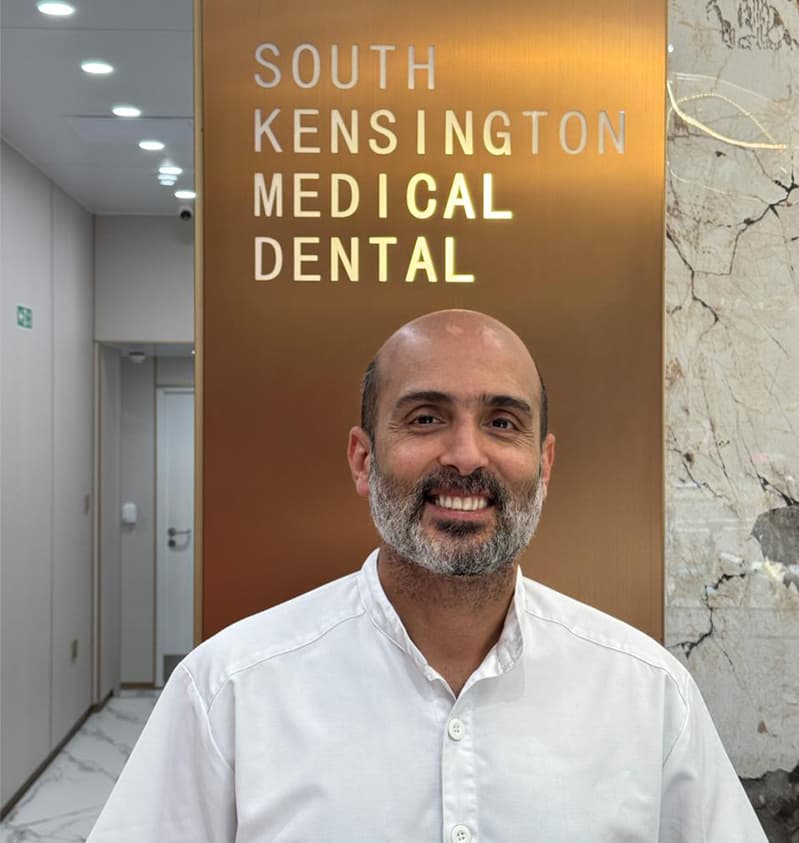
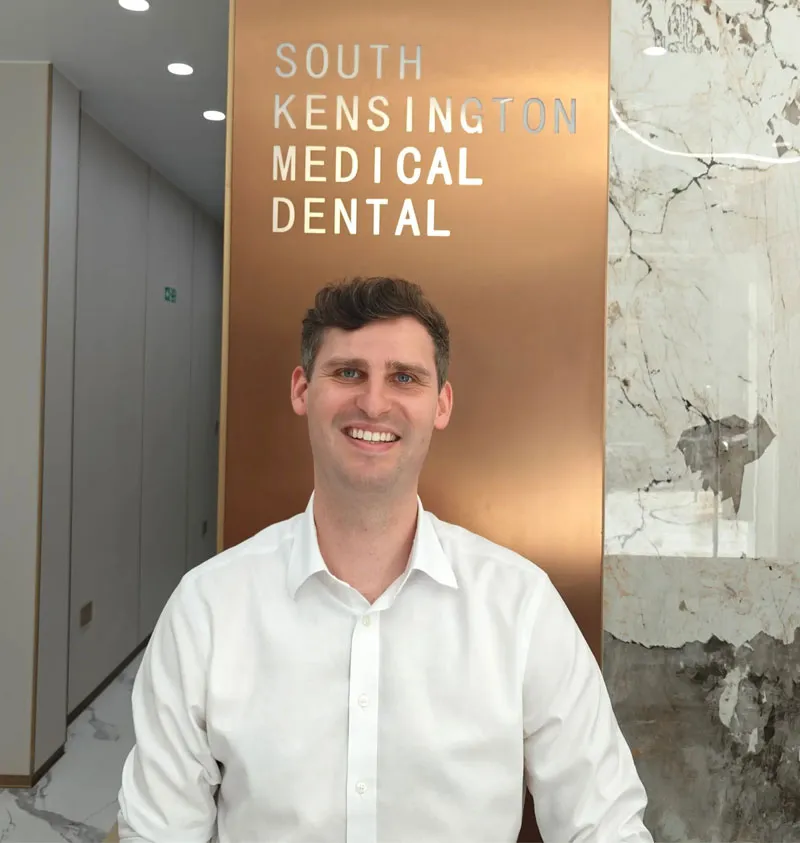
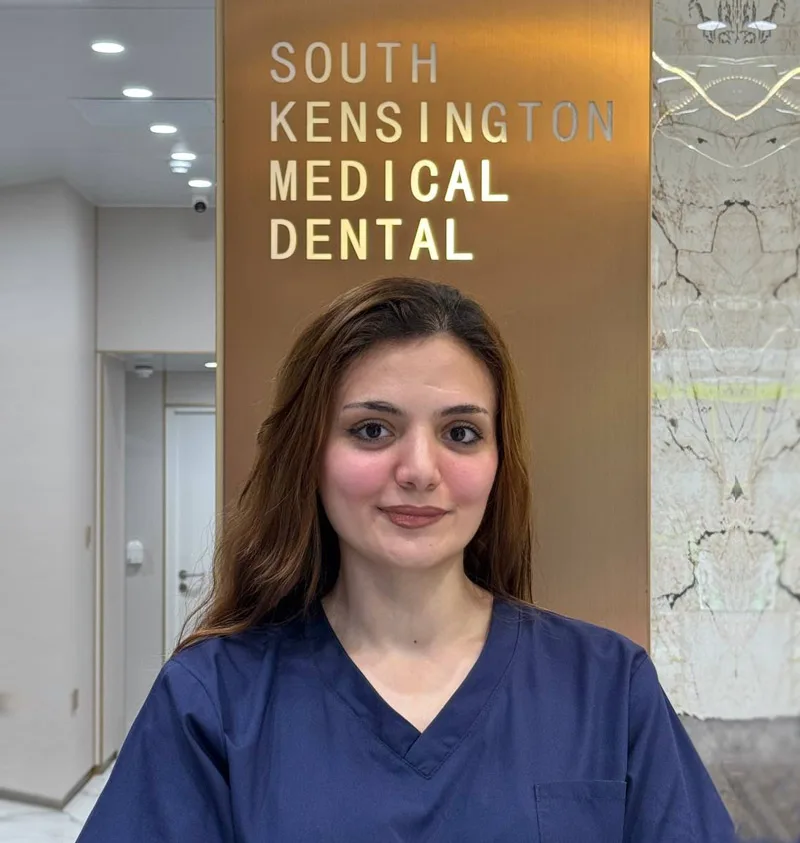
Meet Our Dental Team
Our experienced dental team is fully qualified and registered with the GDC, delivering safe, high-quality care in line with the highest professional standards.
Because our patients deserve nothing less.











Registered. Regulated. Trusted.
At South Kensington Medical & Dental, we are fully registered with the Care Quality Commission (CQC) and our clinicians are registered with the relevant UK regulatory bodies, including the GDC and GMC. Our dentists, dental nurses and medical professionals deliver care that meets the highest clinical, safety and ethical standards, because our patients deserve nothing less.


We Accept All Major Dental & Health Insurances
We work with all major UK insurers including Bupa, AXA Health, Aviva, Cigna, Vitality, WPA, Unum and Boots Dental Plan. We'll provide the receipts and paperwork you need to claim back your treatment costs.