Persistent or painful mouth ulcer? Book a dental check.
Mouth Ulcers (Aphthous Ulcers)
South Kensington, London
Mouth ulcers — also known as aphthous ulcers — are small, painful sores that develop inside the mouth. They commonly appear on the inside of the cheeks, lips, tongue, or gums and are usually round or oval with a pale centre and a red border. While most mouth ulcers are temporary and heal naturally within one to two weeks, persistent or recurrent mouth ulcers may benefit from a dental assessment to identify possible local causes such as irritation from teeth, fillings, or orthodontic appliances. At our South Kensington dental practice, we provide careful examinations to evaluate contributing factors and discuss appropriate management.
Explore other dental concerns we assess or read on to learn about what causes mouth ulcers and when a dental assessment may be helpful.
Mouth Ulcer Assessment
Identify local causes and receive practical management advice
- Careful visual examination
- Sharp edge & restoration check
- Orthodontic appliance review
- Oral hygiene assessment
- Personalised care advice
What Are Mouth Ulcers?
Mouth ulcers are small, painful sores that form on the soft tissues inside the mouth. They are also commonly referred to as aphthous ulcers and are one of the most frequently encountered oral complaints. They can appear on the inside of the cheeks, the inner lips, the tongue, the floor of the mouth, or the gums.
A typical mouth ulcer is round or oval in shape, with a pale or yellowish centre surrounded by a red, inflamed border. Although they can be uncomfortable — particularly when eating, drinking, or speaking — most mouth ulcers are temporary and heal naturally within one to two weeks without leaving a scar.
While the majority of mouth ulcers are minor and self-limiting, recurrent mouth ulcers or ulcers that persist beyond two weeks may warrant professional assessment. A dental evaluation can help determine whether local irritation is a contributing factor and provide guidance on reducing discomfort and supporting healing.
Common Causes of Mouth Ulcers
Understanding what causes mouth ulcers can help identify whether a dental assessment may be beneficial. Mouth ulcers can develop for a variety of reasons, many of which are related to local factors within the mouth.
Local Irritation
One of the most common causes of a painful mouth ulcer is mechanical irritation from within the mouth. This may include:
Ongoing mechanical irritation can prevent an ulcer inside the mouth from healing and may cause repeated ulceration in the same area.
Minor Injury
Everyday activities can occasionally lead to minor soft tissue injury that triggers an ulcer. Brushing too aggressively or eating hard, sharp, or crunchy foods can damage the delicate lining of the mouth and result in a small, painful sore. These ulcers typically heal once the initial injury site is left undisturbed.
Stress or Fatigue
Periods of heightened stress, anxiety, or general fatigue are commonly associated with mouth ulcer episodes. While the exact mechanism is not fully understood, stress may affect the immune response within the oral tissues, making the mouth more susceptible to ulceration. Many patients report that mouth ulcers tend to coincide with demanding periods at work, poor sleep, or emotional stress.
Nutritional Factors
Deficiencies in certain vitamins and minerals — including iron, vitamin B12, and folate — have been identified as possible contributing factors for some individuals who experience recurrent mouth ulcers. Maintaining a balanced diet can support overall oral health and may help reduce the frequency of ulceration in susceptible individuals.
Recurrent Aphthous Ulcers
Some individuals experience recurrent aphthous ulcers — episodes where mouth ulcers appear repeatedly over months or years. The underlying cause is not always identifiable, and in many cases, multiple factors may interact. A dental evaluation can help rule out local triggers such as sharp tooth edges, rough restorations, or ill-fitting appliances that could be contributing to the pattern.
When Might a Dental Check Be Helpful?
While most mouth ulcers are self-limiting, a dental assessment may be appropriate if any of the following apply:
A painful mouth ulcer persists beyond two weeks
Ulcers repeatedly appear in the same area
There is irritation from a sharp tooth, filling, or orthodontic appliance
A mouth ulcer is not healing despite basic self-care measures
Dentists assess for local mechanical causes first — such as sharp tooth edges, rough fillings, or appliance friction — as these are among the most readily identifiable and manageable contributors to persistent or recurring ulcers.
Mouth Ulcer Slow to Heal?
If you have a mouth ulcer that is slow to heal or appears to be caused by irritation from a tooth, filling, or orthodontic appliance, a dental check can help identify and address the local cause. Book a consultation at our South Kensington clinic for a careful assessment.
How Dentists Assess Mouth Ulcers
When you attend our practice with concerns about a painful mouth ulcer or recurrent mouth ulcers, our general dentistry team carries out a structured evaluation. The assessment typically includes:
Visual examination of the ulcer — size, location, and appearance
Checking for sharp tooth edges or rough dental restorations
Assessing orthodontic appliances for areas of rubbing or friction
Reviewing oral hygiene practices and brushing technique
Discussing recurrence patterns, duration, and any identifiable triggers
If no dental cause is identified, your dentist may provide further advice on self-care measures and, where appropriate, suggest that additional medical review could be considered.
Managing Mouth Ulcers Caused by Local Irritation
Where a local dental cause is identified, targeted management can help reduce irritation and support healing.
Smoothing Sharp Tooth Edges
If a sharp or chipped tooth edge is identified as the source of irritation, minor enamel reshaping may be carried out where appropriate. This is a straightforward procedure that can remove the rough surface responsible for repeated trauma to the soft tissue.
Adjusting Dental Appliances
Braces, retainers, and other orthodontic or dental appliances can sometimes rub against the cheeks, lips, or tongue, causing persistent ulceration. If appliance friction is identified, adjustments can be made to reduce contact with the soft tissue and help prevent further irritation.
Protective Measures
Where braces or wires are causing irritation, orthodontic wax may be applied to brackets or wire ends to create a smoother surface. This can provide temporary relief while adjustments are arranged and help protect the affected area during healing.
Supportive Care Advice
Your dentist may suggest simple supportive measures to help reduce discomfort while an ulcer heals. These can include rinsing with warm saltwater, avoiding spicy, acidic, or very hot foods and drinks, and using a soft-bristled toothbrush to minimise further irritation to the affected area.
When to Consider Further Medical Advice
While most mouth ulcers are minor and resolve without complications, some presentations may benefit from further medical review. Patients may wish to seek appropriate medical advice if ulcers are:
Very large or unusually deep
Persistently recurring without clear local cause
Accompanied by other systemic symptoms such as fatigue or joint discomfort
Your dentist can discuss findings from your dental assessment and, where appropriate, advise on whether further evaluation with a medical professional may be helpful.
Can Mouth Ulcers Be Prevented?
While it may not be possible to prevent all mouth ulcers, particularly those linked to stress or systemic factors, the following practical measures can help reduce the frequency of ulceration related to local dental causes:
Maintaining good oral hygiene and attending regular general dentistry check-ups can help identify and address potential sources of irritation before they lead to persistent or recurrent ulcers.
Frequently Asked Questions
About mouth ulcers and dental assessment
Book a Dental Assessment in South Kensington
Most mouth ulcers resolve naturally, but persistent or repeatedly irritated ulcers may benefit from a dental assessment to identify any local contributing factors.
Our dental team in South Kensington provides careful examinations and practical advice to help reduce irritation and support healing. Book your appointment to have your oral health assessed and discuss appropriate next steps.
Open Monday–Sunday • 2 mins from South Kensington tube
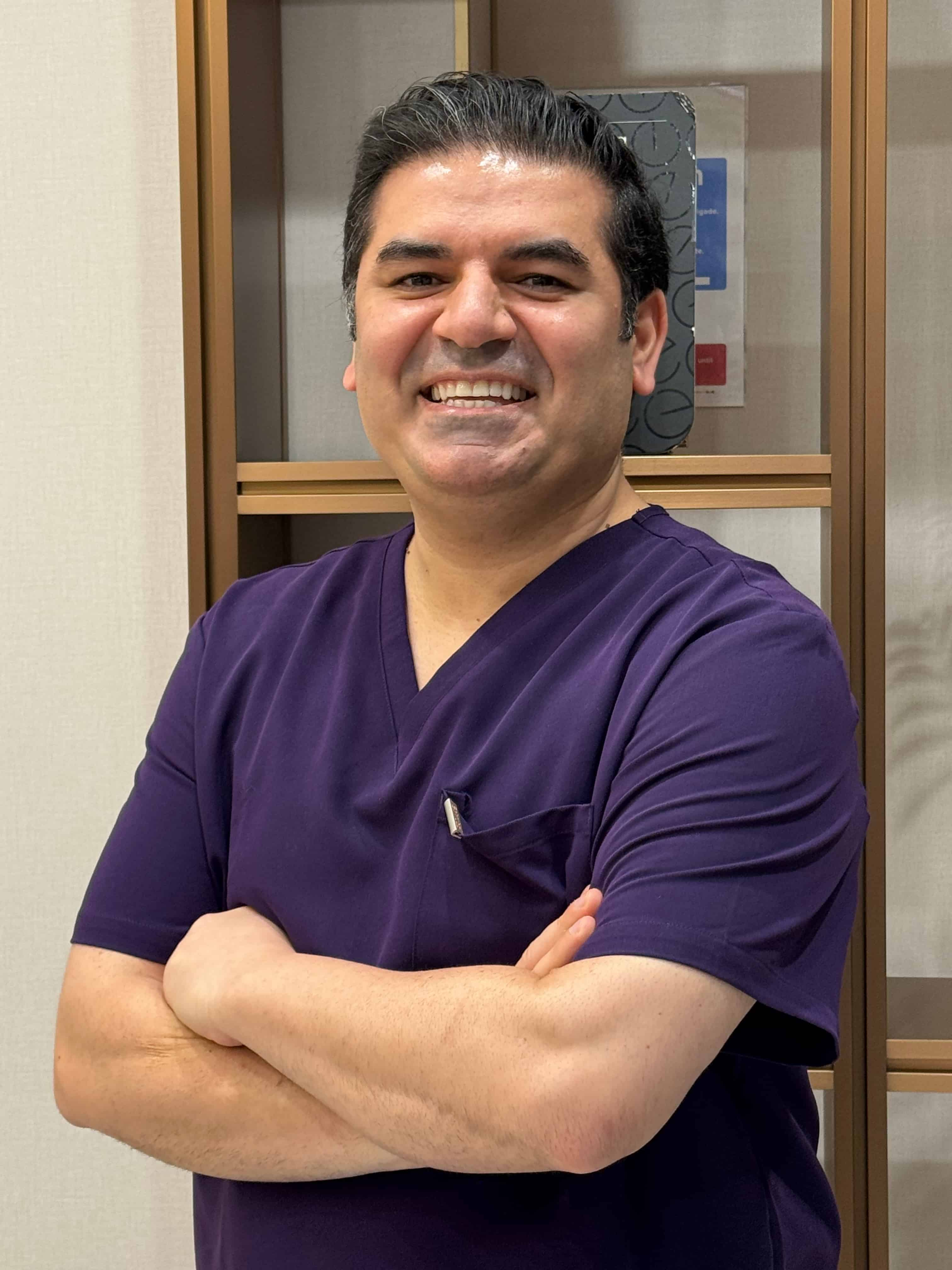
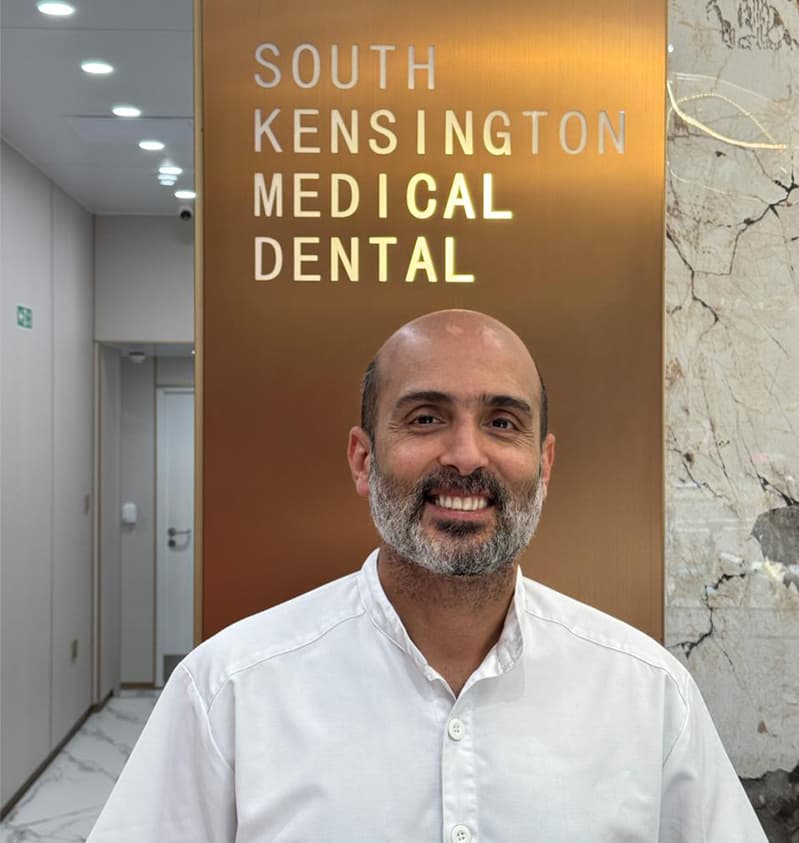
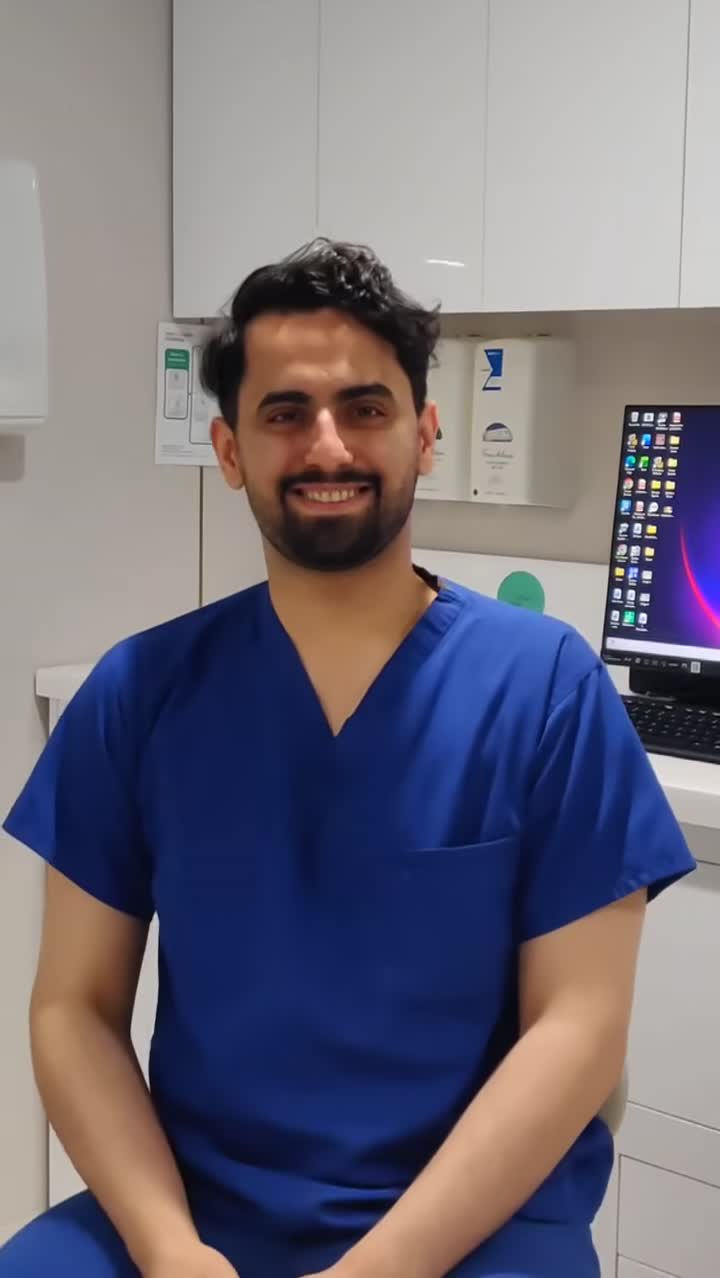
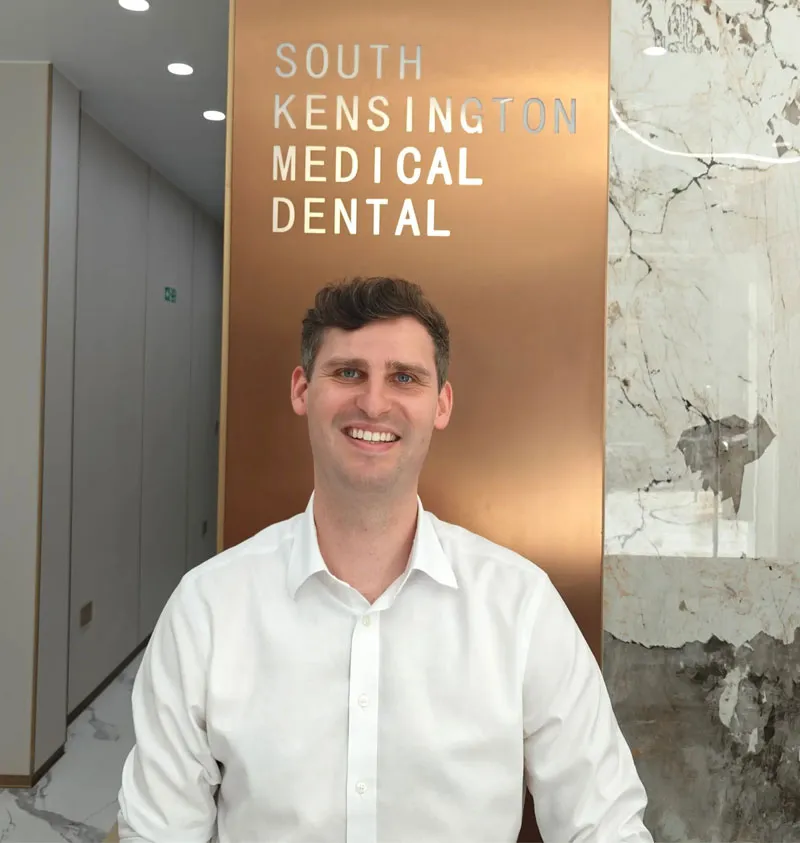
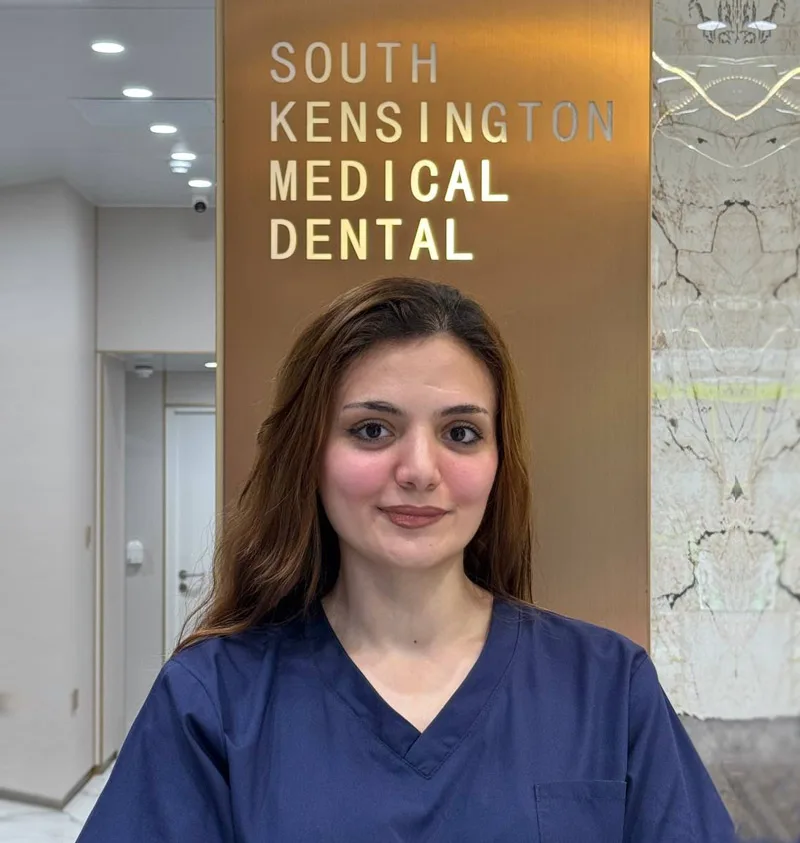
Meet Our Dental Team
Our experienced dental team is fully qualified and registered with the GDC, delivering safe, high-quality care in line with the highest professional standards.
Because our patients deserve nothing less.









Registered. Regulated. Trusted.
At South Kensington Medical & Dental, we are fully registered with the Care Quality Commission (CQC) and our clinicians are registered with the relevant UK regulatory bodies, including the GDC and GMC. Our dentists, dental nurses and medical professionals deliver care that meets the highest clinical, safety and ethical standards, because our patients deserve nothing less.



We Accept All Major Dental & Health Insurances
We work with all major UK insurers including Bupa, AXA Health, Aviva, Cigna, Vitality, WPA, Unum and Boots Dental Plan. We'll provide the receipts and paperwork you need to claim back your treatment costs.










