Missing a tooth? Book a restorative consultation.
Missing Tooth: Replacement Options and When to Consider Restorative Treatment
South Kensington, London
A missing tooth — whether the result of decay, gum disease, trauma, or extraction — can affect chewing function, appearance, and the alignment of the surrounding teeth over time. The visible gap in teeth may also influence how the bite comes together and, in some cases, lead to gradual changes in jaw structure. Several tooth replacement options are available, including dental implant for missing tooth, dental bridge for missing tooth, and partial denture solutions. The most suitable approach depends on the location of the gap, the condition of the neighbouring teeth, bone support, and individual clinical factors. At our South Kensington dental practice, our team provides structured restorative assessments to evaluate each patient’s situation and discuss replacement options tailored to their needs.
Tooth Replacement Consultation
Implants, bridges and denture options assessed
- Gap area examination
- Neighbouring teeth assessment
- Gum health evaluation
- Bite relationship review
- Personalised treatment discussion
What Happens When a Tooth Is Missing?
A missing tooth may result from decay, advanced gum disease, trauma, or a planned extraction. Regardless of the cause, the absence of a tooth initiates a series of gradual changes in the surrounding dental structures. The impact varies depending on the location of the missing tooth, the number of teeth affected, and individual clinical factors.
Visible Gap and Functional Changes
The most immediate effect of a missing tooth is the visible gap in teeth. Depending on the tooth’s location, this may affect the appearance of the smile and reduce chewing efficiency — particularly if a back tooth used for grinding food is lost.
Neighbouring Teeth May Shift
Over time, the teeth adjacent to the gap may begin to drift or tilt into the empty space. This gradual movement can alter the alignment of the surrounding teeth and may affect how the upper and lower teeth come together.
Opposing Teeth May Over-Erupt
The tooth directly opposite the gap — in the opposing jaw — may gradually move downward (or upward, for lower teeth) into the space, as it no longer has a counterpart to bite against. This can affect bite balance and may create new functional concerns.
Bone Changes
The jawbone in the area of the missing tooth may gradually reduce in volume over time, as it no longer receives the stimulation that the tooth root previously provided. The rate and extent of this change varies between individuals.
Understanding these potential changes can help inform the decision about whether and when to replace a missing tooth. Explore other restorative concerns we assess or read on to learn about the available replacement options.
Why Consider Replacing a Missing Tooth?
While the decision to replace a missing tooth is personal, there are several clinical reasons why replacement may be beneficial.
Restoring Chewing Function
Replacing a missing tooth helps restore the ability to chew food effectively, distributing biting forces more evenly across the dental arch. This can improve comfort during meals and support better nutrition.
Preventing Tooth Movement
A replacement tooth helps maintain the position of the neighbouring and opposing teeth, reducing the risk of misalignment that can develop when a gap is left open over an extended period.
Supporting Jawbone Structure
Certain replacement options — particularly dental implants — provide ongoing stimulation to the jawbone, which may help maintain bone volume in the area of the missing tooth.
Maintaining Bite Balance
Replacing a missing tooth helps preserve the way the upper and lower teeth meet, supporting a balanced bite and reducing the risk of uneven wear or strain on the remaining teeth.
Tooth Replacement Options
The most appropriate way to replace a missing tooth depends on the clinical situation, the condition of the surrounding teeth, and the patient’s preferences.
Dental Implant
A dental implant replaces both the root and the crown of a missing tooth. A biocompatible titanium post is placed into the jawbone, where it integrates with the surrounding bone over a healing period. A custom-made crown is then fitted on top, providing a restoration that functions and appears similar to a natural tooth. Implants do not require preparation of adjacent teeth and can help preserve bone in the area of the missing tooth.
Suitability depends on bone quality, medical history, and clinical assessment. Not all patients are candidates for implant placement.
Learn more about our dental implant servicesDental Bridge
A dental bridge replaces a missing tooth by anchoring an artificial tooth (pontic) to the teeth on either side of the gap. The adjacent teeth are prepared to receive crowns, which support the replacement tooth between them. A bridge may be particularly suitable when the neighbouring teeth already require crowns or have existing restorations.
Preparation of adjacent teeth is required, which involves removing some natural tooth structure. Your dentist will discuss whether this approach is appropriate for your situation.
Learn more about our dental bridge optionsPartial Denture
A removable partial denture replaces one or more missing teeth using an appliance that clips onto the remaining natural teeth. Partial dentures are available in different materials — including acrylic, chrome cobalt, and flexible options — and may be suitable when multiple teeth are missing or when fixed options are not clinically appropriate.
Comfort and stability vary depending on the design, the number of remaining teeth, and how well the denture is maintained. Regular review helps ensure ongoing fit.
Learn more about our denture optionsConsidering Tooth Replacement?
If you have a missing tooth and would like to explore replacement options, a restorative consultation can help assess your oral health and discuss suitable solutions. Book a consultation at our South Kensington dental clinic for a personalised treatment discussion.
How Dentists Assess Tooth Replacement Options
When you attend our practice to discuss a missing tooth, our general dentistry team carries out a structured evaluation to determine the most suitable replacement approach.
Examination of the gap area — assessing the gum tissue, bone contour, and space available for a replacement
Assessment of neighbouring teeth — checking the condition, alignment, and suitability of adjacent teeth for supporting a bridge or other restoration
Evaluation of gum health — screening for periodontal disease that may need to be addressed before restorative treatment
Review of bite relationship — analysing how the upper and lower teeth come together to ensure the replacement will function comfortably
Radiographs or digital scans where clinically indicated — to assess bone levels, root structures, and plan treatment with precision
Suitability for each replacement option depends on the clinical findings. Your dentist will discuss the advantages and limitations of each approach as they apply to your situation.
Factors That Influence Treatment Choice
Several clinical and personal factors are considered when determining the most suitable tooth replacement options for each patient.
Location of the missing tooth
Front teeth may have greater aesthetic considerations, while back teeth bear greater chewing forces.
Number of missing teeth
A single gap, multiple gaps, or a full arch each require different restorative approaches.
Bone support
Adequate bone volume is needed for implant placement. Where bone has been lost, additional procedures may be discussed.
Oral hygiene status
Good oral hygiene supports the long-term success of any replacement option.
Long-term maintenance
Each option has different maintenance requirements — from cleaning under bridges to denture care routines.
Personal preference
Patient comfort, lifestyle, and aesthetic priorities are all considered in the treatment discussion.
What Happens If a Missing Tooth Is Not Replaced?
Choosing not to replace a missing tooth is a personal decision, and not all gaps require immediate intervention. However, being aware of the potential changes can help inform the decision:
Neighbouring teeth may gradually drift into the gap, altering alignment
The opposing tooth may over-erupt into the space
Bite changes may occur, potentially affecting chewing efficiency
Bone volume in the gap area may reduce over time
These changes are not guaranteed to occur in every case and may develop gradually. A dental consultation can help evaluate your specific situation and discuss whether replacement is recommended.
Frequently Asked Questions
About missing tooth replacement and restorative options
Book a Restorative Assessment in South Kensington
A missing tooth can affect both function and alignment, but several restorative options may be available depending on your clinical situation.
Our dental team in South Kensington provides structured restorative assessments and personalised treatment planning for implants, bridges, or dentures where appropriate. Book your appointment to have your replacement options assessed and discuss suitable next steps.
Open Monday–Sunday • 2 mins from South Kensington tube
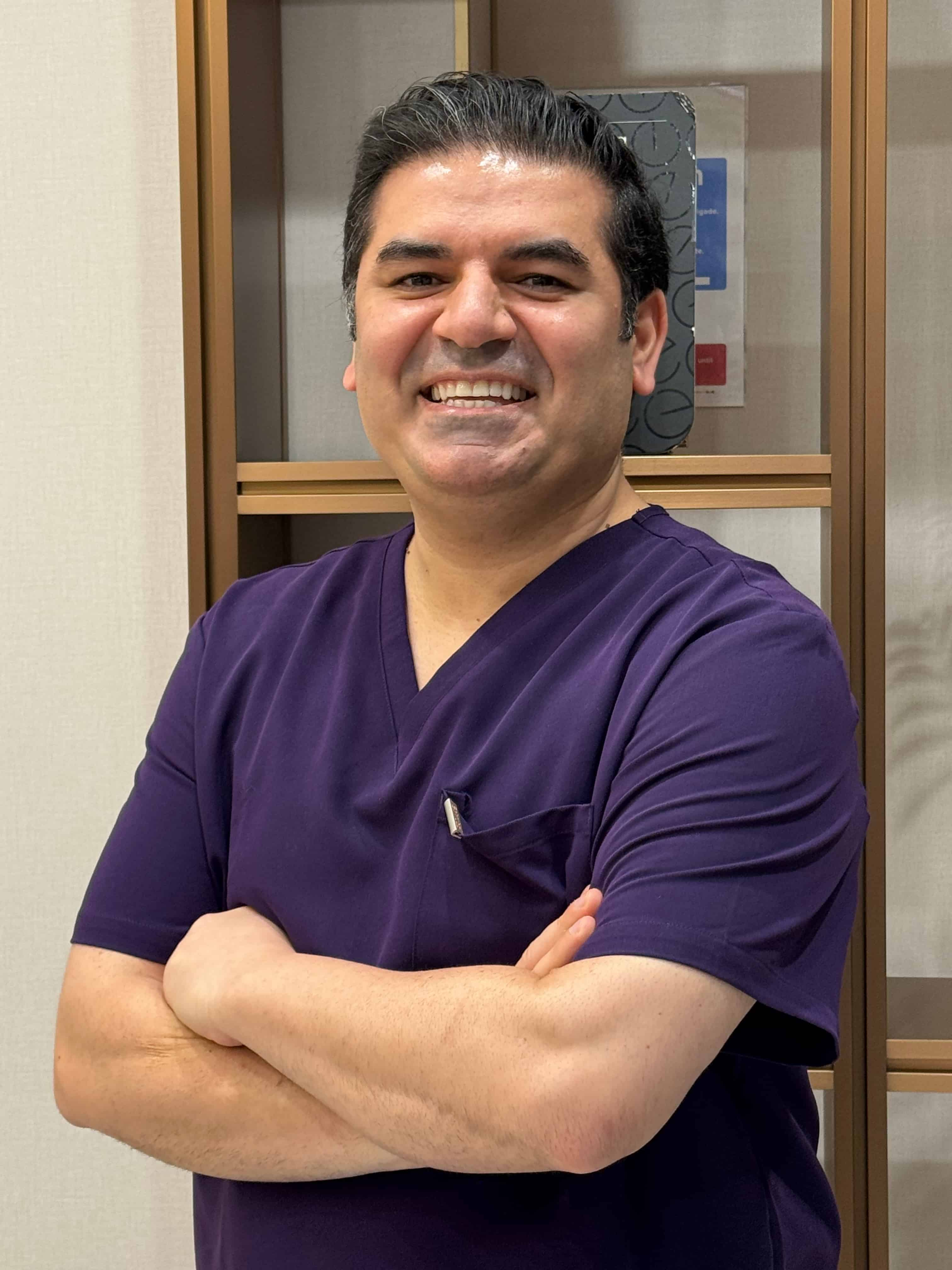
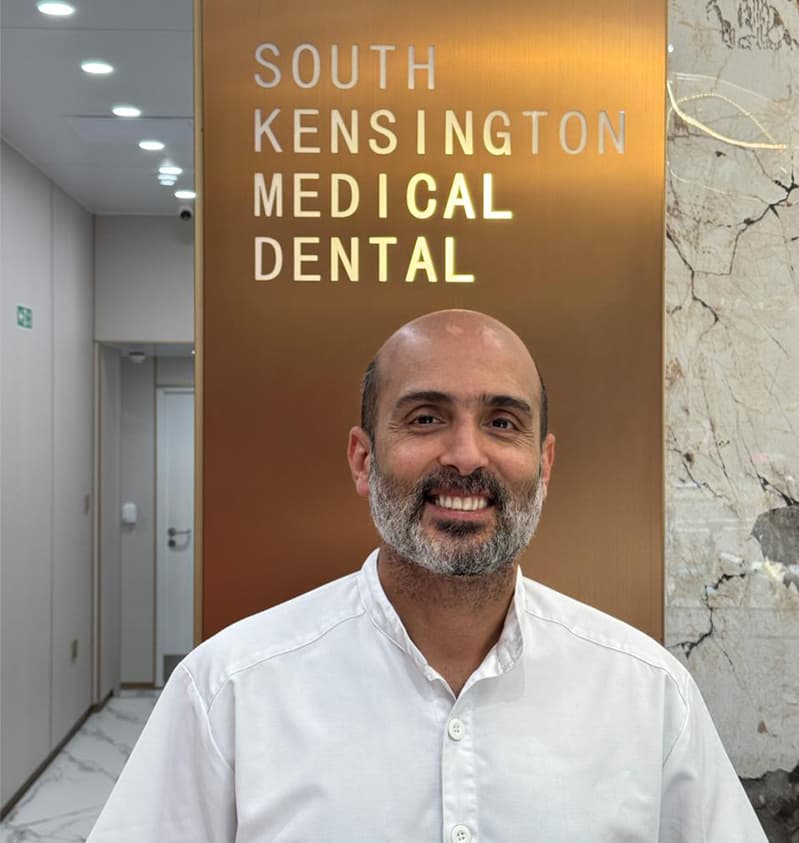
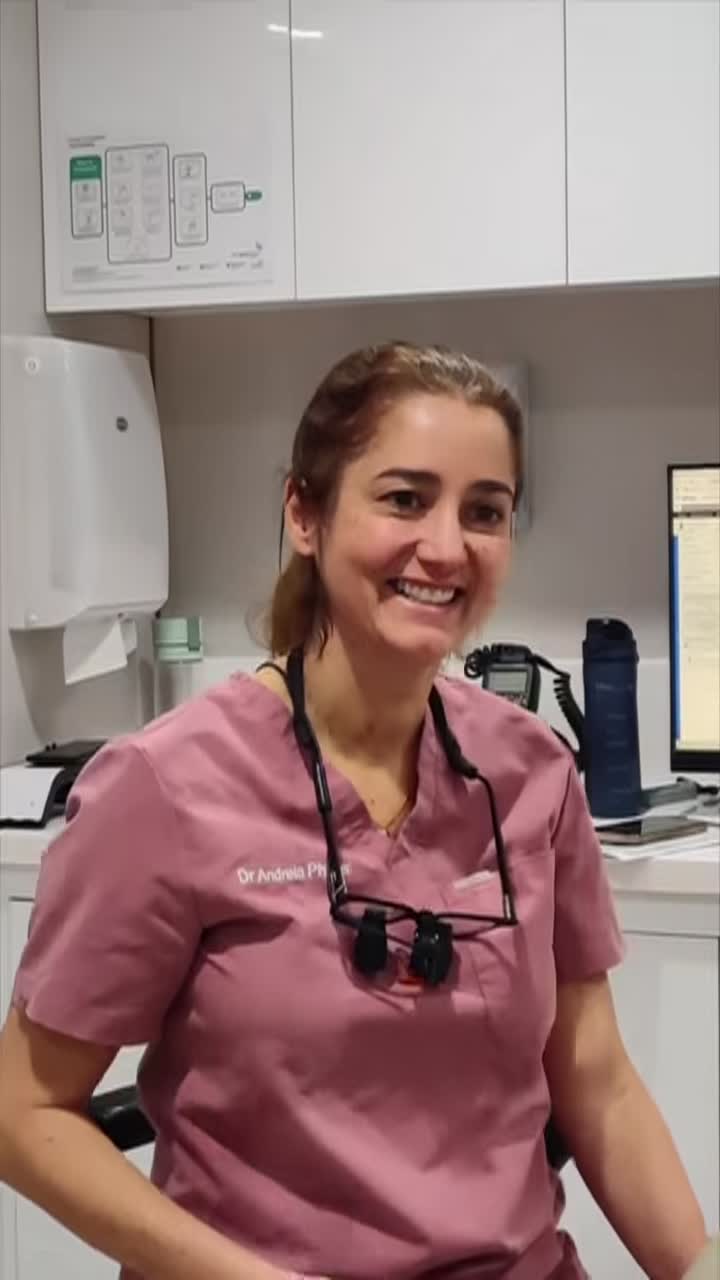
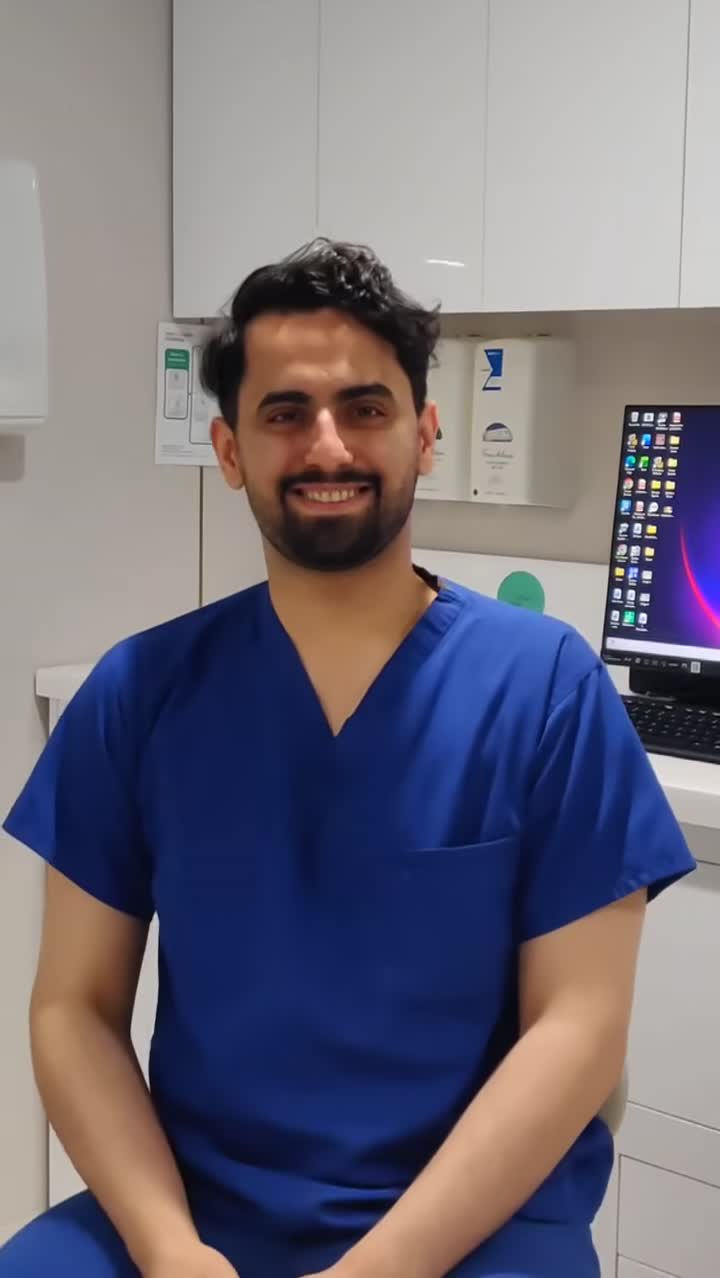
Meet Our Dental Team
Our experienced dental team is fully qualified and registered with the GDC, delivering safe, high-quality care in line with the highest professional standards.
Because our patients deserve nothing less.







Registered. Regulated. Trusted.
At South Kensington Medical & Dental, we are fully registered with the Care Quality Commission (CQC) and our clinicians are registered with the relevant UK regulatory bodies, including the GDC and GMC. Our dentists, dental nurses and medical professionals deliver care that meets the highest clinical, safety and ethical standards, because our patients deserve nothing less.

We Accept All Major Dental & Health Insurances
We work with all major UK insurers including Bupa, AXA Health, Aviva, Cigna, Vitality, WPA, Unum and Boots Dental Plan. We'll provide the receipts and paperwork you need to claim back your treatment costs.










