Loose denture or sore spots? Book a denture review.
Loose Denture or Denture Sores: Assessment and Adjustment Options
South Kensington, London
A loose denture or the development of denture sores can significantly affect comfort, eating, and confidence. Over time, natural changes in the jawbone and gum tissue may alter how a denture sits, leading to ill fitting dentures that move, rub, or create pressure points. Whether your denture has become gradually less stable or you are experiencing new areas of denture pain, a structured review can help assess the fit, identify sore spots, and discuss adjustment or replacement options. At our South Kensington dental practice, our team provides denture assessments to evaluate stability and comfort and to recommend appropriate management.
Denture Fit Review
Structured assessment of stability and comfort
- Gum tissue examination
- Sore spot identification
- Denture stability assessment
- Occlusion and base check
- Adjustment or reline discussion
Why Do Dentures Become Loose?
A loose denture is a common occurrence over time and does not necessarily indicate a problem with the original denture construction. The mouth is not static — the jawbone and gum tissue continue to change shape throughout life, particularly after teeth have been removed. These changes can gradually affect the fit, retention, and comfort of a denture.
Jawbone Resorption
After teeth are removed, the underlying jawbone gradually remodels and reduces in volume — a process known as bone resorption. This is a natural occurrence, but it means the ridge that supports the denture changes shape over time, which can reduce how securely the denture fits.
Gum Tissue Changes
The soft tissue beneath the denture can change in thickness and contour due to ageing, general health changes, or weight fluctuation. These changes may create gaps between the denture base and the gum, reducing suction and stability.
Denture Base Wear
The acrylic or other materials used in denture construction can wear, warp, or become less precise over time with daily use. This gradual deterioration may affect how evenly the denture contacts the gum and alter its overall stability.
Because these changes occur gradually, a loose denture may develop slowly before becoming noticeable. Regular dental reviews help monitor fit over time. Explore other restorative concerns we assess or read on to understand the symptoms and management options.
Common Symptoms of Ill-Fitting Dentures
The following symptoms may indicate that a denture review would be beneficial. A clinical assessment is needed to confirm the contributing factors.
Movement During Speaking or Eating
- Denture slipping or rocking during speech
- Denture lifting or shifting when eating
- A sense of insecurity when laughing or yawning
Denture Pain
- Localised pressure points on the gums beneath the denture
- A dull ache that develops after wearing the denture for extended periods
Denture Sores
- Red, inflamed areas where the denture edge contacts the gum
- Ulcerated or broken skin beneath or around the denture
- Persistent tenderness that worsens with continued wear
Difficulty Chewing
- Reduced stability when biting into firmer foods
- Uneven chewing due to denture imbalance
- Avoidance of certain foods due to discomfort
Denture sore spots may worsen if not assessed professionally. Early review often allows simpler and more conservative management.
What Causes Denture Sore Spots?
Denture sore spots develop when specific areas of the denture create excessive pressure or friction against the gum tissue. Several factors may contribute.
Ill-Fitting Denture Base
If the denture no longer conforms closely to the gum ridge, certain areas may bear disproportionate pressure during function, creating localised sore spots.
Changes in Gum Contour
As the gum tissue changes shape — through bone resorption, healing, or general tissue change — previously comfortable areas of the denture may begin to cause irritation.
Food Debris Beneath the Denture
Small food particles trapped between the denture and the gum can create friction and pressure points, contributing to localised soreness.
Cracked or Warped Denture Base
A hairline crack or warping of the denture base — which may not always be visible — can alter how the denture sits and create new pressure areas that lead to denture sore spots.
Wearing Dentures Overnight
Continuous wear without allowing the gum tissue to rest can increase the risk of irritation, soreness, and fungal infections such as denture stomatitis. Removing dentures at night is generally recommended.
How Dentists Assess a Loose Denture
When you attend our practice with concerns about a loose denture or denture sores, our general dentistry team carries out a structured evaluation. Adjustment recommendations are based on the clinical findings.
Examination of gum tissues for signs of irritation, ulceration, or infection
Identification and mapping of specific sore areas
Assessment of denture stability, retention, and fit on the ridge
Checking the denture base for cracks, wear, or distortion
Occlusal review — how the upper and lower dentures or remaining teeth come together
Review of denture hygiene practices and wearing habits
The assessment guides a personalised discussion about the most appropriate management — whether that is a minor adjustment, a reline, or a replacement denture.
Loose Denture or Sore Spots?
If your denture feels loose or you are experiencing sore spots, a denture review can help assess fit and comfort. Book a consultation at our South Kensington clinic for a structured denture assessment.
Denture Adjustment Options
The most suitable approach to managing ill fitting dentures depends on the cause and extent of the fit change. Options discussed following assessment may include:
Minor Adjustment
For localised sore spots or pressure points, your dentist may smooth or adjust specific areas of the denture base to relieve pressure. This is a conservative approach that can often be completed in a single visit and may significantly improve comfort.
Denture Reline
Where the gum contour has changed but the denture structure remains sound, a reline involves adding new material to the fitting surface of the denture to improve its contact with the gum. This can help restore stability and reduce the risk of dentures rubbing gums.
Denture Replacement
In cases of significant wear, structural damage, or where the fit has deteriorated beyond what a reline can address, a new denture may be discussed. Replacement dentures are made to reflect the current anatomy of the jaw and gums, providing improved stability and comfort.
Our denture services page provides further detail on the types of dentures available and the process involved in new denture provision. Your dentist will discuss the most appropriate option based on your clinical findings and individual needs.
Managing Denture Sore Spots at Home (Short-Term)
While a professional review is recommended for persistent or worsening sore spots, the following measures may help manage discomfort in the short term:
Remove dentures at night
Allowing the gum tissue to rest overnight helps reduce irritation and supports tissue recovery.
Rinse mouth with warm saltwater
A gentle saltwater rinse can help soothe irritated gum tissue and maintain cleanliness around sore areas.
Avoid continuous wear if painful
If denture sores are causing significant discomfort, limiting wear where possible until a professional review can take place may help prevent worsening.
Keep dentures clean
Clean dentures daily with a denture brush and appropriate cleaning solution. Avoid using abrasive toothpaste, which can scratch the denture surface.
These measures are supportive and short-term. Persistent denture sores should be assessed by a dental professional to identify and address the underlying cause.
Can Loose Dentures Be Prevented?
While the natural changes in jawbone and gum tissue that affect denture fit cannot be entirely prevented, several measures can help maintain comfort and reduce the likelihood of significant problems developing:
Attending regular dental reviews allows your dentist to monitor denture fit and identify early signs of loosening or tissue irritation before symptoms develop.
Maintaining good oral and denture hygiene supports gum health and reduces the risk of infections that can contribute to soreness.
Dentures may need periodic denture adjustment — such as a reline or minor modification — as the mouth changes over time. This is a normal part of denture maintenance.
Our dental hygienist service can support your preventive care plan, including monitoring gum health and providing guidance on denture cleaning and maintenance.
When Should You Arrange a Denture Review?
Consider booking a denture assessment if you notice any of the following:
Your denture feels noticeably unstable or moves during eating or speaking
Sore spots persist beyond a few days despite resting the tissue
Eating becomes uncomfortable or you are avoiding foods due to denture instability
You notice redness, ulceration, or swelling beneath the denture
Your speech is affected by denture movement
If you are experiencing severe denture pain, signs of infection such as significant swelling, or difficulty eating or drinking, our emergency dental team can provide prompt assessment.
Frequently Asked Questions
About loose dentures, sore spots, and denture adjustment
Book a Denture Review in South Kensington
Loose dentures and sore spots are common and often manageable with professional denture adjustment.
Our dental team in South Kensington provides structured denture assessments and personalised adjustment options to improve comfort and stability. Book your appointment to have your dentures reviewed and discuss suitable next steps.
Open Monday–Sunday • 2 mins from South Kensington tube
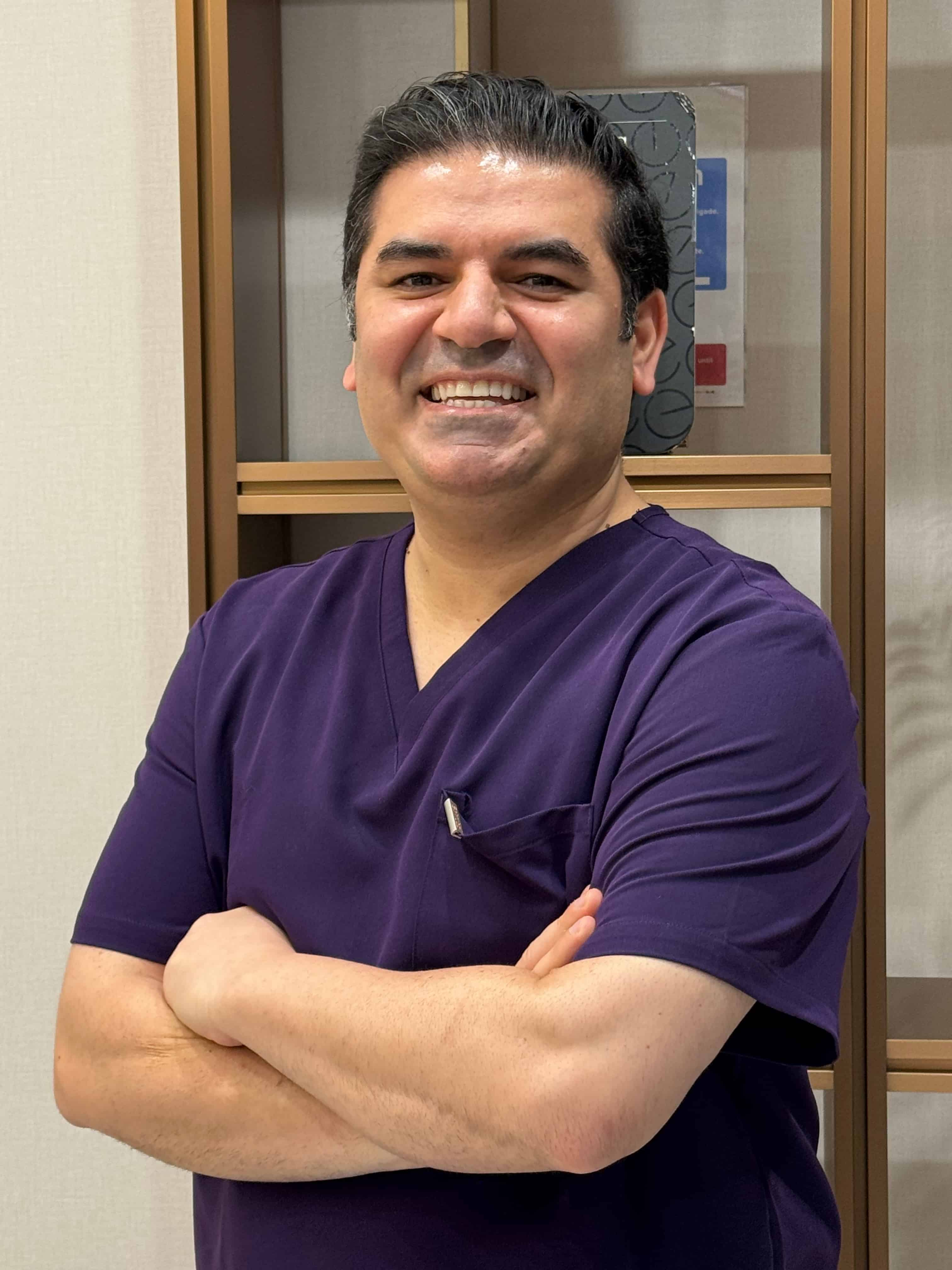
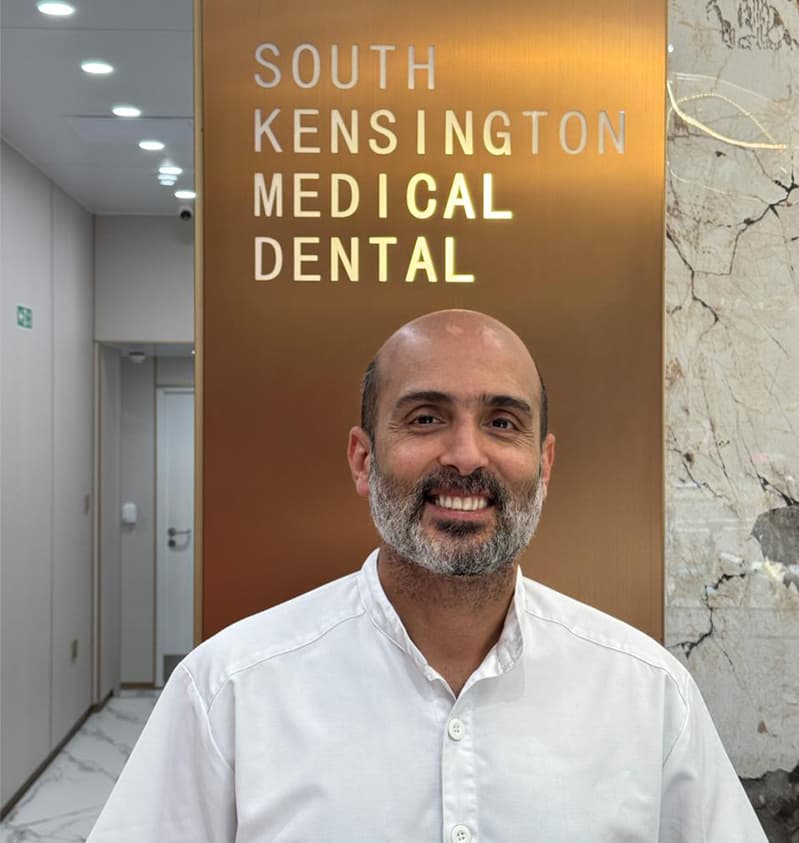
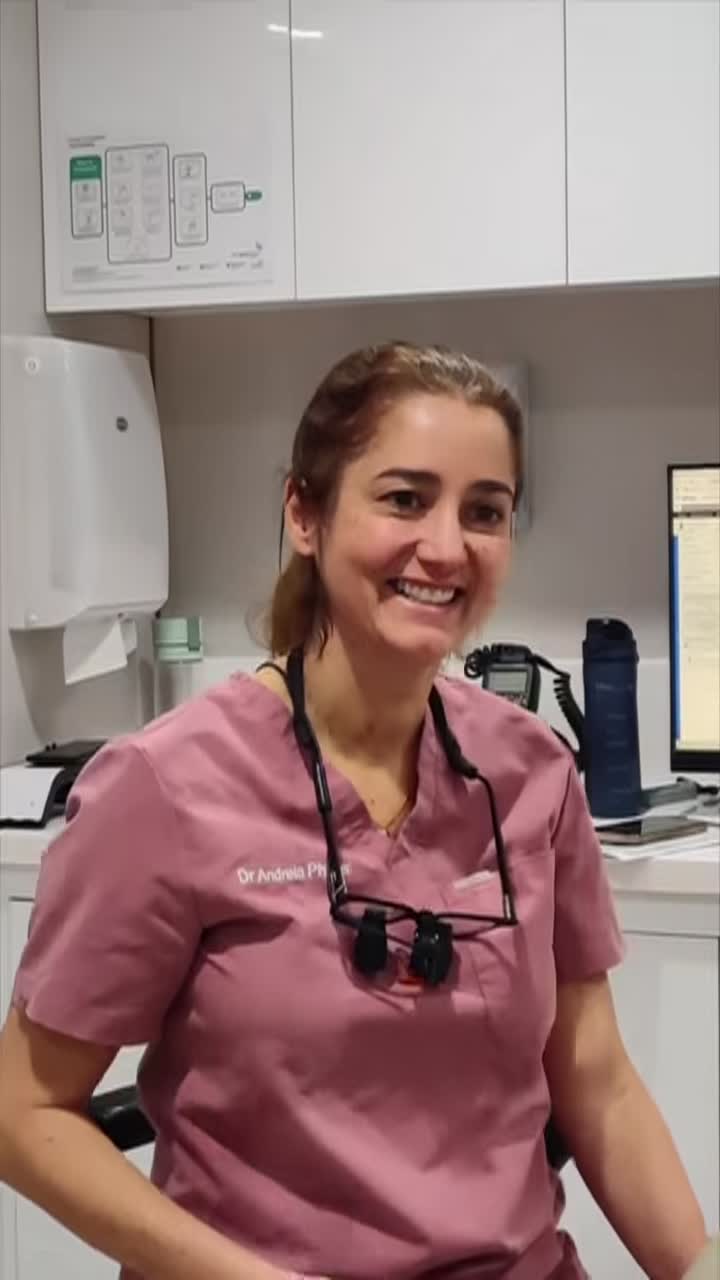
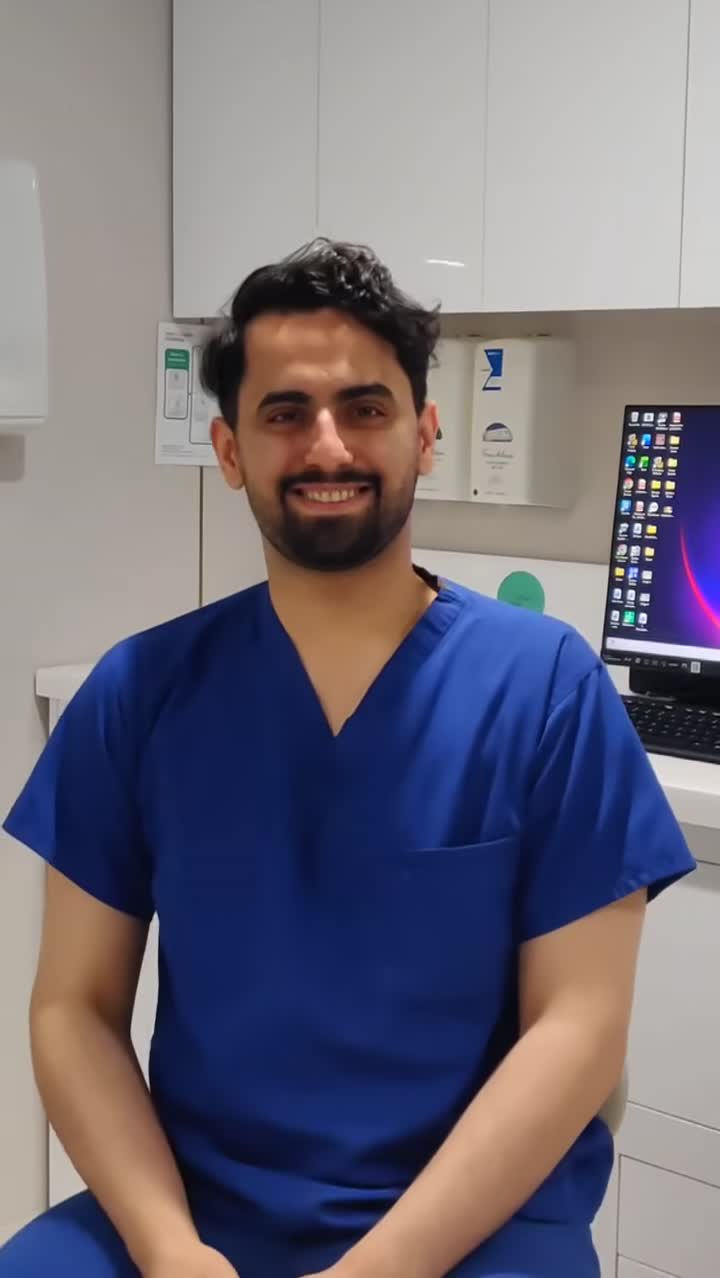
Meet Our Dental Team
Our experienced dental team is fully qualified and registered with the GDC, delivering safe, high-quality care in line with the highest professional standards.
Because our patients deserve nothing less.







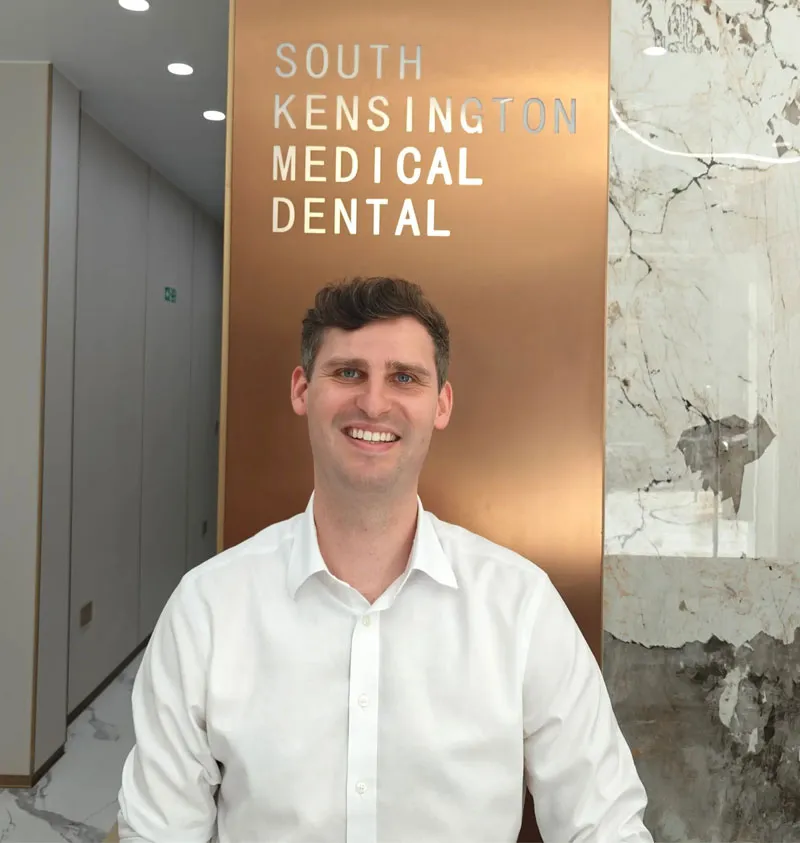
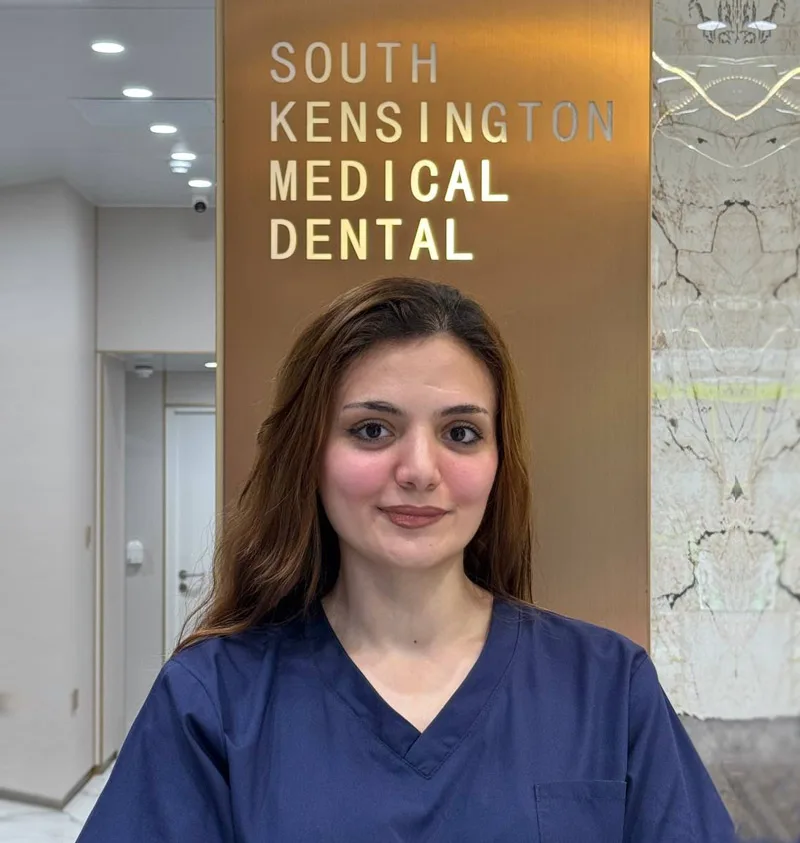

Registered. Regulated. Trusted.
At South Kensington Medical & Dental, we are fully registered with the Care Quality Commission (CQC) and our clinicians are registered with the relevant UK regulatory bodies, including the GDC and GMC. Our dentists, dental nurses and medical professionals deliver care that meets the highest clinical, safety and ethical standards, because our patients deserve nothing less.



We Accept All Major Dental & Health Insurances
We work with all major UK insurers including Bupa, AXA Health, Aviva, Cigna, Vitality, WPA, Unum and Boots Dental Plan. We'll provide the receipts and paperwork you need to claim back your treatment costs.










