Pain around one tooth? Book a dental assessment.
Gum Pain Around One Tooth
South Kensington, London
Gum pain around one tooth is a common dental concern that often indicates a localised issue rather than widespread gum disease. The discomfort may range from mild tenderness when brushing to persistent throbbing that affects daily activities. Possible causes include trapped food or plaque build-up, a localised gum infection, early periodontal pocket formation, a cracked or decayed tooth, or a developing dental abscess. Because the cause can vary significantly, a clinical examination is the most reliable way to determine what is responsible and guide appropriate management. At our South Kensington dental practice, our dentists provide careful clinical assessments to identify the source of localised gum pain and discuss suitable treatment options.
Explore the full range of the dental conditions we assess and treat or read on to understand what may be causing localised gum discomfort and when to seek professional advice.
Gum Pain Around One Tooth?
Let us examine the area and identify the cause
- Targeted clinical examination
- Periodontal probing assessment
- Decay & crack evaluation
- X-rays where indicated
- Personalised treatment plan
Why Is There Gum Pain Around Just One Tooth?
When gum pain is limited to one specific area rather than affecting the entire mouth, it typically suggests a localised issue affecting that particular tooth or the surrounding tissue. This is distinct from generalised gum disease, which tends to affect multiple areas of the mouth simultaneously.
There are several possible reasons why you may be experiencing a sore gum around one tooth. Only a clinical examination can determine the exact cause, but common possibilities include:
Common Symptoms Associated with Gum Pain Around One Tooth
The nature and severity of symptoms can help guide the clinical assessment, though symptoms alone cannot confirm a diagnosis.
Signs of Localised Gum Inflammation
- Tenderness when brushing or flossing the area
- Bleeding from one specific area of the gums
- Mild swelling or puffiness around the affected tooth
- Gum pain around one tooth when pressed with a finger or tongue
Signs That May Suggest Infection or Abscess
- Persistent throbbing discomfort that does not settle
- Noticeable swelling of the gum tissue around the tooth
- A bad taste in the mouth, sometimes metallic or unpleasant
- Pus discharge from the gum near the tooth
- Increased sensitivity to pressure or biting
- Symptoms sometimes described as abscessed tooth symptoms
These symptoms can overlap between different conditions. Professional assessment is required to confirm a diagnosis and determine appropriate treatment.
What Is a Dental Abscess?
A dental abscess is a localised collection of pus caused by a bacterial infection. It can develop in different locations: a periapical abscess forms at the tip of the tooth root, while a periodontal abscess occurs within the gum tissue alongside the tooth. Both types can cause significant pain, swelling, and discomfort.
Abscesses typically develop when bacteria enter through untreated decay, cracks in the tooth, or deep gum pockets. The infection can accumulate gradually, and tooth abscess signs may include throbbing pain, localised swelling, a bad taste, and sensitivity to pressure.
Dental infections generally require professional treatment and should not be self-managed. Depending on the type and severity, treatment may involve drainage of the abscess, root canal treatment if the tooth nerve is involved, or management of periodontal disease if the abscess originates from a gum pocket. If you are experiencing severe or rapidly worsening symptoms, our emergency dentist service is available for prompt assessment.
Could It Be Gum Disease?
Pain in gum around one tooth can sometimes indicate early localised periodontitis — a form of gum disease that may initially affect only one or two sites before potentially spreading to other areas. This typically develops when plaque and calculus (hardened plaque) accumulate around a specific tooth, leading to deepened gum pockets and localised inflammation.
In the early stages, the symptoms may be subtle — mild tenderness, occasional bleeding, or a slight change in gum colour around the affected tooth. Without professional intervention, the pocket may deepen and the supporting bone may begin to be affected.
Early hygiene intervention is key. Our dental hygienist team can provide targeted cleaning to remove plaque and calculus from the affected area, and our dentists can assess whether deeper periodontal therapy is needed to manage any pocket formation.
Persistent Gum Pain Around One Tooth?
If you are experiencing persistent gum pain around one tooth, a dental assessment can help clarify whether the cause is local irritation, gum inflammation, or a developing infection. Book a consultation at our South Kensington clinic to have the area carefully examined and discuss appropriate next steps.
How Dentists Assess Localised Gum Pain
When you attend our practice with gum pain around one tooth, our dentists carry out a focused clinical assessment. The process typically includes:
Visual examination of the gum tissue, tooth surfaces, and surrounding area
Gentle periodontal probing to measure pocket depth and check for bleeding
Checking for cracks, fractures, or signs of decay on the affected tooth
Sensitivity and vitality testing to assess the health of the tooth nerve
X-rays where clinically indicated to evaluate root structures and bone support
Treatment recommendations are based entirely on clinical findings. Your dentist will discuss the results with you and outline appropriate options before any treatment begins.
Treatment Options (Depending on Diagnosis)
The appropriate treatment depends on what is identified during assessment. Common approaches include:
Professional Cleaning
If localised plaque or calculus build-up is contributing to gum irritation, professional cleaning can remove deposits from the area and help reduce inflammation. This is often the first step for plaque-related gum pain.
Deep Cleaning (Periodontal Therapy)
If a deepened gum pocket is identified around the affected tooth, targeted periodontal therapy may be recommended to clean beneath the gumline and help the tissue heal and reattach.
Antibiotics
Antibiotics may be prescribed when clinically appropriate — for example, if there is evidence of active infection that requires antimicrobial support alongside other treatment. They are not routinely prescribed for all cases of gum pain.
Drainage of Abscess
If a dental abscess is confirmed during examination, the dentist may drain the collection of infection to relieve pressure and discomfort. This is typically followed by further treatment to address the underlying cause.
Root Canal Treatment
If the infection has reached the pulp (nerve) inside the tooth, root canal treatment may be recommended to remove the infected tissue, clean the root canal system, and seal the tooth to prevent reinfection.
Treatment outcomes depend on the specific diagnosis and individual circumstances. Your dentist will discuss realistic expectations during your consultation.
When Should You Seek Prompt Dental Assessment?
While many cases of localised gum pain can be assessed during a routine appointment, seek timely dental advice if you notice any of the following:
Increasing swelling around the affected tooth or jaw
Facial swelling that spreads beyond the gumline
Fever or feeling generally unwell
Difficulty swallowing or opening the mouth
Severe or worsening pain that does not respond to over-the-counter relief
If symptoms become more intense or spread, consider contacting our emergency dentist in London for prompt assessment and guidance.
Can Gum Pain Around One Tooth Resolve on Its Own?
Mild gum irritation — such as that caused by temporary food impaction or a brief episode of overly vigorous brushing — may settle on its own within a few days once the irritant is removed and good oral hygiene is maintained.
However, if the pain is caused by a localised infection, a deepened gum pocket, or an underlying issue such as decay or a crack, it is unlikely to resolve without professional treatment. In these cases, delaying assessment may allow the condition to progress, potentially making treatment more complex.
If gum pain around one tooth persists for more than a few days or is accompanied by swelling, bleeding, or a bad taste, a dental assessment is recommended to identify the cause and determine appropriate management.
Preventing Localised Gum Problems
Many cases of localised gum pain can be prevented or identified early with consistent oral hygiene and regular professional care:
Brush twice daily with fluoride toothpaste
Use a soft-bristled toothbrush and gentle technique to clean all surfaces without traumatising the gum tissue.
Use interdental cleaning tools
Interdental brushes or floss help remove plaque and food debris from between teeth — areas where localised gum problems often begin.
Avoid aggressive brushing
Excessive pressure or a hard-bristled toothbrush can damage gum tissue and cause localised soreness or recession.
Attend regular hygiene appointments
Professional cleaning helps manage plaque in areas that daily brushing may miss and allows your hygienist to monitor gum health over time.
Schedule routine dental examinations
Regular check-ups allow early detection of decay, cracks, or gum changes before they develop into more significant problems.
Book dental hygienist appointments and routine dental check-ups at our South Kensington practice to support your long-term gum health.
Frequently Asked Questions
About gum pain around one tooth
Book a Gum Pain Assessment in South Kensington
Persistent gum pain around one tooth should be assessed to determine whether the cause is local inflammation, infection, or another underlying issue.
Our experienced dental team in South Kensington provides careful clinical examinations and personalised treatment planning. Book your appointment to have the area checked and receive appropriate advice.
Open Monday–Sunday • 2 mins from South Kensington tube
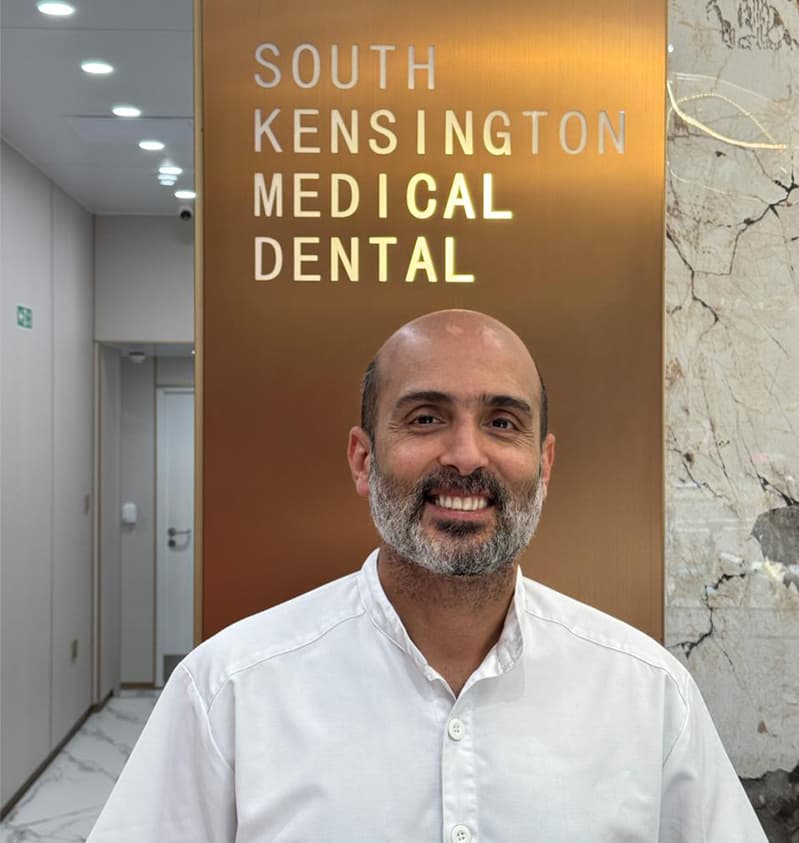
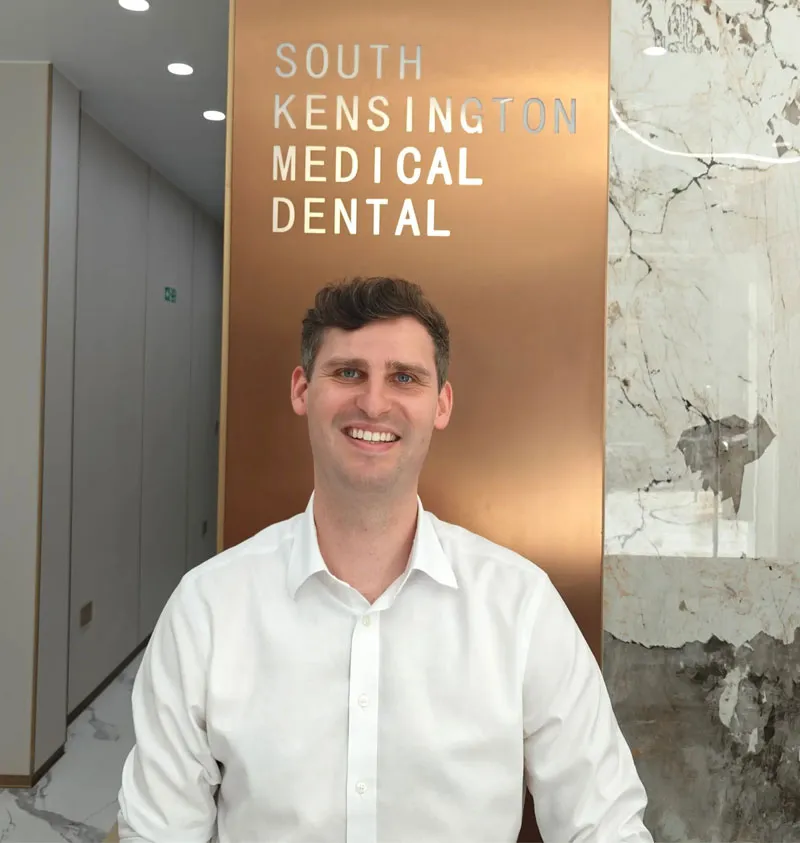
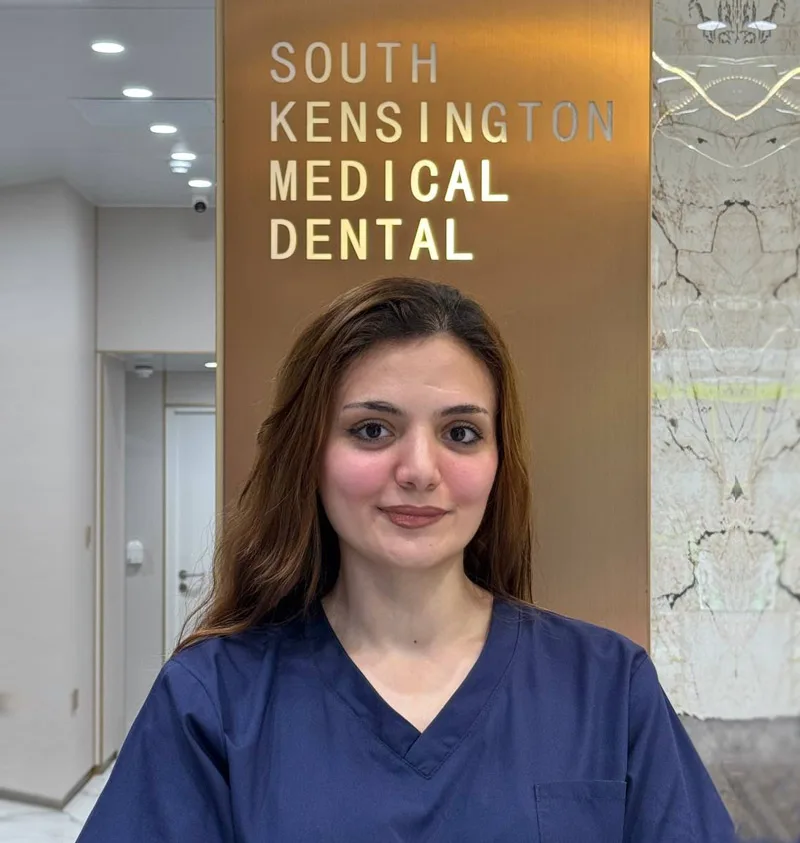
Meet Our Dental Team
Our experienced dental team is fully qualified and registered with the GDC, delivering safe, high-quality care in line with the highest professional standards.
Because our patients deserve nothing less.











Registered. Regulated. Trusted.
At South Kensington Medical & Dental, we are fully registered with the Care Quality Commission (CQC) and our clinicians are registered with the relevant UK regulatory bodies, including the GDC and GMC. Our dentists, dental nurses and medical professionals deliver care that meets the highest clinical, safety and ethical standards, because our patients deserve nothing less.


We Accept All Major Dental & Health Insurances
We work with all major UK insurers including Bupa, AXA Health, Aviva, Cigna, Vitality, WPA, Unum and Boots Dental Plan. We'll provide the receipts and paperwork you need to claim back your treatment costs.










