Bleeding or swollen gums? Book a gum health appointment.
Gingivitis (Bleeding Gums)
South Kensington, London
Gingivitis is the earliest stage of gum disease and one of the most common oral health conditions seen in UK dental practice. It occurs when plaque — a soft film of bacteria — builds up along the gumline and triggers inflammation, causing the gums to become red, swollen, and prone to bleeding when brushing or flossing. The good news is that gingivitis is generally manageable and, with appropriate professional care and consistent home hygiene, often reversible. At our South Kensington dental practice, our dentists provide thorough clinical gum assessments to identify the condition early and work with you on a personalised plan to restore and maintain healthy gums.
Explore the full range of dental conditions we treat or read on to understand what gingivitis is, how it develops, and how it can be managed.
Noticing Bleeding Gums?
Let us assess your gum health and create a personalised plan
- Clinical gum assessment
- Plaque & tartar evaluation
- Scale & polish if indicated
- Personalised hygiene plan
- Ongoing monitoring support
What Is Gingivitis?
Gingivitis is inflammation of the gum tissue (gingiva) caused primarily by the accumulation of bacterial plaque on the tooth surfaces and along the gumline. It is the earliest and most common form of gum disease and, importantly, it is the stage at which the condition is most responsive to treatment.
At this stage, the inflammation is confined to the soft gum tissue and does not yet affect the underlying bone that supports the teeth. This is a key distinction from periodontitis — a more advanced form of gum disease in which bone loss may occur. Because gingivitis has not yet caused structural damage, it is often reversible with professional cleaning and consistent home care.
Despite being common, gingivitis should not be dismissed. Without appropriate management it can progress, making early identification and treatment particularly valuable.
Common Signs and Symptoms
Gingivitis may present with one or more of the following signs. Because the condition is not always painful, it can develop without being immediately noticed:
These symptoms may vary in severity. A clinical examination provides the most reliable way to confirm whether gingivitis is present and assess its extent.
What Causes Gingivitis?
Several factors can contribute to the development of gingivitis. Understanding these can help with both prevention and management.
Plaque Build-Up
Plaque forms continuously on tooth surfaces and along the gumline. When it is not removed effectively through daily brushing and interdental cleaning, it hardens into tartar (calculus) and provides a persistent source of bacterial irritation to the gum tissue. This is the primary cause of gingivitis.
Inadequate Oral Hygiene
Inconsistent or ineffective brushing technique, skipping interdental cleaning, or not cleaning for long enough can leave plaque behind — particularly in difficult-to-reach areas between the teeth and along the gumline. Over time, this allows gum inflammation to develop.
Smoking
Smoking significantly increases the risk of developing gingivitis and gum disease. It reduces blood flow to the gums, impairs the body's immune response to bacterial plaque, and can mask symptoms such as bleeding — making early detection more difficult.
Hormonal Changes
Hormonal fluctuations during pregnancy, puberty, menstruation, or menopause can increase blood flow to the gums and heighten the inflammatory response to plaque. This can make the gums more susceptible to gingivitis even when oral hygiene is otherwise adequate.
Medical Conditions Affecting Gums
Certain systemic conditions — including diabetes and some immune disorders — can affect the body's ability to manage gum inflammation. Some medications may also reduce saliva flow or cause gum overgrowth, both of which can contribute to plaque accumulation and gum disease.
When Should You See a Dentist?
Consider booking a gum health appointment if you notice any of the following:
Bleeding persists beyond a few days
If your gums continue to bleed despite maintaining good oral hygiene, professional assessment is recommended to identify the underlying cause.
Gums appear swollen or feel tender
Persistent swelling or tenderness along the gumline can indicate ongoing inflammation that may benefit from professional cleaning and evaluation.
Bad breath continues despite brushing
Chronic halitosis can be associated with bacterial activity beneath the gumline that regular brushing alone cannot address.
Discomfort when brushing or flossing
If cleaning your teeth causes consistent discomfort, a clinical review can help determine whether gum disease is present and guide appropriate management.
Noticing Bleeding When You Brush?
If your gums bleed or feel swollen, our South Kensington dentists can provide a professional gum assessment and personalised hygiene plan.
How We Assess Gingivitis
When you attend our practice with concerns about bleeding or swollen gums, our dentists carry out a structured gum health assessment:
Clinical examination of gum tissue colour, contour, and consistency
Assessment of plaque and tartar levels above and below the gumline
Review of gum inflammation and bleeding on probing
Periodontal pocket measurements where clinically indicated
Discussion of your current oral hygiene habits and technique
Recommendations for treatment and ongoing maintenance
The severity and extent of gingivitis can only be confirmed through clinical examination. Treatment recommendations are discussed once the assessment is complete.
Treatment for Gingivitis
Gingivitis treatment focuses on removing the bacterial plaque that drives inflammation and establishing habits that prevent its return.
Scale & Polish
A professional scale and polish is typically the first step in managing gingivitis. This involves the careful removal of plaque and hardened tartar (calculus) from above and below the gumline — areas that are difficult to clean effectively at home. By eliminating the bacterial deposits that drive inflammation, a scale and polish helps reduce gum swelling, bleeding, and tenderness, and supports the gums' natural healing process.
Personalised Home-Care Routine
Effective daily plaque removal is essential to maintaining the results of professional treatment. Your dentist or hygienist will demonstrate the correct brushing technique — typically using a soft-bristled brush with gentle, circular motions — and recommend appropriate interdental cleaning tools such as interdental brushes or floss. Advice is tailored to your individual needs and may include guidance on brushing frequency, fluoride toothpaste selection, and any lifestyle factors that could be contributing to your gum condition.
Follow-Up & Monitoring
Regular review appointments allow your dental team to monitor your gum health over time, assess the effectiveness of treatment, and make adjustments to your care plan as needed. Ongoing maintenance — typically involving hygiene visits at intervals recommended by your clinician — plays a key role in preventing progression to periodontitis and supporting long-term gum stability.
Can Gingivitis Be Reversed?
Gingivitis is often reversible when identified early and managed with a combination of professional cleaning and consistent daily home care. Because the inflammation at this stage has not yet affected the bone supporting the teeth, the gum tissue has a strong capacity to heal once the irritating plaque and tartar are removed.
However, reversing gingivitis requires ongoing commitment. Professional treatment addresses the existing build-up, but plaque reforms continuously — making effective daily brushing and interdental cleaning essential to prevent recurrence.
Early treatment consistently produces better outcomes. Patients who address gingivitis promptly are less likely to experience progression to periodontitis, and the treatment involved is typically straightforward, conservative, and comfortable.
Preventing Gingivitis
Gingivitis is largely preventable with consistent oral hygiene and regular professional care:
Brush twice daily with fluoride toothpaste
Use a soft-bristled toothbrush and spend at least two minutes cleaning all surfaces, paying particular attention to the gumline.
Clean between your teeth daily
Use interdental brushes or floss to remove plaque from areas your toothbrush cannot reach — this is often where gingivitis begins.
Attend routine dental check-ups and hygiene visits
Regular professional examinations and cleaning help detect early gum changes and remove hardened plaque before it causes problems.
Avoid smoking
Smoking is a significant risk factor for gum disease. Stopping smoking can improve gum health and the body's ability to respond to treatment.
Book routine dental check-ups at our South Kensington practice to help maintain healthy gums and catch early signs of gum disease.
Frequently Asked Questions
About gingivitis and gum health
Book a Gingivitis Assessment in South Kensington
If you are concerned about bleeding or swollen gums, our experienced dental team can provide careful evaluation and discuss a personalised hygiene plan.
Open Monday–Sunday • 2 mins from South Kensington tube
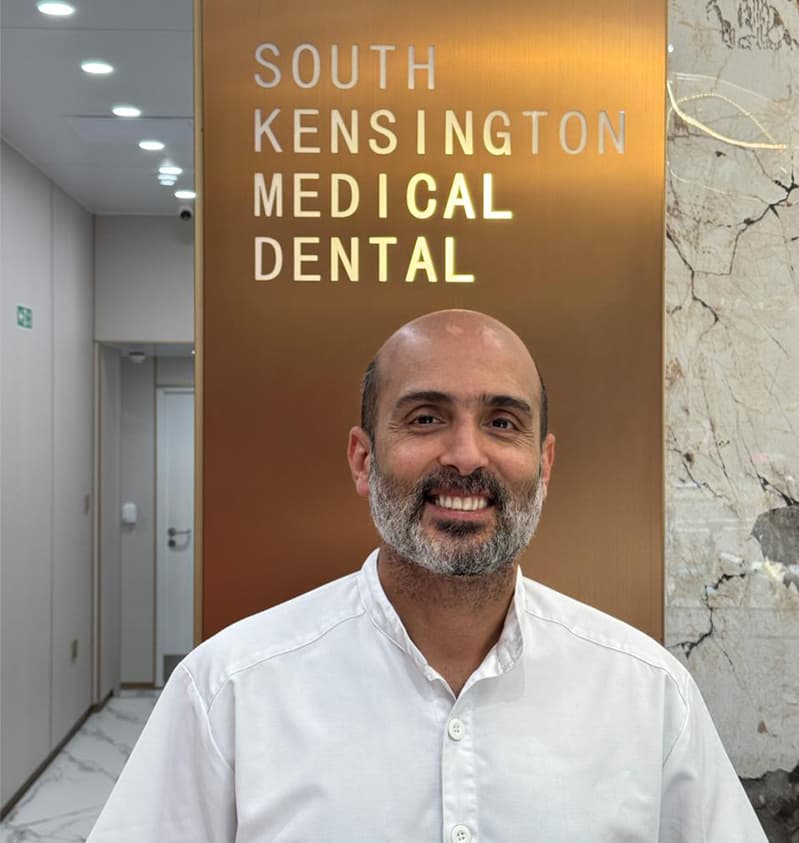
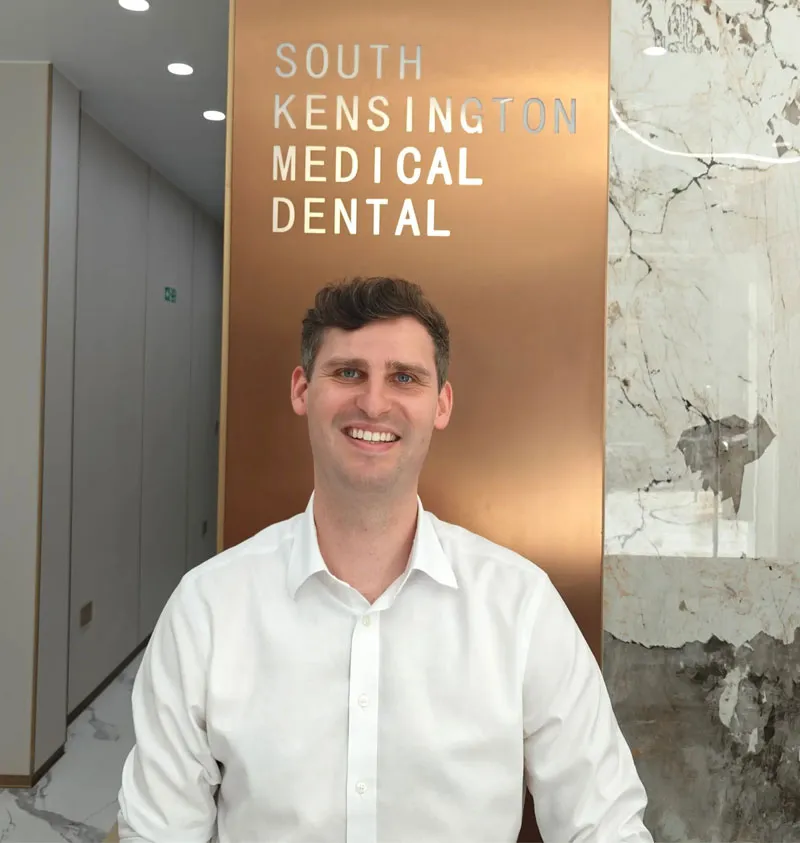
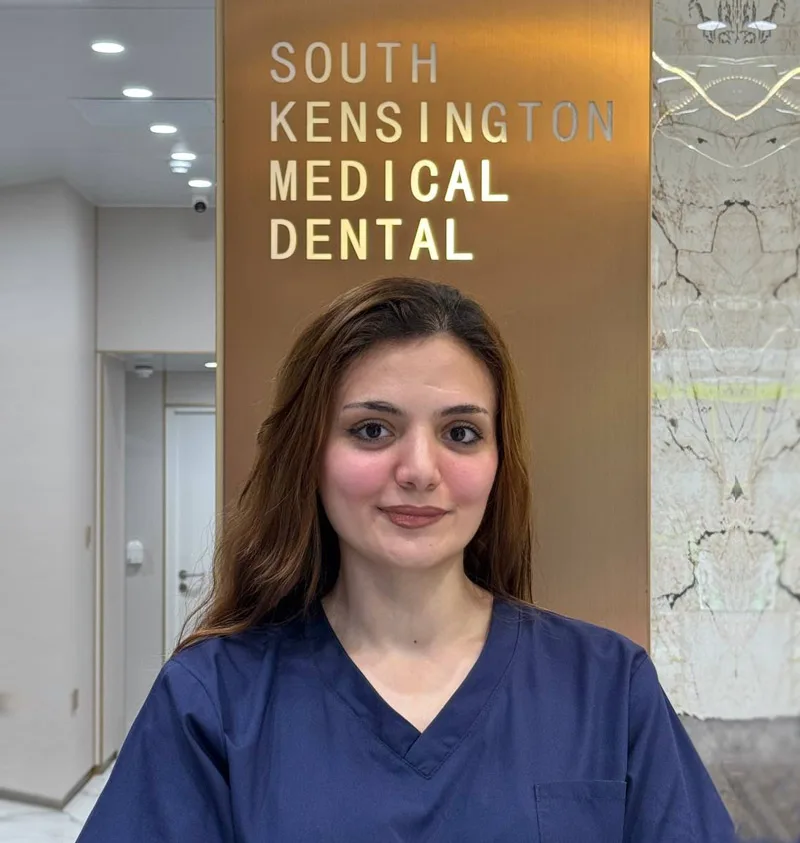
Meet Our Dental Team
Our experienced dental team is fully qualified and registered with the GDC, delivering safe, high-quality care in line with the highest professional standards.
Because our patients deserve nothing less.











Registered. Regulated. Trusted.
At South Kensington Medical & Dental, we are fully registered with the Care Quality Commission (CQC) and our clinicians are registered with the relevant UK regulatory bodies, including the GDC and GMC. Our dentists, dental nurses and medical professionals deliver care that meets the highest clinical, safety and ethical standards, because our patients deserve nothing less.


We Accept All Major Dental & Health Insurances
We work with all major UK insurers including Bupa, AXA Health, Aviva, Cigna, Vitality, WPA, Unum and Boots Dental Plan. We'll provide the receipts and paperwork you need to claim back your treatment costs.










