Concerned about dry mouth? Book an oral health assessment.
Dry Mouth (Xerostomia)
South Kensington, London
Dry mouth — clinically known as xerostomia — is a condition characterised by reduced saliva flow or a persistent sensation of oral dryness. Saliva plays an essential protective role in maintaining oral health: it helps neutralise acids, supports enamel remineralisation, washes away food particles, and assists with swallowing and speech. When saliva production is reduced, the risk of tooth decay, gum inflammation, and oral discomfort may increase. At our South Kensington dental practice, our dentists provide structured oral health assessments to help evaluate the impact of dry mouth on your teeth and gums and discuss appropriate preventive strategies.
Explore the full range of the dental conditions we commonly assess or read on to understand the oral health implications of dry mouth and when professional advice may be helpful.
Experiencing Dry Mouth?
Let us assess your oral health and provide preventive guidance
- Comprehensive oral examination
- Decay risk assessment
- Gum health evaluation
- Personalised preventive plan
- Ongoing monitoring support
What Is Dry Mouth (Xerostomia)?
Xerostomia is the clinical term for dry mouth — a condition where the salivary glands do not produce enough saliva to keep the mouth adequately moist, or where a patient experiences a persistent sensation of oral dryness even if saliva flow is within normal limits.
Saliva plays an important and often underappreciated protective role in oral health. It helps neutralise the acids produced by plaque bacteria, supports the remineralisation of early enamel damage, washes away food particles from tooth surfaces, and assists with comfortable swallowing and clear speech. When this natural defence is reduced, the oral environment can become more vulnerable to a range of dental problems.
Occasional dry mouth — for example, when feeling nervous or after exercise — is common and usually temporary. However, persistent dry mouth that continues for weeks or longer may warrant professional assessment to evaluate its impact on your teeth, gums, and overall oral comfort.
Why Saliva Is Important for Oral Health
Understanding the role of saliva helps explain why chronic dry mouth can have a significant impact on dental health over time.
Washes Away Food Particles
Saliva continuously helps to rinse food debris and sugars from tooth surfaces, reducing the substrate available to acid-producing bacteria.
Controls Bacterial Levels
Saliva contains antimicrobial proteins and enzymes that help regulate the balance of bacteria in the mouth, supporting a healthier oral environment.
Reduces Risk of Tooth Decay
By neutralising acids produced by plaque bacteria, saliva helps protect enamel from the demineralisation process that leads to cavities.
Protects Gum Tissues
Adequate saliva flow helps keep the soft tissues of the mouth moist and reduces the likelihood of irritation and inflammation.
Supports Remineralisation
Saliva provides calcium, phosphate, and fluoride ions that contribute to the natural repair of early enamel damage before a cavity forms.
When saliva flow is reduced, these protective functions are diminished — which may increase the risk of dental problems over time. However, this is a risk factor, not a certainty, and appropriate preventive care can help manage the impact.
Common Causes of Dry Mouth
Dry mouth can result from a variety of factors. Understanding the cause is an important step in determining appropriate management.
Medication Side Effects
Many prescription and over-the-counter medicines — including antihistamines, antidepressants, blood pressure medications, and pain relievers — may reduce saliva production as a side effect. This is one of the most common causes of chronic dry mouth.
Dehydration
Insufficient fluid intake, excessive sweating, or conditions that lead to fluid loss can reduce the body's ability to produce adequate saliva. Maintaining regular water intake is an important factor in supporting saliva flow.
Dry Mouth at Night
Breathing through the mouth during sleep — often associated with snoring, nasal congestion, or sleep apnoea — can cause significant dryness overnight. Patients may wake with a dry, uncomfortable mouth and notice an increase in dental problems over time.
Medical Conditions
Certain autoimmune conditions (such as Sjögren's syndrome), metabolic conditions (such as diabetes), and other systemic health issues can affect salivary gland function and lead to persistent xerostomia.
Cancer Treatment
Radiotherapy to the head and neck region can damage salivary glands, sometimes resulting in a significant and long-term reduction in saliva production. Chemotherapy may also temporarily affect saliva flow.
A dental assessment can evaluate the oral impact of dry mouth. Where underlying medical causes are suspected, patients may be advised to seek appropriate medical review.
Dental Risks Associated with Chronic Dry Mouth
When dry mouth persists, the reduced protective effect of saliva may increase vulnerability to several dental and oral health concerns.
Increased Risk of Tooth Decay
Without adequate saliva to neutralise acids and wash away food debris, tooth surfaces become more vulnerable to the acid attack that causes cavities. Patients with chronic dry mouth may notice an increase in the frequency or severity of tooth decay — particularly along the gumline and on root surfaces.
Gum Inflammation
Reduced saliva flow can disrupt the natural balance of bacteria in the mouth, allowing harmful bacteria to accumulate more readily. This bacterial imbalance may increase the risk of gum inflammation (gingivitis) and, if unmanaged, may contribute to the progression of periodontal disease.
Oral Discomfort
Chronic dry mouth can cause a burning or tingling sensation on the tongue or inner cheeks, cracked or dry lips, difficulty swallowing, and a rough or sticky feeling in the mouth. These symptoms can affect eating, speaking, and overall comfort.
Changes in Taste
Some patients with xerostomia experience an altered sense of taste — food may taste different, less flavourful, or occasionally metallic. This change is related to the role saliva plays in dissolving food molecules so they can be detected by taste receptors.
Experiencing Persistent Dry Mouth?
If you are experiencing persistent dry mouth, a dental assessment can help evaluate your risk of tooth decay or gum inflammation and provide tailored preventive advice. Book an oral health consultation at our South Kensington clinic to discuss appropriate next steps.
How Dentists Assess Dry Mouth
When you attend our practice with concerns about dry mouth, our dentists carry out a structured evaluation to understand how the condition may be affecting your oral health. The assessment typically includes:
Review of symptoms, medical history, and current medications
Examination of the soft tissues of the mouth for signs of dryness or irritation
Decay risk assessment to evaluate vulnerability of tooth surfaces
Gum health evaluation including periodontal screening
Assessment of existing restorations for stability and seal integrity
Radiographs where clinically indicated to check for hidden decay or bone changes
Treatment planning depends on the findings of the assessment. Recommendations are discussed once the evaluation is complete, and may include preventive strategies, restorative care, or referral for further investigation where appropriate.
Management and Preventive Advice for Dry Mouth
While addressing the underlying cause of xerostomia is important, several practical strategies can help manage symptoms and reduce the associated dental risks.
Improving Hydration
Regular sips of water throughout the day — particularly during and between meals — can help maintain moisture in the mouth. Reducing caffeine and alcohol intake may also be beneficial, as both can contribute to dehydration.
Saliva Substitutes or Gels
When natural saliva production is significantly reduced, saliva replacement products — available as sprays, gels, or lozenges — may help provide temporary relief from dryness and support oral comfort. Your dentist can advise on suitable options.
Fluoride Support
High-fluoride toothpaste or prescription fluoride products may be recommended where clinically indicated to strengthen enamel and provide additional protection against the increased decay risk associated with dry mouth.
Dietary Adjustments
Limiting sugary or acidic snacks and drinks reduces the acid challenge to teeth that are already more vulnerable due to reduced saliva buffering. Your dentist or hygienist can provide tailored dietary advice.
Regular Hygiene Visits
More frequent professional cleaning and monitoring may be recommended for patients with chronic dry mouth to help manage plaque levels, assess gum health, and detect any early signs of decay before they progress.
Our dental hygienist team can provide tailored cleaning and monitoring, while our general dentistry team can assess for decay and discuss restorative or preventive options appropriate to your situation.
When Should You Seek Advice?
Consider booking a dental check if you experience any of the following:
Dry mouth persists for several weeks despite improved hydration
You notice increased tooth sensitivity or new areas of decay
You develop frequent cavities despite good home care
Gums become inflamed, red, or bleed during brushing
Oral soreness, burning, or cracking continues
If no dental cause is identified during assessment, patients may be advised to seek appropriate medical review to explore other potential contributing factors.
Can Dry Mouth Be Prevented?
Some causes of dry mouth — such as medication side effects or underlying medical conditions — cannot always be prevented. However, the dental complications associated with xerostomia can often be managed effectively with the right preventive strategies.
Maintaining good hydration, following a thorough oral hygiene routine, attending regular dental check-ups, and using fluoride or saliva substitutes where recommended can all help reduce the impact of dry mouth on your teeth and gums.
Early monitoring is particularly valuable for patients with chronic dry mouth. By identifying subtle changes in enamel integrity or gum health before they progress, your dental team can intervene at a stage where treatment is typically more conservative and outcomes more favourable.
Frequently Asked Questions
About dry mouth and xerostomia
Book a Dry Mouth Assessment in South Kensington
Dry mouth (xerostomia) can increase the risk of tooth decay and gum issues if left unmanaged.
Our dental team in South Kensington provides structured oral health assessments and personalised preventive advice to support long-term dental stability. Book your appointment to have your oral health evaluated and receive tailored guidance.
Open Monday–Sunday • 2 mins from South Kensington tube
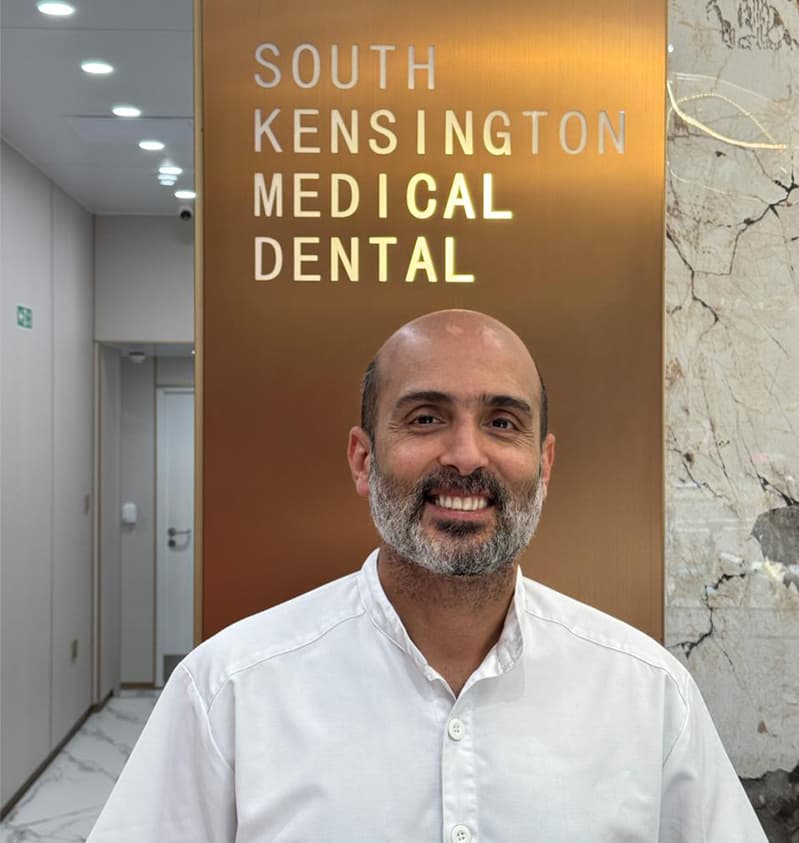
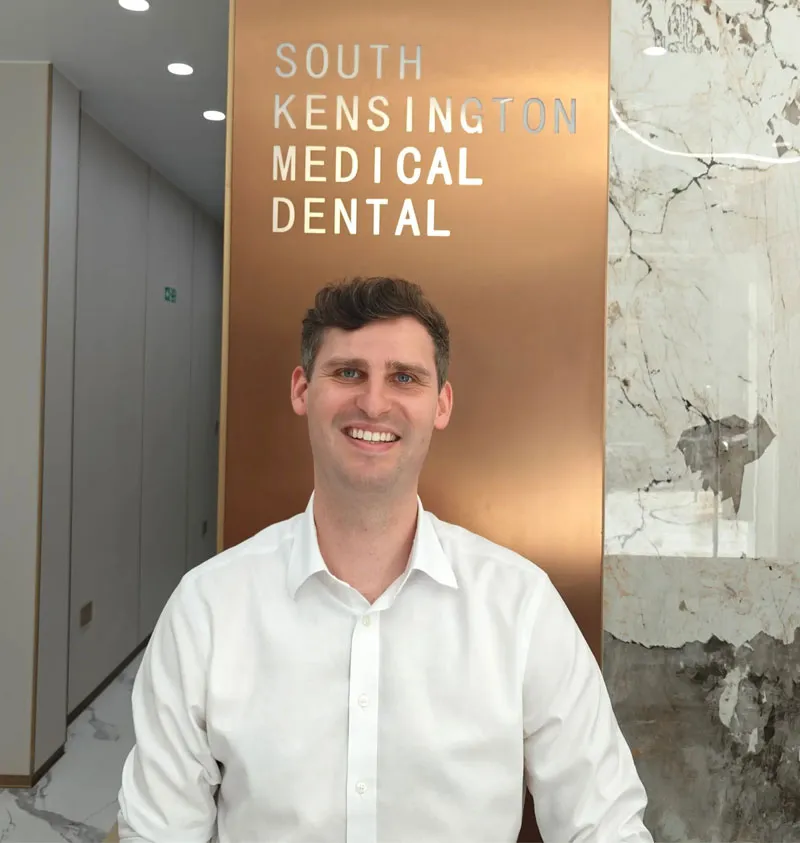
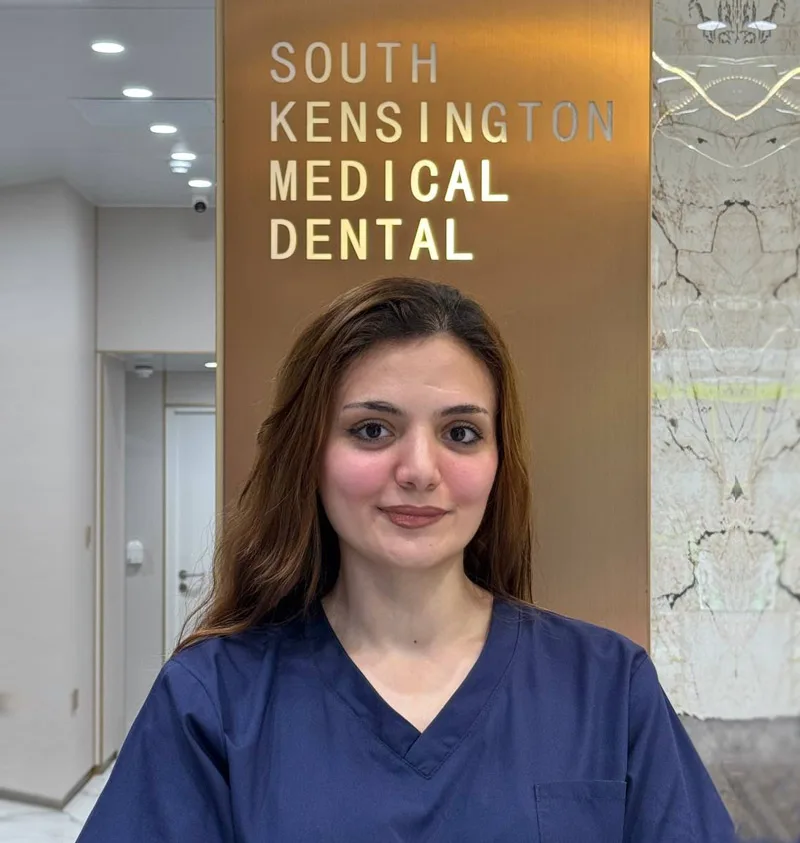
Meet Our Dental Team
Our experienced dental team is fully qualified and registered with the GDC, delivering safe, high-quality care in line with the highest professional standards.
Because our patients deserve nothing less.











Registered. Regulated. Trusted.
At South Kensington Medical & Dental, we are fully registered with the Care Quality Commission (CQC) and our clinicians are registered with the relevant UK regulatory bodies, including the GDC and GMC. Our dentists, dental nurses and medical professionals deliver care that meets the highest clinical, safety and ethical standards, because our patients deserve nothing less.

We Accept All Major Dental & Health Insurances
We work with all major UK insurers including Bupa, AXA Health, Aviva, Cigna, Vitality, WPA, Unum and Boots Dental Plan. We'll provide the receipts and paperwork you need to claim back your treatment costs.










