Concerned about crowded teeth? Book an orthodontic assessment.
Crowded Teeth: Symptoms, Causes and When to Consider Orthodontic Treatment
South Kensington, London
Crowded teeth — sometimes referred to as teeth crowding — occur when there is insufficient space in the jaw for all the teeth to align in their ideal positions. This can result in overlapping teeth, rotated teeth, or teeth that appear pushed forward or backward. Crowding commonly affects the crowded front teeth but can occur anywhere in the dental arch. At our South Kensington dental practice, our dentists provide structured orthodontic assessments to evaluate the extent of crowding, identify contributing factors, and discuss whether orthodontic treatment for crowded teeth may be appropriate.
Explore other alignment concerns we assess or read on to understand what causes teeth crowding and when orthodontic treatment may be helpful.
Crowded or Overlapping Teeth?
Let us assess your alignment and discuss suitable options
- Alignment evaluation
- Arch space measurement
- Bite analysis
- Gum health assessment
- Personalised treatment discussion
What Are Crowded Teeth?
Crowded teeth develop when there is not enough space within the jaw for all the teeth to sit in a well-aligned position. As a result, teeth may overlap, rotate, or be displaced forwards or backwards relative to the dental arch. The degree of crowding can range from very mild — where a single tooth is slightly rotated — to more significant, where multiple teeth are overlapping or positioned irregularly.
Crowding most commonly affects the front teeth, where the overlap is particularly noticeable. However, teeth crowding can occur anywhere in the upper or lower arch, and it is possible to have crowding in one area while the rest of the teeth appear well-aligned.
The severity of crowding varies considerably from person to person. Mild crowding may have no impact on function or oral hygiene and may require only periodic monitoring. More pronounced crowding, however, can make cleaning difficult, contribute to gum inflammation, and affect how the bite comes together. A professional assessment is the most reliable way to evaluate the extent of crowding and to discuss whether treatment may be beneficial.
Common Signs of Teeth Crowding
Not all crowded teeth cause discomfort, but crowding may affect oral hygiene and bite function. The following are among the most common signs.
Overlapping or Rotated Teeth
One of the most visible signs of teeth crowding is teeth that overlap, twist, or sit at unusual angles. Crowded front teeth are particularly noticeable and may affect the appearance of the smile. Rotated or crooked teeth can also create irregular contact points between teeth, which may affect how the bite comes together.
Difficulty Cleaning
When teeth overlap or sit very close together, it can be difficult to brush and floss effectively. The tight contact points and recessed areas created by crowding make it harder to remove plaque and food debris, which may increase the risk of decay and gum inflammation in those areas.
Gum Inflammation
Increased plaque retention in crowded areas — due to cleaning difficulties — may contribute to localised gum inflammation. You may notice redness, tenderness, or bleeding when brushing in the areas where teeth overlap or are most tightly packed.
Uneven Tooth Wear
Crowded teeth may not distribute biting forces evenly. Teeth that are rotated or displaced from their ideal position may absorb more force than they should, leading to accelerated wear on certain tooth surfaces over time.
Symptoms can vary in severity. A clinical assessment helps determine whether crowding is contributing to any oral health concerns.
What Causes Crowded Teeth?
Teeth crowding may develop due to a combination of genetic, developmental, and environmental factors. In many cases, more than one contributor is involved.
Genetic Jaw Size and Tooth Size Mismatch
One of the most common reasons for crowded teeth is a discrepancy between the size of the jaw and the size of the teeth. If the teeth are proportionally larger than the jaw, or the jaw is narrower than average, there may simply not be enough room for all the teeth to sit side by side without overlapping.
Early Loss of Baby Teeth
Baby teeth serve as natural space maintainers for the adult teeth developing beneath them. If a baby tooth is lost prematurely — through decay, trauma, or extraction — the neighbouring teeth may drift into the gap, reducing the available space for the permanent tooth to erupt in its correct position.
Delayed Tooth Eruption
If certain permanent teeth are delayed in erupting, the surrounding teeth may shift to occupy the available space. When the delayed tooth eventually emerges, it may find insufficient room and erupt in a crowded or displaced position.
Tooth Shifting Over Time
Teeth naturally tend to shift forward throughout life — a process sometimes referred to as mesial drift. This gradual movement, combined with changes in bone and gum tissue, can lead to crowding that develops or worsens during adulthood, even in individuals who previously had well-aligned teeth.
Wisdom Tooth Pressure (In Some Cases)
The role of wisdom teeth in causing crowding is debated in dental literature. In some cases, the eruption or attempted eruption of wisdom teeth may exert pressure on the neighbouring teeth, potentially contributing to crowding — particularly in the lower front region. However, this is not considered a primary cause in every case.
How Dentists Assess Crowded Teeth
A structured assessment helps evaluate the severity of crowding and determine whether treatment may be beneficial. The evaluation typically includes:
Visual evaluation of tooth alignment and positioning
Measurement of available arch space relative to tooth size
Bite analysis to assess how the upper and lower teeth meet
Assessment of gum health in crowded areas
Digital scans or radiographs where clinically indicated
Discussion of findings and treatment suitability
Treatment suitability depends on clinical findings. Your dentist will discuss all options with you before any decision is made.
Concerned About Overlapping or Crowded Teeth?
If you are concerned about overlapping or crowded teeth, an orthodontic assessment can help evaluate alignment, spacing and bite relationships. Book a consultation at our South Kensington clinic for a structured alignment evaluation.
Orthodontic Treatment Options for Crowded Teeth
The most appropriate approach to how to fix crowded teeth depends on the severity of crowding, the patient’s age, and individual clinical factors.
Clear Aligners
Clear aligners are removable, transparent trays that gradually reposition the teeth over a planned treatment period. They can be suitable for mild to moderate crowding and offer a discreet alternative to traditional braces. The aligners are custom-made based on digital scans and are changed at regular intervals to guide the teeth into improved alignment.
Fixed Braces
Fixed braces — using traditional metal or aesthetic ceramic brackets — remain one of the most effective approaches for managing more complex crowding. They allow precise control of tooth movement and are suitable for a wide range of crowding patterns, including cases where significant rotation or displacement is present.
Space Management Techniques
In some cases, creating the necessary space for teeth to align may involve minor enamel reduction (interproximal reduction) — the careful removal of a very small amount of enamel between teeth. In more significant crowding, extraction of one or more teeth may be discussed where clinically appropriate to provide sufficient room for alignment. Your dentist or orthodontist will explain the rationale and alternatives before any decision is made.
Our orthodontics team can discuss the most suitable crowded teeth treatment approach based on your clinical findings. For patients interested in a discreet option, clear aligners may be considered where the crowding pattern and severity are suitable. Maintaining good oral hygiene throughout treatment is important, and our dental hygienist team can support patients with professional cleaning and tailored hygiene advice during orthodontic treatment.
Can Crowded Teeth Affect Oral Health?
Crowded teeth can create areas that are difficult to clean effectively, even with diligent brushing and flossing. When plaque accumulates in these hard-to-reach spaces, it may contribute to localised gum inflammation — and, if left unmanaged over time, may increase the risk of more established periodontal disease.
Cleaning difficulties associated with crowding may also increase the risk of decay between teeth, particularly in areas where overlapping makes it hard to pass floss or interdental brushes. Regular professional cleaning can help manage plaque in these challenging areas.
In some cases, crowded teeth may also contribute to bite imbalance, where certain teeth absorb more biting force than intended. This uneven distribution may lead to accelerated wear and, in some individuals, muscle strain or jaw discomfort. A comprehensive assessment can help determine whether crowding is affecting oral health and whether treatment may be beneficial.
When Should You Consider Orthodontic Consultation?
Consider booking an assessment if you notice any of the following:
Front teeth overlap noticeably or affect your smile
Cleaning between teeth is consistently difficult
Gum inflammation persists in areas where teeth are crowded
Your bite feels uneven or certain teeth bear more pressure
You are exploring clear aligner or orthodontic options
Frequently Asked Questions
About crowded teeth and orthodontic treatment
Book an Orthodontic Assessment in South Kensington
Crowded teeth are common and vary in severity. A structured orthodontic assessment can help determine whether monitoring or alignment treatment may be appropriate.
Our dental team in South Kensington provides personalised bite and alignment evaluations, including clear aligner and brace consultations where suitable. Book your appointment to have your teeth assessed and discuss your treatment options.
Open Monday–Sunday • 2 mins from South Kensington tube
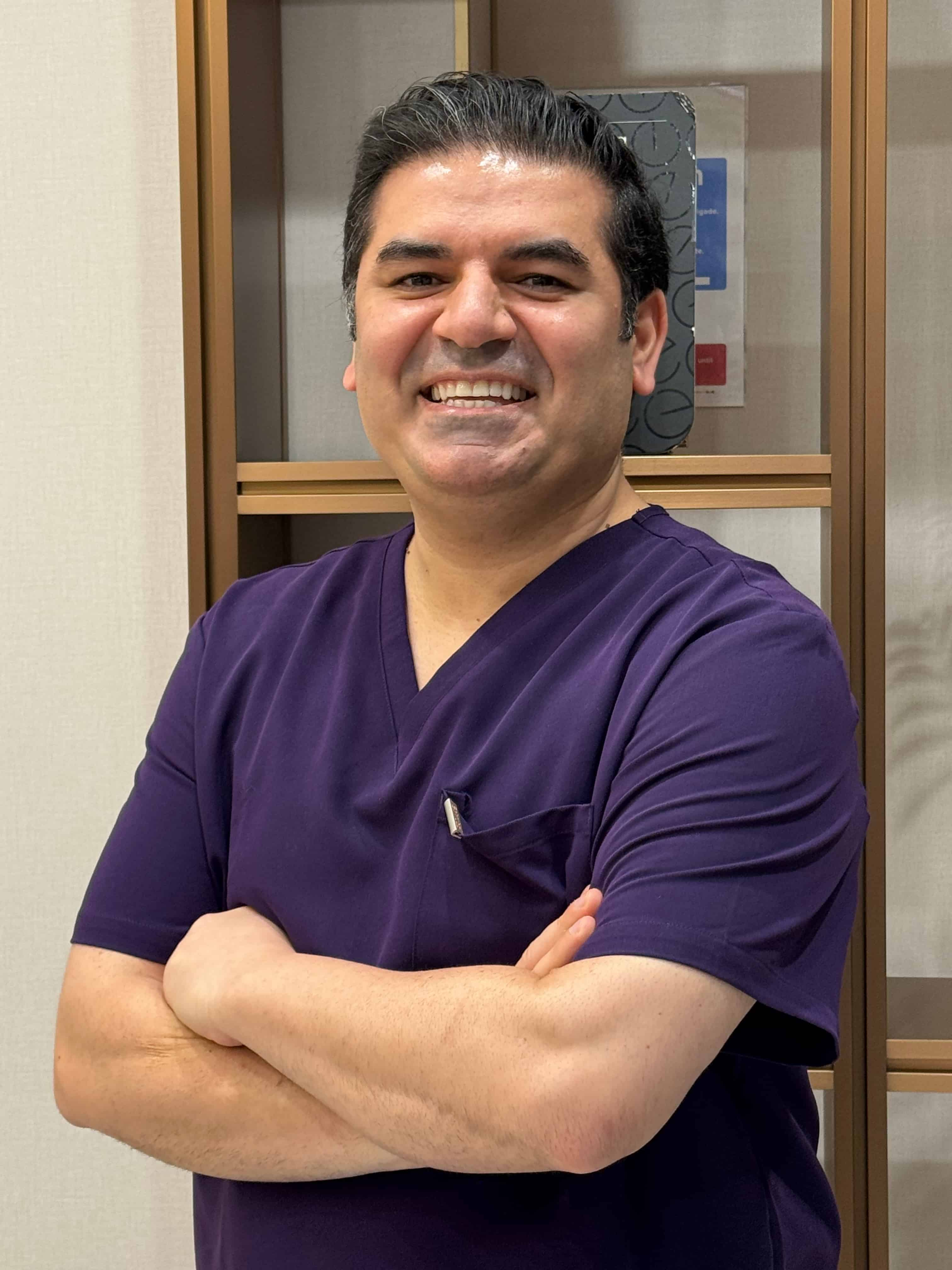
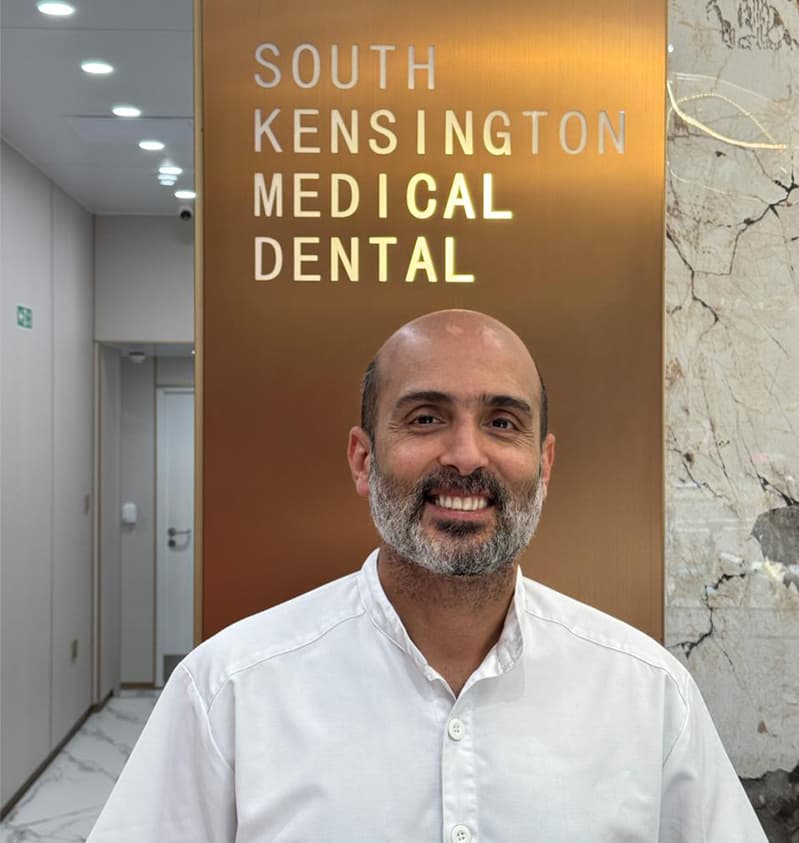
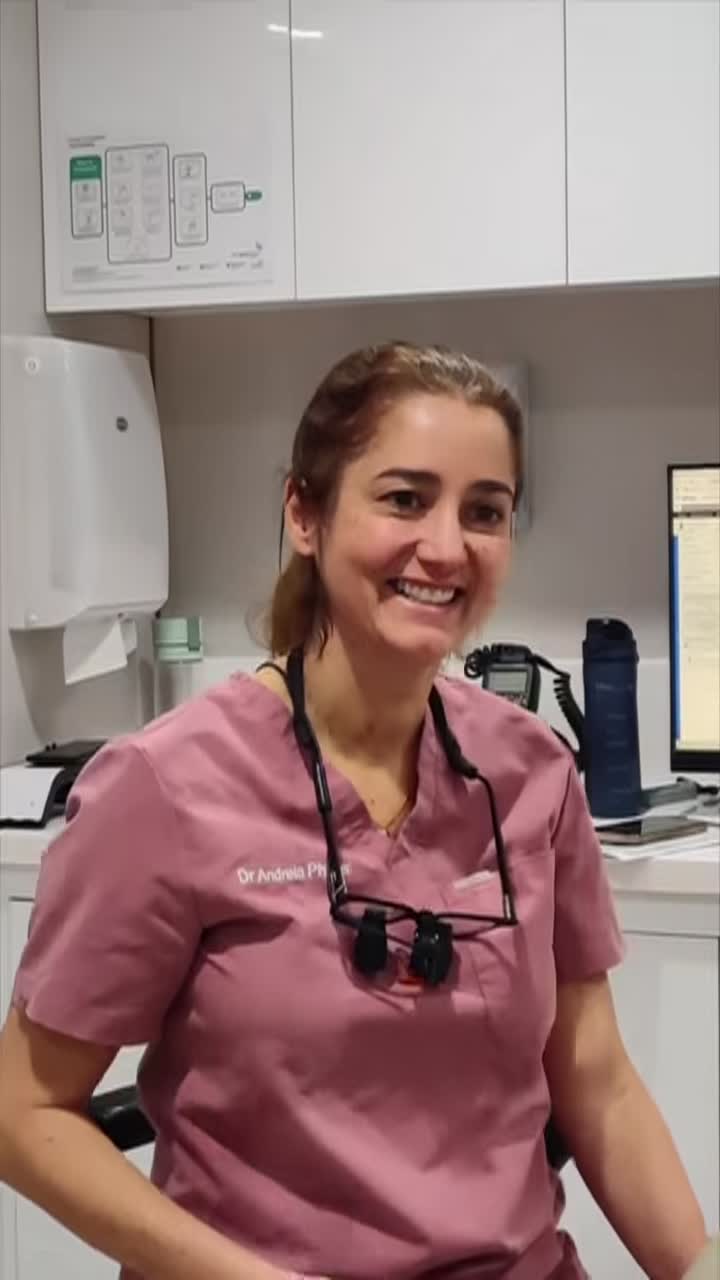
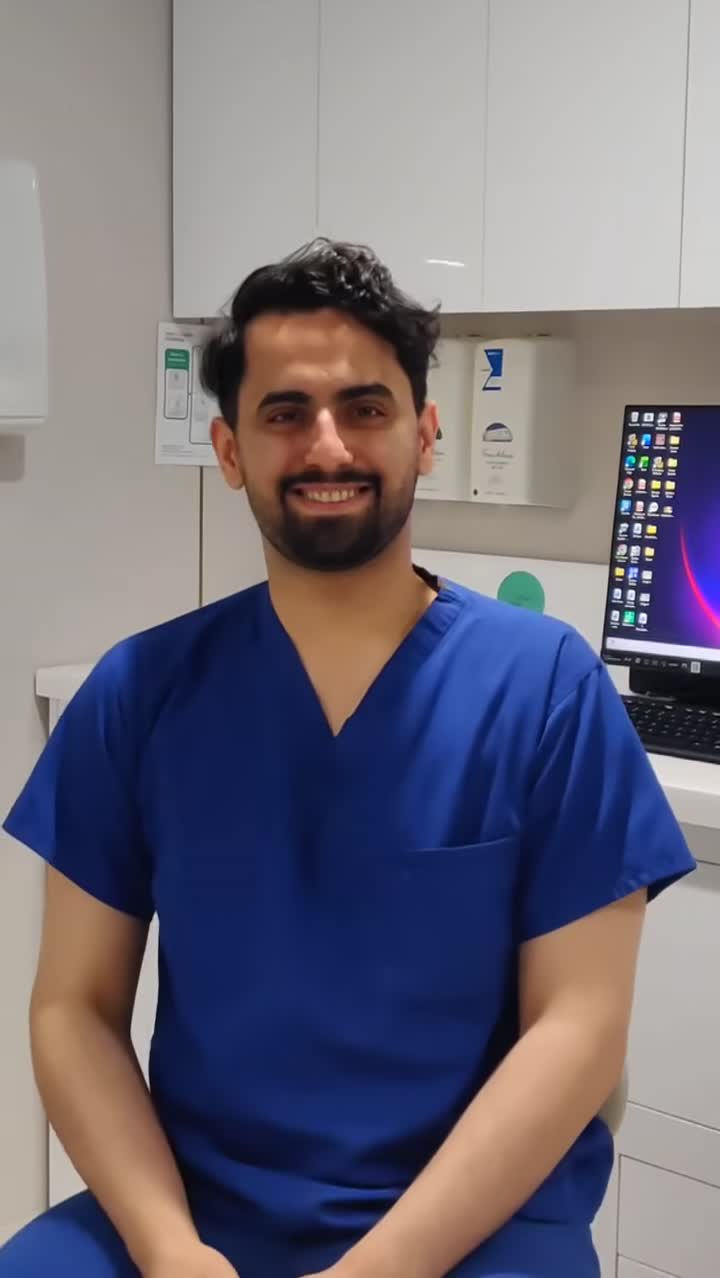
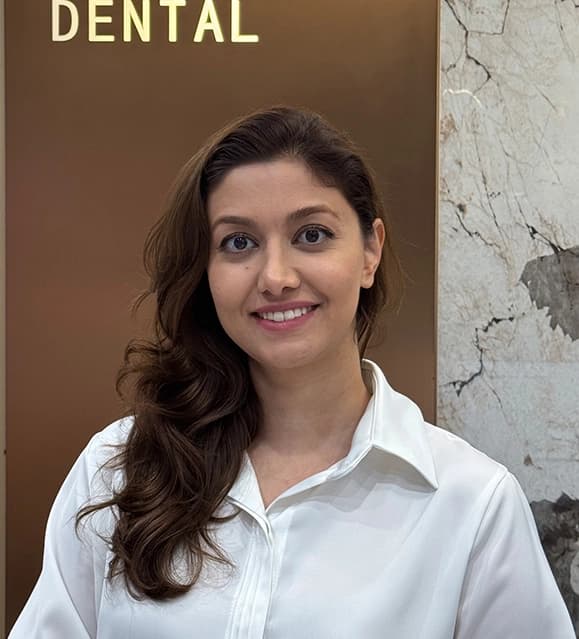
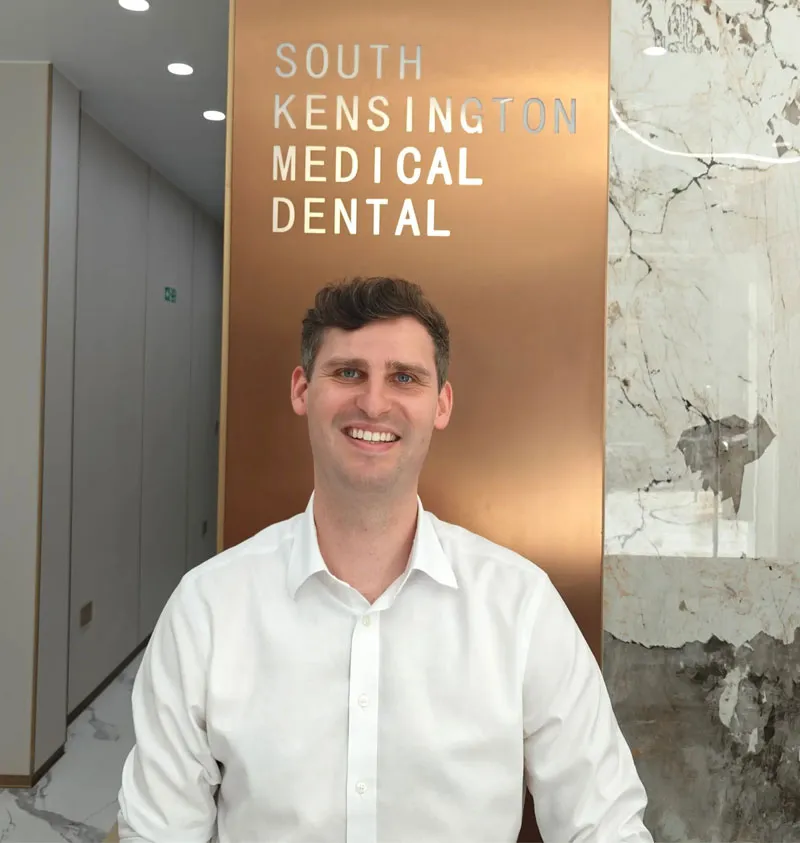
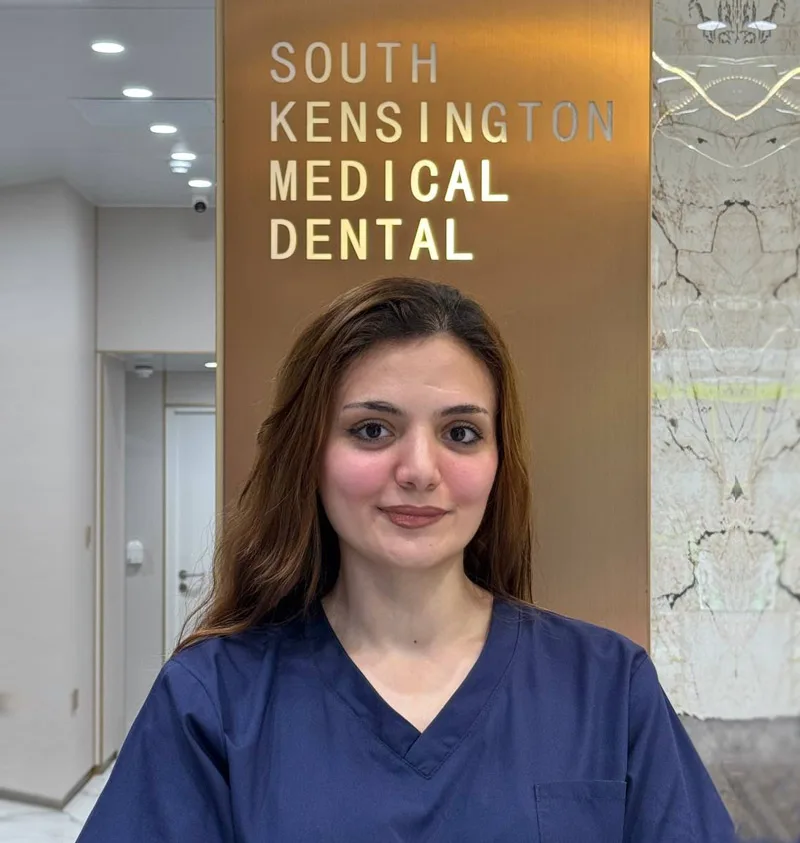
Meet Our Dental Team
Our experienced dental team is fully qualified and registered with the GDC, delivering safe, high-quality care in line with the highest professional standards.
Because our patients deserve nothing less.







Registered. Regulated. Trusted.
At South Kensington Medical & Dental, we are fully registered with the Care Quality Commission (CQC) and our clinicians are registered with the relevant UK regulatory bodies, including the GDC and GMC. Our dentists, dental nurses and medical professionals deliver care that meets the highest clinical, safety and ethical standards, because our patients deserve nothing less.

We Accept All Major Dental & Health Insurances
We work with all major UK insurers including Bupa, AXA Health, Aviva, Cigna, Vitality, WPA, Unum and Boots Dental Plan. We'll provide the receipts and paperwork you need to claim back your treatment costs.










