Broken denture? Book a denture assessment.
Broken Denture: Repair or Replacement and When to Arrange an Assessment
South Kensington, London
A broken denture can be an unexpected inconvenience, affecting comfort, eating, and confidence. Whether the denture base has cracked, a tooth has become detached, or the appliance has snapped in half, professional assessment is important to determine whether denture repair is possible or whether denture replacement may be more appropriate. At our South Kensington dental practice, our dentists carry out structured denture evaluations to assess damage, review the overall condition of the appliance, and discuss the most suitable course of action.
Explore other restorative concerns we assess or read on to understand the types of denture damage and how they are evaluated.
Broken or Damaged Denture?
Let us assess your denture and discuss repair or replacement options
- Fracture pattern examination
- Denture fit assessment
- Gum health evaluation
- Bite relationship check
- Repair vs replacement guidance
What Should You Do If a Denture Breaks?
A broken denture can take several forms — the acrylic base may crack, the appliance may fracture into two or more pieces, or an individual artificial tooth may become detached. A denture that has been in use for some time may be more susceptible to breakage as the material gradually weakens, and dentures can snap in half if dropped or subjected to unexpected force.
If your denture breaks, it is important to avoid attempting a home repair. Household adhesives, superglue, and other over-the-counter bonding agents are not designed for intraoral use and may contain substances that are harmful if ingested. Improvised repairs can also alter the fit of the denture, making professional denture repair more difficult or even impossible.
Instead, gather all the broken pieces and store them safely — ideally in a container with a damp cloth or in water. Arrange a professional assessment as soon as is practical so that the damage can be evaluated and the most appropriate course of action discussed.
Common Types of Denture Damage
The severity and type of damage determine whether repair is feasible or whether replacement may be more appropriate.
Cracked Denture Base
A cracked denture may present as a hairline fracture or a more visible crack across the acrylic base. In some cases, the crack may be barely noticeable at first but worsen with continued use. The stability of the denture and the extent of the fracture determine whether repair is feasible.
Denture Snapped in Half
A complete break across the arch — where the denture snapped in half — is one of the more significant types of damage. This can occur after dropping, biting on something unexpectedly hard, or through gradual material fatigue. Professional laboratory repair may be possible if the pieces fit together cleanly.
Detached Artificial Tooth
A single denture tooth can become detached due to weakening of the bond between the tooth and the acrylic base. In many cases, a detached tooth can be re-bonded or replaced by a dental laboratory, provided the base remains intact.
Warped or Distorted Denture
Dentures can become warped through exposure to heat, improper storage, or long-term wear. A warped denture may no longer fit comfortably and is unlikely to be correctable through repair alone. In such cases, replacement is generally more appropriate.
Why Dentures Break
A number of factors may contribute to a damaged denture. In many cases, more than one factor is involved.
Accidental Dropping
Dropping a denture onto a hard surface — particularly during cleaning — is one of the most common causes of fracture. Even a short fall can crack the acrylic base or dislodge a tooth.
Wear and Material Fatigue
Over time, the acrylic material used in dentures can weaken through normal daily use. Repeated biting forces, temperature changes, and general wear can all contribute to gradual fatigue that eventually leads to fracture.
Changes in Gum or Bone Shape
After tooth extraction, the underlying jawbone and gum tissue gradually change shape. A denture that once fitted well may begin to rock or move, creating uneven stress distribution that increases the risk of cracking.
Ill-Fitting Dentures
A denture that does not fit well can create localised pressure points. These concentrated forces may weaken specific areas of the acrylic base over time, making fracture more likely.
Age of the Denture
Dentures are not designed to last indefinitely. As the appliance ages, the materials become more brittle and less resilient, and the fit may deteriorate. Regular review helps identify when replacement may be appropriate before a sudden break occurs.
How Dentists Assess a Broken Denture
When you attend our practice with a broken denture, our general dentistry team carries out a structured evaluation to determine the most suitable course of action. The assessment typically includes:
Examination of the fracture pattern and damage extent
Assessment of overall denture stability and fit
Evaluation of gum health and soft tissue condition
Review of denture age and general condition
Checking occlusion (bite relationship) with opposing teeth
Discussion of repair versus replacement options
The findings from this assessment guide whether denture repair, reline, or full replacement is the most appropriate option. Your dentist will discuss all findings with you before proceeding.
Cracked or Broken Denture?
If your denture has cracked or broken, a professional assessment can help determine whether repair is appropriate or if replacement may be advisable. Book a consultation at our South Kensington clinic for a structured denture review.
When Denture Repair May Be Possible
In many cases, a broken denture can be professionally repaired. Clean fractures — where the pieces fit together neatly — are generally the most suitable for laboratory repair. A dental technician can re-bond the acrylic and reinforce the repaired area to restore structural integrity.
Detached artificial teeth can often be reattached or replaced if the surrounding base remains in good condition. Minor cracks may also be stabilised through professional repair techniques, depending on the location and extent of the fracture.
It is important to note that denture repair is not suitable in all cases. If the denture has been previously repaired multiple times, if the acrylic is significantly weakened, or if the overall fit has deteriorated, repair may not provide a reliable long-term outcome. Your dentist will assess the integrity of the appliance and advise accordingly. You can learn more about our denture services for an overview of the options available.
When Denture Replacement May Be Recommended
While repair is often the first consideration, there are circumstances where denture replacement may provide a more appropriate long-term solution. Your dentist may discuss replacement if the denture has experienced repeated fractures, if there is significant overall wear, or if the fit has deteriorated to the point where the appliance is no longer stable or comfortable.
Structural weakness in the acrylic base, changes in the shape of the jaw over time, and poor retention can all contribute to a situation where a new denture may offer better comfort, function, and stability. A replacement denture is custom-made to reflect the current shape of the gums and jaw, which can help improve fit and reduce the likelihood of future breakage.
For patients who experience recurring denture problems, our team can also discuss alternative approaches such as dental implants, which may support an implant-retained denture for improved stability. A comprehensive assessment helps determine which approach is most suitable. Further details on denture types and options are available on our dentures page.
Emergency Considerations
If a denture breaks suddenly and you are unable to eat or speak comfortably, it is sensible to arrange assessment promptly. While a broken denture is not typically a medical emergency, the impact on daily function can be significant — particularly if the denture is your only means of chewing.
Sharp or rough edges on a fractured denture may also irritate the gum tissue, tongue, or cheek, potentially leading to soreness or minor ulceration. If you are experiencing discomfort from a damaged denture, our emergency dental team can help arrange timely assessment and discuss interim measures while repair or replacement is coordinated.
Can Broken Dentures Be Prevented?
While it is not possible to eliminate all risk of denture damage, the following practical measures can help reduce the likelihood of breakage and prolong the life of your appliance:
Remove dentures over a soft surface — such as a folded towel or basin of water — when cleaning
Avoid bending clasps or adjusting metal components without professional guidance
Attend regular denture review appointments to monitor fit and condition
Store dentures safely in water or a recommended solution when not worn
Avoid exposing dentures to very hot water, which can cause warping
Regular appointments with a dental hygienist can also support overall oral health for denture wearers, including assessment of the gum tissue beneath the appliance.
Frequently Asked Questions
About broken dentures and denture repair
Book a Denture Assessment in South Kensington
A broken denture can often be assessed for repair, but in some cases replacement may provide better long-term stability.
Our dental team in South Kensington provides structured denture assessments and personalised guidance on repair or replacement options. Book your appointment to have your denture reviewed and discuss suitable next steps.
Open Monday–Sunday • 2 mins from South Kensington tube
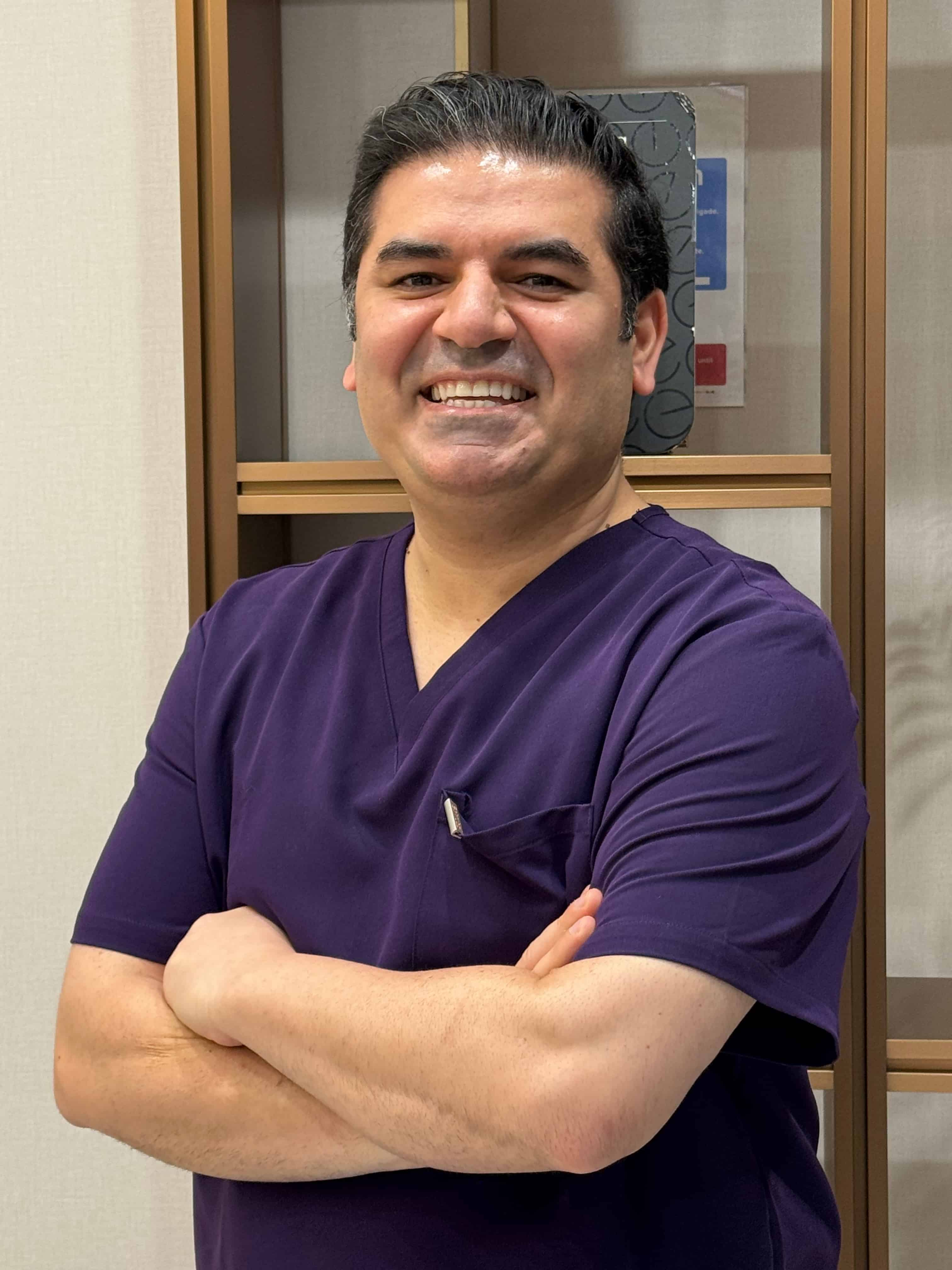
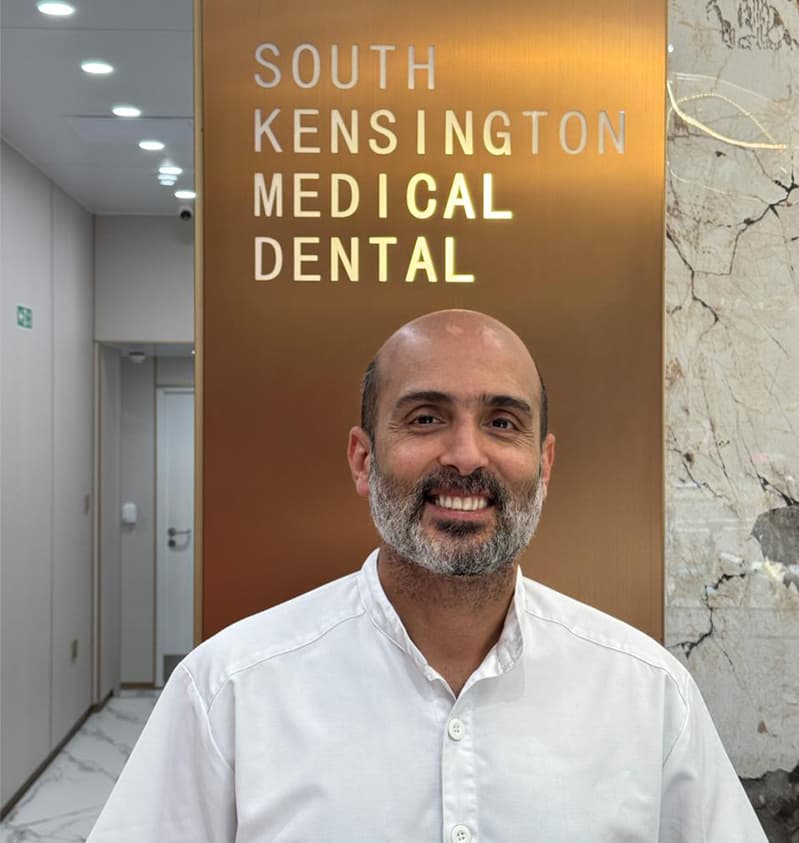
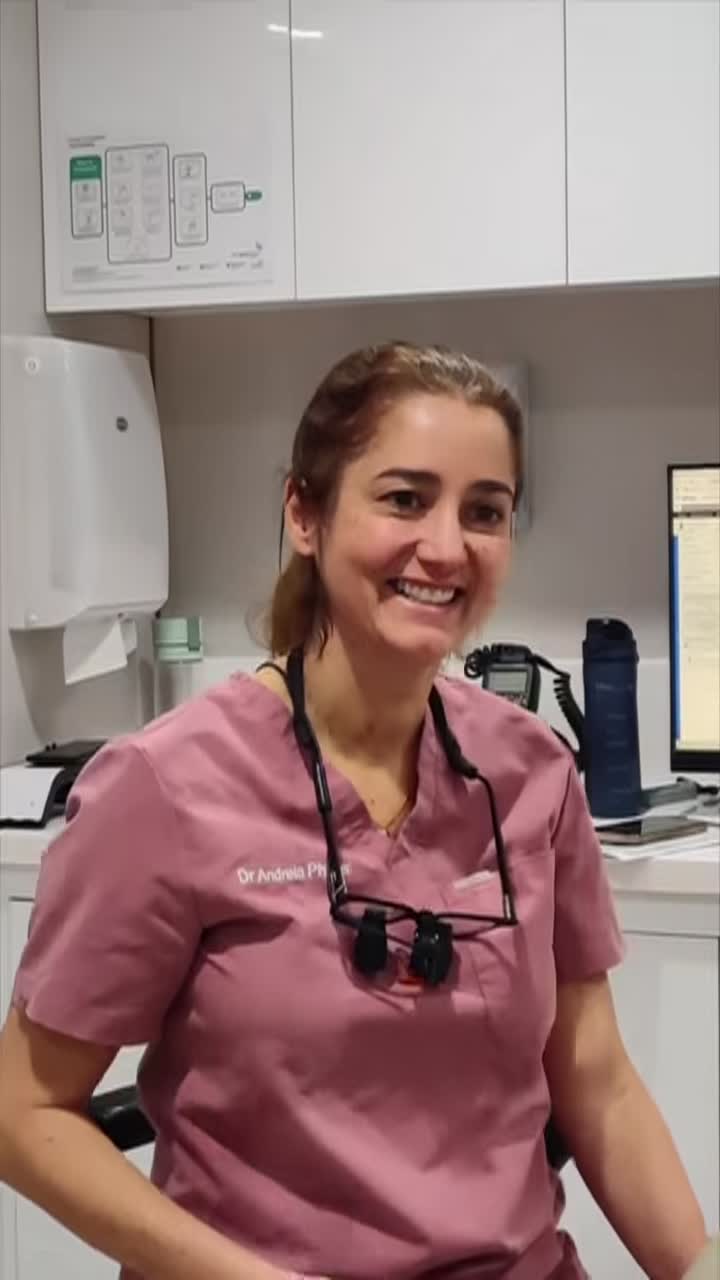
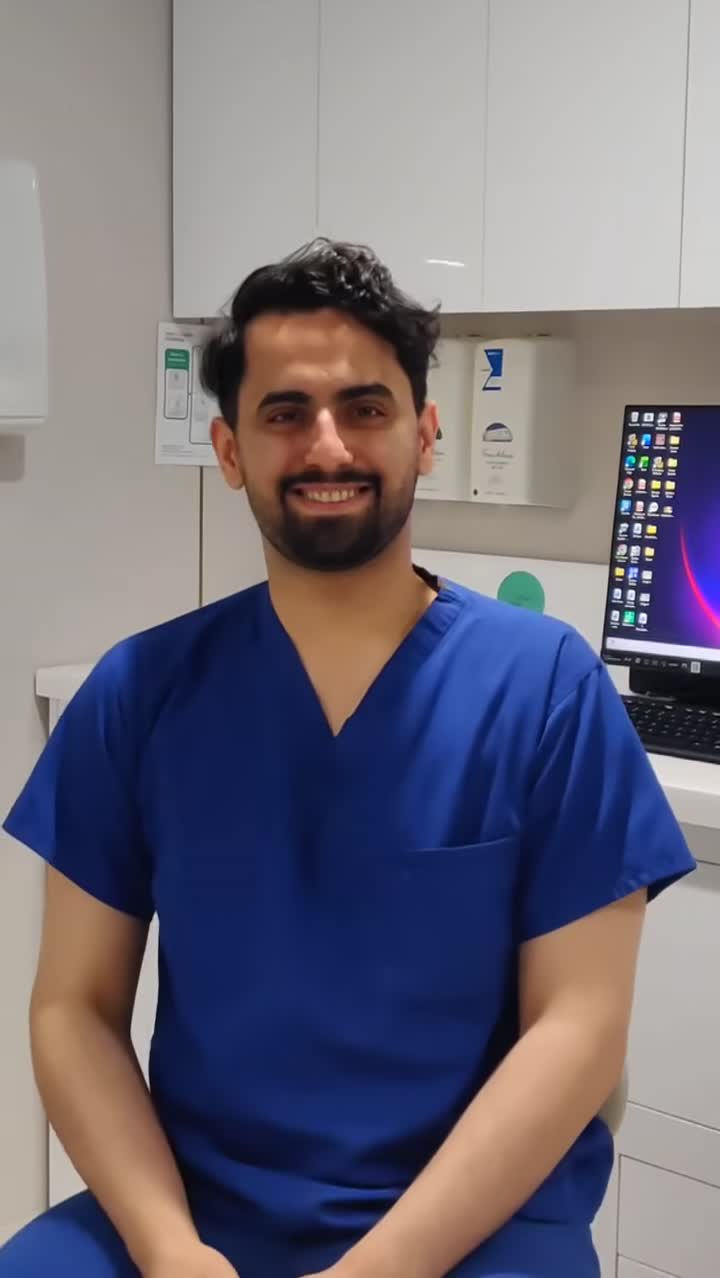
Meet Our Dental Team
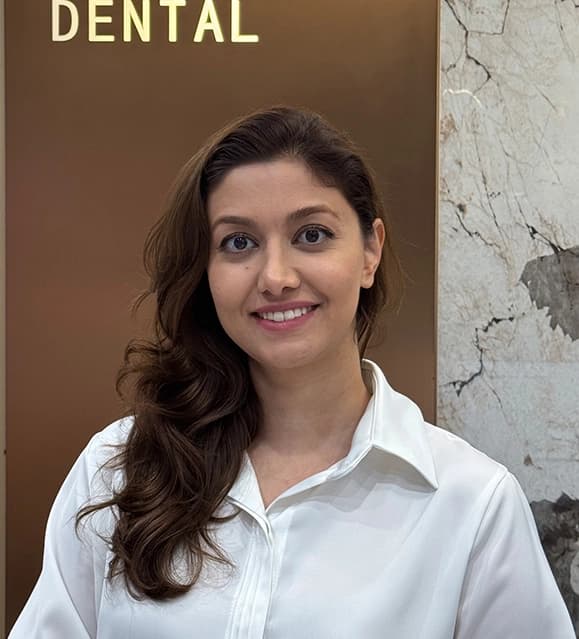
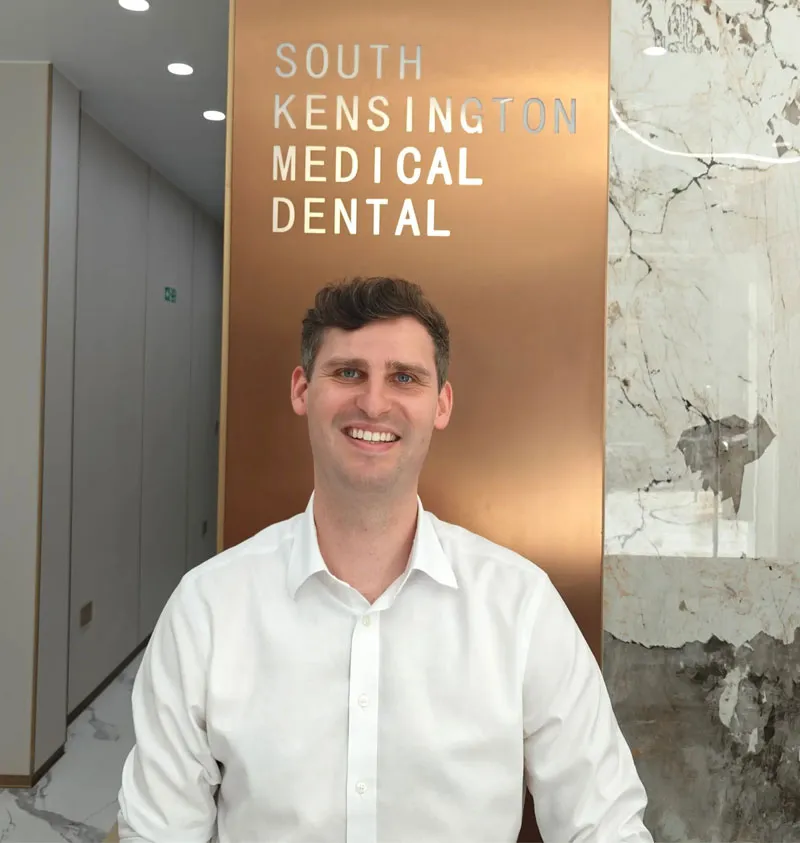
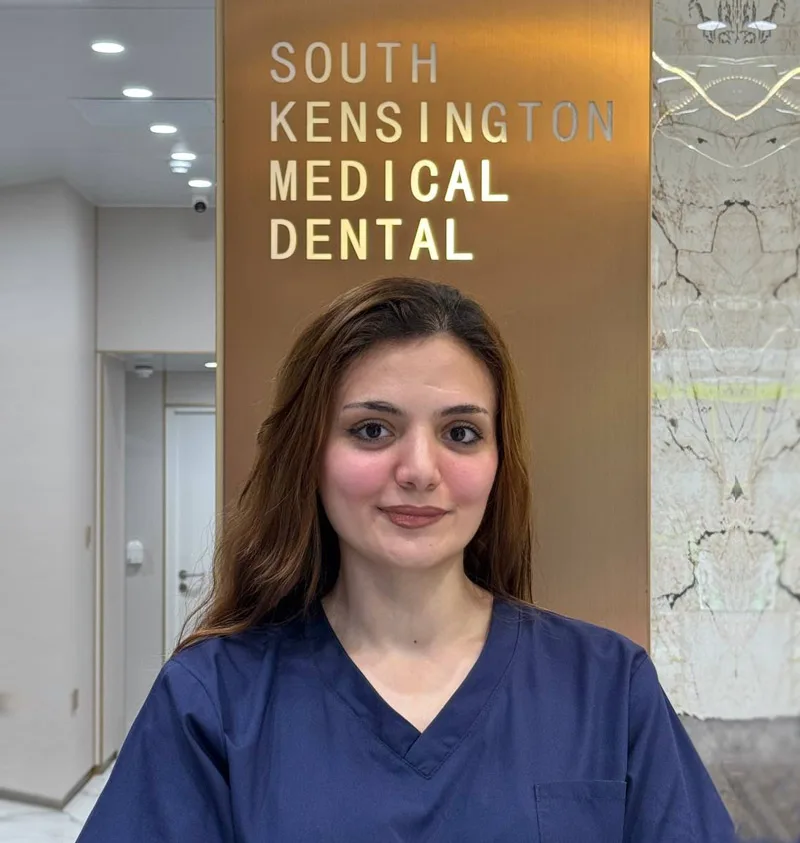
Our experienced dental team is fully qualified and registered with the GDC, delivering safe, high-quality care in line with the highest professional standards.
Because our patients deserve nothing less.







Registered. Regulated. Trusted.
At South Kensington Medical & Dental, we are fully registered with the Care Quality Commission (CQC) and our clinicians are registered with the relevant UK regulatory bodies, including the GDC and GMC. Our dentists, dental nurses and medical professionals deliver care that meets the highest clinical, safety and ethical standards, because our patients deserve nothing less.


We Accept All Major Dental & Health Insurances
We work with all major UK insurers including Bupa, AXA Health, Aviva, Cigna, Vitality, WPA, Unum and Boots Dental Plan. We'll provide the receipts and paperwork you need to claim back your treatment costs.










