Concerned about persistent bad breath? Book an oral health assessment.
Bad Breath (Halitosis)
South Kensington, London
Bad breath — clinically known as halitosis — is a common concern that can affect confidence and social interactions. While occasional breath odour after eating certain foods or upon waking is normal, persistent bad breath may indicate an underlying dental or oral health issue. Dental causes account for the majority of halitosis cases, and a structured assessment can help identify contributing factors. At our South Kensington dental practice, our dentists provide thorough oral health evaluations to help determine the cause of chronic bad breath and discuss appropriate management.
Explore the full range of common dental concerns we assess or read on to understand what may be causing persistent bad breath and when to seek professional advice.
Concerned About Bad Breath?
Let us assess your oral health and recommend appropriate care
- Comprehensive oral examination
- Gum health & pocket assessment
- Decay & restoration check
- Personalised hygiene plan
- Ongoing monitoring support
What Is Halitosis?
Halitosis is the clinical term for persistent bad breath that goes beyond temporary morning breath or the brief odour caused by eating strongly flavoured foods such as garlic or onions. While occasional bad breath is common and typically resolves quickly, chronic bad breath that persists throughout the day — regardless of brushing — may indicate an underlying cause that warrants professional attention.
Research suggests that dental causes account for the majority of halitosis cases. Bacteria in the mouth — particularly those found in plaque, on the tongue surface, and within periodontal pockets — can produce volatile sulphur compounds that are responsible for the characteristic unpleasant odour. Identifying and addressing these contributing factors is the most effective approach to managing the condition.
Common Dental Causes of Bad Breath
Understanding the most frequent dental causes of halitosis can help you recognise when professional assessment may be beneficial.
Plaque and Bacterial Build-Up
- Food debris trapped between teeth provides a food source for odour-producing bacteria
- Inadequate brushing or flossing allows plaque to accumulate on tooth surfaces and along the gumline
- A white or yellowish coating on the tongue can harbour bacteria that contribute to persistent odour
Gum Disease
Gum inflammation — ranging from early gingivitis to more advanced periodontitis — is one of the most common dental causes of chronic bad breath. Inflamed gum tissue and periodontal pockets can harbour bacteria that produce sulphur compounds responsible for unpleasant odour.
If you are concerned about gum health, our dental hygienist team can provide professional cleaning and assessment. For more advanced gum concerns, learn about periodontal disease and how it is managed.
Tooth Decay or Infection
Cavities can trap bacteria and food particles in areas that are difficult to clean. Cracked or damaged teeth may also allow bacteria to enter the inner layers of the tooth. A dental abscess — a pocket of infection at the root of a tooth — can produce a particularly noticeable and persistent odour.
Our general dentistry team can assess for decay, cracks, and infections. If you are experiencing severe pain or swelling, our emergency dentists are available for prompt assessment.
How Dentists Assess Persistent Bad Breath
When you attend our practice with concerns about chronic bad breath, our dentists carry out a structured oral health assessment. The specific approach may vary depending on clinical findings, but typically includes:
Review of your current oral hygiene routine and habits
Clinical examination of teeth, existing restorations, and soft tissues
Gum pocket measurements to assess for periodontal disease
Checking for signs of tooth decay, cracks, or infection
Assessment of the tongue surface and other soft tissues
Radiographs where clinically indicated to evaluate underlying structures
Recommendations depend on the findings of the assessment. Treatment options are discussed once the evaluation is complete.
Experiencing Persistent Bad Breath?
If you are experiencing persistent bad breath despite good daily brushing, a dental assessment can help identify whether gum inflammation, plaque build-up, or tooth decay may be contributing. Book a hygiene and oral health evaluation at our South Kensington clinic to discuss appropriate next steps.
Treatment Options for Dental-Related Halitosis
Treatment is tailored to the specific cause identified during assessment. The following approaches may be recommended depending on clinical findings.
Professional Scale and Polish
Removal of plaque and calculus (tarite) deposits from tooth surfaces and along the gumline. This helps reduce the bacterial load that contributes to odour and supports healthier gum tissue.
Periodontal Therapy
If gum pockets are identified during assessment, deeper cleaning beneath the gumline may be recommended. Periodontal therapy targets bacteria in areas that cannot be reached through routine brushing and helps manage the gum inflammation associated with chronic bad breath.
Treatment of Tooth Decay
If cavities or damaged restorations are found to be contributing to odour, restorative care such as fillings, crowns, or other appropriate treatment may be recommended to address the source of bacterial accumulation.
Personalised Oral Hygiene Advice
Tailored guidance on brushing technique, interdental cleaning, and tongue cleaning can help patients manage plaque more effectively at home. Your dentist or hygienist can recommend specific tools and products suited to your needs.
Treatment aims to manage the contributing factors rather than provide a permanent cure. Ongoing oral hygiene and regular professional care support long-term improvement.
Can Mouthwash Cure Bad Breath?
Mouthwash is widely used and can temporarily freshen breath by masking odour and reducing the number of bacteria in the mouth. However, it is important to understand that mouthwash does not address the underlying causes of persistent bad breath.
Antiseptic or antibacterial mouthwashes may provide short-term relief, but they cannot remove hardened plaque (calculus), reach bacteria deep within gum pockets, or treat tooth decay. If the root cause of halitosis is gum disease, a cavity, or bacterial build-up in areas that mouthwash cannot reach, the odour is likely to return once the masking effect wears off.
Mouthwash can be a useful supplement to a thorough oral hygiene routine — but it is not a substitute for professional assessment and treatment when bad breath persists. Your dentist can advise on whether a specific type of mouthwash may be beneficial as part of your overall care plan.
When Bad Breath May Not Be Dental
While dental causes account for the majority of halitosis cases, persistent bad breath can occasionally be related to non-dental factors. Possible contributors include:
Dry mouth (xerostomia)
Reduced saliva flow allows bacteria to accumulate more readily, which may contribute to odour.
Sinus or nasal conditions
Post-nasal drip or chronic sinus issues can produce odour that may be perceived as bad breath.
Certain medications
Some medications can cause dry mouth or produce chemical changes that affect breath odour.
Smoking and tobacco use
Tobacco products contribute to persistent odour and also increase the risk of gum disease.
Digestive conditions
In some cases, conditions affecting the digestive system may contribute to breath odour.
If no dental cause is identified following assessment, patients may be advised to seek appropriate medical advice to explore other potential contributing factors.
Preventing Chronic Bad Breath
Many cases of persistent bad breath can be managed — and often prevented — with consistent oral hygiene and regular professional care:
Brush twice daily with fluoride toothpaste
Use a soft-bristled toothbrush and gentle technique, spending at least two minutes to clean all surfaces thoroughly — including the inner surfaces of teeth that are often missed.
Clean between your teeth daily
Use interdental brushes or floss to remove plaque and food debris from areas your toothbrush cannot reach. These spaces between teeth are common sites for bacterial odour production.
Clean the tongue gently
The surface of the tongue can harbour odour-causing bacteria. A gentle scrape with a tongue cleaner or soft toothbrush can help reduce this bacterial coating.
Attend regular dental check-ups
Routine examinations allow your dentist to identify early signs of decay, gum disease, or other conditions that may contribute to bad breath before they become more significant.
Maintain routine hygiene visits
Professional cleaning at intervals recommended by your clinician helps remove plaque and calculus that daily brushing alone may not fully address.
Book dental hygienist appointments and routine dental check-ups at our South Kensington practice to help maintain fresh breath and catch early signs of dental concerns.
When Should You Arrange a Dental Assessment?
Consider booking an appointment if you experience any of the following:
Bad breath persists for several weeks despite good daily oral hygiene
Gums bleed regularly during brushing or flossing
There is tooth sensitivity or pain
You notice changes in gum appearance such as redness, swelling, or recession
Bad breath is a common concern and can usually be managed effectively once the contributing factors are identified. A calm, structured assessment is the most reliable way to understand what may be causing the issue.
Frequently Asked Questions
About bad breath and halitosis
Book a Bad Breath Assessment in South Kensington
Persistent bad breath can have several possible causes, many of which are dental and manageable with appropriate care.
Our dental team in South Kensington provides structured hygiene and gum health assessments to help identify contributing factors and recommend suitable treatment. Book your appointment to have your oral health assessed and receive personalised advice.
Open Monday–Sunday • 2 mins from South Kensington tube
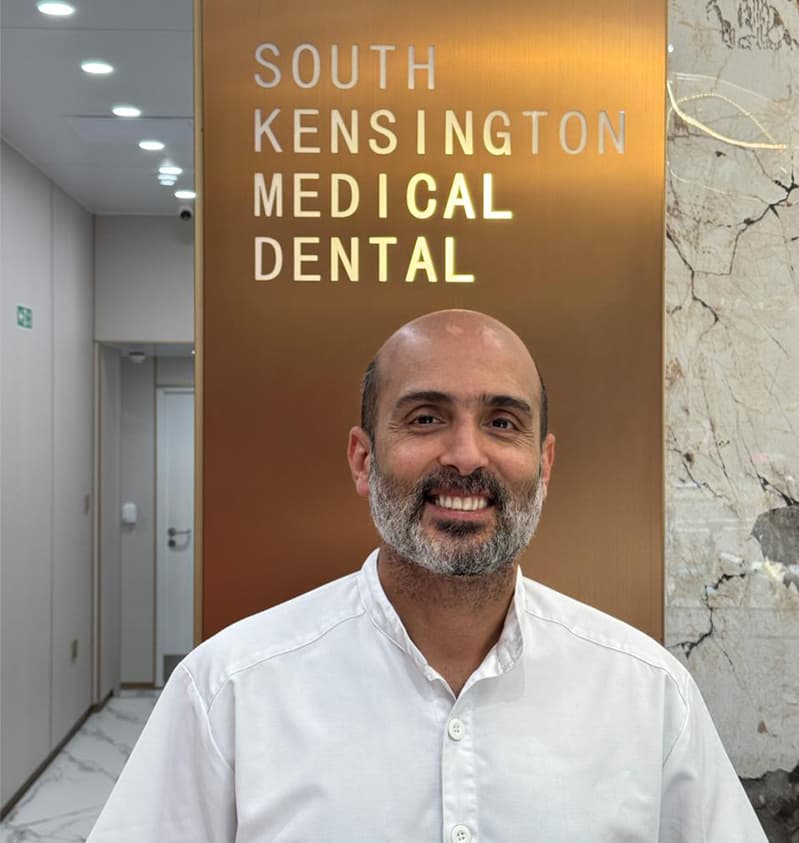
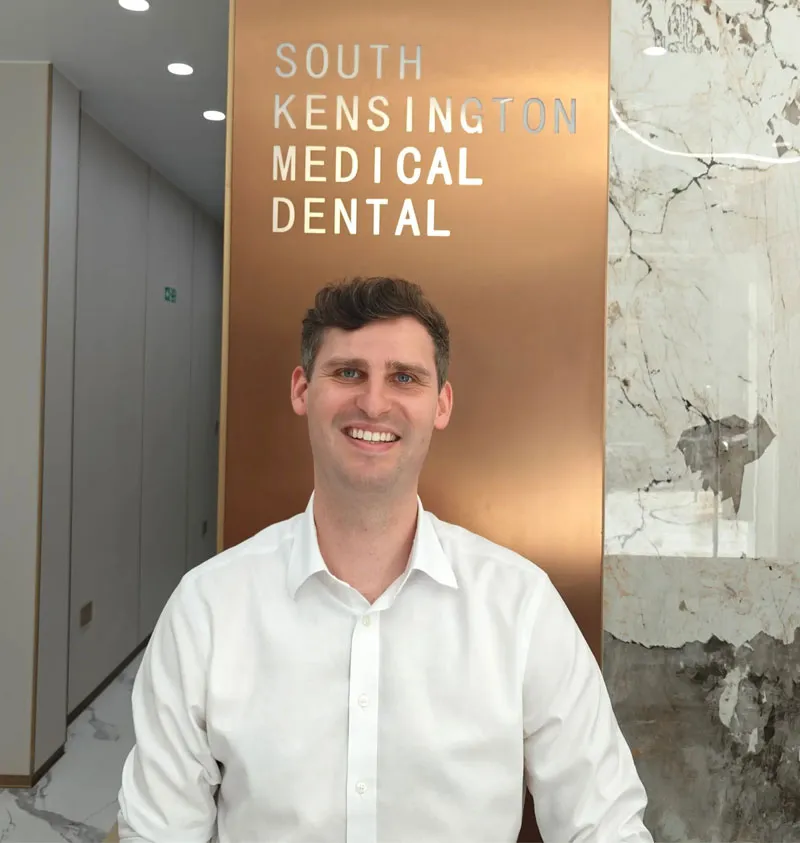
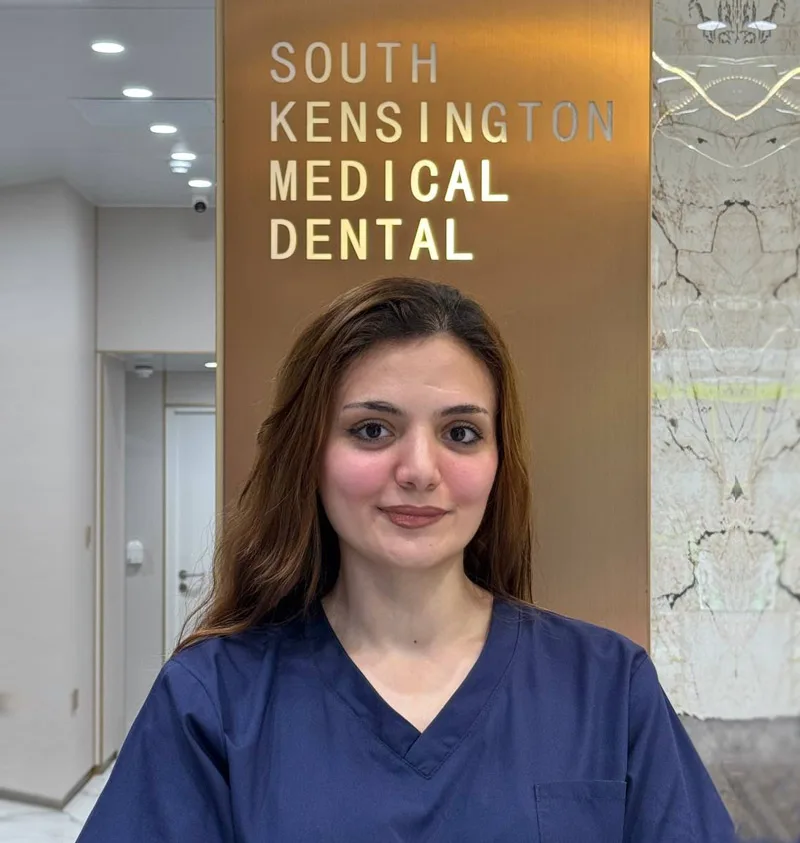
Meet Our Dental Team
Our experienced dental team is fully qualified and registered with the GDC, delivering safe, high-quality care in line with the highest professional standards.
Because our patients deserve nothing less.











Registered. Regulated. Trusted.
At South Kensington Medical & Dental, we are fully registered with the Care Quality Commission (CQC) and our clinicians are registered with the relevant UK regulatory bodies, including the GDC and GMC. Our dentists, dental nurses and medical professionals deliver care that meets the highest clinical, safety and ethical standards, because our patients deserve nothing less.


We Accept All Major Dental & Health Insurances
We work with all major UK insurers including Bupa, AXA Health, Aviva, Cigna, Vitality, WPA, Unum and Boots Dental Plan. We'll provide the receipts and paperwork you need to claim back your treatment costs.










