Dental Abscess Treatment LondonSame-Day Emergency Drainage & Care
A dental abscess is a pocket of pus caused by a bacterial infection. It will not resolve on its own and requires professional dental treatment. Our emergency dentists in London can assess and begin treatment — often on the same day — to help relieve your pain and address the infection.
Emergency Abscess Assessment
New patient offer (usual £95)
- Full clinical examination
- X-rays £20 (£10 members) if needed
- Assessment of infection extent
- Written treatment plan with costs
Or call: 020 7183 2362
Dental Abscess Treatment at Our London Emergency Clinic
A dental abscess is a bacterial infection that produces a collection of pus in or around a tooth. It can cause severe, throbbing pain, facial swelling, and general malaise. Importantly, a dental abscess will not heal on its own — the infection will persist and may spread to other areas if not treated by a dentist.
At South Kensington Medical & Dental, our emergency dentists are experienced in managing dental infections. We aim to see patients with suspected abscesses on the same day, providing drainage where appropriate and discussing the options to address the underlying cause of the infection.
We are open 7 days a week, including late evenings on Tuesdays and Thursdays until 8pm, and weekends (Saturday and Sunday 10am–4pm). Our clinic at 20 Old Brompton Road is directly next to South Kensington Tube Station.
Signs and Symptoms of a Dental Abscess
If you recognise any of these symptoms, we recommend seeking prompt dental assessment.
Intense, throbbing pain that may radiate to the ear, jaw, or neck
Swelling of the face, cheek, or lymph nodes
A foul-tasting discharge if the abscess ruptures
Fever, feeling generally unwell, or malaise
Sensitivity to hot and cold that lingers
Pain that worsens when lying down or biting
Call 999 or go to A&E if: You have difficulty breathing or swallowing, swelling is spreading to the eye or throat, you have a high fever with chills, or the swelling is making it difficult to open your mouth fully. These may indicate a spreading infection that requires urgent medical intervention.
Types of Dental Abscess
Periapical Abscess
The most common type. Occurs at the tip of the tooth root, usually caused by untreated decay that has reached the pulp (nerve). Bacteria enter the dead or dying pulp and create an infection that spreads to the surrounding bone.
Typical treatment: Root canal treatment or extraction
Periodontal Abscess
Develops in the gum tissue, usually alongside an existing gum (periodontal) disease. A pocket forms between the tooth and gum where bacteria accumulate, leading to a localised infection.
Typical treatment: Drainage, deep cleaning, antibiotics
Gingival Abscess
A localised infection in the gum tissue that does not involve the tooth itself. Often caused by a foreign body (such as a popcorn kernel or toothbrush bristle) becoming trapped under the gum.
Typical treatment: Drainage and removal of foreign body
How We Treat Dental Abscesses
Our priority is to address the infection and relieve your pain. Treatment typically follows these steps.
Diagnosis
Clinical examination and digital X-rays to identify the source and extent of the infection. We assess whether the tooth can potentially be saved.
Pain Management
Local anaesthetic to numb the area. We take care to help ensure the anaesthesia is effective even in the presence of infection, where numbing can sometimes be more challenging.
Drainage
If a swelling is present, we may make a small incision to drain the pus, which often provides rapid relief from the pressure-related pain.
Definitive Treatment
Depending on the assessment, this may include root canal treatment to save the tooth, extraction if the tooth cannot be restored, or deep periodontal cleaning for gum abscesses.
Managing a Dental Abscess at Home
These measures may help manage your symptoms while you wait for your emergency appointment. They do not replace professional treatment.
- Take anti-inflammatory painkillers such as Ibuprofen (if suitable for you) to help manage pain and swelling.
- Rinse gently with warm salt water (half a teaspoon of salt in a glass of warm water) several times a day.
- Avoid very hot or very cold food and drinks.
- Do not attempt to drain the abscess yourself — this can spread the infection.
- Keep your head elevated when sleeping to help reduce pressure.
- Complete any prescribed course of antibiotics in full, even if symptoms improve.
Dental Abscess Treatment Costs in London
Transparent pricing. A full treatment plan with costs is always provided before treatment begins.
| Treatment | Member Price* | Non-Member |
|---|---|---|
| Emergency Assessment (New Patient Offer) | £30 | £95 |
| Dental Examination | £47.50 | £95 |
| Digital X-Ray | £10 | £20 |
| Incision & Drainage | from £92.50 | from £185 |
| Root Canal (Front Tooth) | from £347.50 | from £695 |
| Root Canal (Molar) | from £447.50 | from £895 |
| Simple Extraction | from £125 | from £250 |
| Surgical Extraction | from £325 | from £650 |
Frequently Asked Questions About Dental Abscesses
Other Emergency Dental Treatments
Suspect a Dental Abscess? Do Not Wait
Dental abscesses require professional treatment. Our emergency dentists are available 7 days a week.
If you have difficulty breathing or swallowing, or severe facial swelling, call 999 or go to A&E immediately.
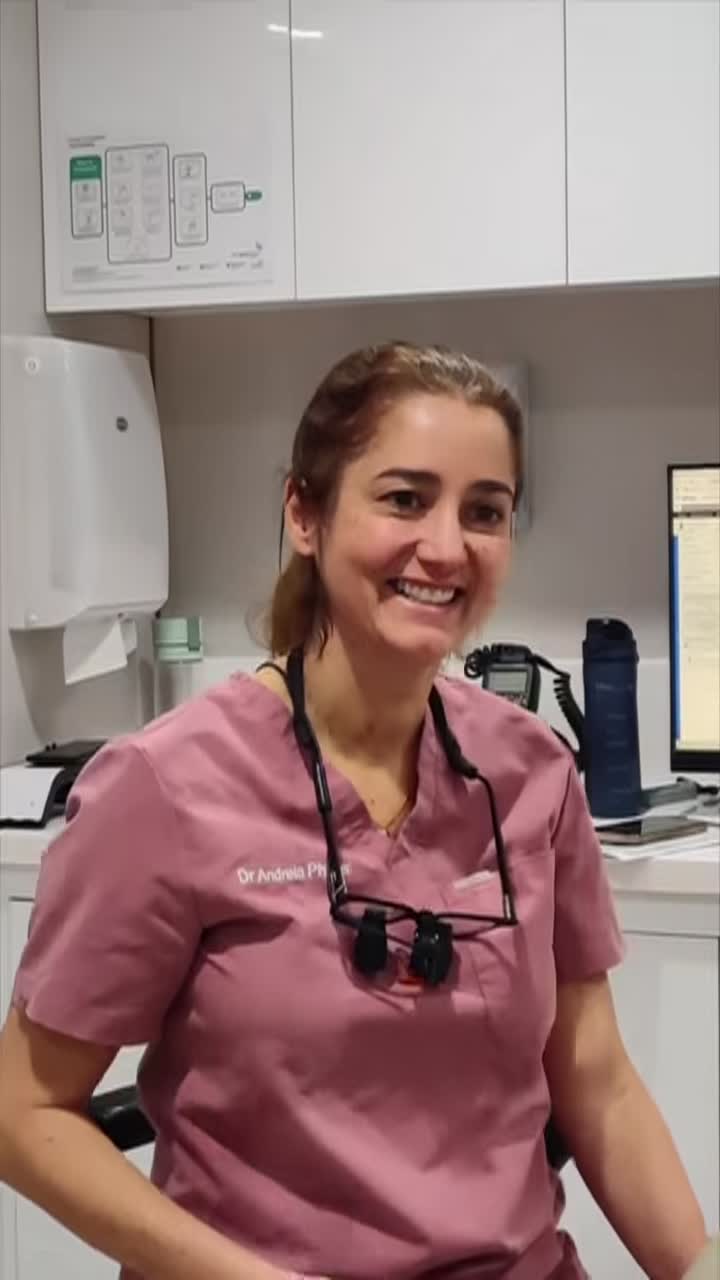
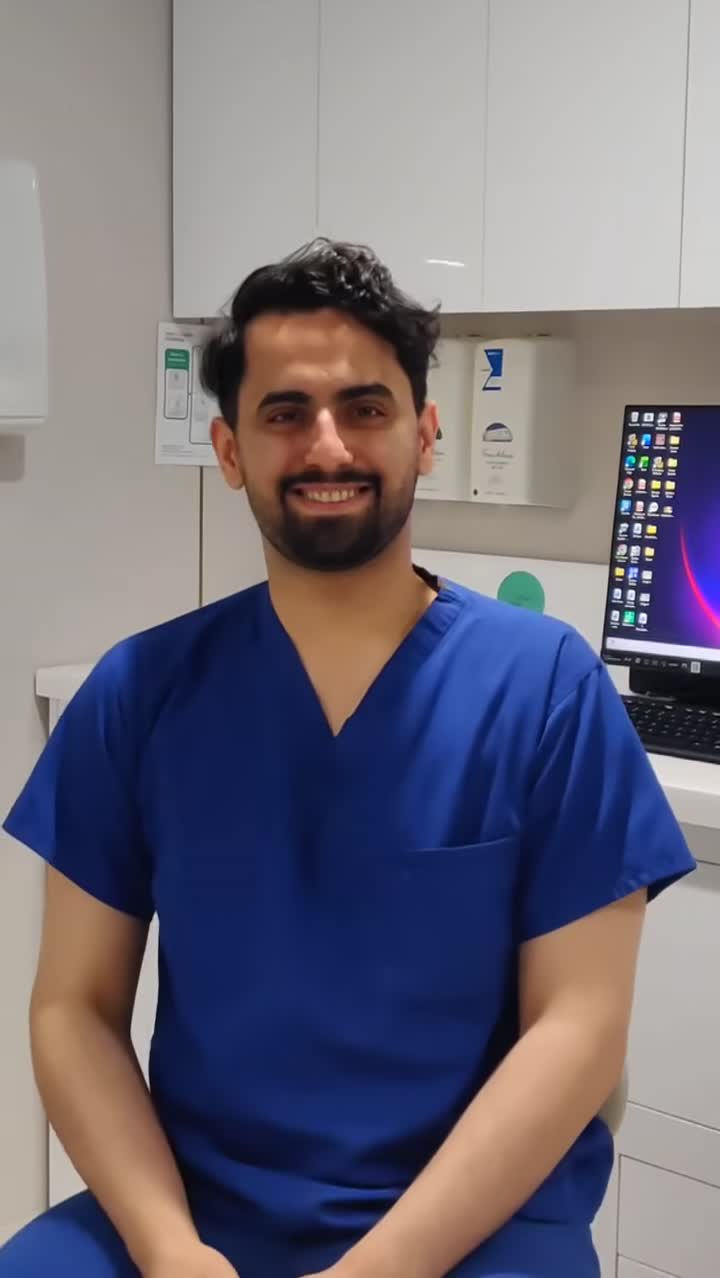
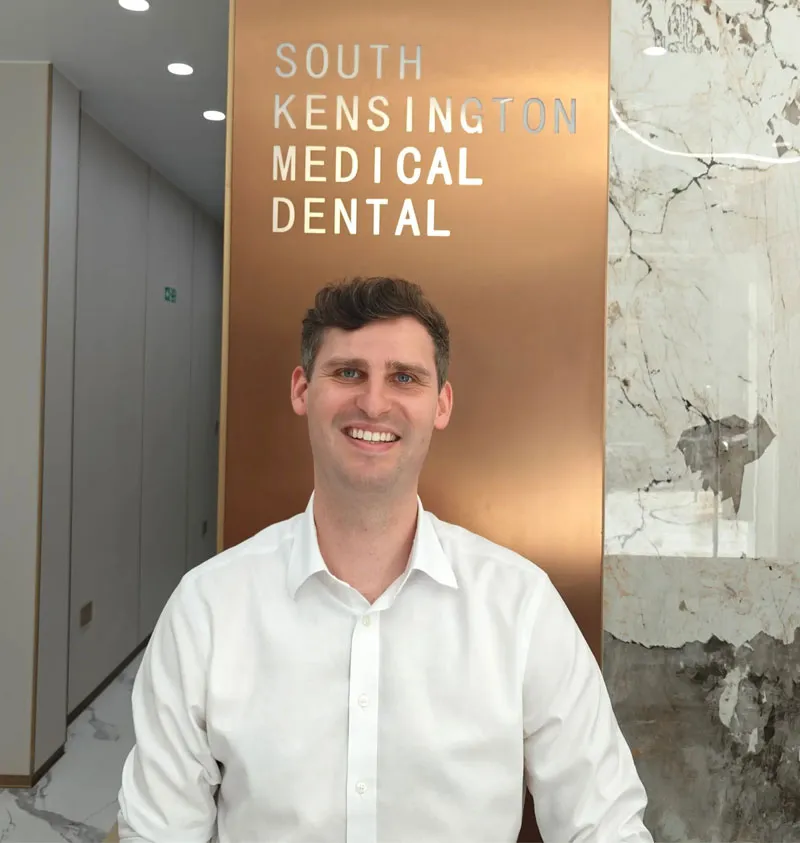
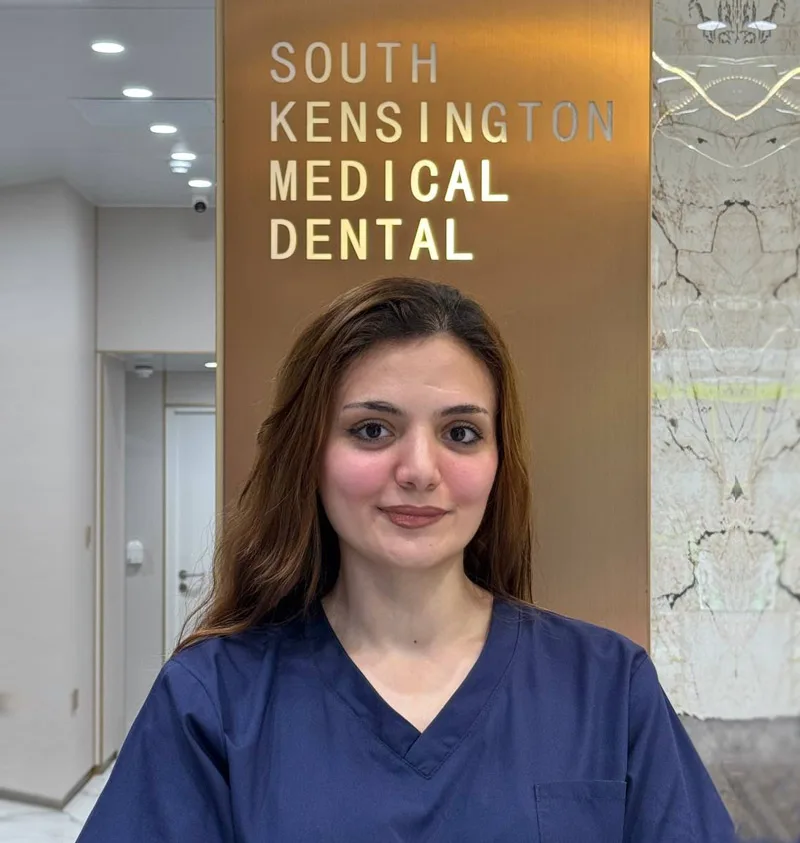
Meet Our Dental Team
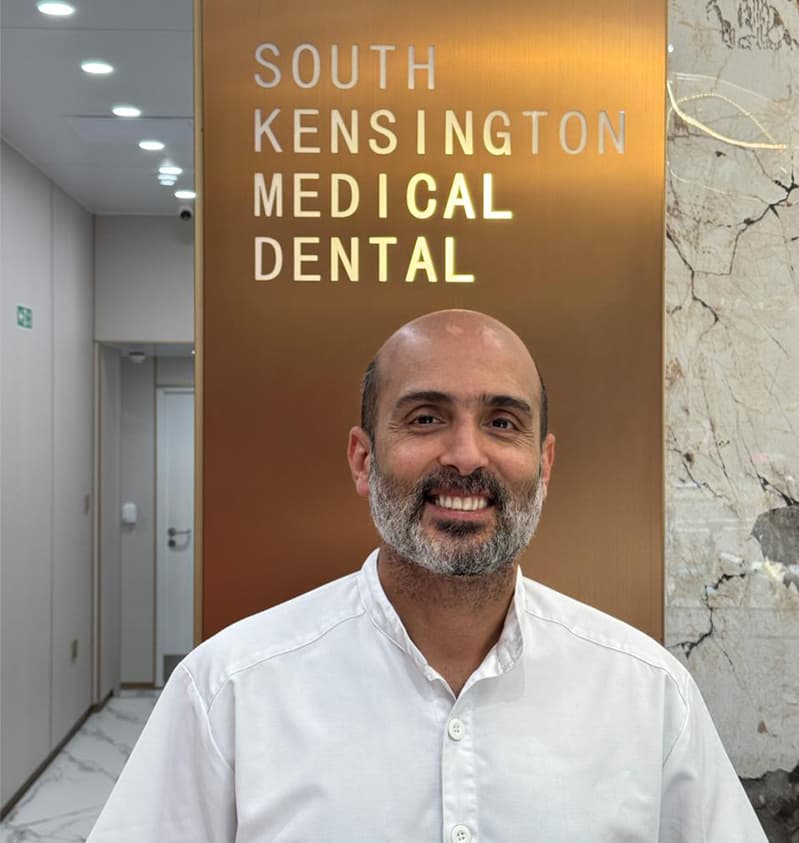
Our experienced dental team is fully qualified and registered with the GDC, delivering safe, high-quality care in line with the highest professional standards.
Because our patients deserve nothing less.









Registered. Regulated. Trusted.
At South Kensington Medical & Dental, we are fully registered with the Care Quality Commission (CQC) and our clinicians are registered with the relevant UK regulatory bodies, including the GDC and GMC. Our dentists, dental nurses and medical professionals deliver care that meets the highest clinical, safety and ethical standards, because our patients deserve nothing less.


We Accept All Major Dental & Health Insurances
We work with all major UK insurers including Bupa, AXA Health, Aviva, Cigna, Vitality, WPA, Unum and Boots Dental Plan. We'll provide the receipts and paperwork you need to claim back your treatment costs.