Wisdom tooth pain? Book an urgent assessment today.
Wisdom Tooth Pain (Pericoronitis)
South Kensington, London
Wisdom tooth pain is one of the most common reasons patients seek urgent dental care. It often presents as a persistent ache at the back of the mouth, sometimes accompanied by swelling of the surrounding gum tissue, difficulty chewing, and discomfort when opening the jaw. In many cases the pain is caused by pericoronitis — an inflammation of the gum tissue that partially covers an erupting or impacted wisdom tooth. At our South Kensington dental practice our dentists provide thorough clinical assessment, digital imaging where appropriate, and a clear discussion of management options tailored to your situation.
Explore the full range of dental conditions we treat or read on to understand the causes and management of wisdom tooth pain and pericoronitis.
Wisdom Tooth Causing Pain?
Professional assessment can identify the cause
- Clinical examination of wisdom teeth
- Digital X-rays where indicated
- Assessment of gum inflammation
- Evaluation of impaction
- Clear discussion of treatment options
What Is Pericoronitis?
Pericoronitis is an inflammatory condition that occurs when the gum tissue partially covering an erupting wisdom tooth becomes inflamed or infected. It most commonly affects the lower wisdom teeth, where the gum flap — known as an operculum — creates a pocket that is difficult to keep clean.
Food debris and bacteria become trapped beneath this gum flap during normal eating and brushing. Over time the accumulation triggers an inflammatory response, producing the swollen gum around the wisdom tooth, localised pain, and sometimes discharge that patients typically describe as a bad taste.
In milder cases, pericoronitis causes discomfort and tenderness that may settle with improved hygiene and salt-water rinses. In more significant cases, the inflammation can develop into an active infection, with the potential for swelling to spread into the cheek, jaw, or surrounding tissue planes. Professional assessment is important to determine the severity and most appropriate course of action.
Symptoms of Wisdom Tooth Pain
An infected wisdom tooth or episode of pericoronitis may present with one or more of the following symptoms:
These symptoms are indicative but cannot confirm a diagnosis on their own. A clinical examination is required to establish the cause.
Why Do Wisdom Teeth Cause Problems?
Several factors make wisdom teeth particularly prone to pain and infection.
Partial Eruption
When a wisdom tooth only partially breaks through the gum, a flap of tissue (operculum) remains over part of the crown. This flap creates a sheltered pocket where food debris and bacteria readily accumulate, leading to inflammation and pericoronitis.
Impacted Wisdom Teeth
Wisdom teeth that are angled, tilted, or trapped against the adjacent molar are described as impacted. Impacted wisdom tooth pain can arise from pressure on neighbouring teeth, cyst formation, or infection in the surrounding tissues.
Trapped Food and Bacteria
The position of wisdom teeth at the very back of the mouth makes thorough cleaning difficult. Bacteria and food particles become trapped around or beneath the gum flap, creating an environment that promotes infection and swelling.
Recurrent Inflammation
Pericoronitis frequently follows a relapsing pattern. The gum may settle after an episode, only for symptoms to return weeks or months later when bacteria re-accumulate. Repeated episodes often indicate that the underlying cause needs to be addressed.
When Is Wisdom Tooth Pain an Emergency?
Most episodes of wisdom tooth pain benefit from prompt dental assessment. However, certain signs may suggest a more significant problem requiring urgent attention:
Increasing facial or jaw swelling
Swelling that grows noticeably over hours may indicate the infection is spreading beyond the immediate area of the wisdom tooth.
Difficulty swallowing
If swelling affects your ability to swallow, this may suggest the infection is tracking into deeper tissue planes. Seek urgent medical attention.
Fever or feeling systemically unwell
A raised temperature alongside wisdom tooth pain and swelling may indicate that the infection is affecting the wider body.
Severe pain affecting daily activities
Pain that prevents you from eating, sleeping, or concentrating warrants prompt professional assessment.
Difficulty breathing
Any compromise to your airway is a medical emergency. Call 999 or attend A&E immediately.
Important: If you experience difficulty breathing or swallowing, please attend your nearest A&E department or call 999 immediately. These symptoms may indicate a medical emergency requiring hospital-level care.
Struggling with Wisdom Tooth Pain?
If you are experiencing discomfort or swelling around a wisdom tooth, our dentists in South Kensington can provide a thorough examination and discuss appropriate treatment options.
How We Assess Wisdom Tooth Pain
When you attend our South Kensington clinic with impacted wisdom tooth pain or symptoms of pericoronitis, our dentists follow a careful assessment process:
Clinical examination of the wisdom tooth area, surrounding gum, and adjacent teeth
Assessment of gum inflammation, swelling, and any discharge
Digital X-rays where required to evaluate the position, angulation, and root anatomy of the wisdom tooth
Evaluation of impaction and proximity to important structures such as the inferior dental nerve
Review of your symptoms, medical history, and any previous episodes
Not every wisdom tooth requires immediate extraction. Your dentist will discuss the most appropriate management based on the clinical and radiographic findings.
Treatment Options for Pericoronitis
The recommended treatment depends on the severity and frequency of your symptoms.
Local Cleaning & Irrigation
The area beneath the gum flap is gently irrigated to remove trapped food debris, plaque, and bacteria. This can help reduce inflammation and discomfort. Your dentist may also provide specific oral hygiene advice for cleaning around the wisdom tooth at home, including the use of a small interdental brush or chlorhexidine mouthwash where appropriate.
Infection Management
In cases where infection has developed, the dentist will assess the extent and determine the most appropriate management. Monitoring may be sufficient for mild cases. Where the infection is spreading or you are feeling systemically unwell, antibiotics may be prescribed if clinically indicated.
Note: Antibiotics are not routinely required for every episode of pericoronitis. They are prescribed only when there is evidence of spreading infection or systemic involvement, and they are not a substitute for addressing the underlying cause.
Wisdom Tooth Removal Pathway
When pericoronitis recurs, when the wisdom tooth is significantly impacted, or when it is contributing to problems with the adjacent molar, wisdom tooth removal may be recommended. Extraction removes the source of the recurring inflammation and prevents future episodes.
Your dentist will discuss the procedure, potential risks (including temporary nerve effects for lower wisdom teeth), and the expected recovery timeline before proceeding.
Not every wisdom tooth needs to be removed. The decision is based on a careful assessment of the clinical situation, symptoms, and X-ray findings.
Can Wisdom Tooth Pain Come and Go?
Yes. One of the hallmarks of pericoronitis is its tendency to follow a relapsing and remitting pattern. The gum around the wisdom tooth may become inflamed and painful for several days, then settle as the acute inflammation subsides — only to return weeks or months later.
This pattern often gives a false sense of reassurance. While the pain may resolve temporarily, the underlying anatomical situation — a partially erupted tooth with a gum flap trapping bacteria — remains unchanged. Each recurrence increases the cumulative burden of infection on the surrounding tissues.
Professional evaluation can help determine whether the wisdom tooth is likely to continue causing problems and whether preventive removal would be beneficial. Addressing the issue between acute episodes, when inflammation is minimal, is generally more straightforward than treating during an active flare-up.
Preventing Recurrent Pericoronitis
If you have partially erupted wisdom teeth, these steps can help reduce the frequency and severity of pericoronitis episodes:
Improve oral hygiene around wisdom teeth
Use a small-headed toothbrush or single-tufted brush to clean carefully behind and around your back teeth. A chlorhexidine mouthwash may also help control bacteria in the area.
Attend regular dental examinations
A routine dental examination allows your dentist to monitor wisdom teeth, assess for changes, and intervene early if problems are developing.
Consider early removal if infections recur
If you experience two or more episodes of pericoronitis, or if X-rays show the wisdom tooth is unlikely to erupt fully, your dentist may recommend planned extraction to prevent further episodes.
Frequently Asked Questions
About wisdom tooth pain and pericoronitis
Book a Wisdom Tooth Assessment in South Kensington
If you are experiencing wisdom tooth pain or signs of pericoronitis, our experienced dental team can provide careful assessment and discuss appropriate treatment options.
Open Monday–Sunday • 2 mins from South Kensington tube
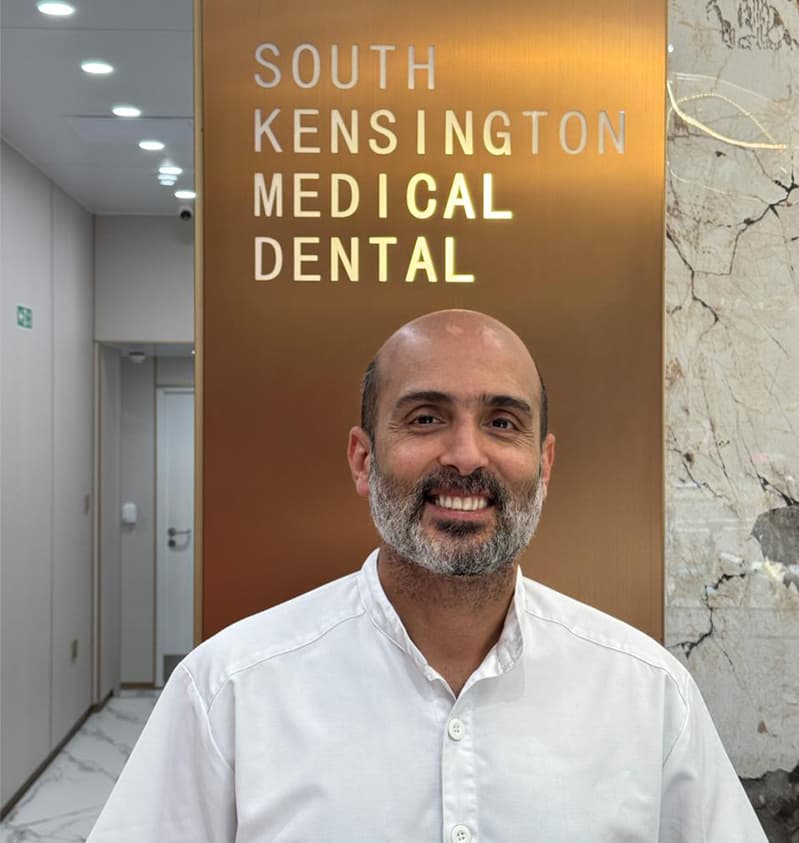
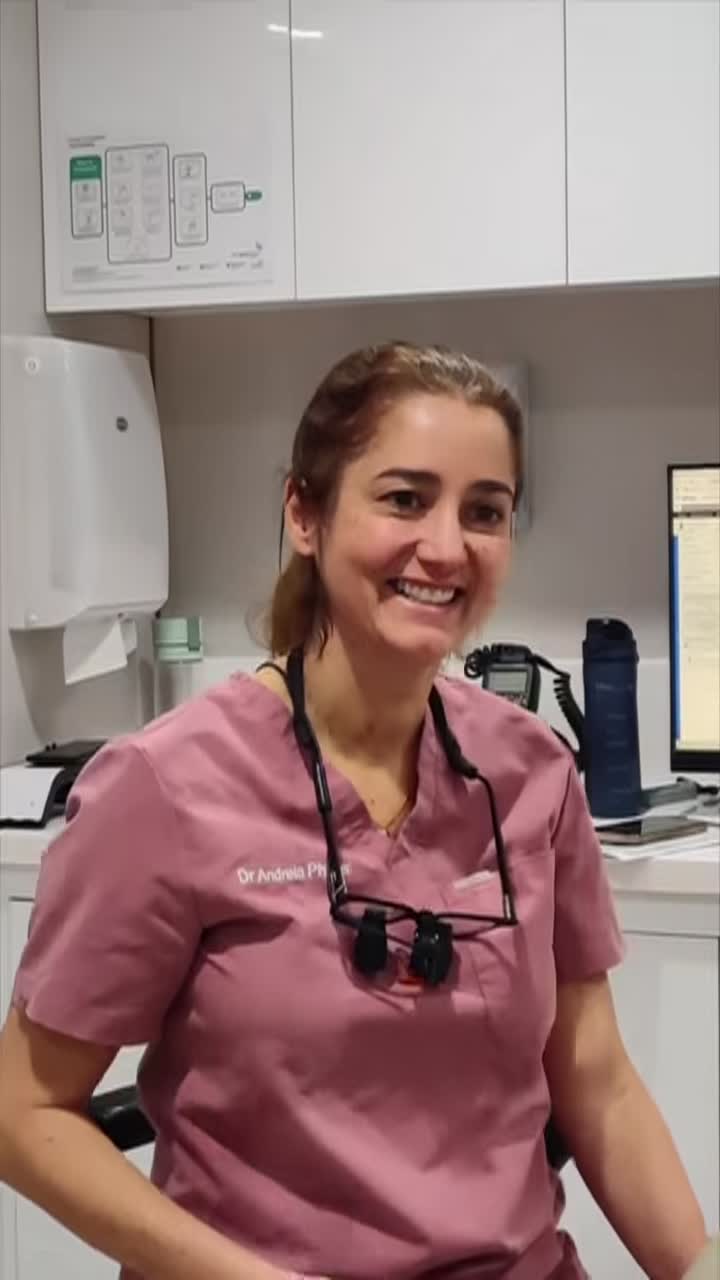
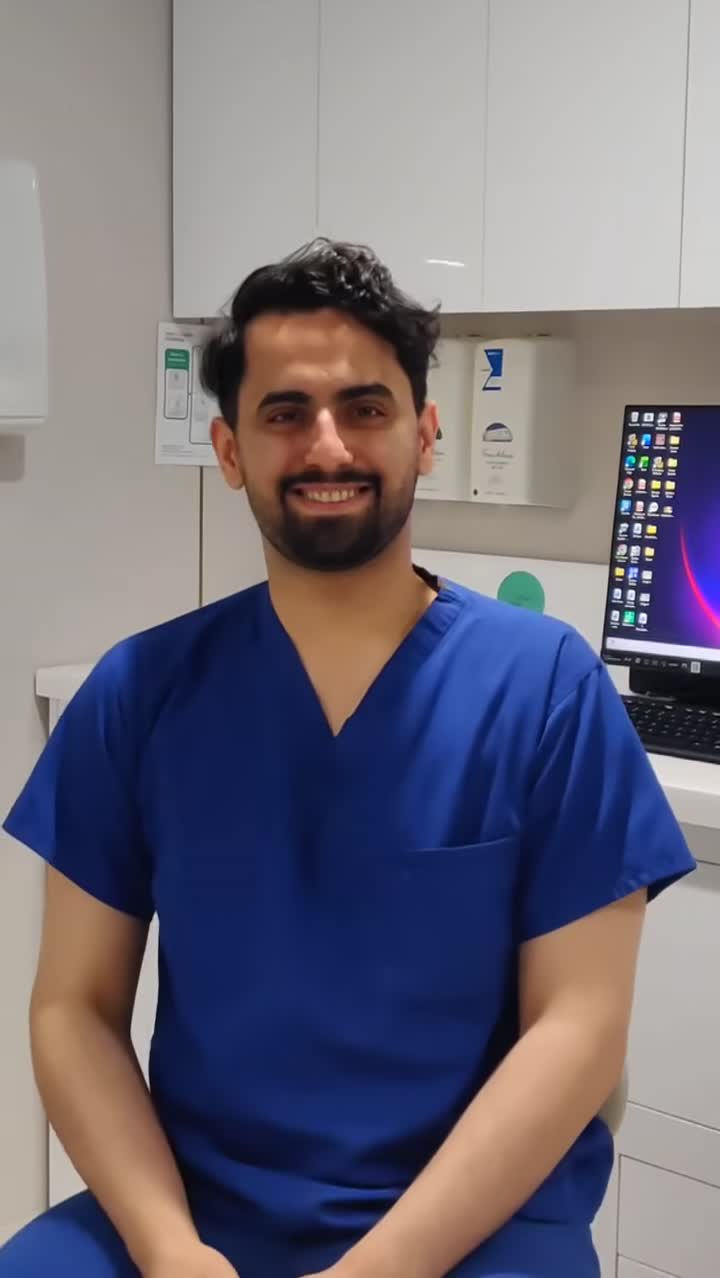
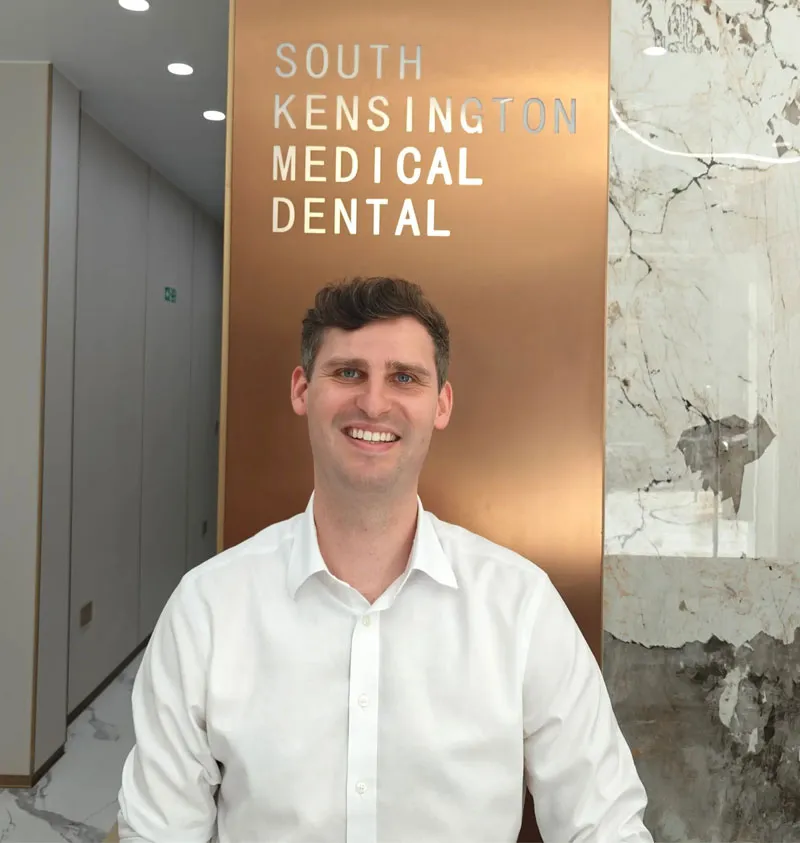
Meet Our Dental Team
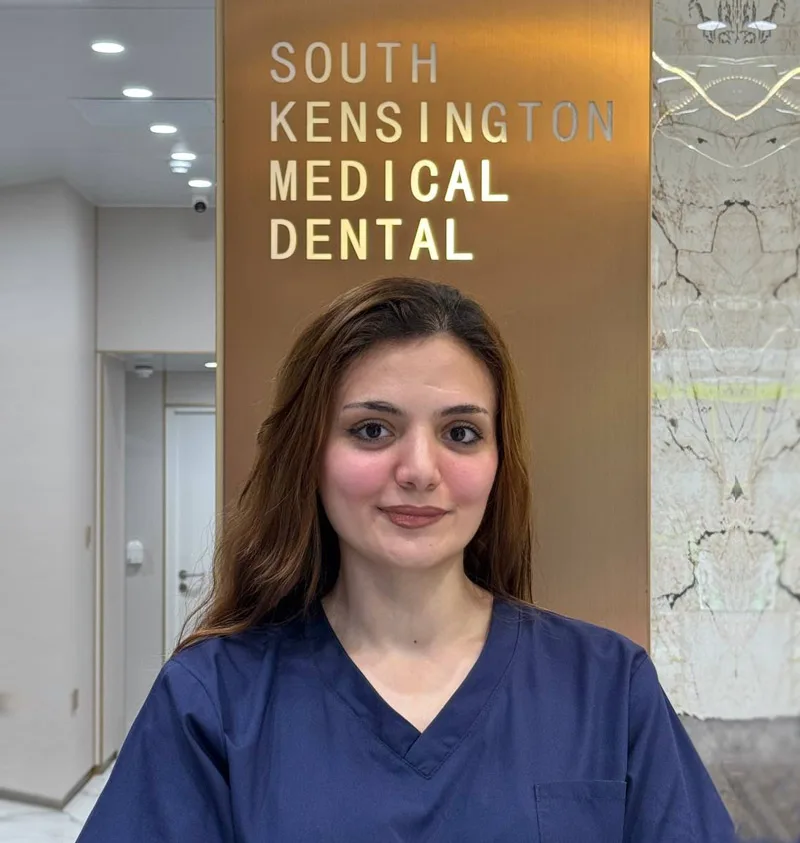
Our experienced dental team is fully qualified and registered with the GDC, delivering safe, high-quality care in line with the highest professional standards.
Because our patients deserve nothing less.









Registered. Regulated. Trusted.
At South Kensington Medical & Dental, we are fully registered with the Care Quality Commission (CQC) and our clinicians are registered with the relevant UK regulatory bodies, including the GDC and GMC. Our dentists, dental nurses and medical professionals deliver care that meets the highest clinical, safety and ethical standards, because our patients deserve nothing less.


We Accept All Major Dental & Health Insurances
We work with all major UK insurers including Bupa, AXA Health, Aviva, Cigna, Vitality, WPA, Unum and Boots Dental Plan. We'll provide the receipts and paperwork you need to claim back your treatment costs.










