Experiencing dental pain? Book an assessment today.
Toothache (Dental Pain)
South Kensington, London
A toothache can range from mild, intermittent sensitivity to severe, throbbing tooth pain that disrupts daily life and sleep. Dental pain may be triggered by hot or cold foods, pressure when biting, or it may develop as a persistent ache with no obvious cause. Whatever its nature, a toothache is your body signalling that something requires attention. At our South Kensington dental practice our dentists provide thorough clinical examination, digital imaging where appropriate, and a clear discussion of treatment options tailored to the cause of your discomfort.
Explore the full range of dental conditions we treat or read on to understand the causes of toothache and when to see a dentist for toothache.
Suffering from Toothache?
Let us identify the cause and help you feel better
- Thorough clinical examination
- Digital X-rays where needed
- Bite & sensitivity testing
- Clear explanation of findings
- Personalised treatment plan
What Is a Toothache?
A toothache is pain that originates from within or around a tooth. It may arise from the tooth pulp (the inner chamber containing nerves and blood vessels), the surrounding gum tissue, the periodontal ligament that anchors the tooth, or the supporting jawbone.
Dental pain can be constant or intermittent. Some patients experience a dull, lingering ache, while others describe sharp, throbbing tooth pain that comes in waves. The discomfort may be triggered by specific stimuli — such as hot or cold food, pressure when biting, or sweet foods — or it may be present without any obvious trigger.
Because many different conditions can produce similar symptoms, the precise cause of a toothache can only be established through a clinical examination. Understanding what is driving your pain is the first step toward appropriate and effective treatment.
Common Causes of Toothache
Dental pain can originate from a wide range of conditions. Here are the most common causes our dentists see.
Tooth Decay (Cavities)
Dental decay is the most common cause of toothache. As bacteria erode the enamel and progress into the softer dentine, the tooth becomes increasingly sensitive. If left untreated, decay can reach the nerve, causing persistent or severe tooth pain.
Typical symptoms: Sensitivity to sweet foods, visible dark spots, pain when biting.
Dental Abscess or Infection
When bacteria reach the pulp of the tooth, an infection can develop at the root tip, forming an abscess. This often causes intense, throbbing tooth pain, and may be accompanied by swelling and fever. Tooth infection symptoms should be assessed promptly.
Typical symptoms: Throbbing pain, swelling, bad taste, feeling unwell.
Cracked or Fractured Tooth
A crack in a tooth may cause sharp pain when biting or releasing pressure. The pain can be intermittent, making it challenging to identify without professional examination. Cracks can result from trauma, grinding, or biting hard objects.
Typical symptoms: Sharp pain on biting, sensitivity to temperature changes.
Gum Disease
Periodontal disease causes inflammation and infection of the gums and supporting bone. As it progresses, teeth may become tender, mobile, and painful. Gum-related dental pain is often accompanied by bleeding and recession.
Typical symptoms: Tender gums, bleeding when brushing, loose teeth.
Impacted Wisdom Tooth
Wisdom teeth that are partially erupted or trapped beneath the gum can cause localised pain, swelling, and difficulty opening the mouth. Food trapping around a partially erupted wisdom tooth can also lead to infection.
Typical symptoms: Pain at the back of the mouth, jaw stiffness, swollen gum.
Failing Fillings or Crowns
Old or deteriorating restorations can allow bacteria to re-enter the tooth, causing secondary decay and renewed sensitivity or pain. A filling that has cracked or lost its seal may expose underlying dentine or pulp.
Typical symptoms: Sensitivity around an existing restoration, rough edges.
Teeth Grinding (Bruxism)
Habitual clenching or grinding places excessive force on the teeth, jaw muscles, and temporomandibular joint. This can lead to generalised tooth soreness, jaw ache, and headaches, particularly on waking.
Typical symptoms: Morning jaw pain, worn tooth surfaces, headaches.
Symptoms That May Accompany Dental Pain
A toothache is rarely an isolated symptom. You may also notice one or more of the following:
These symptoms provide helpful clues but cannot replace a professional diagnosis. A clinical examination is needed to confirm the underlying cause.
When Should You See a Dentist for Toothache?
It is generally advisable to seek a dental assessment if you experience any of the following:
Pain lasting more than 48 hours
Dental pain that persists beyond a couple of days is unlikely to resolve on its own and warrants professional assessment.
Severe pain interfering with sleep or daily activities
Pain that disrupts your ability to eat, work, or sleep suggests a problem that may benefit from prompt treatment.
Swelling of the face, gum, or jaw
Swelling may indicate an infection that requires clinical evaluation and management.
Pain following trauma or injury
A blow to the mouth can damage teeth in ways that are not immediately visible. An examination and X-ray can assess for fractures or nerve damage.
Recurring or intermittent dental pain
Pain that comes and goes may indicate an underlying issue — such as a crack or early infection — that could progress if left unaddressed.
Need an Urgent Dental Assessment?
If you are experiencing ongoing or severe dental pain, our experienced dentists in South Kensington can carry out a thorough examination and discuss appropriate treatment options.
How We Assess Toothache at South Kensington Medical & Dental
When you attend our clinic with dental pain, our dentists follow a structured process to identify the cause and plan appropriate treatment:
Thorough clinical examination of the affected tooth and surrounding structures
Digital X-rays where clinically necessary to evaluate roots, bone, and hidden decay
Bite evaluation to test for cracks or occlusal issues
Review of your dental history and any previous treatments on the tooth
Clear discussion of findings and appropriate treatment options
Treatment may begin at the same visit or be planned as a follow-up depending on the diagnosis and the type of treatment required.
Treatment Options for Toothache
The appropriate treatment depends on the underlying cause of your dental pain.
Dental Fillings
When toothache is caused by decay that has not yet reached the nerve, removing the decayed tissue and placing a dental filling can restore the tooth and resolve the source of pain. Modern tooth-coloured composite materials blend naturally with your existing tooth structure.
Root Canal Treatment (RCT)
When infection or inflammation has reached the nerve inside the tooth, root canal treatment aims to save the tooth by removing the infected pulp, cleaning and disinfecting the root canals, and sealing the space. The tooth is then typically restored with a crown for long-term protection and function.
Tooth Extraction
When a tooth is too severely damaged to be predictably saved, extraction may be necessary to remove the source of pain and infection. Our approach always prioritises preservation of natural teeth wherever clinically possible. When extraction is required, replacement options will be discussed with you at the appropriate time.
Wisdom Tooth Treatment
Pain at the back of the mouth is often related to wisdom teeth that are impacted, partially erupted, or infected. Our dentists can assess the position and condition of your wisdom teeth and discuss management options. Learn more about wisdom tooth treatment at our South Kensington practice.
Managing Toothache Before Your Appointment
While waiting for your dental appointment, the following measures may help manage discomfort:
Avoid chewing on the affected side
Reducing pressure on the painful tooth can help minimise discomfort until your appointment.
Maintain gentle oral hygiene
Continue brushing and flossing carefully. Keeping the area clean may help prevent worsening of symptoms.
Avoid extreme hot or cold foods
Temperature extremes can aggravate sensitivity. Lukewarm food and drinks may be more comfortable.
Seek pharmacist advice for pain relief
Your pharmacist can advise on appropriate over-the-counter pain relief. Always follow the instructions on the packaging.
These are temporary comfort measures only. They do not treat the underlying cause of the pain.
Can Toothache Resolve Without Treatment?
A toothache may appear to improve temporarily — for example, if an abscess drains spontaneously or if the nerve inside the tooth becomes non-vital. However, a temporary reduction in pain does not mean the underlying problem has been resolved.
Dental decay continues to progress, infections can spread to adjacent teeth or surrounding bone, and a cracked tooth may fracture further under normal biting forces. In each case, the condition is likely to return — often in a more advanced form that requires more complex treatment.
Seeking assessment sooner rather than later generally allows for more conservative, more predictable, and less costly treatment. Early intervention is one of the most effective ways to protect your long-term dental health.
Frequently Asked Questions
About toothache and dental pain treatment
Book a Toothache Assessment in South Kensington
Our dental team provides careful assessment and personalised treatment planning for patients experiencing dental pain in London.
Open Monday–Sunday • 2 mins from South Kensington tube
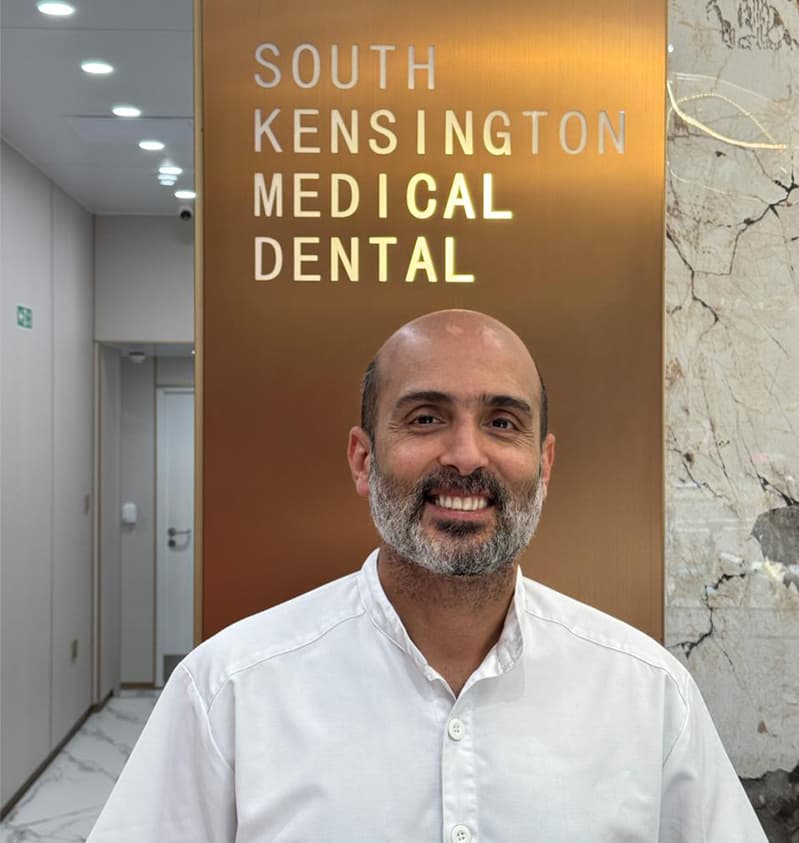
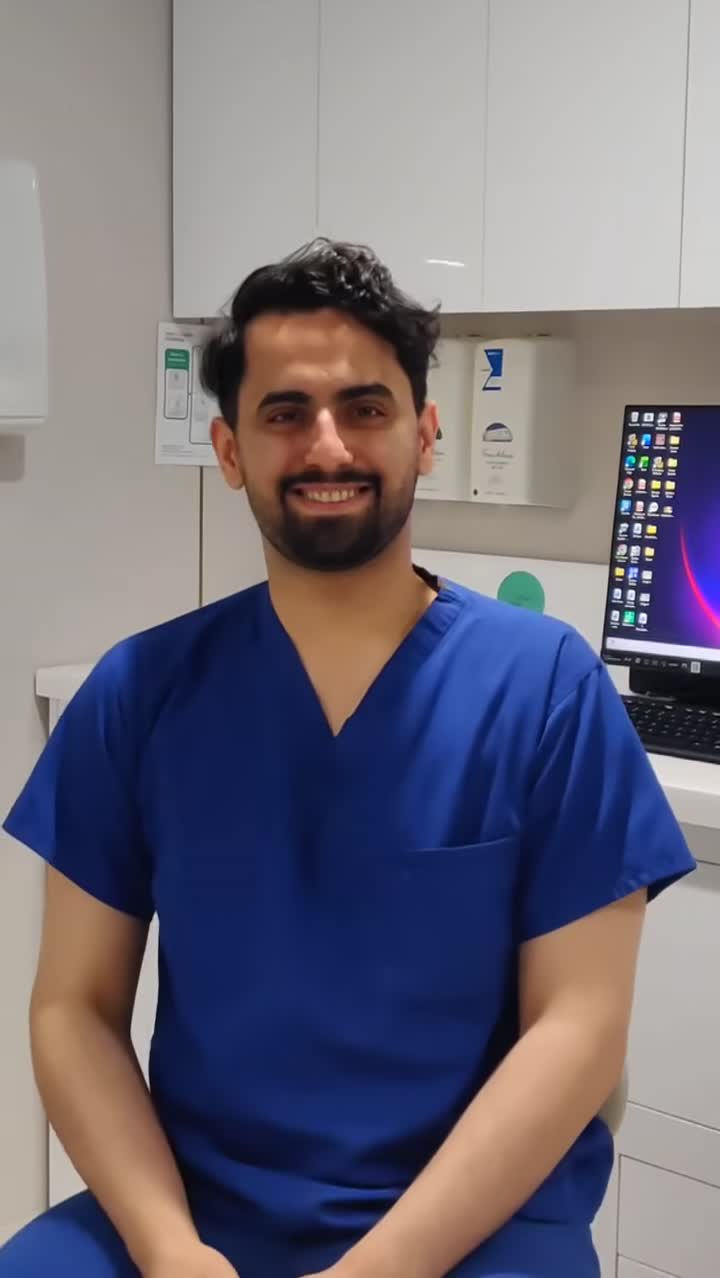
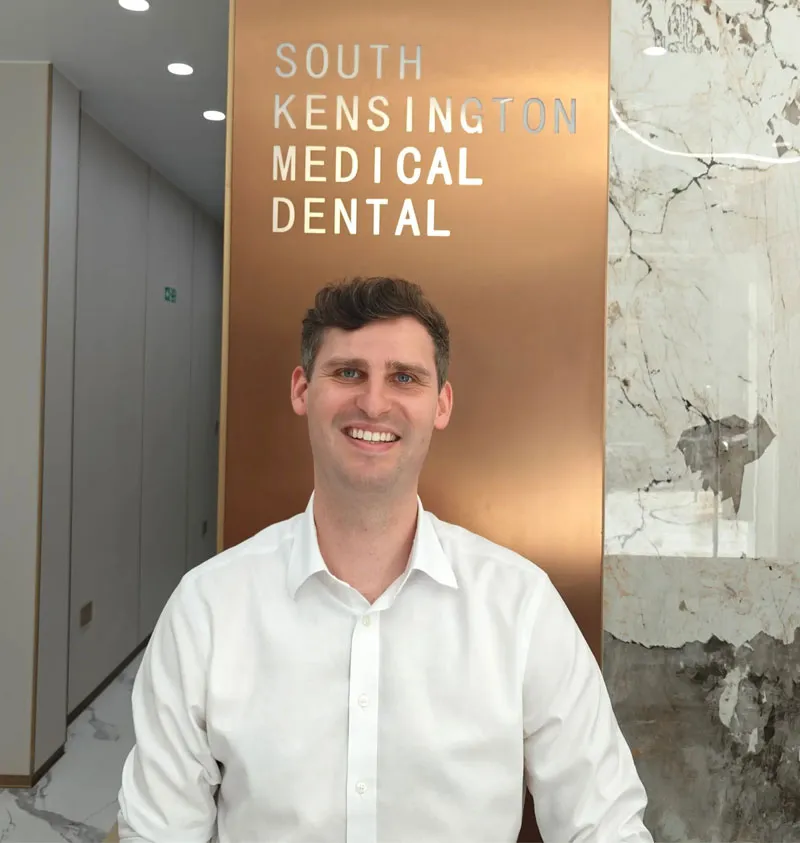
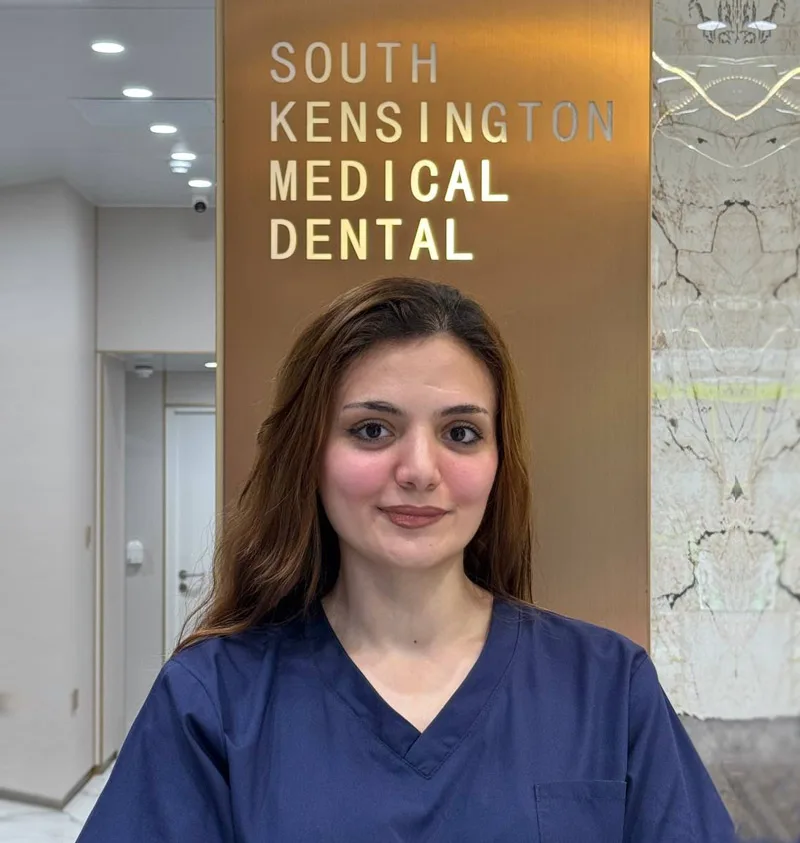
Meet Our Dental Team
Our experienced dental team is fully qualified and registered with the GDC, delivering safe, high-quality care in line with the highest professional standards.
Because our patients deserve nothing less.










Registered. Regulated. Trusted.
At South Kensington Medical & Dental, we are fully registered with the Care Quality Commission (CQC) and our clinicians are registered with the relevant UK regulatory bodies, including the GDC and GMC. Our dentists, dental nurses and medical professionals deliver care that meets the highest clinical, safety and ethical standards, because our patients deserve nothing less.


We Accept All Major Dental & Health Insurances
We work with all major UK insurers including Bupa, AXA Health, Aviva, Cigna, Vitality, WPA, Unum and Boots Dental Plan. We'll provide the receipts and paperwork you need to claim back your treatment costs.










