Facial swelling from a tooth? Book an urgent assessment.
Swollen Face or Jaw from a Tooth
South Kensington, London
Facial or jaw swelling associated with a tooth can be concerning and uncomfortable. It may develop gradually or appear relatively quickly, often accompanied by dental pain, tenderness, or a feeling of pressure beneath the skin. In many cases the swelling is linked to an underlying tooth infection or dental abscess, although other causes are possible. Whatever the origin, swelling in the face or jaw warrants prompt professional assessment to identify the cause and determine appropriate next steps. At our South Kensington dental practice our dentists provide urgent clinical examinations, digital imaging where indicated, and a clear explanation of your treatment options.
Explore the full range of dental conditions we treat or read on to understand the causes and treatment of dental-related facial swelling.
Facial Swelling from a Tooth?
Prompt assessment helps identify the cause
- Urgent clinical examination
- Digital X-rays where indicated
- Swelling & infection assessment
- Clear explanation of findings
- Discussion of treatment options
Why Can a Tooth Cause Facial or Jaw Swelling?
Teeth are living structures containing nerves and blood vessels within the pulp chamber. When bacteria breach the outer layers of a tooth — through deep decay, a crack, or a failing restoration — they can infect the pulp and travel to the root tip, forming a periapical abscess.
As pus accumulates at the root tip, pressure builds within the bone. Eventually, the infection may track through the bone into the surrounding soft tissues of the face or jaw, producing visible swelling. The location and extent of the swelling depend on which tooth is involved and how the surrounding anatomy allows the infection to spread.
A gum abscess (periodontal abscess) develops in the gum tissue alongside the tooth root, often as a result of advanced gum disease. This typically causes more localised swelling compared with a deep dental abscess, though both require professional treatment.
It is also important to note that not all facial swelling is caused by infection. Inflammation following trauma, a recent extraction, or an erupting wisdom tooth can produce swelling without an active bacterial infection being present. A thorough clinical examination is essential to distinguish between these causes.
Common Symptoms Associated with Dental Swelling
Jaw swelling from a tooth infection is often accompanied by one or more of the following symptoms:
The presence of these symptoms does not confirm a specific diagnosis — a clinical examination is needed to determine the underlying cause.
When Is Facial Swelling a Dental Emergency?
Most dental-related swelling benefits from prompt professional assessment. However, certain signs may indicate a more serious situation that requires urgent attention:
Rapidly increasing swelling
Swelling that grows noticeably over a matter of hours suggests the infection may be spreading and requires prompt clinical evaluation.
Difficulty swallowing
If swelling is affecting your ability to swallow, this may indicate that the infection is tracking into deeper tissue planes. Seek urgent medical attention.
Difficulty breathing
Any compromise to your airway is a medical emergency. Call 999 or attend A&E immediately.
Swelling spreading toward the eye or neck
Extension of swelling beyond the jaw area may indicate a more complex infection that requires urgent assessment.
High fever
A raised temperature alongside significant facial swelling may suggest the infection is affecting the wider body and should be assessed without delay.
Important: If you experience difficulty breathing, difficulty swallowing, or rapidly spreading swelling toward your eye or neck, please attend your nearest A&E department or call 999 immediately. These symptoms may indicate a medical emergency that requires hospital-level care.
Experiencing Facial or Jaw Swelling?
If you have swelling associated with dental pain, our South Kensington dentists can provide an urgent clinical assessment to determine the underlying cause.
How We Assess Dental-Related Swelling
When you attend our South Kensington clinic with facial or jaw swelling, our dentists follow a careful assessment process to identify the cause:
Thorough clinical examination of the affected tooth, gum, and surrounding soft tissue
Digital X-rays where clinically appropriate to evaluate the source and extent of infection
Assessment of the size, firmness, and boundaries of the swelling
Review of your medical history and any current medications
Clear discussion of findings and appropriate treatment options
Treatment may begin at the same appointment or be planned as a follow-up depending on the clinical findings and the type of treatment required.
Treatment Options for Swollen Face or Jaw from a Tooth
The appropriate treatment depends on the cause, severity, and extent of the swelling and underlying infection.
Infection Management
Where a collection of pus is identified, drainage may be performed to relieve pressure and remove the infected material. This is carried out under local anaesthetic when clinically indicated. Removing the source of infection — whether through cleaning the inside of the tooth or addressing a gum pocket — is the primary goal of initial management.
Drainage alone does not always resolve the underlying problem; further definitive treatment is usually required.
Root Canal Treatment
Root canal treatment aims to save the affected tooth by removing the infected pulp tissue, cleaning and disinfecting the root canals, and sealing the space to prevent reinfection. This eliminates the source of the tooth infection while preserving the natural tooth, which is then typically restored with a crown for long-term strength.
This approach is suitable where the tooth structure is sufficient to support a restoration and the infection can be fully accessed and treated.
Tooth Extraction
If the tooth is too severely damaged or the infection too extensive for the tooth to be predictably saved, tooth extraction may be recommended to remove the source of infection entirely. Our approach always prioritises preservation of natural teeth wherever clinically possible. When extraction is necessary, we will discuss replacement options with you at the appropriate time.
Antibiotics
Antibiotics may be prescribed when clinically appropriate — for example, where the infection has spread beyond the immediate area, there is significant facial swelling from a tooth abscess, or you are systemically unwell. They work alongside the body's immune response to help control the infection.
Important: Antibiotics are not a substitute for definitive dental treatment. They may help manage the infection in the short term, but the source must be addressed through appropriate clinical intervention to prevent recurrence.
Can Facial Swelling from a Tooth Resolve on Its Own?
Facial swelling associated with a dental infection may temporarily reduce if the abscess drains spontaneously through the gum. While this can provide short-term relief from pressure and pain, it does not mean the underlying infection has been resolved.
The bacteria responsible for the infection remain within the tooth or surrounding tissues, and further episodes of swelling, pain, and infection are likely without definitive treatment. Repeated flare-ups can also make the tooth progressively more difficult to treat.
Professional assessment is recommended even if swelling has subsided. Addressing the source of the tooth infection sooner generally allows for more conservative treatment and better long-term outcomes.
Preventing Future Dental Infections
Reducing the risk of dental infections — and the facial swelling that can follow — is best achieved through consistent preventive care:
Attend routine dental examinations
Regular check-ups allow your dentist to identify early decay, weakened restorations, and gum problems before they progress to infection.
Seek early treatment for decay
A small cavity treated promptly with a filling is far simpler than managing an infection that has reached the tooth's nerve. Early intervention is key.
Manage gum disease
Periodontal infections are a common cause of dental abscesses and swelling. Learn more about our general dentistry services, including gum health assessment and hygiene treatment.
Maintain good oral hygiene
Brushing twice daily with fluoride toothpaste, cleaning between teeth with interdental brushes or floss, and using a mouthwash when recommended all help control the bacteria that cause infection.
Frequently Asked Questions
About facial swelling from tooth infections
Book an Emergency Dental Assessment in South Kensington
If you are experiencing swelling linked to dental pain, our experienced dental team can provide careful assessment and discuss appropriate treatment options.
Open Monday–Sunday • 2 mins from South Kensington tube
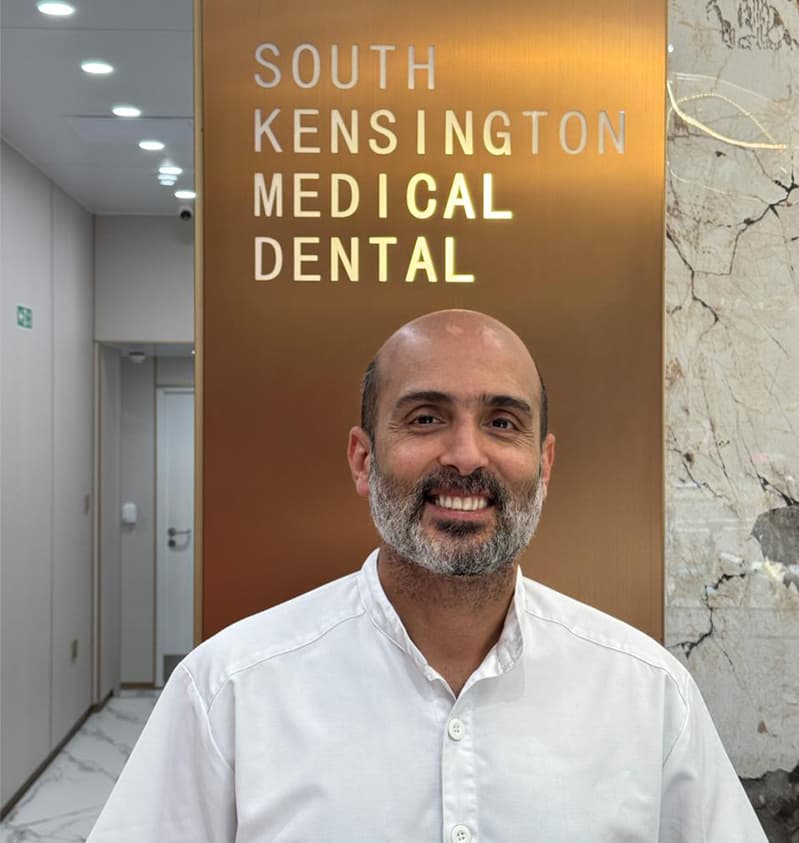
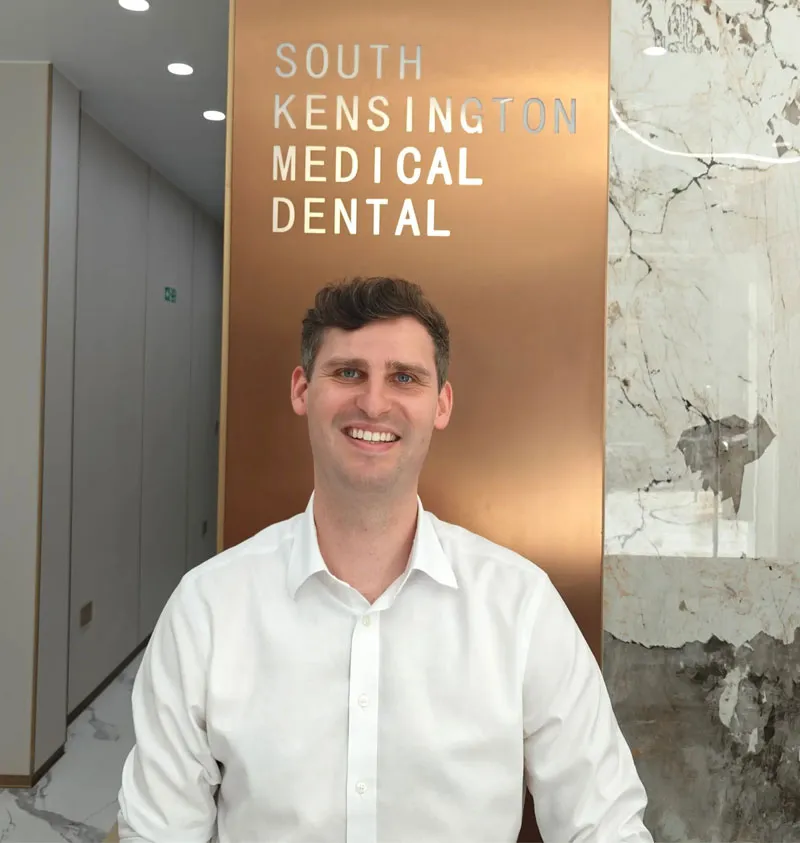
Meet Our Dental Team
Our experienced dental team is fully qualified and registered with the GDC, delivering safe, high-quality care in line with the highest professional standards.
Because our patients deserve nothing less.












Registered. Regulated. Trusted.
At South Kensington Medical & Dental, we are fully registered with the Care Quality Commission (CQC) and our clinicians are registered with the relevant UK regulatory bodies, including the GDC and GMC. Our dentists, dental nurses and medical professionals deliver care that meets the highest clinical, safety and ethical standards, because our patients deserve nothing less.


We Accept All Major Dental & Health Insurances
We work with all major UK insurers including Bupa, AXA Health, Aviva, Cigna, Vitality, WPA, Unum and Boots Dental Plan. We'll provide the receipts and paperwork you need to claim back your treatment costs.










