Concerned about acid wear? Book an assessment today.
Enamel Erosion (Acid Wear)
South Kensington, London
Enamel erosion is the gradual loss of the hard, protective outer layer of the teeth due to repeated acid exposure. Unlike tooth decay, which is caused by bacteria, acid wear results from direct chemical dissolution of the enamel by dietary acids, stomach acids, or other acidic sources. Over time, this can lead to increased sensitivity, changes in tooth shape or colour, and a higher risk of further damage. Because enamel does not regenerate once lost, early assessment is important to identify the cause, slow progression, and discuss appropriate preventive or restorative options. At our South Kensington dental practice, our dentists carry out detailed erosion assessments and develop personalised strategies to protect your remaining tooth structure.
Explore the full range of dental conditions we treat or read on to understand the causes of enamel erosion and how acid wear can be managed.
Concerned About Acid Wear?
We can assess the extent and discuss your options
- Thorough clinical examination
- Erosion pattern analysis
- Dietary and lifestyle review
- Preventive strategy discussion
- Restorative options if needed
What Is Enamel Erosion?
Enamel erosion is the gradual wearing away of the tooth’s outer protective layer — the enamel — caused by chemical dissolution from acids. Unlike tooth decay, which is driven by bacteria, erosion of teeth occurs when acids from food, drink, or the stomach come into direct contact with the enamel and dissolve its mineral content.
Acid wear often affects the front surfaces, biting edges, and chewing surfaces of the teeth. Over time, the enamel becomes progressively thinner, potentially exposing the softer, yellower dentine beneath. This can lead to increased sensitivity, changes in the shape and colour of the teeth, and a higher susceptibility to further wear and damage.
Crucially, tooth enamel loss is irreversible — once the enamel has been dissolved, the body cannot replace it. This makes early identification and preventive management particularly important for preserving the remaining tooth structure and protecting long-term dental health.
Common Causes of Acid Wear
Understanding the source of acid exposure is the first step toward protecting your teeth from further erosion.
Acidic Foods and Drinks
Frequent consumption of acidic foods and drinks — including citrus fruits, fruit juices, wine, carbonated drinks, and vinegar-based dressings — can soften and gradually dissolve the enamel surface over time.
Frequent Snacking or Sipping
Consuming acidic foods or drinks repeatedly throughout the day means the enamel is exposed to acid attacks more frequently, with less time for saliva to neutralise the acid and allow the enamel to recover between exposures.
Acid Reflux
Gastro-oesophageal reflux brings stomach acid into contact with the teeth, often affecting the inner surfaces of the upper teeth. This pattern of erosion is distinct and can sometimes be the first indication of an underlying reflux condition.
Eating Disorders
Certain eating disorders may involve repeated exposure of the teeth to stomach acid. The resulting erosion pattern can be clinically identifiable. Our team approaches this topic with sensitivity and can signpost appropriate specialist support where relevant.
Dry Mouth
Saliva helps neutralise acids and provides minerals that support enamel protection. Reduced saliva flow — whether due to medications, health conditions, or dehydration — diminishes this natural defence and increases the risk of acid wear.
Signs and Symptoms of Enamel Erosion
Enamel erosion can develop gradually, and many of the early signs may go unnoticed without professional examination. The following may indicate acid wear:
These signs can also be associated with other dental conditions. A clinical examination is needed to confirm whether enamel erosion is present and to assess its severity.
Why Early Assessment Is Important
Because enamel does not regenerate once lost, the focus of management is on preventing further wear and protecting what remains:
Enamel does not regenerate
Unlike bone, tooth enamel cannot repair or regrow itself. Once it has been dissolved by acid, the loss is permanent — making prevention the most important strategy.
Preventing further wear is key
Identifying the source of acid exposure and implementing appropriate changes can help slow or halt the progression of erosion, preserving the remaining enamel.
Early intervention may reduce treatment complexity
Addressing erosion at an earlier stage may allow for simpler, more conservative approaches — such as bonding — rather than more extensive restorative work later.
Personalised prevention plan
Every patient's risk profile is different. A thorough assessment allows your dentist to create a tailored plan based on your specific causes, habits, and clinical findings.
Concerned About Acid Wear?
If you have noticed sensitivity or visible enamel changes, our South Kensington dentists can provide a detailed examination and discuss suitable preventive and restorative options.
How We Assess Enamel Erosion
Our assessment takes a comprehensive approach to understanding the extent of acid wear and identifying the factors driving it:
Clinical examination to identify areas of enamel loss and wear patterns
Assessment of the distribution and severity of erosion across the teeth
Dietary and lifestyle review to identify potential acid sources
Sensitivity evaluation to understand the impact on comfort and function
Digital imaging where appropriate to assess structural changes
Restorative risk assessment and discussion of management options
The findings from this assessment guide both the preventive strategy and any restorative recommendations. The goal is to protect the remaining enamel and address the underlying cause.
Prevention Strategies for Acid Wear
While lost enamel cannot be replaced, targeted preventive measures can help slow the rate of erosion and protect the remaining tooth structure.
Dietary Modifications
Reducing the frequency of acidic food and drink consumption is one of the most effective ways to protect against further enamel erosion. Practical steps include:
- Reducing intake of fizzy drinks, fruit juices, and citrus-based beverages
- Rinsing the mouth with water after consuming acidic foods or drinks
- Waiting at least 30 minutes after acid exposure before brushing to avoid abrading softened enamel
Fluoride Support
Fluoride helps strengthen remaining enamel and supports the remineralisation of areas that have been softened — but not yet structurally lost — by acid exposure. This may include daily use of fluoride toothpaste at an appropriate concentration, fluoride mouth rinses, or professional fluoride applications as part of a broader preventive plan. Fluoride does not rebuild enamel that has already been dissolved, but it plays an important protective role in slowing further loss.
Managing Underlying Causes
Where erosion is linked to an underlying factor — such as acid reflux or dry mouth — addressing the source is essential for protecting the teeth long-term. Your dentist can identify erosion patterns that may suggest an underlying cause and, where appropriate, recommend that you discuss this with your medical practitioner. Strategies to support saliva production can also be discussed for patients affected by dry mouth.
Restorative Options for Worn Teeth
When acid wear has resulted in significant enamel loss, shape change, or sensitivity, restorative treatment may be considered to protect and restore worn teeth.
Composite Bonding
Composite bonding is a minimally invasive option that can be used to restore the shape and contour of teeth affected by acid wear. Tooth-coloured composite resin is carefully applied to rebuild lost structure, protect exposed dentine, and improve both the function and appearance of worn teeth. This approach preserves as much of the remaining natural tooth as possible and can often be completed without removing additional enamel.
Restorative Review
For more advanced cases of enamel erosion, a staged restorative approach may be discussed. This involves monitoring the structural loss over time and planning treatment in a considered, step-by-step manner. Where significant tooth structure has been lost and a filling or bonding alone would not provide sufficient strength, a dental crown may be considered to protect and restore the affected tooth. Your dentist will discuss all options and help you make an informed decision.
Can Enamel Grow Back?
Once tooth enamel has been structurally lost through erosion, the body cannot regenerate it. Unlike bone, which can remodel and repair, enamel is a non-living tissue that does not contain cells capable of rebuilding its structure.
However, in the very earliest stages — where the enamel surface has been softened by acid but has not yet broken down — the demineralisation process may be stabilised or partially addressed through fluoride use and improved oral care. This is remineralisation, and while it can strengthen weakened enamel, it does not restore enamel that has already been dissolved.
For teeth where enamel loss has already occurred, restorative treatments — such as composite bonding or crowns — can rebuild the lost structure and protect the underlying dentine. Preventive care remains essential alongside any restoration to slow further progression.
Preventing Further Acid Wear
Ongoing preventive care is essential for protecting your teeth from further erosion:
Maintain a balanced, tooth-friendly diet
Limit the frequency of acidic foods and drinks, and try to consume them at mealtimes rather than throughout the day to reduce the number of acid exposures.
Use fluoride toothpaste consistently
Brush twice daily with fluoride toothpaste at the concentration recommended by your dentist. Spit out after brushing without rinsing to maximise the protective effect.
Brush gently with a soft-bristled toothbrush
Aggressive brushing can accelerate the loss of softened enamel. A soft-bristled brush and gentle technique help clean the teeth effectively without causing additional wear.
Attend regular dental check-ups
Routine dental check-ups allow your dentist to monitor any progression, adjust your preventive plan, and intervene early if further wear is detected.
Frequently Asked Questions
About enamel erosion and acid wear
Book an Enamel Erosion Assessment in South Kensington
If you are concerned about acid wear or tooth sensitivity, our experienced dental team can provide careful assessment and discuss appropriate preventive and restorative options.
Open Monday–Sunday • 2 mins from South Kensington tube
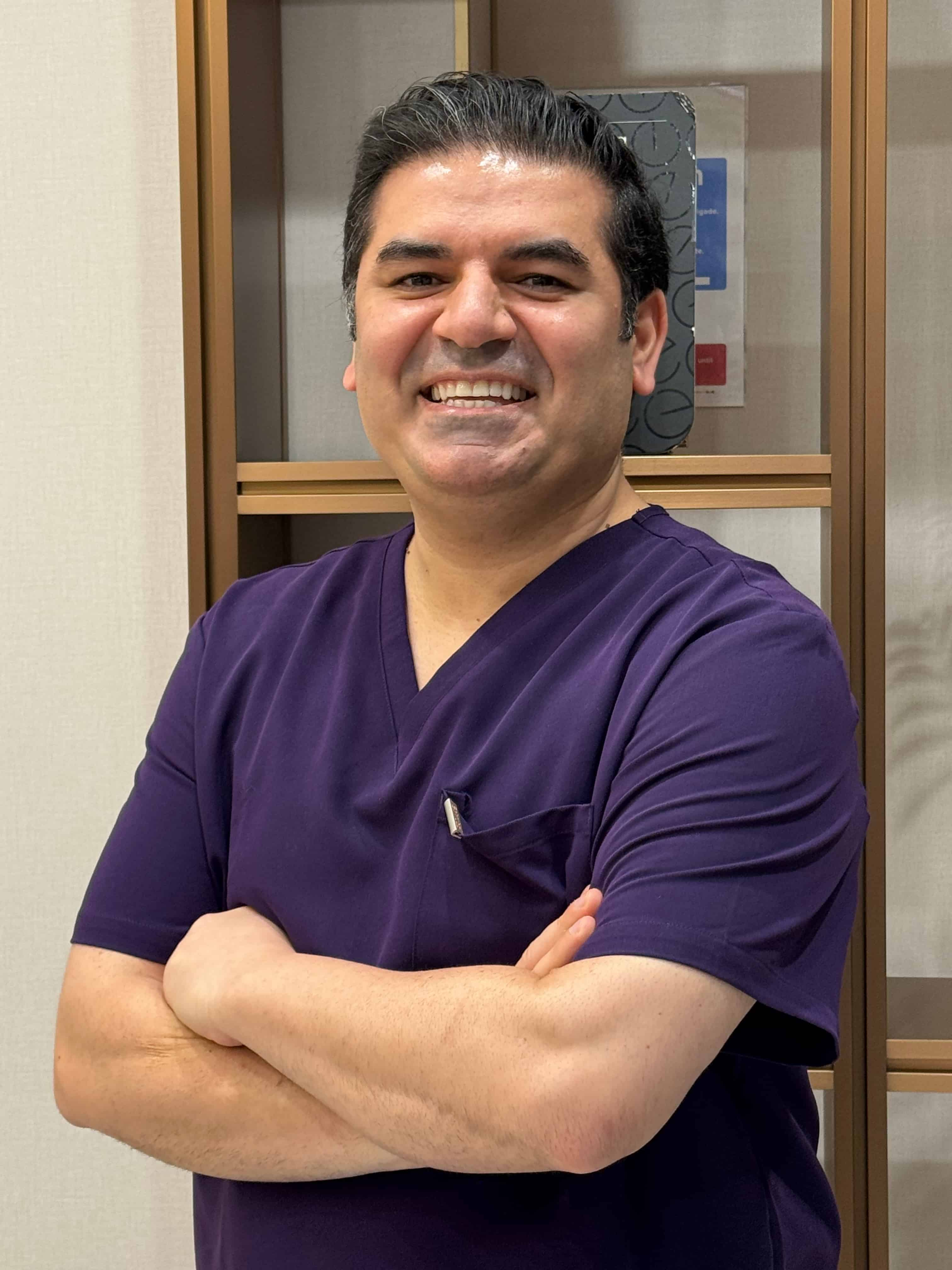
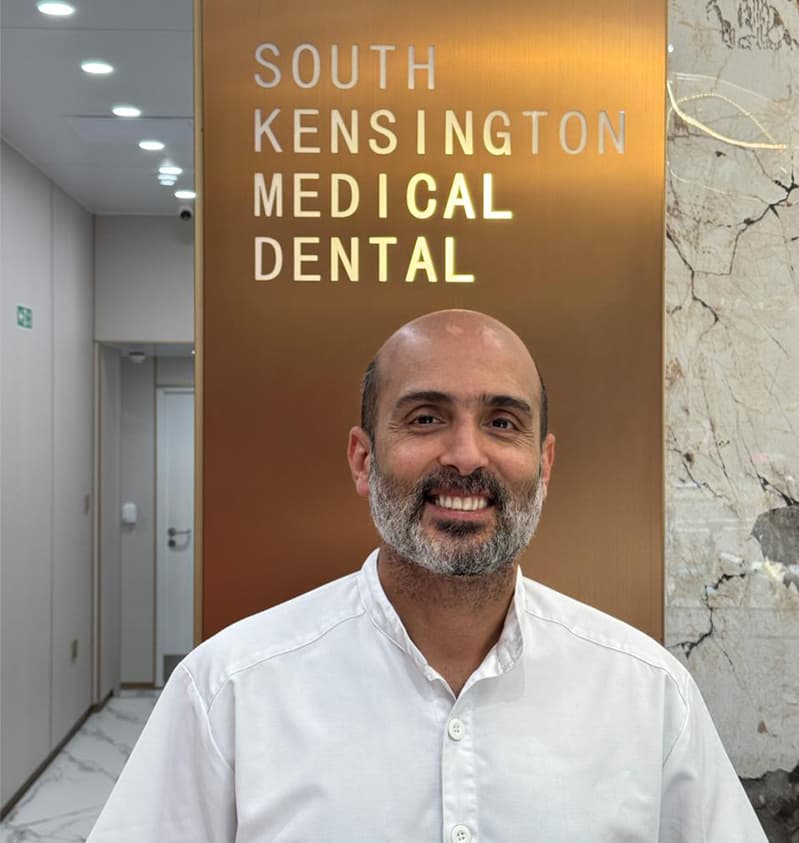
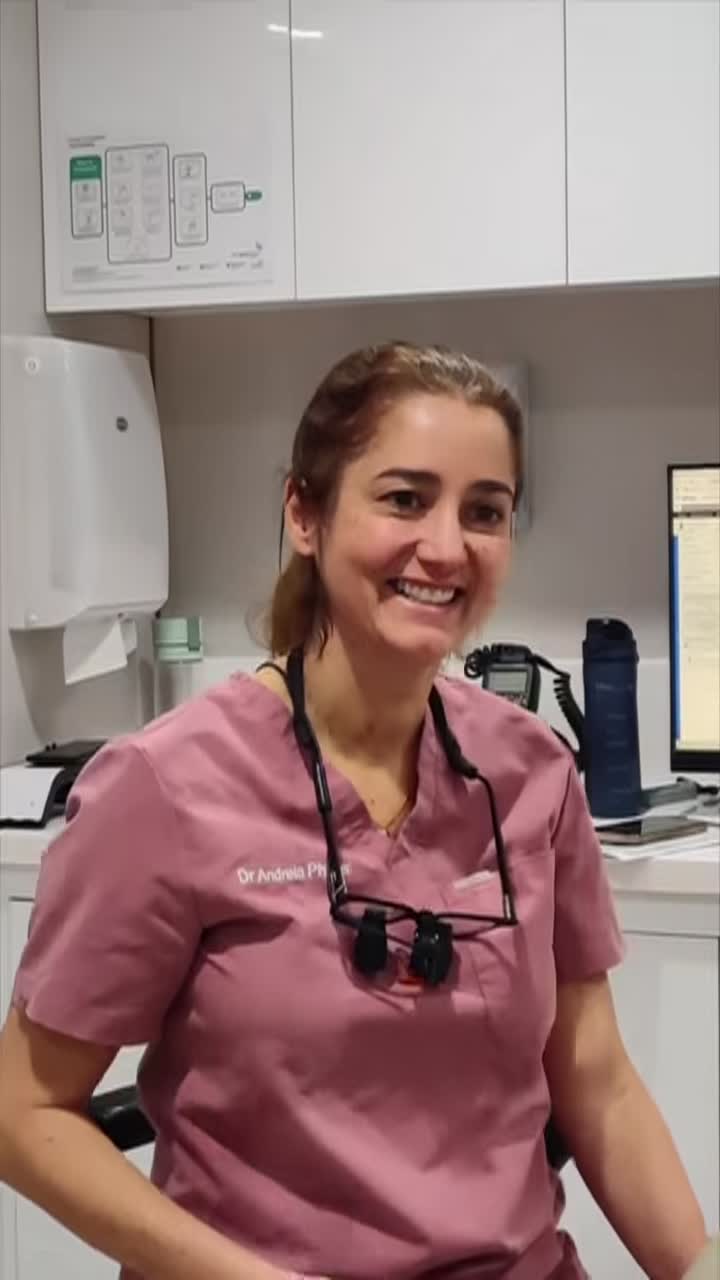
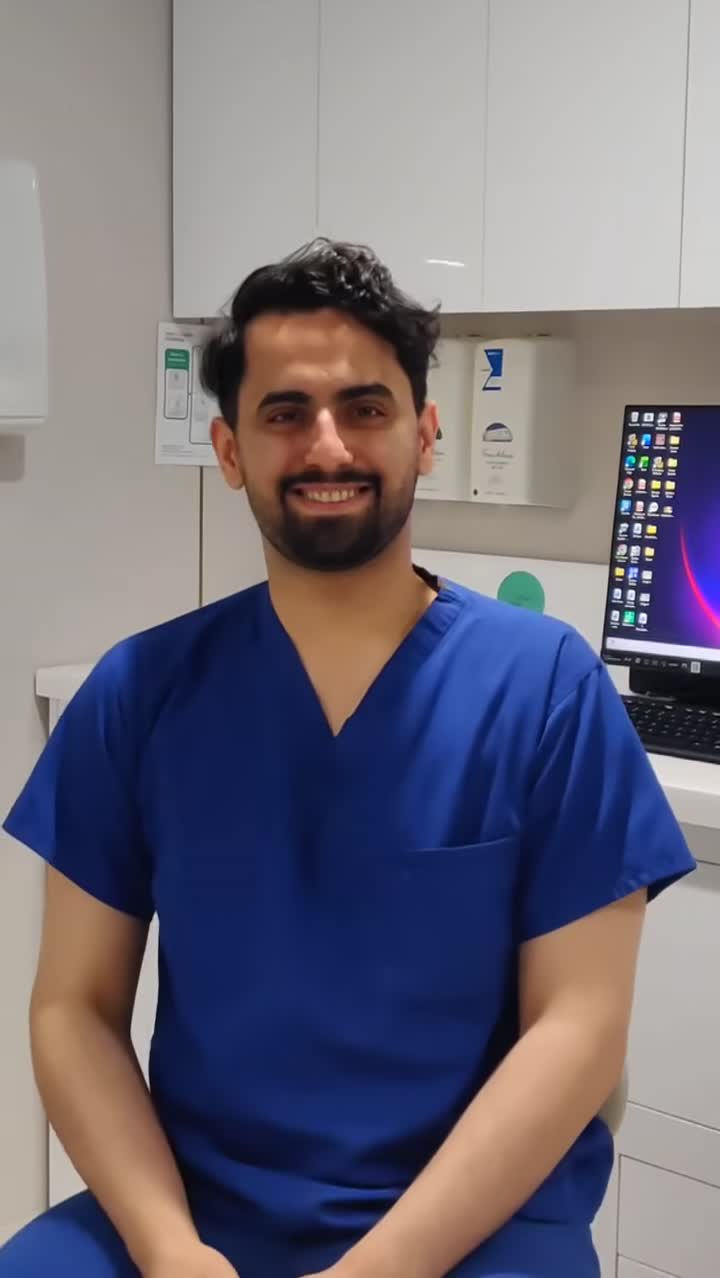
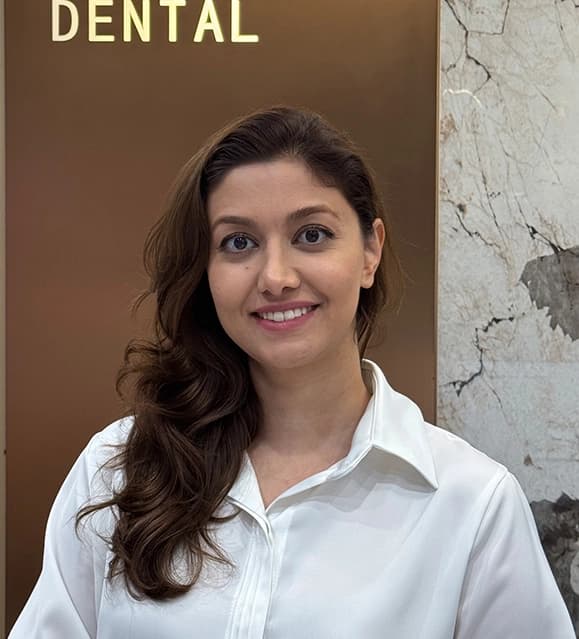
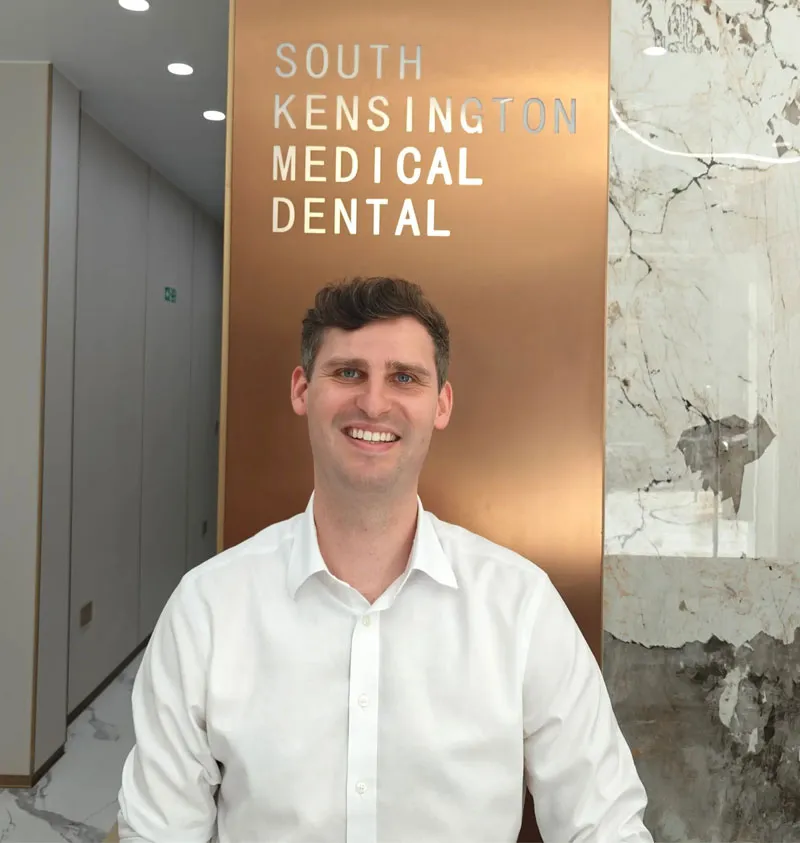
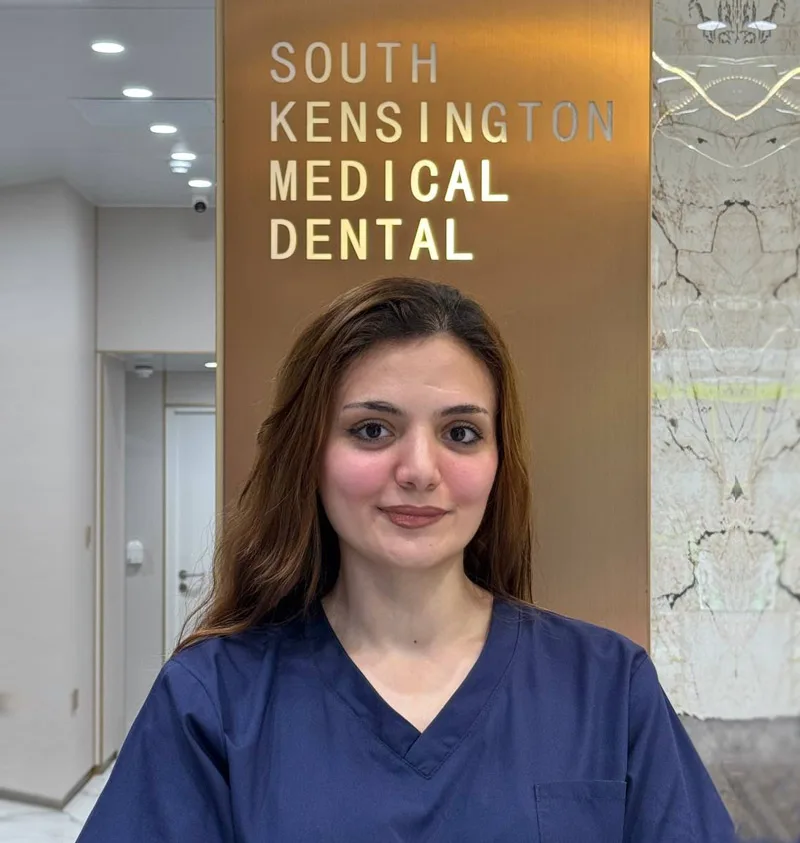
Meet Our Dental Team
Our experienced dental team is fully qualified and registered with the GDC, delivering safe, high-quality care in line with the highest professional standards.
Because our patients deserve nothing less.







Registered. Regulated. Trusted.
At South Kensington Medical & Dental, we are fully registered with the Care Quality Commission (CQC) and our clinicians are registered with the relevant UK regulatory bodies, including the GDC and GMC. Our dentists, dental nurses and medical professionals deliver care that meets the highest clinical, safety and ethical standards, because our patients deserve nothing less.


We Accept All Major Dental & Health Insurances
We work with all major UK insurers including Bupa, AXA Health, Aviva, Cigna, Vitality, WPA, Unum and Boots Dental Plan. We'll provide the receipts and paperwork you need to claim back your treatment costs.










