Suspect a cavity? Book a dental examination today.
Cavities (Holes in Teeth)
South Kensington, London
Cavities — also known as holes in teeth — are one of the most common dental conditions, affecting both adults and children. They develop when bacteria in the mouth produce acids that gradually break down the tooth surface, eventually forming a hole. Some cavities cause noticeable pain or sensitivity, while others may develop without any symptoms at all. Because early-stage decay can be difficult to detect on your own, professional assessment is important for identifying cavities before they progress. At our South Kensington dental practice, our dentists provide thorough examination, digital imaging where appropriate, and a clear discussion of treatment options.
Explore the full range of dental conditions we treat or read on to understand the causes of cavities and how they can be treated.
Noticed a Hole in Your Tooth?
We can assess the tooth and discuss your options
- Thorough clinical examination
- Digital X-rays where needed
- Tooth-coloured fillings available
- Clear explanation of findings
- Personalised treatment plan
What Are Cavities?
A cavity is a permanently damaged area in the hard surface of a tooth that develops into a small hole. Cavities form when bacteria in the mouth produce acids — typically after feeding on sugars from food and drink — that attack and weaken the outer enamel layer of the tooth.
In the early stages, this process may cause a softening or white spot on the enamel surface without a visible hole. At this point, the process may sometimes be stabilised with improved hygiene and fluoride. However, once the enamel breaks down and a hole forms, the damage cannot reverse on its own and professional treatment is required to restore the tooth.
If left untreated, a tooth cavity can progress through the enamel into the softer dentine beneath, and eventually reach the pulp — the inner chamber containing the tooth’s nerves and blood vessels. The deeper the decay extends, the more complex the treatment required to address it.
Common Signs of a Cavity
You may notice one or more of the following if you have a cavity. However, early cavities often develop without any symptoms, which is why regular dental examinations are important.
The absence of symptoms does not mean your teeth are free from decay. A clinical examination is the most reliable way to detect cavities.
What Causes Cavities?
Several factors can contribute to the formation of holes in teeth. Understanding these can help you take steps to reduce your risk.
Plaque Build-Up
Plaque is a sticky film of bacteria that forms on the teeth throughout the day. If not removed through regular brushing, plaque bacteria feed on sugars and produce acids that gradually erode the tooth enamel.
High Sugar Consumption
Frequent consumption of sugary foods and drinks provides a constant supply of fuel for acid-producing bacteria. The more often teeth are exposed to sugar, the greater the risk of enamel breakdown and cavity formation.
Inadequate Brushing and Flossing
Inconsistent or ineffective brushing allows plaque to accumulate, particularly in areas that are harder to reach — such as between teeth and along the gum line. Without regular cleaning between teeth, decay can develop in these hidden areas.
Dry Mouth
Saliva plays a natural protective role by washing away food particles and neutralising acids. Conditions, medications, or habits that reduce saliva flow can increase the risk of cavities by allowing acids to remain on the tooth surface for longer.
Deep Grooves in Teeth
The chewing surfaces of back teeth (molars and premolars) often have deep pits and fissures where bacteria and food debris can become trapped. These areas can be difficult to clean effectively with a toothbrush alone.
When Should You See a Dentist for a Cavity?
It is generally advisable to book a dental examination if you notice any of the following:
A visible hole or dark spot on a tooth
If you can see a cavity or discolouration, it is advisable to have it assessed to determine its depth and whether treatment is needed.
Ongoing sensitivity to sweet, hot, or cold
Persistent sensitivity can indicate that decay has progressed beyond the enamel surface and may benefit from treatment.
Pain when biting or chewing
Discomfort during eating may suggest a cavity has affected the deeper layers of the tooth.
Tooth discolouration
Brown, black, or white spots on the tooth surface can sometimes indicate early or established decay.
Persistent bad breath
Ongoing bad breath that does not improve with brushing may be associated with trapped bacteria in a decayed area.
Noticed a Hole in Your Tooth?
If you suspect a cavity or have developed sensitivity, our South Kensington dentists can provide a thorough examination and discuss appropriate treatment options.
How We Assess Cavities
When you attend our clinic for a cavity assessment, our dentists follow a structured approach to identify any areas of decay and plan appropriate treatment:
Clinical examination of all teeth and surrounding structures
Visual inspection for signs of decay, discolouration, or surface changes
Digital X-rays where appropriate to assess hidden decay between teeth or beneath the surface
Assessment of the depth and extent of any cavity identified
Discussion of findings and appropriate treatment options
Treatment recommendations are based on the findings of the examination. Not all cavities require the same approach — your dentist will discuss the most appropriate option for your situation.
Treatment Options for Cavities
The most suitable cavity treatment depends on the size, depth, and location of the decay, as well as the condition of the remaining tooth structure.
White Fillings
For most cavities, the decayed material is carefully removed and the tooth is restored with a white filling using tooth-coloured composite resin. The material is matched to the shade of your natural tooth, restoring both function and appearance. A cavity filling of this type can usually be completed in a single appointment.
Larger Restorations (If the Cavity Is Extensive)
When a cavity is large and has significantly weakened the tooth structure, a standard filling may not provide adequate long-term support. In these cases, a dental crown may be considered to restore the tooth’s shape, strength, and function. A crown fits over the remaining tooth structure like a protective cap.
Root Canal Treatment (If the Nerve Is Affected)
In advanced cases where decay has reached the pulp of the tooth, causing infection or inflammation of the nerve, root canal treatment may be necessary. This procedure removes the infected tissue from within the tooth, cleans and seals the root canals, and preserves the natural tooth. The tooth is then typically restored with a crown for long-term protection.
Can Cavities Heal on Their Own?
In the very earliest stages of decay — before a visible hole has formed — the process may sometimes be slowed or stabilised through improved oral hygiene, fluoride application, and dietary changes. This is because the minerals in saliva and fluoride can help strengthen weakened enamel before it fully breaks down.
However, once a cavity has formed and a hole is present in the tooth, the damage cannot repair itself. Tooth enamel does not regenerate, and the cavity will typically continue to grow if left untreated. A professional restoration — such as a filling — is needed to remove the decayed tissue and seal the tooth.
This is why early detection through regular dental examinations is so valuable. Identifying decay at its earliest stage may allow for more conservative management and help avoid the need for more extensive treatment later.
Preventing Cavities
While not all cavities can be prevented, the following measures can significantly reduce your risk:
Brush twice daily with fluoride toothpaste
Fluoride strengthens enamel and helps protect against acid attack. Brushing for two minutes, twice a day, is one of the most effective ways to prevent cavities.
Clean between your teeth daily
Interdental brushes or floss help remove plaque and food debris from areas a toothbrush cannot reach effectively.
Reduce the frequency of sugary foods and drinks
Limiting how often you consume sugar — rather than just the amount — helps reduce the number of acid attacks your teeth experience each day.
Attend regular dental check-ups
Routine examinations allow your dentist to identify early signs of decay before a cavity forms. Learn more about our routine dental check-ups.
Cavities in Children vs Adults
Cavities can develop at any age. In children, baby teeth are particularly susceptible because their enamel is thinner and softer than adult enamel. Although baby teeth are eventually replaced, untreated decay in primary teeth can cause pain, affect eating, and potentially influence the development of the permanent teeth beneath.
In adults, cavities may develop for a variety of reasons — including dietary habits, changes in saliva flow (often related to medications), recession of the gums exposing root surfaces, and deterioration around old fillings. Adults who had few cavities as children can still develop them later in life.
Regardless of age, the same fundamental principles apply: regular brushing with fluoride toothpaste, cleaning between teeth, moderating sugar intake, and attending dental examinations all contribute to reducing the risk of cavities.
Frequently Asked Questions
About cavities and cavity treatment
Book a Cavity Assessment in South Kensington
If you have noticed a hole in your tooth or are experiencing sensitivity, our experienced dental team can provide careful assessment and discuss appropriate restorative options.
Open Monday–Sunday • 2 mins from South Kensington tube
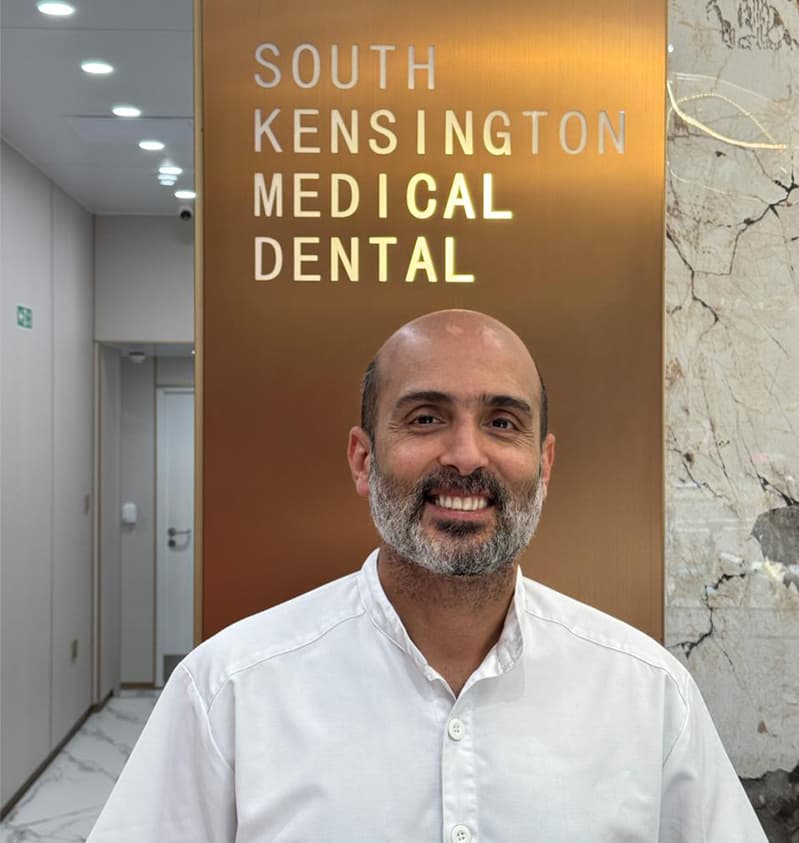
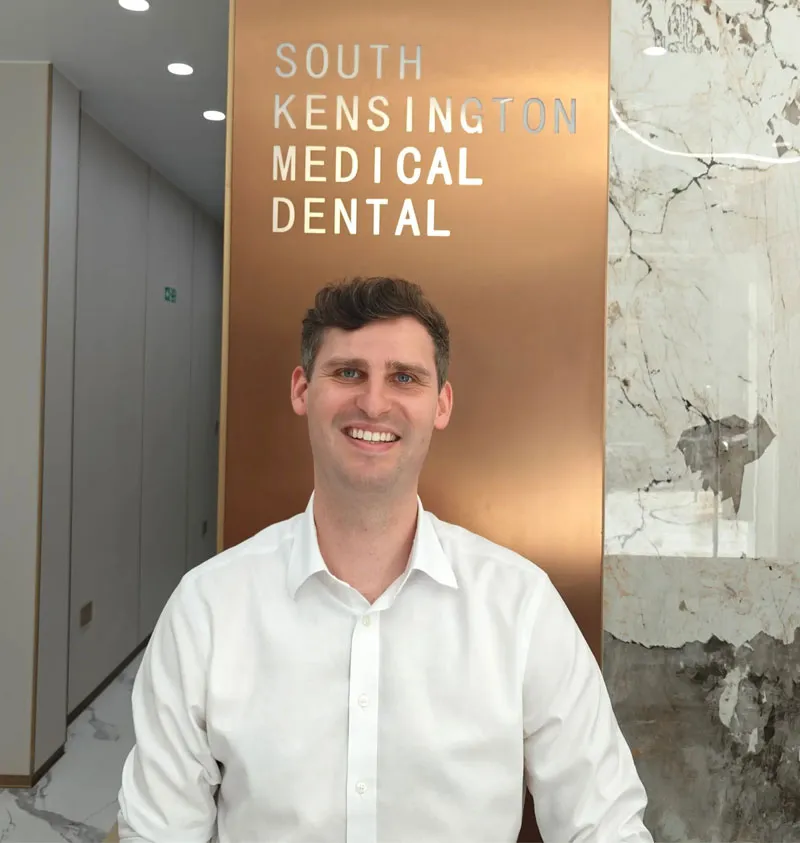
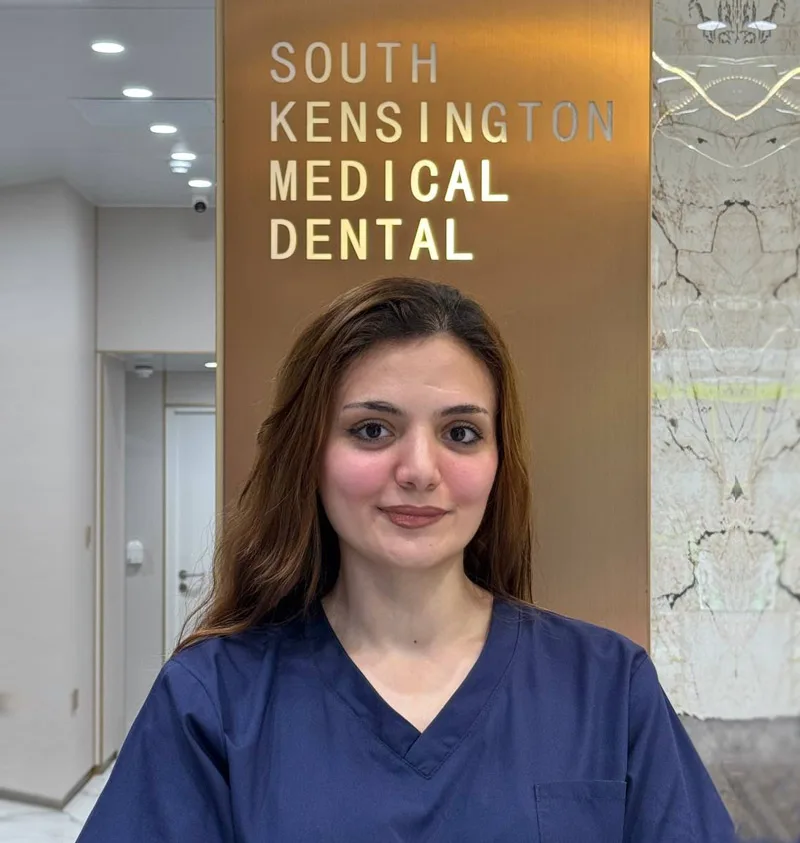
Meet Our Dental Team
Our experienced dental team is fully qualified and registered with the GDC, delivering safe, high-quality care in line with the highest professional standards.
Because our patients deserve nothing less.











Registered. Regulated. Trusted.
At South Kensington Medical & Dental, we are fully registered with the Care Quality Commission (CQC) and our clinicians are registered with the relevant UK regulatory bodies, including the GDC and GMC. Our dentists, dental nurses and medical professionals deliver care that meets the highest clinical, safety and ethical standards, because our patients deserve nothing less.



We Accept All Major Dental & Health Insurances
We work with all major UK insurers including Bupa, AXA Health, Aviva, Cigna, Vitality, WPA, Unum and Boots Dental Plan. We'll provide the receipts and paperwork you need to claim back your treatment costs.










