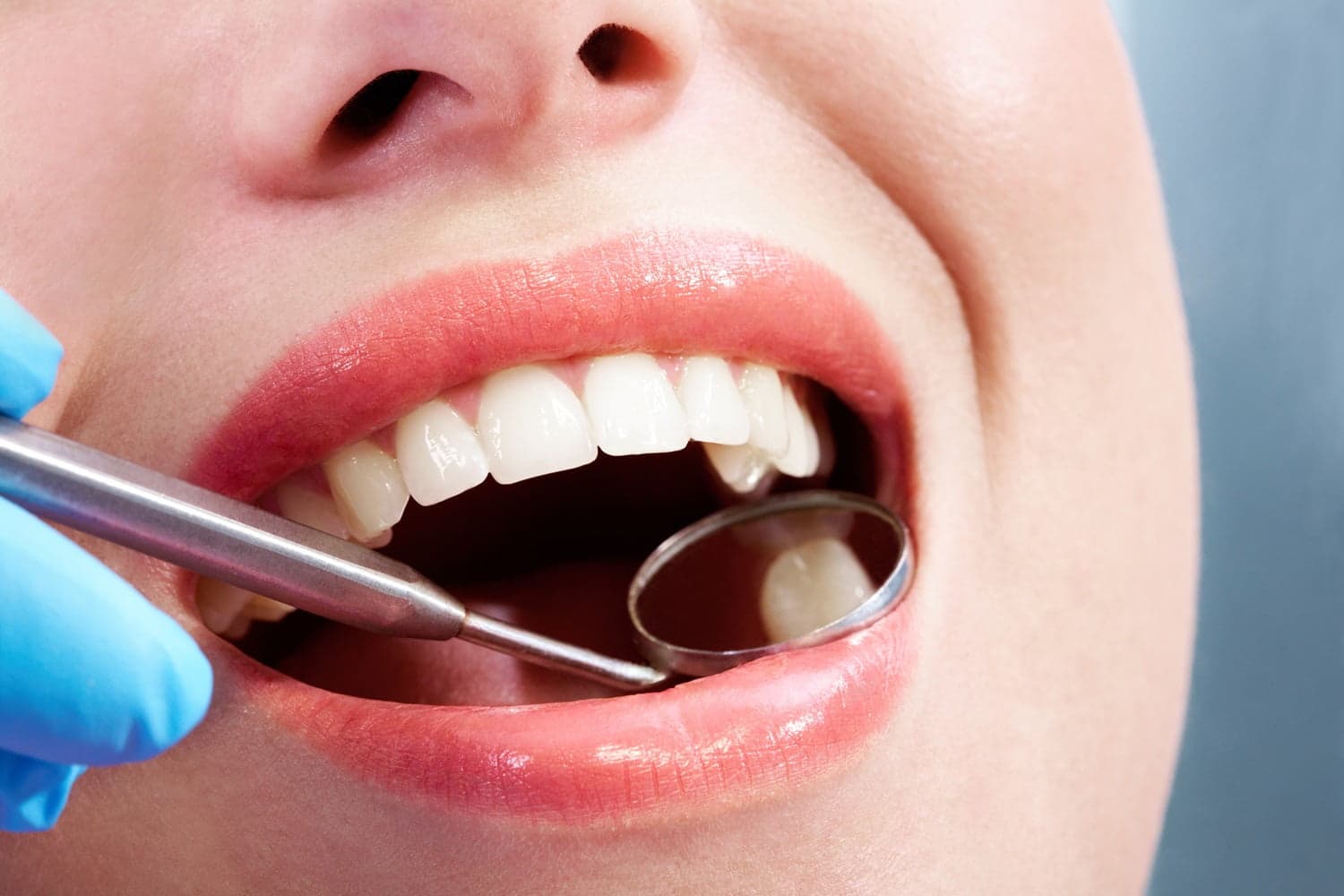
Chipped or Cracked Tooth: Can a White Filling Fix It?
A chipped or cracked tooth can happen to anyone — biting down on an unexpected hard object, a minor accident, or even habitual grinding can all cause damage. For many patients, the first concern is straightforward: “Can this be fixed?”
The good news is that not all chips and cracks are serious. Many small fractures can be repaired conservatively using modern white composite materials, restoring both the appearance and function of the tooth. However, the most appropriate treatment depends entirely on the type and extent of the damage, which is why a clinical examination is essential before any repair can be recommended.
This guide explains when a white filling is likely to be suitable for a chipped or cracked tooth, when alternative treatments may be recommended, and what the repair process involves.
Quick Answer: Can a White Filling Fix a Chipped or Cracked Tooth?
Yes — a white composite filling can often repair small chips and minor cracks where enough healthy tooth structure remains. However, deeper fractures, large structural damage, or nerve involvement may require alternative treatment such as a crown or further restorative care. A dental examination is essential to determine the extent of the damage and the most appropriate option.
When a White Filling Is Usually Suitable
- Small enamel chips
- Minor corner fractures
- Modest cusp damage on back teeth
- Cracks confined to outer layers
- Damage without nerve involvement
Only a clinical assessment can confirm whether composite is sufficient.
Types of Chips and Cracks Dentists Assess
Not all tooth fractures are the same. The type and depth of the damage determines which treatment options are appropriate. During a clinical assessment, your dentist will evaluate the following:
Minor Enamel Chips
Small chips confined to the enamel — the hard outer layer of the tooth — are the most straightforward to repair. They may affect the appearance of the tooth and occasionally cause a rough or sharp edge, but typically do not involve sensitivity or pain.
Craze Lines
Craze lines are very fine, superficial cracks in the enamel that are common in adult teeth. They usually affect only the outer surface and do not typically require treatment, though your dentist may monitor them to ensure they do not progress.
Dentine-Level Cracks
When a crack extends through the enamel into the dentine — the softer layer beneath — the tooth may become sensitive to temperature changes or sweet foods. These cracks typically require treatment to protect the exposed dentine and prevent further progression.
Fractures Approaching the Nerve
Deeper fractures that extend close to or into the pulp (the nerve and blood supply inside the tooth) are more complex. These may cause significant pain and sensitivity and often require more extensive treatment beyond a simple filling.
Hidden Cracks Detected on X-Ray
Some cracks are not visible to the naked eye and are only identified through X-rays or specialised diagnostic techniques. This is one of the reasons a thorough clinical assessment is important — what appears minor on the surface may extend further than expected.
When a White Filling Can Repair the Damage
White composite fillings — also known as tooth-coloured fillings — are a widely used and versatile option for repairing chipped or cracked teeth. The material is made from a blend of resin and fine glass particles that can be closely matched to the natural shade of your tooth, providing a discreet and aesthetic result.
One of the key advantages of composite is that it bonds adhesively to the tooth surface. Unlike older filling materials that required the removal of additional healthy tooth structure to create mechanical retention, composite allows for a more conservative approach — meaning less drilling and more of your natural tooth is preserved.
For small to moderate chips and cracks, composite can be layered directly onto the tooth to rebuild the lost structure. The material is sculpted to replicate the natural shape, contour, and texture of the tooth, then hardened using a curing light. The result is a repair that blends with the surrounding tooth and restores both strength and appearance. Learn more about our white fillings service.
Composite bonding is also effective at sealing exposed dentine, which helps reduce sensitivity and protects the tooth from further damage or bacterial penetration.
If you have chipped or cracked a tooth, our experienced dental team can assess the damage and discuss the most appropriate repair option for you.
Book an AssessmentWhen a White Filling May Not Be Enough
While composite fillings are suitable for many types of chipped tooth repair, there are situations where a different approach may be recommended. Your dentist will explain the reasoning clearly if an alternative is more appropriate for your situation.
Large Structural Loss
If a significant portion of the tooth has broken away, a composite filling may not provide sufficient strength or coverage. A crown — which fully encases the remaining tooth — may offer more reliable long-term protection.
Heavy Bite Forces
Teeth that are subject to heavy biting forces — particularly back molars — may benefit from a more robust restoration such as an onlay or crown. Composite can wear more quickly in high-stress areas.
Extensive Cracks
Cracks that extend below the gum line or involve multiple surfaces of the tooth may be beyond the scope of a filling. In these cases, a crown or other restorative option may be needed to stabilise the tooth and prevent further fracture.
Tooth Already Heavily Restored
If the tooth already has a large existing filling or has been restored multiple times, the remaining natural structure may not be sufficient to support another composite repair. A crown may be recommended to protect the weakened tooth. Learn more about how a large filling can affect tooth integrity.
Nerve Involvement
If the fracture has exposed or damaged the nerve inside the tooth, root canal treatment may be required before the tooth can be restored. A filling alone would not address the underlying nerve damage in this situation.
What Happens During a White Filling Repair?
If a white composite filling is deemed suitable, the repair is typically completed in a single appointment. Here is what you can generally expect during the procedure:
Assessment
Your dentist will examine the chip or crack carefully, assess the extent of the damage, and confirm that composite repair is the appropriate treatment option.
Local anaesthetic (if required)
For minor enamel chips, anaesthetic may not be necessary. For deeper repairs, a local anaesthetic is used to ensure you remain comfortable throughout the procedure.
Removal of weakened edges
Any loose or weakened fragments of tooth are gently removed to create a clean, stable surface for the composite to bond to.
Cleaning and preparation
The tooth surface is cleaned and a bonding agent is applied to help the composite adhere securely to the natural tooth structure.
Composite layering
The composite material is applied in thin layers, with each layer carefully shaped to rebuild the natural contours of the tooth.
Curing
Each layer is hardened using a special curing light, which sets the composite and bonds it firmly to the tooth.
Sculpting and polishing
Once the repair is complete, the composite is sculpted to match the shape and texture of the surrounding tooth, then polished to a smooth, natural-looking finish.
Bite adjustment
Your bite is checked and any minor adjustments are made to ensure the repaired tooth feels comfortable and functions correctly when chewing.
After Your Repair
It is normal to experience mild temporary sensitivity in the treated tooth for a short period after the procedure. This typically settles within a few days. If discomfort persists or worsens, contact your dental team for advice.
How Long Does a White Filling Repair Last?
The longevity of a composite filling repair depends on several factors, and it is important to understand that no dental restoration lasts indefinitely. The following considerations influence how long a repair may function well:
- Size of the repair — smaller repairs on low-stress areas tend to last longer
- Location of the tooth — front teeth generally experience less biting force than molars
- Habits — grinding, clenching, nail biting, or chewing hard objects can accelerate wear
- Oral hygiene — good brushing and flossing habits help maintain the integrity of the repair
- Regular dental reviews — routine examinations allow your dentist to monitor the condition of the filling and identify any early signs of wear or deterioration
Your dentist will advise on realistic expectations based on the specific repair carried out and can discuss measures to help maximise the lifespan of the restoration.
How to Protect a Repaired Tooth
Taking care of a repaired tooth helps maintain the integrity of the restoration and reduces the risk of further damage. The following practical steps can make a meaningful difference:
- Avoid biting down on hard objects such as ice, pen caps, or nutshells
- Wear a mouthguard during contact sports or physical activities that carry a risk of facial impact
- Consider a custom nightguard if you grind or clench your teeth during sleep
- Maintain a thorough daily cleaning routine including brushing twice daily and flossing
- Attend regular dental reviews so your dentist can monitor the repair and address any concerns early
Our general dentistry services include routine examinations and preventive care designed to help you maintain your dental health over the long term.
When to Seek Prompt Dental Attention
While many chips and cracks can be assessed and treated during a routine appointment, certain symptoms suggest that a more timely assessment may be beneficial:
- Severe or persistent pain that does not respond to over-the-counter pain relief
- Visible swelling around the affected tooth or in the face and jaw
- A large piece of the tooth has broken off, exposing inner layers
- The tooth feels loose or unstable
- Sensitivity is worsening rather than improving over time
If you experience any of these symptoms, contacting your dental practice promptly allows the situation to be assessed and managed appropriately.
People Also Ask
Can a cracked tooth heal on its own?
Unlike bone, tooth enamel cannot regenerate or heal itself. A cracked tooth will not repair naturally, and without treatment, the crack may worsen over time — potentially leading to increased sensitivity, pain, or further fracture. Professional assessment is recommended to determine the appropriate course of action.
Is a chipped tooth an emergency?
A small chip without pain is generally not an emergency, though it should still be assessed by a dentist. However, if the chip is large, causes significant pain, or exposes the inner layers of the tooth, a prompt assessment is advisable to prevent complications and manage any discomfort.
Does fixing a chipped tooth hurt?
Most small composite repairs are comfortable and may not require local anaesthetic. For deeper repairs, anaesthetic is used to ensure you feel no pain during the procedure. Some patients experience mild, temporary sensitivity afterwards, which typically resolves within a few days.
How much of a tooth can be repaired with composite?
Composite is well-suited for small to moderate repairs. For larger areas of damage — particularly where a significant portion of the tooth structure is missing — a crown or onlay may provide a more durable and reliable restoration. Your dentist will advise on the most appropriate option based on the extent of the damage.
What happens if a cracked tooth is left untreated?
An untreated crack can progress deeper into the tooth over time, potentially reaching the nerve and causing infection or abscess. The tooth may also fracture further, making it more difficult — or in some cases impossible — to repair. Early assessment allows for simpler, more conservative treatment.
This article is for general information. Treatment suitability varies and requires a clinical assessment.
Ready to Book an Appointment?
Our team is here to help you with all your dental and medical needs.










