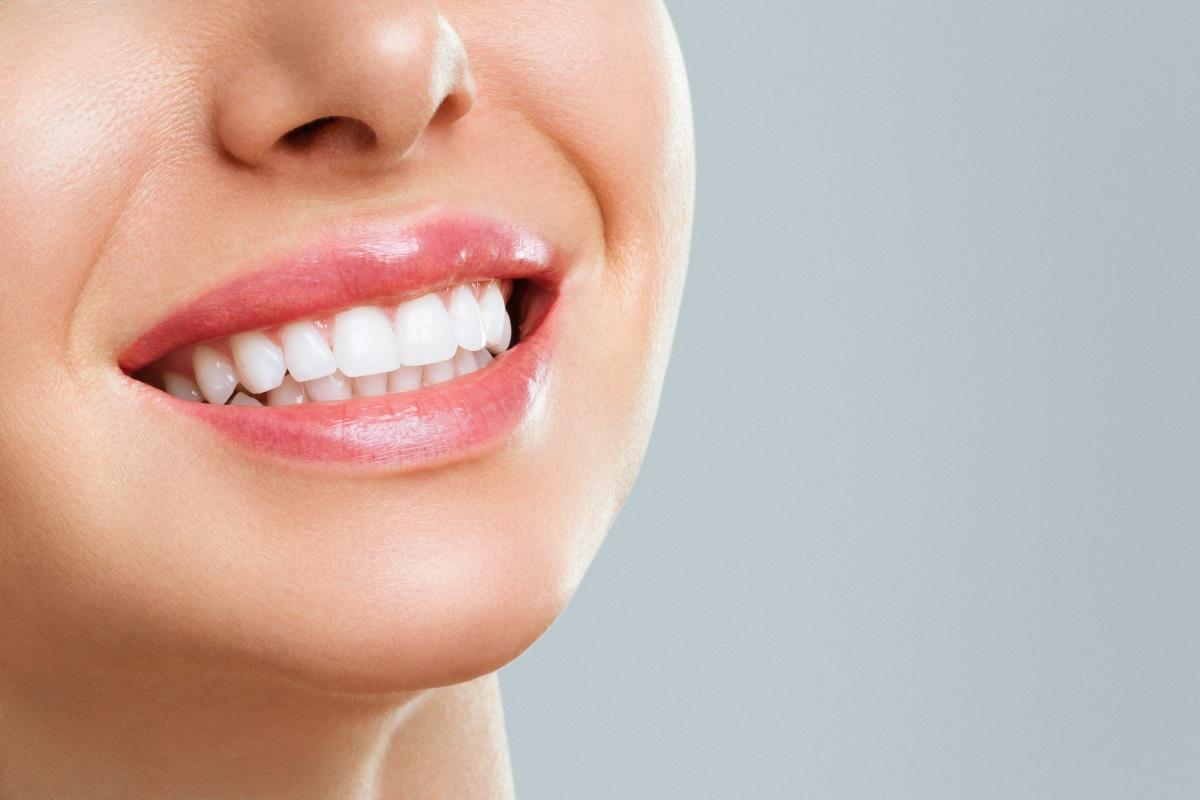
How Do Dentists Match Composite Bonding to the Semi-Translucent Tips of Natural Front Teeth?
One of the most common concerns patients share before proceeding with composite bonding is whether the treatment will look natural. It is entirely understandable. The front teeth are immediately visible when you smile or speak, and even a subtle mismatch in colour or texture can draw unwanted attention. A particular challenge arises at the incisal edges — the tips of the front teeth — which have a naturally semi-translucent quality that differs noticeably from the more opaque body of the tooth.
Many patients search online for answers about how dentists replicate this translucency and whether composite bonding can genuinely achieve a lifelike result. If you have been researching composite bonding and wondering whether it can truly blend with the natural appearance of your front teeth, this article aims to explain the clinical approach in a clear, patient-friendly way.
We will explore the science of tooth translucency, how modern composite materials are selected and layered, and what factors influence the final aesthetic outcome. Understanding this process can help you have a more informed conversation with your dental team.
What Is the Featured Answer? Matching Composite Bonding to Natural Translucency
How do dentists match composite bonding to the semi-translucent tips of natural front teeth?
Dentists match composite bonding to natural tooth translucency by selecting layered composite resins in multiple shades and opacities. A translucent or incisal-effect composite is applied at the tooth tip to mimic the light-transmitting quality of natural enamel, while more opaque shades recreate the body of the tooth beneath.
Understanding Why Front Teeth Are Naturally Translucent
To appreciate why matching composite bonding to front teeth is a nuanced skill, it helps to understand why natural teeth have this quality in the first place.
The outer layer of a tooth — enamel — is a crystalline, semi-transparent structure. Near the incisal edge, the enamel is relatively thin and contains very little underlying dentine to reflect light back. This means light actually passes through the tip of the tooth rather than bouncing off it, creating the characteristic blue-grey or hazy translucency you can often see when looking closely at healthy natural front teeth.
Deeper portions of the tooth are composed of dentine, which is denser and more opaque, giving the tooth its core body colour. The interplay between translucent enamel and opaque dentine produces the rich, dimensional appearance of a natural smile.
When a dentist applies composite bonding, they are essentially trying to recreate this multi-layered optical illusion using manufactured resin materials. This requires a thorough understanding of tooth anatomy, light behaviour, and the range of composite shades available.
How Dentists Select Composite Shades for Bonding
Shade matching in composite bonding is a detailed clinical process, not simply a matter of choosing a colour from a chart.
Before any composite material is placed, your dentist will assess your natural teeth under multiple lighting conditions — including natural daylight where possible — to identify the precise characteristics of your smile. This includes evaluating the base body colour, the degree of translucency at the incisal edges, any internal staining or colour gradients, and the surface texture.
Modern composite systems are manufactured in a range of shade categories:
- Dentine shades — more opaque, used to replicate the core body of the tooth
- Enamel shades — more translucent, used for the outer surface
- Incisal or translucent shades — specifically designed to mimic the light-transmitting quality of the natural tooth edge
A skilled dental practitioner will select combinations of these materials rather than relying on a single shade. The goal is to build up the composite in thin, strategic layers that work together optically, much as natural tooth structures do.
If you are exploring your options for smile enhancement, learning about composite bonding treatments at South Kensington Dental can give you a clearer picture of the approach used at our clinic.
The Layering Technique: Building Translucency Into Composite Bonding
The layering technique is central to achieving a natural result with composite bonding. Rather than applying a single uniform layer of composite, an experienced dentist will build the restoration incrementally.
A typical sequence for bonding a front tooth edge might involve:
- Preparing the tooth surface — usually with minimal or no removal of natural tooth structure, depending on the case
- Applying a dentine-shade composite — to establish the opaque body of the tooth and reflect the base colour
- Layering enamel-shade composite — over the dentine layer to introduce surface translucency
- Adding incisal-effect composite — at the very tip of the tooth to replicate the natural hazy, light-scattering quality of the incisal edge
- Shaping and contouring — to match the natural morphology of the adjacent teeth
- Polishing — to refine the surface texture and achieve a lifelike gloss
Each layer is cured with a dental light before the next is added, allowing the dentist to assess the developing optical effect and make adjustments as needed. This methodical approach is what distinguishes high-quality composite bonding work from a flat, artificial-looking result.
Factors That Influence the Final Aesthetic Outcome
Even with skilled technique and high-quality materials, several factors influence how well composite bonding can replicate natural translucency:
The existing tooth structure. If the natural enamel is severely discoloured, worn, or structurally compromised, achieving a close match becomes more complex. Your dentist may discuss managing expectations or exploring alternative treatments in such cases.
The age and wear of adjacent teeth. Natural teeth change over time — they can discolour, wear, and develop subtle surface characteristics that composite cannot always perfectly mimic. This is not a flaw in composite bonding but a natural limitation worth understanding.
The skill and experience of the clinician. Composite bonding is a highly technique-sensitive procedure. The quality of the shade assessment, layering approach, and final finishing all affect the outcome significantly.
Maintenance and lifestyle habits. Composite resin can stain more readily than natural enamel if exposed regularly to tannin-rich foods and drinks such as coffee, tea, or red wine. Maintaining good oral hygiene and attending regular dental check-ups helps preserve the appearance of bonding over time.
When a Professional Dental Assessment May Be Appropriate
If you are considering composite bonding for your front teeth, a thorough clinical assessment is an important first step. This is true whether your interest is purely cosmetic or whether you have noticed changes to your teeth that concern you.
It may be particularly worthwhile to arrange a consultation if you have noticed:
- Visible chips or fractures at the incisal edges of your front teeth
- Increased sensitivity to temperature at the tips of your front teeth
- Gradual wearing down of the tooth edges that is affecting your confidence or bite
- Discolouration that has not responded to whitening treatments
- Previous bonding that has discoloured, chipped, or no longer matches your surrounding teeth
A dental professional can assess whether composite bonding is clinically appropriate for your situation and discuss realistic outcomes based on your individual tooth characteristics. They can also advise whether any other treatment should be considered alongside or instead of bonding.
It is worth noting that treatment suitability always depends on a clinical examination. No article can substitute for a personalised assessment by a qualified dental practitioner.
If you would like to understand more about maintaining your smile alongside cosmetic treatments, our guidance on general dental care and check-ups may be a helpful resource.
Caring for Composite Bonding and Maintaining Natural Translucency
Looking after composite bonding on your front teeth is straightforward, though it does require some mindfulness in daily habits.
Oral hygiene: Brush twice daily with a soft-to-medium toothbrush and fluoride toothpaste. Composite bonding can accumulate surface staining at the margins if oral hygiene is inconsistent, so paying careful attention to the gumline around bonded teeth is worthwhile.
Dietary habits: Try to minimise frequent consumption of strongly pigmented foods and drinks. If you do consume them, rinsing your mouth with water afterwards can help reduce surface staining.
Avoid using teeth as tools: Composite resin is durable but not as hard as natural enamel. Avoid biting nails, opening packaging with your teeth, or other habits that place unusual force on the incisal edges.
Regular professional polishing: At your dental check-up appointments, your hygienist or dentist can professionally polish bonded surfaces to restore their lustre and assess whether any areas need refreshing.
Tooth grinding: If you grind or clench your teeth, speak with your dentist about a protective night guard. Parafunction places excessive wear on composite bonding and can shorten its lifespan considerably.
You may also find it useful to explore information about teeth whitening options if you are considering whitening your teeth before having bonding placed, as whitening is generally recommended prior to composite work so that the bonding shade can be matched to your desired final tooth colour.
Key Points to Remember
- Natural front teeth have a semi-translucent quality at the incisal edges due to thin enamel with minimal underlying dentine
- Composite bonding can replicate this translucency through careful shade selection and a layered application technique
- Dentists use multiple composite shades — including specialist incisal-effect materials — to build up an optically lifelike result
- The quality of the shade matching, layering technique, and final polishing all significantly influence the aesthetic outcome
- Composite bonding requires regular maintenance and good oral hygiene to preserve its appearance over time
- Treatment suitability and realistic outcomes should always be discussed during a professional dental consultation
Frequently Asked Questions
Can composite bonding really look as natural as my own teeth?
In many cases, composite bonding can achieve a very natural appearance when carried out by an experienced dental practitioner using high-quality materials and a layered technique. However, the degree to which bonding approximates your natural teeth depends on several individual factors, including the condition of your existing teeth, the complexity of the case, and your natural tooth shade. A thorough clinical assessment and open discussion about expectations is always recommended before proceeding with treatment.
How long does composite bonding last on front teeth?
Composite bonding on front teeth typically lasts between five and ten years, though this varies depending on individual factors such as diet, oral hygiene habits, whether you grind your teeth, and the extent of the bonding. With good care and regular dental check-ups, bonding can remain in good condition for a considerable period. Your dentist will advise you on what to expect based on your specific circumstances.
Does composite bonding require removing natural tooth structure?
In many straightforward cases, composite bonding can be applied with minimal or no removal of natural tooth enamel. This is one of the features that makes it a relatively conservative treatment option compared with alternatives such as porcelain veneers. However, the approach depends on the clinical situation, and your dentist will discuss what preparation, if any, is needed during your consultation.
Will composite bonding stain over time?
Composite resin is more susceptible to surface staining than natural enamel, particularly with regular consumption of coffee, tea, red wine, or smoking. Good oral hygiene practices and regular professional polishing appointments can help manage this. Some surface discolouration may occur gradually over time, and periodic refinishing or replacement of bonding may be needed to maintain the aesthetic result.
Should I whiten my teeth before having composite bonding?
It is generally advisable to complete any tooth whitening before having composite bonding placed. This is because composite resin does not respond to whitening agents in the same way natural enamel does. By whitening first and then matching the bonding shade to your post-whitening tooth colour, your dental team can achieve a more consistent and harmonious result. Your dentist can advise on the most appropriate sequence of treatments for your individual case.
Is composite bonding suitable for everyone?
Composite bonding is not automatically suitable for every patient. Suitability depends on factors including the degree of tooth wear, the alignment of your bite, the presence of active gum disease or decay, and the aesthetic goals you are hoping to achieve. A clinical examination is essential to determine whether bonding is the most appropriate treatment for your individual needs, or whether other options might be more suitable.
Conclusion
Matching composite bonding to the semi-translucent tips of natural front teeth is one of the more artistically demanding aspects of modern cosmetic dentistry. It requires a thorough understanding of tooth anatomy, the optical properties of composite materials, and a methodical layering technique that builds depth and dimension into the final restoration.
When carried out by a skilled and experienced practitioner, composite bonding can produce results that closely approximate the natural appearance of healthy front teeth — including the characteristic translucency at the incisal edges. Understanding this process can help you approach a consultation with realistic expectations and informed questions.
If you have been considering composite bonding or have noticed changes to your front teeth that you would like to discuss, speaking with a dental professional is always a sensible first step. Dental symptoms and treatment options should always be assessed individually during a clinical examination.
Disclaimer: This article is intended for general educational purposes only and does not constitute personalised dental advice. Individual diagnosis and treatment recommendations require a clinical examination by a qualified dental professional.
Next Review Due: 09 November 2027
Ready to Book an Appointment?
Our team is here to help you with all your dental and medical needs.