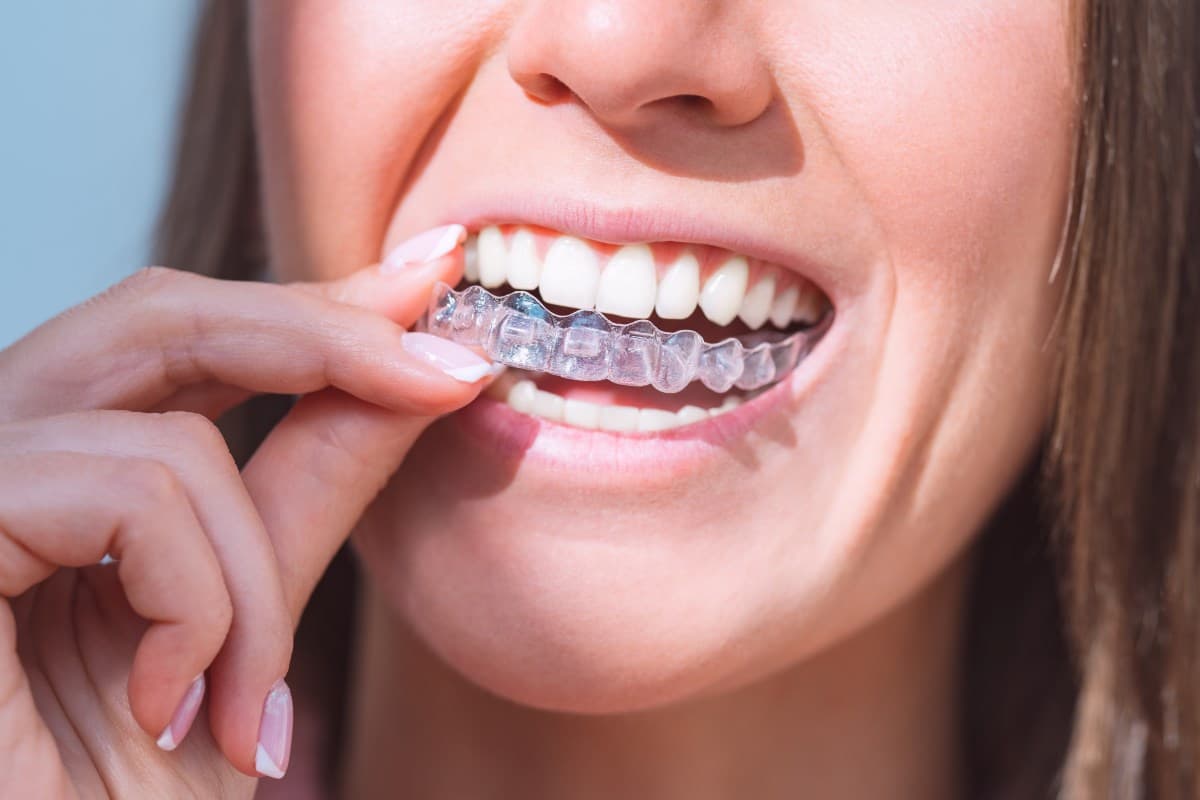
Can You Drink Clear Sugar-Free Spirits or Sparkling Water While Wearing Your Invisible Brace Aligners?
Introduction
One of the most common questions patients ask when they begin clear aligner treatment is what they can safely drink whilst their aligners are in place. It is entirely understandable — aligners need to be worn for around 20 to 22 hours a day, and the prospect of having to remove them every time you reach for a glass of sparkling water or a Friday evening gin and tonic can feel inconvenient.
Many patients search online hoping to find reassurance that the odd sip of something clear or sugar-free will not cause any harm. The reality, however, is a little more nuanced than simply looking at colour or sugar content alone.
This article explores what happens inside your aligner when you drink beverages other than still water, the specific risks associated with sparkling water and clear spirits, and what the most clinically responsible approach looks like during invisible aligner treatment. Understanding these considerations can help protect both your aligners and your dental health throughout the course of your treatment.
Can You Drink With Your Aligners In?
Ideally, only plain still water should be consumed with invisible aligners in place. Sparkling water is mildly acidic and can soften enamel over time, whilst clear spirits — even sugar-free ones — contain alcohol and acidity that may damage aligners and increase the risk of tooth decay or enamel erosion during treatment.
Why the Colour or Sugar Content Alone Does Not Tell the Full Story
It is tempting to assume that if a drink is clear and sugar-free, it is safe to consume whilst wearing your aligners. Unfortunately, this logic overlooks two key factors that are far more relevant to your dental health: acidity and alcohol content.
Many beverages that appear completely harmless — including sparkling water, tonic water, and clear spirits — have a pH level that falls into the acidic range. When acidic liquids become trapped between your aligners and your teeth, they can remain in contact with your enamel for a prolonged period. This significantly increases the risk of enamel erosion, even if the drink itself contains no sugar whatsoever.
Additionally, alcohol — even in small quantities — can affect the integrity of the aligner material itself. Some clear aligner brands use specific thermoplastic polymers that may become warped or discoloured when exposed to alcohol. A warped aligner will not exert the precise force needed to move your teeth correctly, which can compromise the results of your treatment.
Understanding these two factors — acidity and alcohol — is essential to making informed decisions about what you consume during your clear aligner treatment journey. If your treatment plan also involves interproximal reduction (IPR) space measurement, maintaining these good habits is equally important for protecting your results.
The Science Behind Enamel Erosion and Aligner Treatment
To understand why these drinks pose a risk, it helps to know a little about how enamel behaves when exposed to acidic substances.
Tooth enamel is the hardest tissue in the human body, but it is not resistant to prolonged acid exposure. When the pH level in your mouth drops below approximately 5.5, a process called demineralisation begins. This is where the mineral content of your enamel starts to dissolve.
Under normal circumstances, saliva helps neutralise acids in your mouth and supports remineralisation — a natural process that partially restores enamel mineral content. However, when you are wearing aligners, the flow of saliva across your tooth surfaces is significantly restricted. This means that acidic liquids drawn in beneath your aligners cannot be neutralised as effectively as they would be in an open mouth environment.
Sparkling water typically has a pH of between 3.0 and 4.0 depending on the carbonation level and any added flavourings. Gin, vodka, and other clear spirits generally have a pH of between 4.0 and 6.0. Both fall below the critical threshold for enamel erosion, and when trapped under aligners, they create a low-pH microenvironment that your saliva cannot easily correct.
Over time, repeated acid exposure can lead to enamel thinning, increased sensitivity, and a greater risk of tooth decay. This is why clinical guidance consistently recommends restricting drinks to plain still water during aligner wear.
Sparkling Water: A Seemingly Harmless Option
Sparkling water has grown enormously in popularity, and many patients are surprised to learn that it warrants caution during aligner treatment. After all, it contains no sugar, no artificial sweeteners, and no obvious harmful ingredients.
The concern is the carbonation itself. Carbon dioxide dissolved in water creates carbonic acid, which gives sparkling water its characteristic fizz. This makes sparkling water measurably more acidic than still water, even in its plain, unflavoured form. Flavoured sparkling waters may contain additional citric acid, increasing the acidity further.
When you drink sparkling water with your aligners in, the liquid can seep beneath the aligner trays and sit against your tooth surfaces. The restricted saliva flow means the acid is not being washed away or neutralised at a normal rate. If this happens repeatedly throughout the day — as it might for someone who drinks sparkling water habitually — it could contribute to gradual enamel softening.
The safest approach is to remove your aligners before drinking sparkling water, rinse both your mouth and the aligners thoroughly with plain water, and replace them after a few minutes.
You can learn more about how clear aligner treatment works at South Kensington Dental and what to expect throughout your journey.
Clear Spirits: The Risks You May Not Have Considered
Many patients assume that clear spirits such as gin or vodka are a safer choice than darker drinks like wine or whisky — largely because they are colourless and less likely to stain the aligner material. Whilst it is true that darker beverages are more likely to cause visible discolouration, clear spirits carry their own distinct risks.
Acidity: As noted above, spirits fall into the acidic pH range. When consumed with aligners in, this creates the same trapped-acid problem described above.
Alcohol and aligner integrity: The thermoplastic material used in most clear aligners can be affected by alcohol. Depending on the brand of aligner and the level of alcohol exposure, this may lead to subtle warping or a reduction in the precision fit of the tray. A poorly fitting aligner will not apply orthodontic force correctly, and over a course of treatment, this could affect your final result.
Dry mouth effect: Alcohol has a dehydrating effect on oral tissues. A dry mouth environment further reduces saliva production, amplifying the effects of acid exposure already described.
Mixers: Many spirits are consumed with mixers such as tonic water or soda water, both of which are acidic and may contain additional compounds that are not aligner-friendly.
For all of these reasons, it is strongly advisable to remove aligners before consuming any alcoholic beverage, regardless of colour or sugar content.
When to Speak to Your Dental Team
If you are partway through aligner treatment and you have been consuming drinks other than still water with your aligners in, there is no need to feel alarmed — but it is worth raising this with your dental team at your next appointment.
Your dentist or orthodontist will be able to assess whether:
- Your enamel shows any early signs of erosion or demineralisation
- Your aligner trays are fitting correctly and maintaining their structural integrity
- Your treatment timeline is progressing as expected
- Any additional protective measures — such as fluoride applications — might be appropriate
You should also contact your dental practice if you notice any of the following during your treatment:
- Increased tooth sensitivity, particularly to cold drinks or air
- Visible white spots on your teeth (which can be an early sign of enamel mineral loss)
- Aligners that feel looser or less snug than usual
- Discomfort or soreness that seems disproportionate to your stage of treatment
These are not necessarily serious concerns in isolation, but they are worth discussing with a professional who can assess your individual situation. Dental symptoms and treatment options should always be assessed individually during a clinical examination.
If you have questions about your ongoing treatment or wish to book a review, contact the South Kensington Dental team to arrange a convenient appointment.
Practical Tips for Protecting Your Teeth During Aligner Treatment
There are several straightforward steps you can take to protect your dental health whilst undergoing clear aligner treatment:
- Drink only plain still water with aligners in. This is the single most important guideline to follow.
- Remove aligners before consuming any other drink, including sparkling water, juices, tea, coffee, or alcohol.
- Rinse your mouth with plain water after consuming acidic or sugary drinks before reinserting your aligners.
- Clean your aligners regularly using the method recommended by your dental team — typically a soft toothbrush and cool water, avoiding hot water which can distort the material.
- Maintain a consistent oral hygiene routine, including brushing after meals and before reinserting your aligners.
- Stay well hydrated with still water throughout the day to support healthy saliva flow.
- Attend all scheduled aligner review appointments so your dental team can monitor your progress and address any concerns early.
If you are interested in exploring teeth whitening or enamel protection options alongside your aligner treatment, your dental team can advise whether these are appropriate for your individual situation.
Key Points to Remember
- Only plain still water should be consumed whilst invisible aligners are in place.
- Sparkling water is mildly acidic due to carbonation and can contribute to enamel erosion when trapped beneath aligners.
- Clear spirits carry risks related to acidity, alcohol content, and potential effects on aligner material — colour and sugar content alone do not determine safety.
- Saliva flow is restricted by aligners, meaning acidic liquids cannot be neutralised as effectively as normal.
- Always remove aligners before consuming any beverage other than still water, and rinse your mouth before replacing them.
- Speak to your dental team if you notice sensitivity, white spots, or any changes in how your aligners fit.
Frequently Asked Questions
Can I drink flavoured sparkling water with my aligners in?
Flavoured sparkling water is generally not recommended during aligner wear. In addition to the carbonic acid present in all sparkling water, many flavoured varieties contain citric acid or other acidic compounds that lower the pH further. When trapped under aligner trays, these liquids can expose your enamel to prolonged acid contact. It is best to remove your aligners, enjoy your drink, rinse your mouth with still water, and then replace your aligners after a few minutes.
Does gin or vodka stain clear aligners?
Clear spirits are less likely to cause visible staining compared to red wine or dark spirits. However, alcohol can still affect the material properties of some aligner brands over time. Warping or reduced clarity is possible with repeated exposure. More importantly, the acidity and dehydrating properties of alcohol present greater clinical concerns than staining alone. Aligners should always be removed before consuming any alcoholic beverage.
How long do I need to wait after drinking before putting my aligners back in?
There is no universally fixed waiting period, but a reasonable guideline is to rinse your mouth thoroughly with plain still water after consuming any acidic or sugary drink, brush your teeth if possible, and allow a few minutes before reinserting your aligners. This helps to partially neutralise any remaining acidity and reduces the risk of trapping harmful residues beneath your trays. Your dental team can offer more specific advice based on your individual treatment plan.
Will drinking sparkling water affect my treatment results?
Occasional consumption of sparkling water with aligners removed is unlikely to significantly affect your overall treatment results. The concern arises with regular consumption whilst aligners are in place, which could contribute to enamel erosion over the course of treatment. Consistent wear time — typically 20 to 22 hours per day — is important for achieving the intended tooth movement, and any practice that risks compromising aligner fit or dental health is worth discussing with your treating clinician.
Are there any drinks I can safely consume with aligners in?
Plain still water is the only beverage that is universally considered safe to consume whilst wearing clear aligners. It is neutral in pH, contains no sugar, and will not stain or damage aligner material. All other drinks — including tea, coffee, juices, sparkling water, alcohol, and sports drinks — should ideally be consumed with aligners removed.
What should I do if I accidentally drank with my aligners in?
There is no need for alarm if this happens occasionally. Remove your aligners as soon as it is practical to do so, rinse both your mouth and the aligners thoroughly with plain still water, clean your teeth if you are able to, and then reinsert your aligners. If you are regularly consuming acidic or alcoholic drinks with your aligners in, it is worth mentioning this to your dental team at your next appointment so they can monitor your enamel health accordingly.
Conclusion
Understanding what you can and cannot drink during invisible aligner treatment is an important part of protecting both your dental health and the effectiveness of your treatment. Whilst it may seem that clear, sugar-free drinks such as sparkling water or gin pose little risk, the acidity and alcohol content of these beverages can create conditions that are harmful to tooth enamel — particularly when liquid becomes trapped beneath closely fitting aligner trays where saliva flow is restricted.
The clearest and most clinically responsible guidance remains: drink only plain still water with your aligners in, and remove them before consuming anything else. This small habit, practised consistently throughout your treatment, can make a meaningful difference to the health of your enamel and the quality of your final result.
If you have concerns about your aligner wear habits, your enamel health, or anything else related to your treatment, do not hesitate to speak to your dental team. They are well placed to offer personalised guidance based on your individual clinical situation.
Dental symptoms and treatment options should always be assessed individually during a clinical examination.
Disclaimer: This article is intended for general educational purposes only and does not constitute personalised dental advice. Individual diagnosis and treatment recommendations require a clinical examination by a qualified dental professional.
Next Review Due: 21 August 2027
Ready to Book an Appointment?
Our team is here to help you with all your dental and medical needs.










